Reviews of this facility present a mixed but distinct pattern: many families and residents praise the hands-on caregiving, therapy outcomes, and organizational strengths, while others cite operational inconsistencies that affect safety and daily experience. The center appears to perform well as an acute rehabilitation and transitional option for medically stable residents, but several operational traits merit careful evaluation prior to placement—particularly for people with cognitive impairment.
Care and staff: The caregiving team — especially CNAs and therapy staff — receives frequent commendation for compassion, attentiveness, and measurable functional improvements. Physical and occupational therapy programs are described as robust, with regular sessions and documented gains that supported discharge goals. At the same time, nursing coverage and staff workload are recurring concerns. Reviewers describe variability in nurse responsiveness and communication tone, and there are specific concerns about medication-management practices and timeliness of care interventions. Families should verify current staffing ratios, on-shift nurse coverage, and medication-administration policies during a visit.
Dining and nutrition: The facility's nutrition services are a noted strength for many reviewers. An on-site nutritionist who provides individualized meal plans and fortified supplements was credited with improving weight and daily nutrient intake for some residents. Conversely, meal quality and satisfaction appear inconsistent — some families reported timely, warm meals, while others found the food unappealing. Prospective residents with strong dietary preferences or specific nutritional needs should review sample menus and discuss meal monitoring and accommodations with the nutrition team.
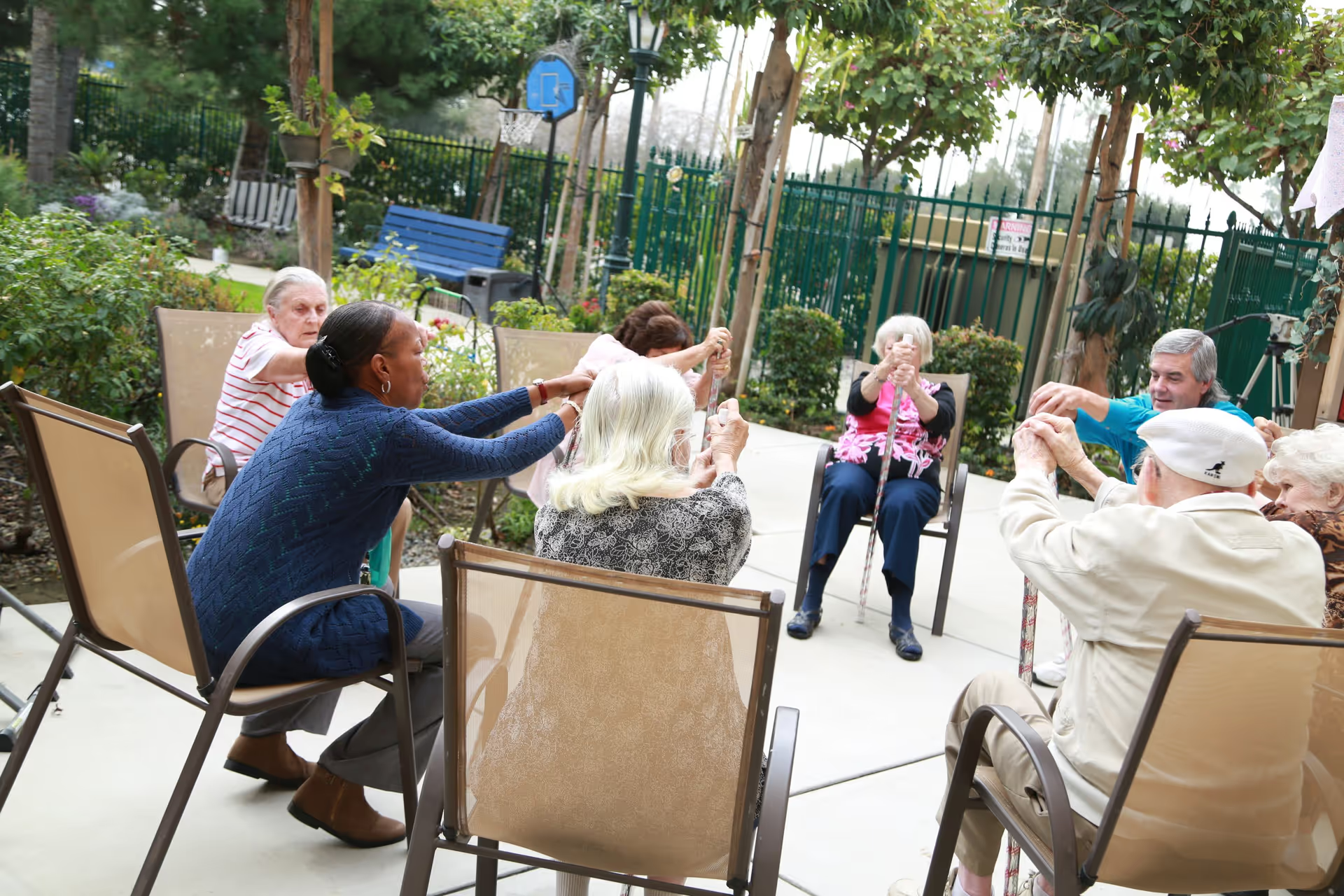
Activities and rehabilitation: Activity programming and therapy are frequently cited as positive contributors to residents' well-being. Families reported organized, engaging activities and daily therapy that supported mobility and independence. For short-term rehabilitation or functional recovery, the facility appears to offer effective, outcome-oriented services and discharge planning support.
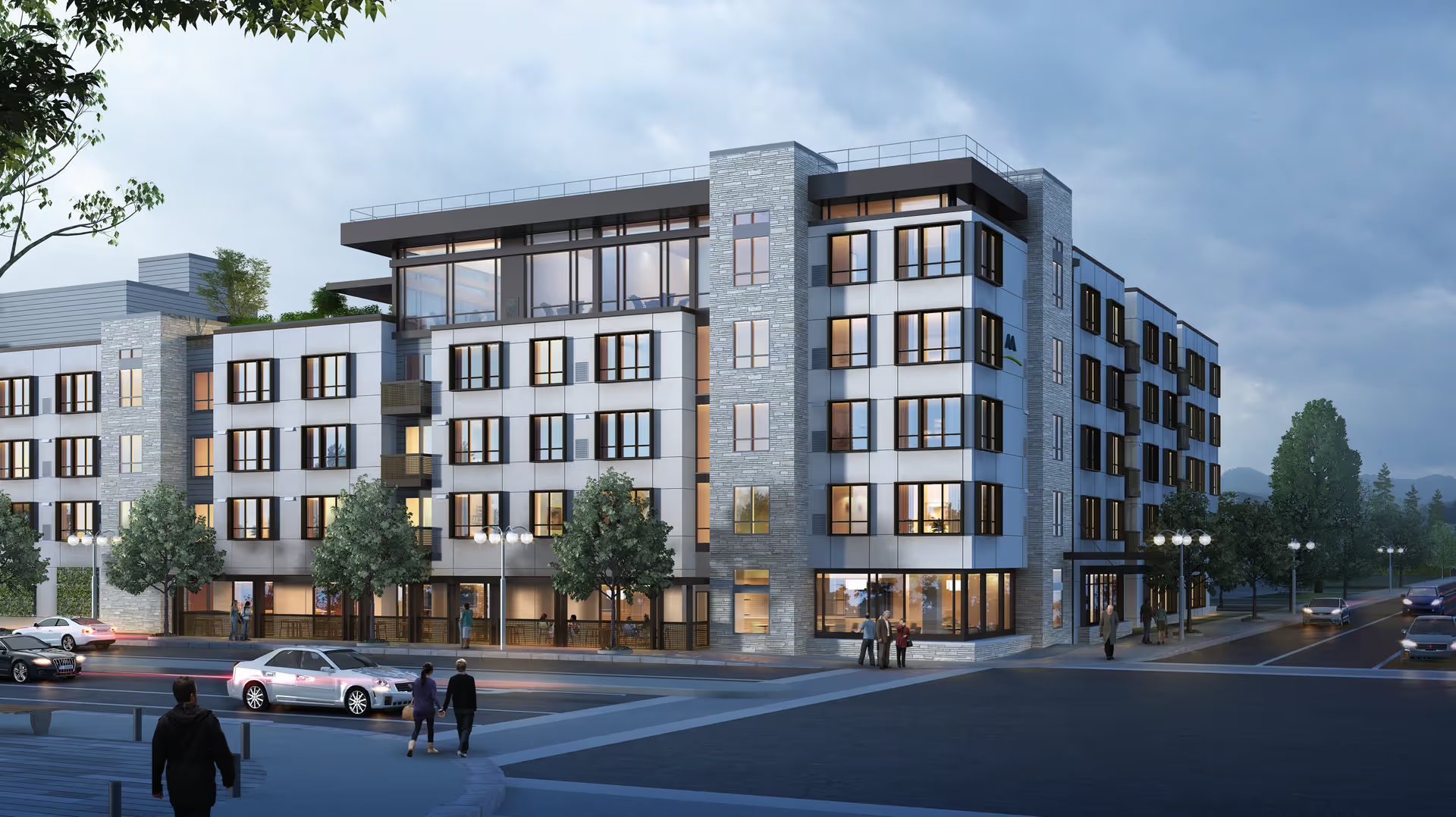
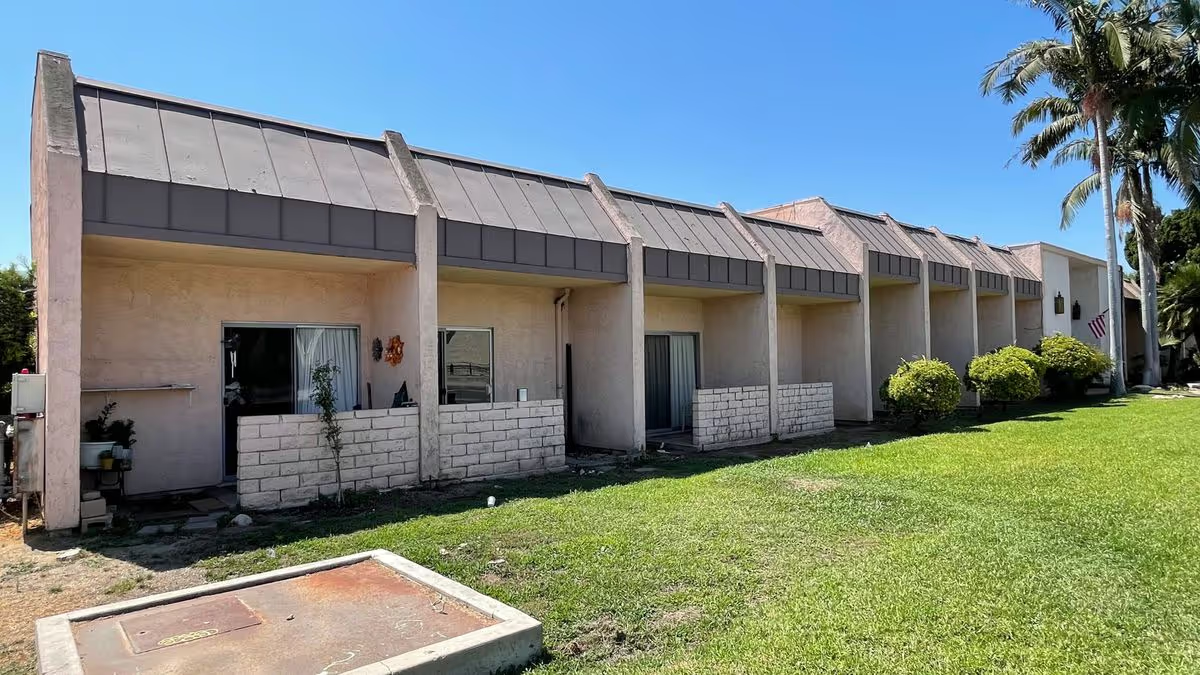
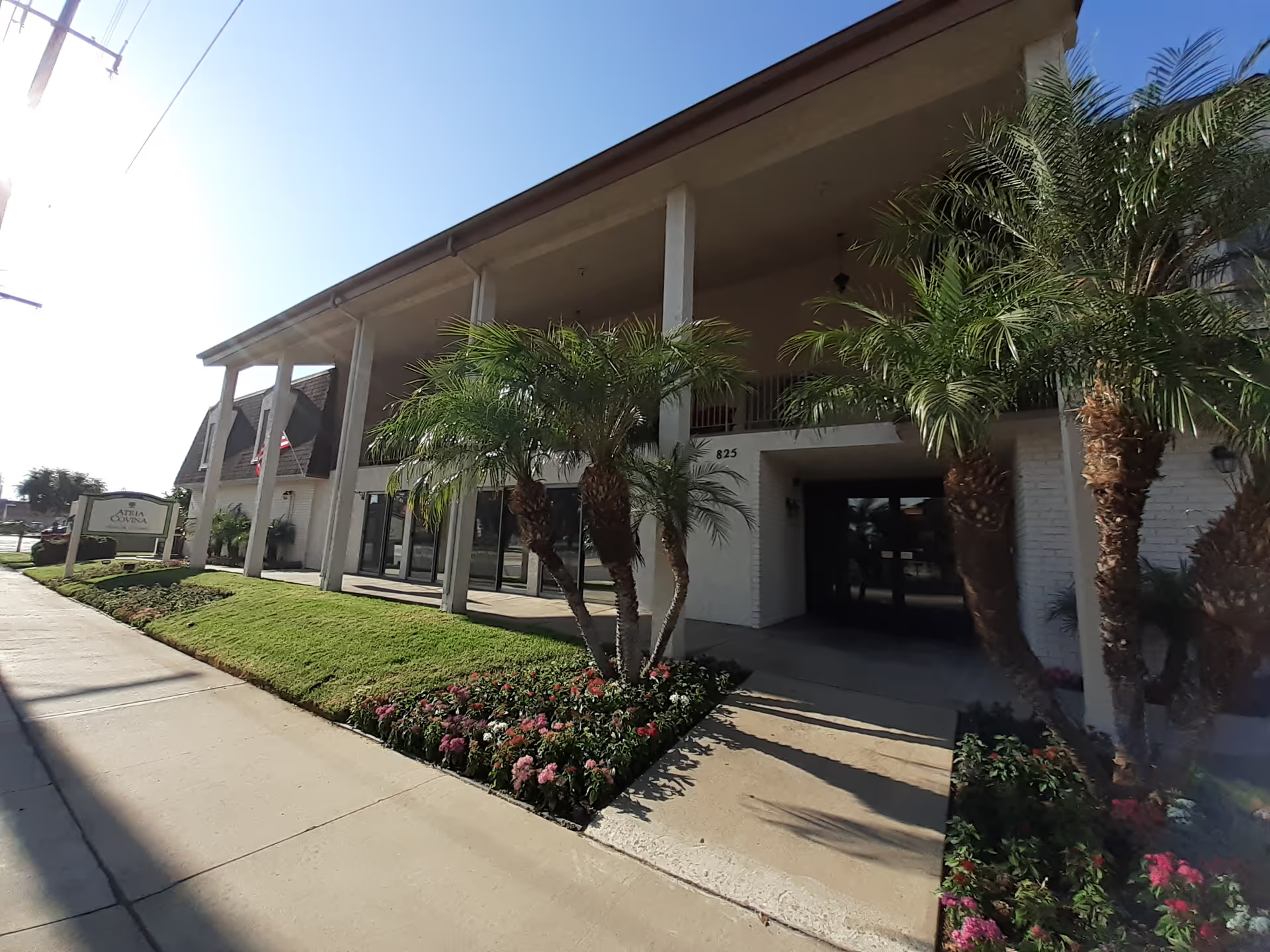
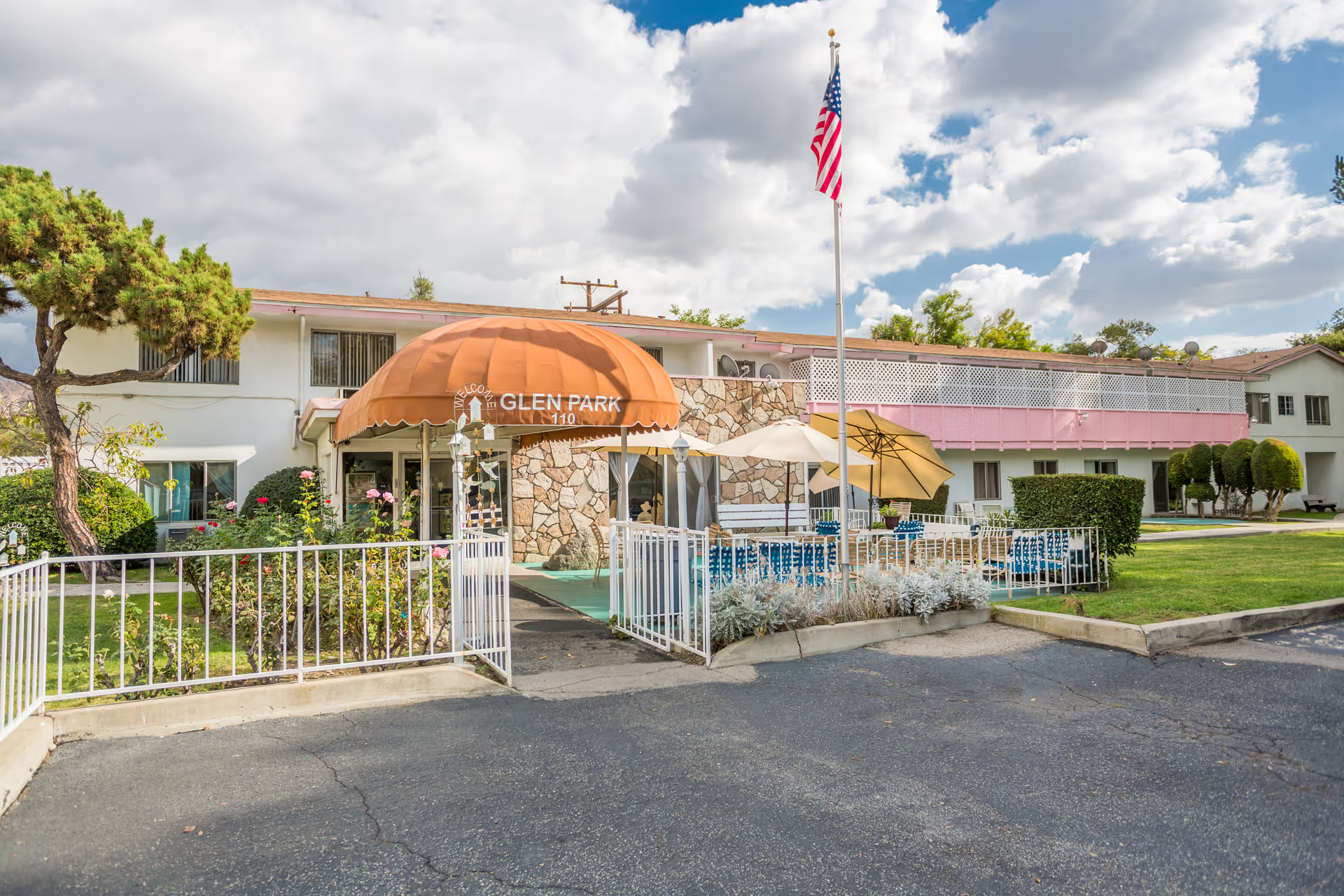
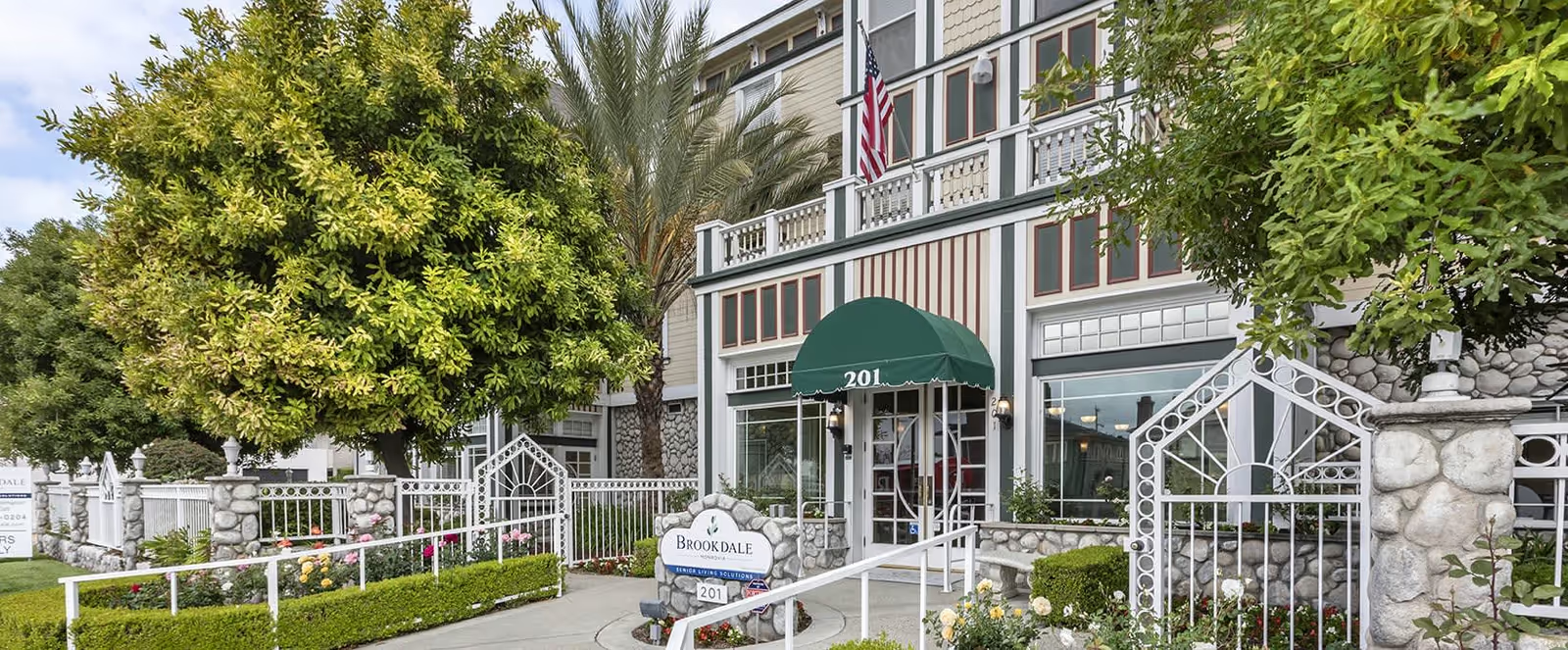
Facilities and safety: Many reviews describe the building as clean and well-maintained, with no pervasive odor and an orderly environment. However, there are isolated sanitation and odor concerns reported in some areas, and examples of slow maintenance response (for example, extended time to repair plumbing fixtures) that affected daily routines. Importantly, reviewers raised substantial concerns about the facility's suitability for residents with dementia: reports of insufficient dementia-specific supports, inadequate supervision, and instances of resident elopement indicate potential gaps in elopement-prevention and secured-unit practices. Families placing someone with cognitive impairment should confirm the facility's dementia-care protocols, secure-environment measures, and staff training in cognitive support.
Management and coordination: Administrative experiences are mixed. Several reviewers praised accessible admission coordinators and transition support staff who assisted with paperwork and insurance navigation. Conversely, there are criticisms of social-services coordination, transportation scheduling, and follow-up appointment logistics. There are also accounts of missing personal items; these should prompt families to ask about valuables policies and inventory procedures. Overall, the pattern suggests that operational communication and coordination are inconsistent across shifts and teams.
Recommendation: Prospective residents and families will benefit from an in-person visit focused on specific operational questions: current nurse-to-resident staffing, medication-safety protocols, dementia-care capabilities and secured-environment measures, maintenance response times, laundry and sanitation processes, meal sampling, and safeguards for personal valuables. The facility demonstrates clear strengths in rehabilitative care, nutrition support, and compassionate frontline caregiving, but the variability in nursing responsiveness, maintenance, dementia supports, and coordination means placement decisions should be individualized to the resident's clinical and cognitive needs.