Reviews indicate a mixed picture of care at the facility. On the clinical side, many families praise individual caregivers and nursing staff for compassionate, competent hands-on care and short-term rehabilitation outcomes. At the same time, there are operational concerns around medication administration and clinical monitoring: reviewers describe instances of missed or delayed medications, changes in responsiveness after medications, and a serious clinical decline in at least one case that prompted substantial family concern. These items point to inconsistent medication-management controls and gaps in ongoing clinical surveillance for vulnerable residents.
Staffing and workplace culture emerge as a major theme. Some caregivers are characterized as dedicated and willing to advocate for residents and families — including help with insurance authorizations and navigating care transitions. Conversely, there are repeated comments about understaffing, high turnover, a toxic work environment among some employees, and front-desk or administrative staff exhibiting poor customer-service tone. Families also report a cumbersome scheduling process with a single point of contact and limited access to appointment lists, which reduces transparency and responsiveness.
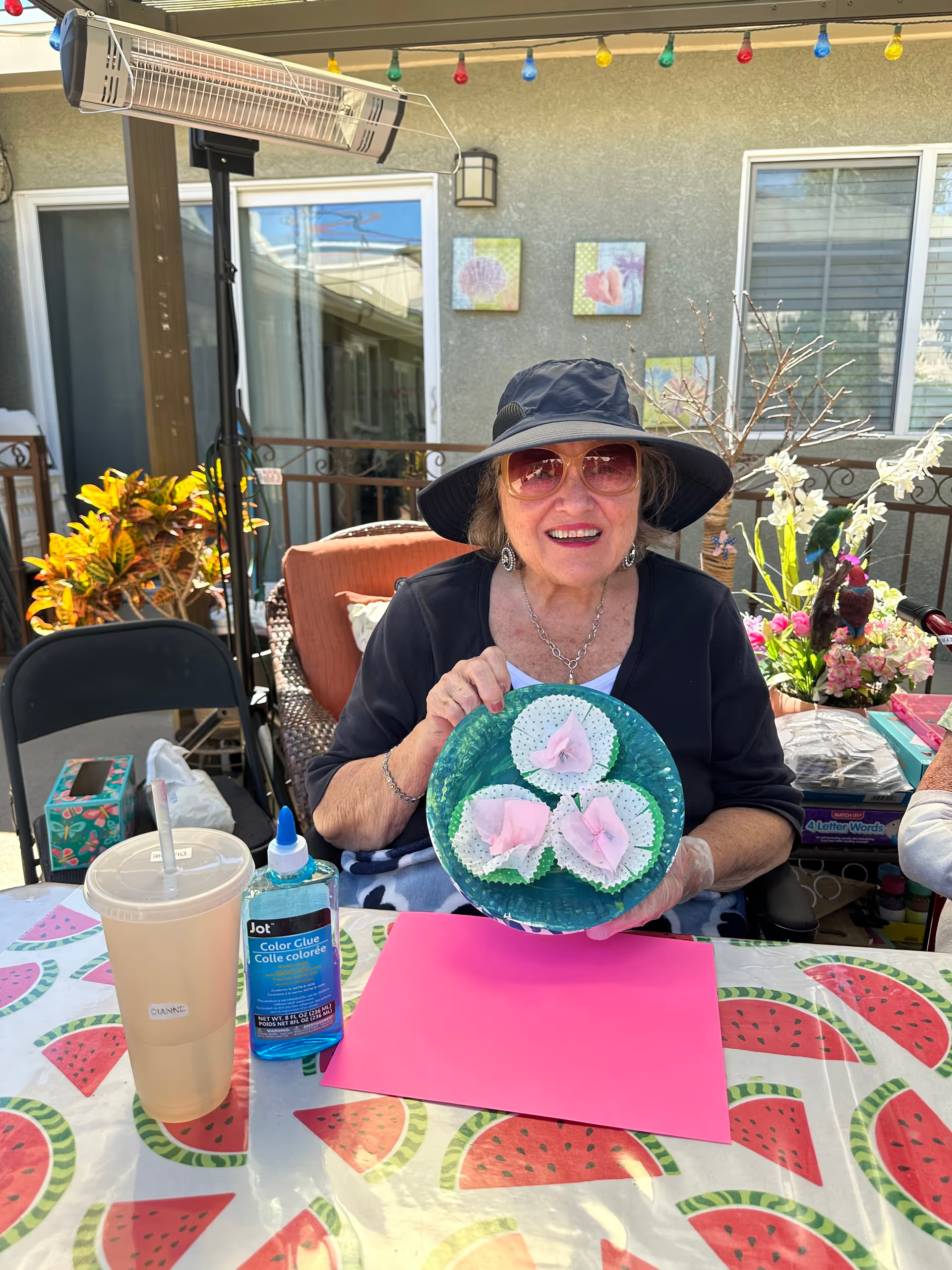
Dining and nutrition are areas of variability. Several reviewers described declines in food quality, unappetizing meals, and concerns about inadequate protein intake and weight loss for certain residents. These observations suggest inconsistent meal preparation and limited nutritional oversight for residents who require monitored intake. Activities and community connections are a relative strength: reviewers noted that religious visits are accommodated and community involvement is present, which supports social and spiritual needs for residents.
Facility maintenance and housekeeping show uneven performance. Some reviewers report clean areas and orderly care, while others raise sanitation concerns, inconsistent bathing schedules, and dirty rooms. HVAC and other maintenance problems were mentioned, indicating intermittent facility-reliability issues that can affect comfort and overall experience. There were also isolated but serious claims — including alleged theft of personal items and roommate-safety incidents — that families flagged as raising safety and property-protection questions.
Management and transparency are recurring concerns. Families described limited communication about infection-control events among staff, difficulty reaching administrators, and an overall perception of evasive corporate responses. At the same time, individual staff members were praised for going above and beyond when present. Overall, the pattern is one of uneven performance: strong, engaged caregivers and positive short-term stays are possible, but systemic operational weaknesses — especially staffing, communication, medication oversight, dining, and maintenance — create variability in resident experience. Prospective families should weigh the facility's demonstrated strengths in direct care and community connection against these operational concerns and consider asking targeted questions about staffing ratios, medication protocols, nutrition monitoring, housekeeping schedules, and infection-control transparency during tours or intake discussions.