Overall impression: Ivy Park at Belmont (Sunrise of Belmont) is described primarily as a clean, well-maintained community with an emphasis on compassionate, attentive caregiving. Families and visitors frequently note a warm, family-like atmosphere, private apartments with en-suite bathrooms, and a pleasant campus with gardens and comfortable common rooms. Nursing and care teams are commonly portrayed as patient and engaged, particularly with residents who have dementia; several accounts emphasize consistent coordination with outside clinicians, pharmacies, and insurance, and availability of round-the-clock care.
Dining and nutrition: The community features restaurant-style dining, a nicely appointed dining room, and a varied menu with portion control and multiple options. Many residents and families praise the convenience and social aspect of meal service; however, feedback on food quality is mixed. While some describe meals as delicious and varied, others find menu satisfaction inconsistent. Dining-room logistics also present a pattern-level issue: established seating practices can make social integration for new residents more difficult, and there are occasional service and continuity gaps noted.
Activities and social life: Ivy Park offers a broad activity program including arts and crafts, sing-alongs, exercise classes, outings (picnics, scenic drives), and specialized options such as mahjong and therapy-based exercise. Memory-care areas are described as bright and separate with targeted programming. Activity access can vary by unit size and resident placement; some families felt their loved ones were highly engaged and busy, while others in larger sections of the community found it harder to take full advantage of available amenities.
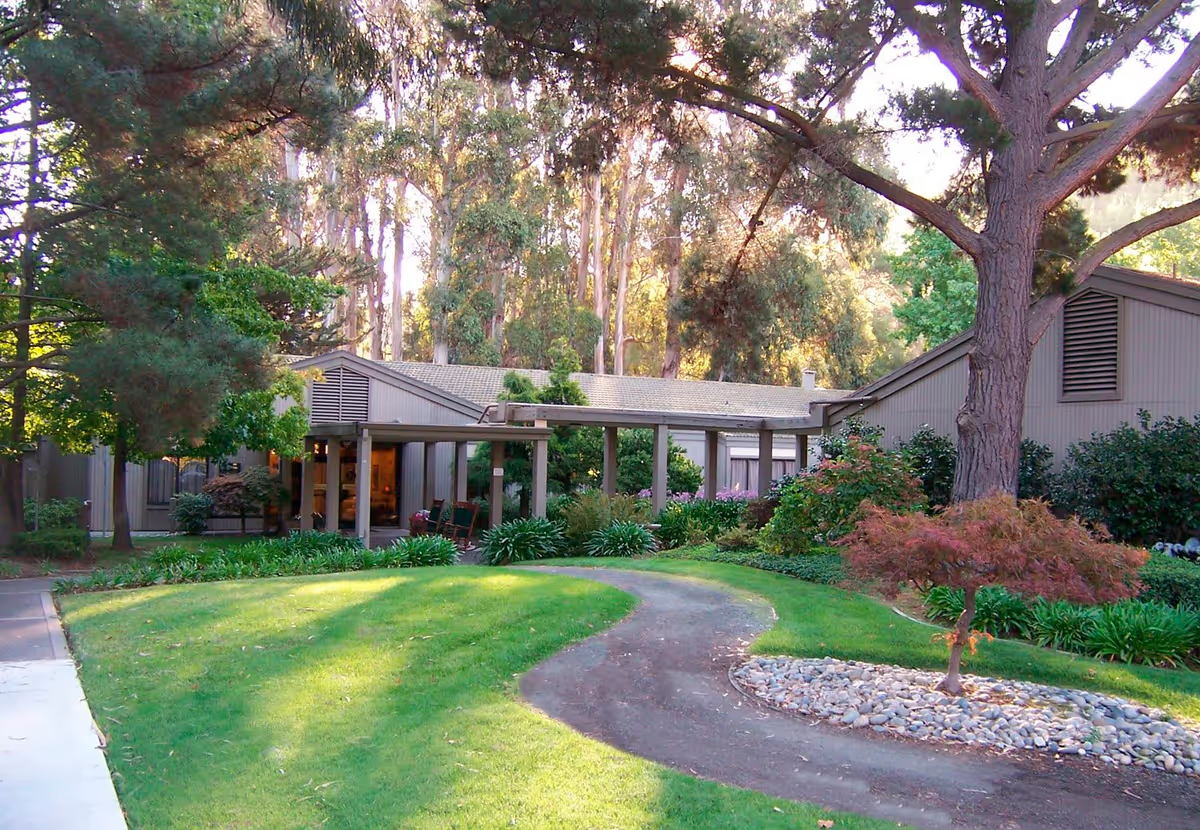
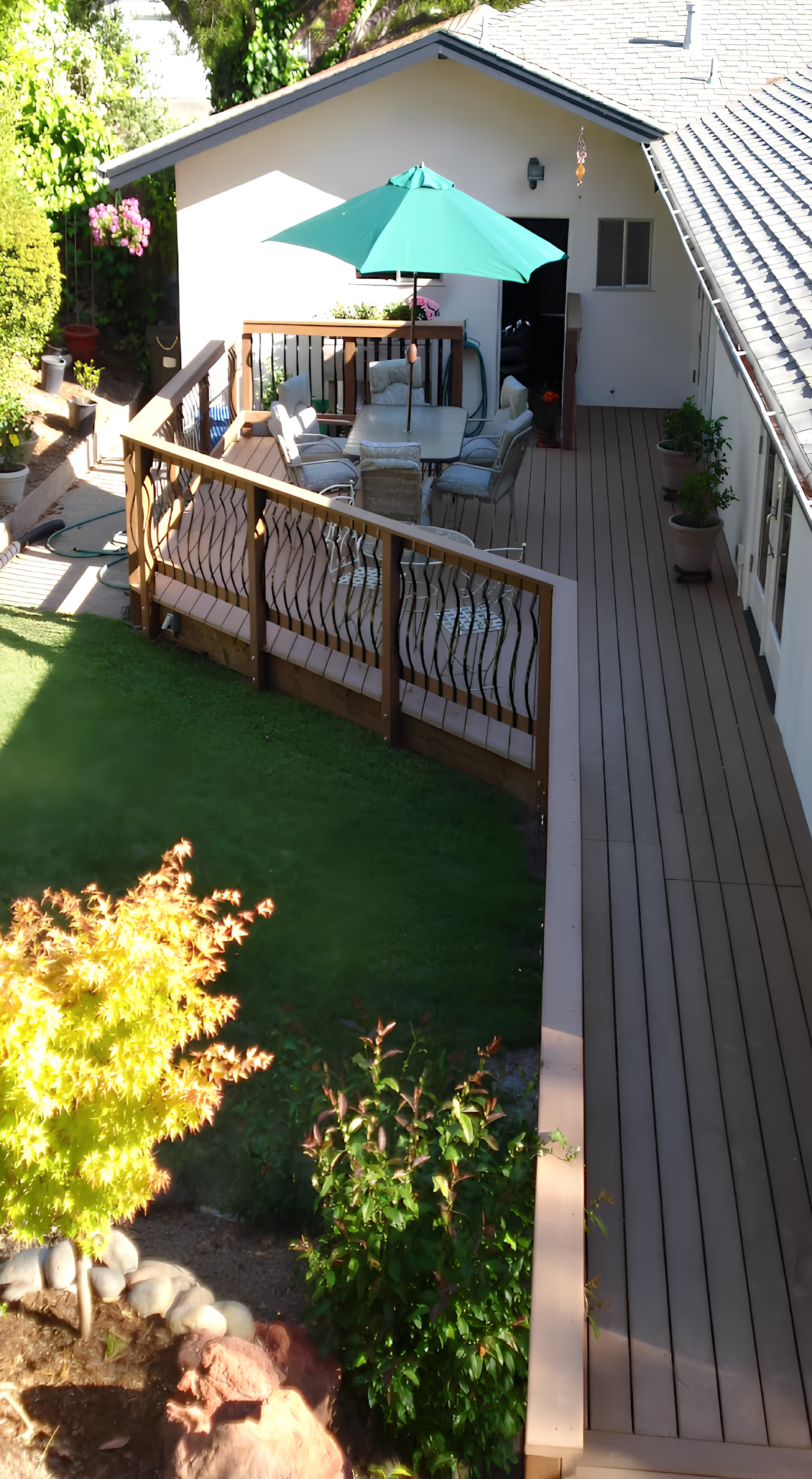
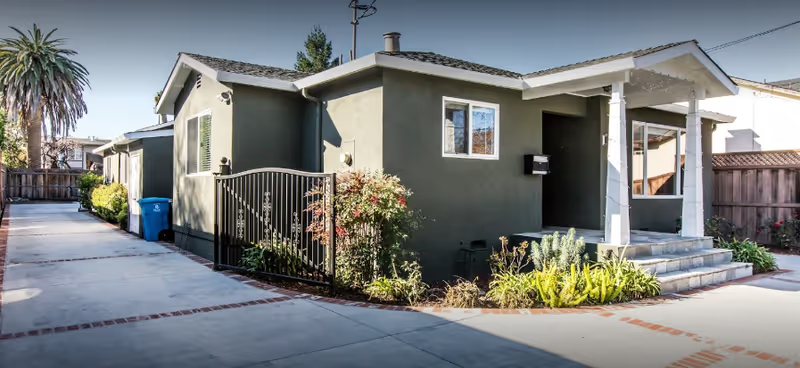
Facilities and environment: The property is often described as homey with hotel-like sitting rooms, attractive gardens, and a comfortable layout that is easy to navigate. Apartment sizes are generally characterized as small to medium but comfortable. Maintenance standards are mostly favorable, though there are occasional mentions of housekeeping inconsistencies (for example, carpet cleaning frequency) and variability in the upkeep of some common areas.
Management, staffing, and communication: Leadership is frequently described as personable and responsive, with several families praising new or enthusiastic directors and staff who go above and beyond. At the same time, there is variability in staff availability and engagement: some accounts describe well-staffed, attentive shifts, while others note periods when staffing felt limited or when staff were difficult to reach (including during tours). Communication with families is another mixed area—many families report good communication and smooth transitions, but others cite inconsistent follow-up and responsiveness after move-in.
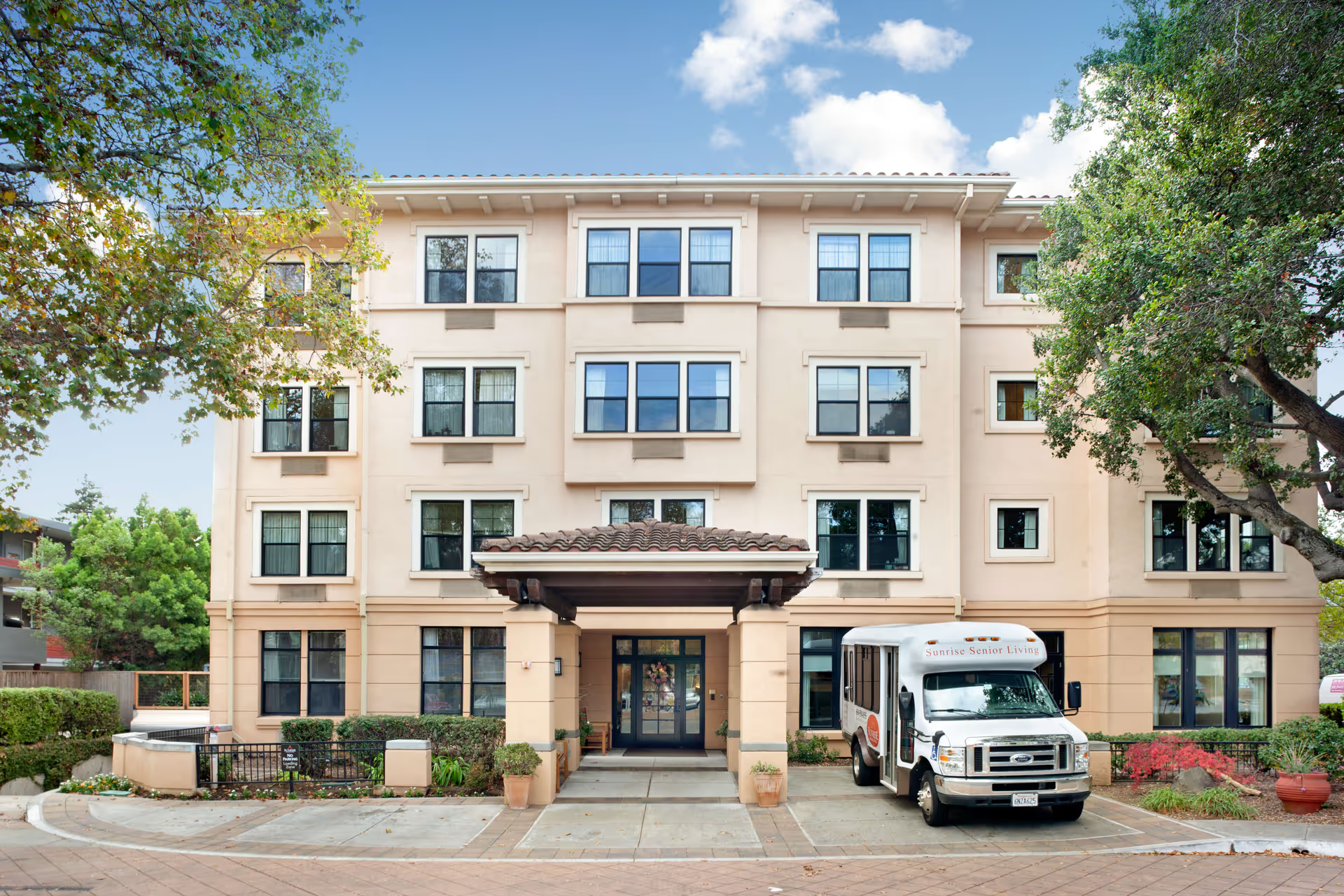
Notable patterns and considerations: The strongest themes are compassionate caregiving, clean and pleasant facilities, and a robust activity/dining program that supports social engagement. Counterbalancing strengths are recurring operational concerns: variability in meal quality, occasional maintenance and housekeeping lapses, and uneven staff availability or family communication. Cost is a consistent consideration; several families view pricing as high relative to perceived value. Prospective families should plan a multi-visit assessment: observe meal service, ask about seating/onboarding policies for new residents, clarify transportation and on-site medical options, and discuss staffing patterns for the household/unit where a potential resident would live.