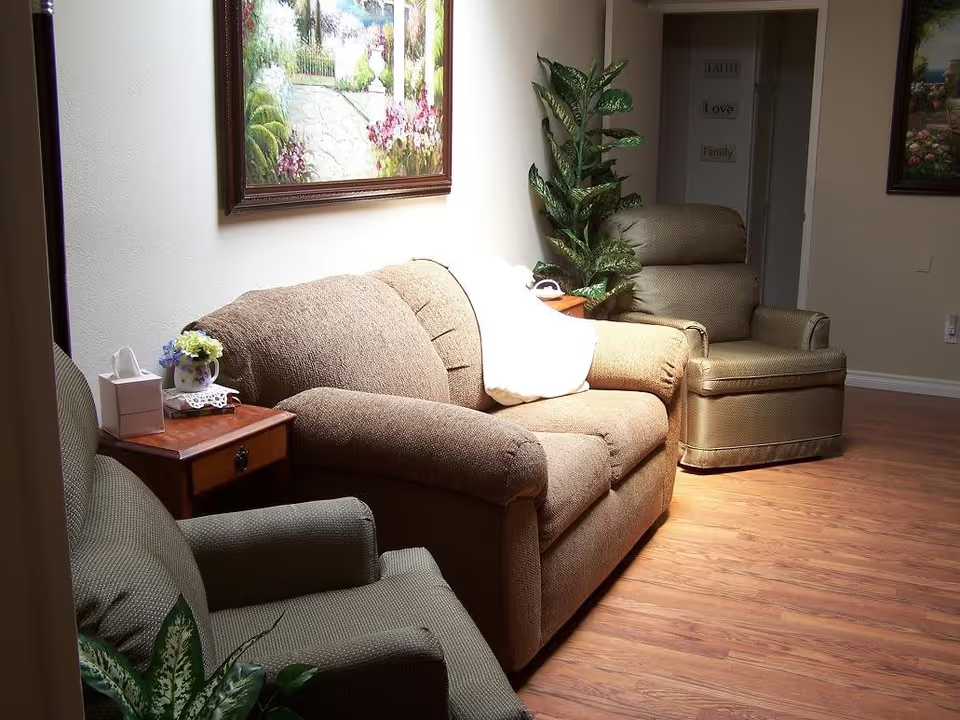
The reviews present a polarized picture of Healthcare Center of Orange County: several families describe timely, effective short-term rehabilitation and examples of caring, professional staff, while other accounts raise significant operational and clinical concerns. Strengths cited include a welcoming reception area, supportive nurses and social workers, coordinated admissions and discharges that enabled some residents to return home quickly, and demonstrable wound-care and therapy capabilities in certain cases. These positives suggest the facility can provide strong skilled-nursing and rehab interventions for some patients.
Clinical quality appears inconsistent across reports. While some reviewers praised skilled wound care and successful rehabilitation progress, other families described clinical lapses that resulted in hospital transfers or progressive health decline. Patterns in the feedback point to variability in medication management and monitoring, and to gaps in follow-up for wounds and pressure-related issues. Those evaluating the facility should be prepared to confirm current clinical staffing levels, wound-care protocols, and oversight practices during a tour and care-planning conversation.
Staff behavior and communication are recurring themes. Many accounts emphasize friendly, patient-centered interactions from nurses, aides, and social-work staff; several reviewers named specific staff who facilitated a smooth process. Conversely, others described poor responsiveness, a dismissive communication tone, nonclinical distractions, and instances of apparent unprofessional conduct. Interdepartmental communication and care coordination were also highlighted as weak areas, with families reporting inconsistent information flow between nursing, therapy, and administration.
Facility and environmental concerns are mixed. Some visitors and residents found common areas and certain units clean and comfortable with a homey atmosphere. Other reports describe outdated physical plant, supply shortages, tight multi-bed rooms, and sanitation or laundry-related issues. Property management controls were noted as inadequate in several accounts, with missing personal belongings and clothing cited as a recurring problem. These inconsistencies suggest variability by unit or shift rather than a uniform facility condition.
Dining and activities receive limited mention but lean toward inconsistency. A few reviews describe poor meal quality and general dissatisfaction with food service continuity; in contrast, therapy and rehabilitation programs were frequently credited with meaningful functional gains. There is little consistent information about recreational programming outside of therapy, so prospective families should inquire specifically about activity schedules and individualized therapy plans.
Management and oversight are central to several concerns. Reviewers reported opaque staffing practices, allegations of management misrepresentation about staffing levels, and at least one mention of regulatory scrutiny and serious allegations. These items warrant attention: ask for recent staffing metrics, regulatory history, incident-response procedures, and examples of how family concerns are escalated and resolved. Given the wide range of experiences, families should arrange a tour, meet the care team, and request up-to-date documentation on clinical outcomes, infection-control policies, and grievance processes before making placement decisions.