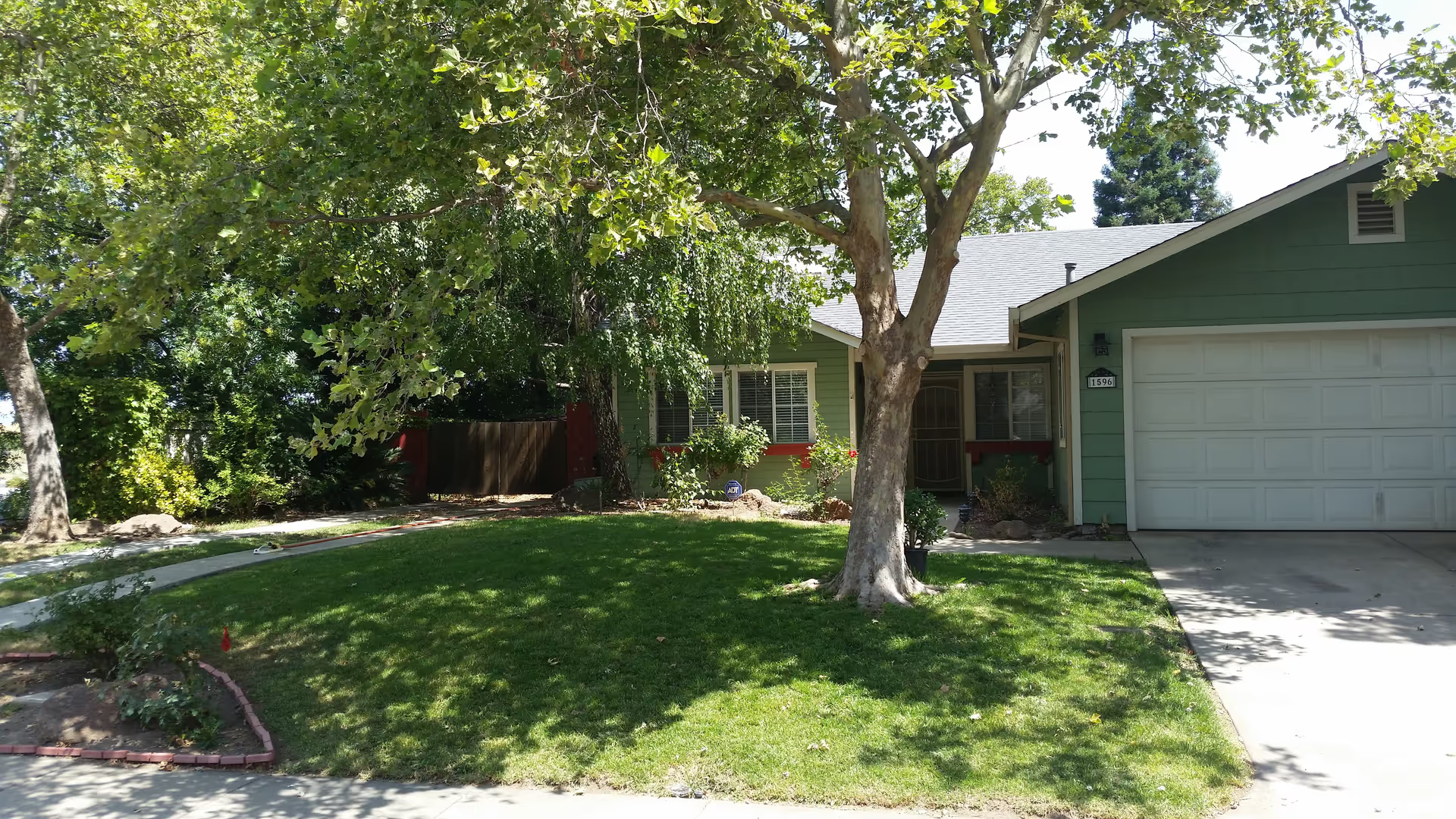
Almond Blossom presents as a small, home-style assisted living option that many families find comforting. The community's converted-house model (approximately six residents per home) creates a family-type environment with large communal kitchen/dining/living areas and private bedrooms. Reviewers consistently describe the interior as clean and modern, and the facility layout and décor convey a residential rather than institutional feel. For individuals and families seeking a small-scale setting, the facility's low resident-to-staff ratio and 24/7 on-site caregiving are frequently cited strengths that contribute to peace of mind.
Care quality and staff behavior are central positive themes. Numerous comments describe staff and administrators as caring, kind, and engaged — able to respond to routine needs and to arrange visits from medical professionals as required. Several accounts highlight supportive end-of-life and palliative care, and families note relief from caregiver burden when their relative moves in. At the same time, there are patterns of concern around staff communication and responsiveness. Some families reported delays in callbacks or difficulties getting timely updates, and a small number of serious individual accounts raised questions about post-admission communication following a resident's death; these concerns center on timeliness and clarity of family notifications rather than overarching clinical competence.
Dining and activities are generally viewed positively. Reviewers mention home-cooked meals and good food, and the activity schedule includes games, barbecues, outings, social events (ice cream socials, live music), birthday and holiday celebrations. That said, the community appears to be in an early operating phase in places: activity programming and staffing can vary as the facility establishes routines, and a few reviewers described limited activity options during initial months.
Facility design and accessibility show both advantages and limitations. The residential scale, private bedrooms, and bring-your-own-furniture policy reinforce the homelike atmosphere. However, structural constraints associated with a converted house are evident: rooms do not have en-suite bathrooms, some restrooms require exiting the room, and hallways are relatively narrow, which can limit the ease of use for walkers or other mobility devices. The property sits on a busy street and has limited outdoor space, which may matter to families prioritizing extensive outdoor access or quieter surroundings.
Operational and safety-related patterns merit attention. Several comments point to lapses in medication handling and inventory controls and to instances where families were not promptly notified about issues; these suggest the facility would benefit from stronger medication-management protocols and clearer family-communication procedures. Overall, the balance of feedback is mixed-positive: many families emphasize the compassionate staff, clean and modern environment, and strong personalized care in a small-house setting, while others raise concerns about communication, medication controls, and physical accessibility constraints that could limit suitability for residents with higher-acuity needs. Prospective families should weigh the homelike benefits and staff strengths against these operational considerations and tour the specific house to assess layout and program maturity before deciding.