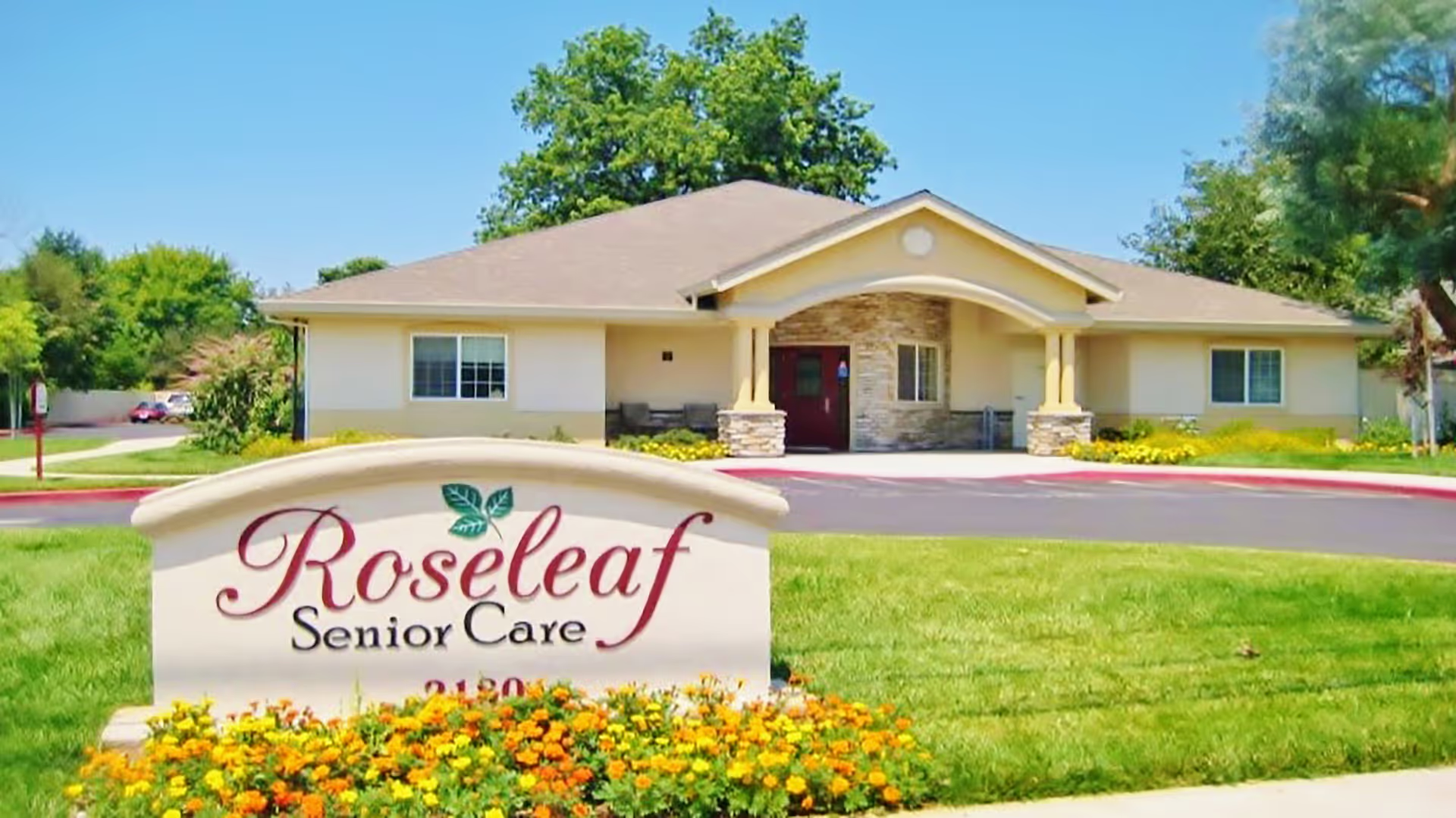
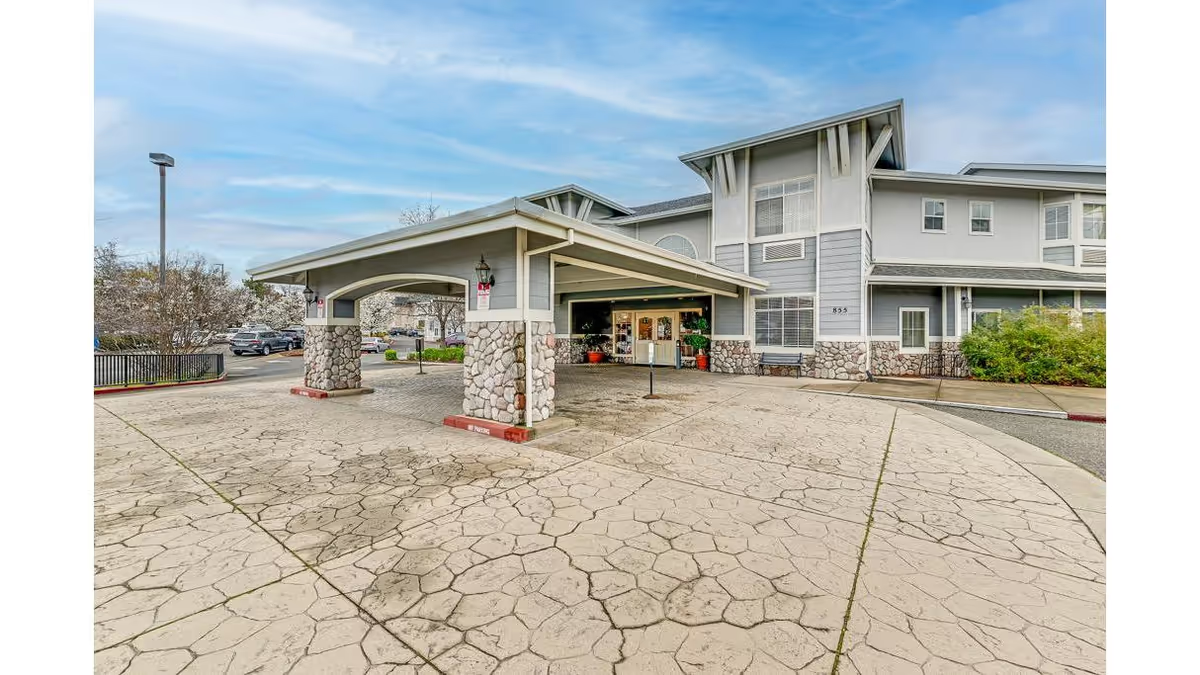
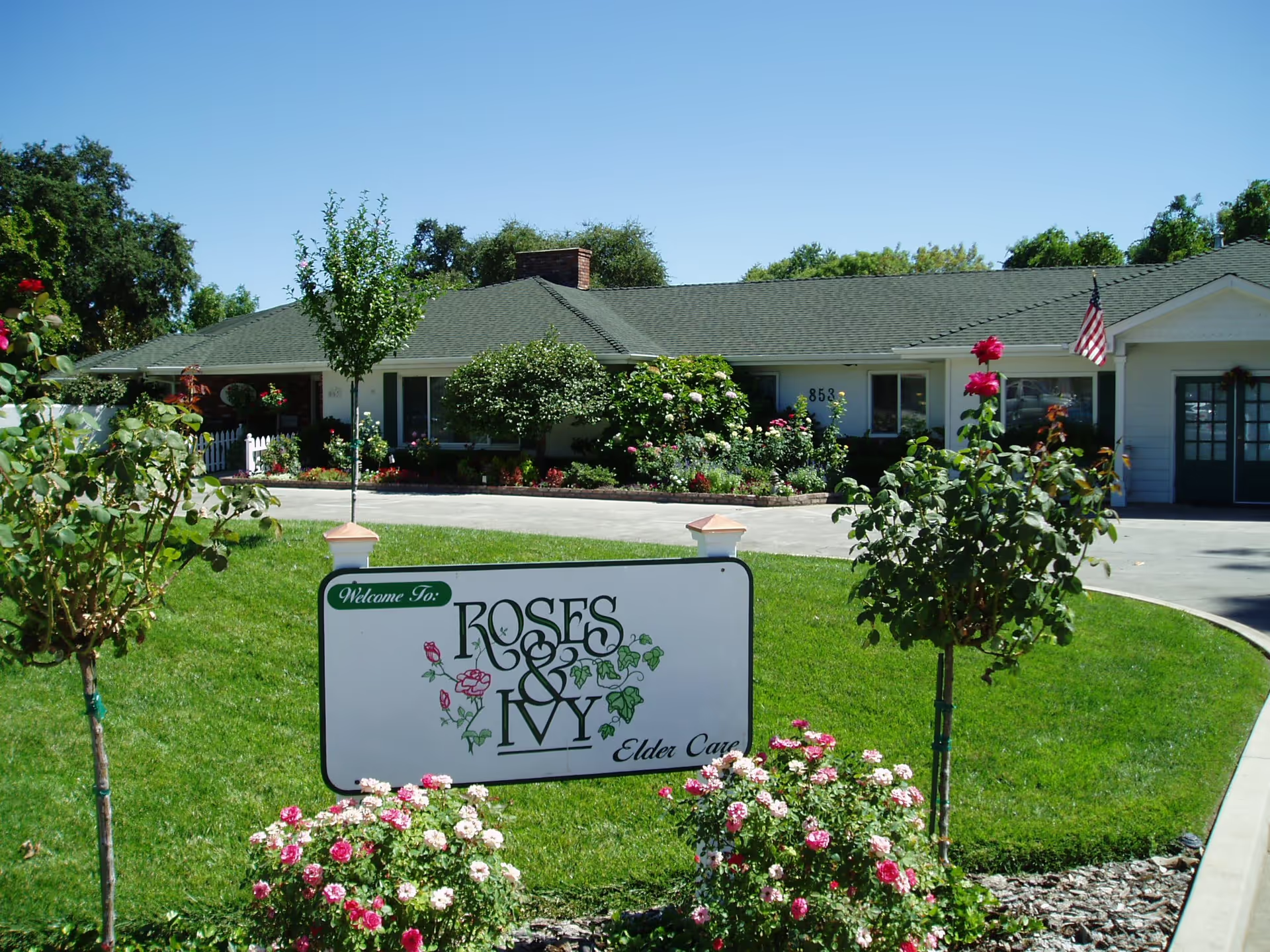
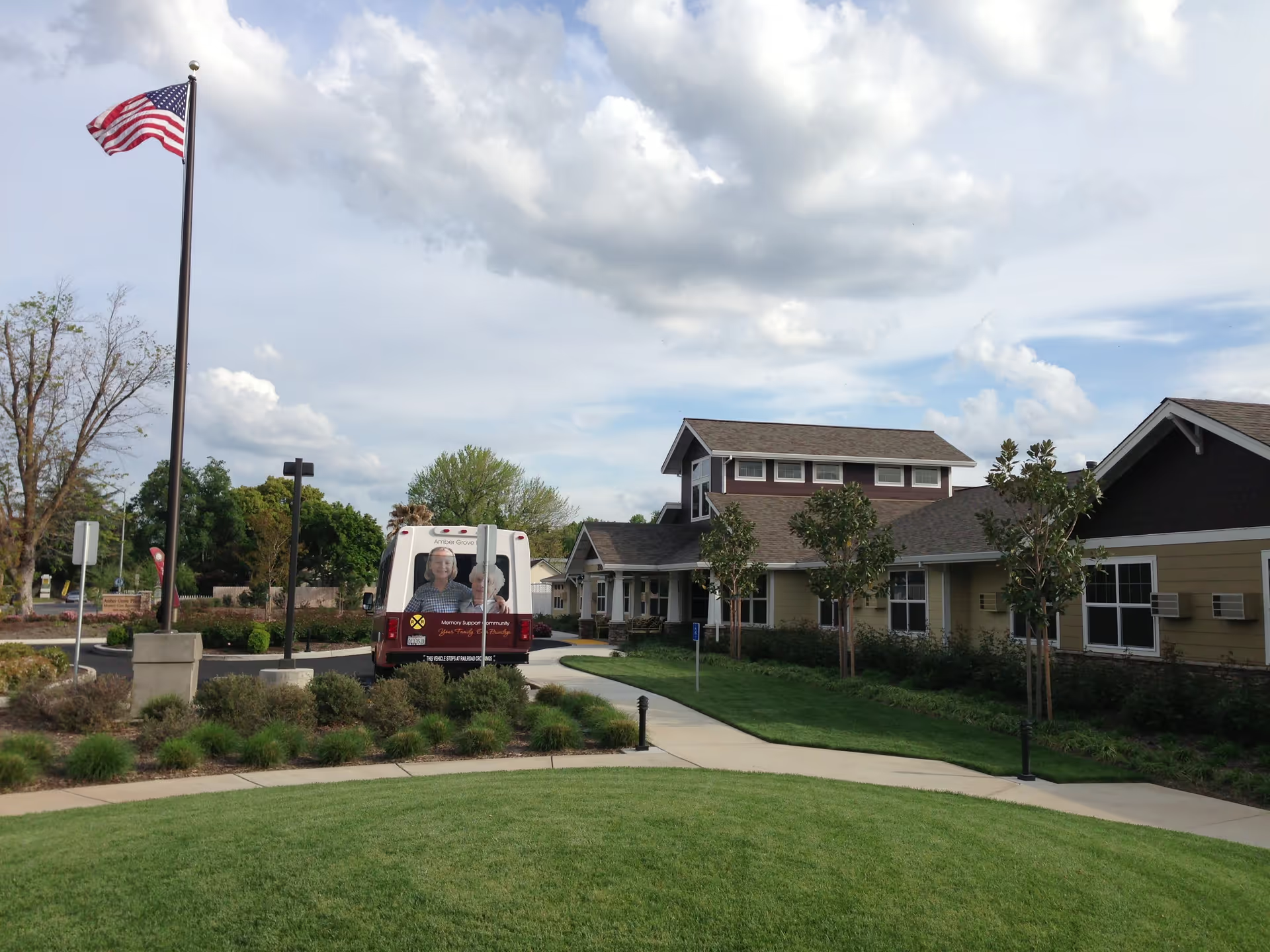
The reviews present a mixed but distinct pattern: many families and residents praise the facility's clinical rehabilitation strengths and the professionalism of specific staff teams, while also describing operational weaknesses that appear to vary by shift and unit. Strengths most consistently cited include skilled PT/OT programs and measurable therapy progress, strong wound and post-acute clinical care, and a social-services team that actively coordinates insurance, admissions, family updates, and discharge logistics. Multiple accounts highlight compassionate nurses and CNAs, an orderly, modern building with pleasant gardens and recreation options, and housekeeping and food-service staff who can be helpful and accommodating to visitors.
At the staff level, reviewers frequently named administrators, therapists, and social-work personnel as sources of good communication and emotional support; these teams are credited with improving mobility, mood, and family confidence. Therapy outcomes and proactive social-services engagement are standout positive elements, as are aspects of the facility environment: clean, calm spaces, accessible outdoor areas, and well-maintained common rooms were noted positively by many families.
However, the reviews also reveal recurring operational concerns. Staffing levels and turnover are described as inconsistent, which reviewers link to delayed call-light responses, slower bedside attention, and intermittent lapses in routine care. There are multiple mentions of uneven sanitation and food-service continuity — including missed or late meal trays and variable nutrition management — and several accounts describe lapses in personal-property handling. Communication deficits appear in two main areas: difficulty reaching the facility by phone or obtaining timely callbacks, and restrictive visitation rules (including quarantine-related limits) that some families found poorly explained or inflexible.
Clinical oversight and management practices are another area of concern. Reviewers described gaps that they interpreted as medication-management issues and, in a few instances, raised serious questions about how medication changes and end-of-life communications were handled; these remarks suggest the importance of clarifying medication-change protocols and physician authorization processes during admissions. There are also repeated notes about staff conduct or training concerns that affected family interactions and the perceived tone of care.
For prospective residents and families: this facility shows clear strengths in rehabilitation, wound care, and social-services coordination, and many reviewers experienced attentive, effective clinical teams. At the same time, variability in staffing, communication, meal delivery, and cleanliness was frequently cited and appears to drive the most negative impressions. When evaluating this provider, consider asking for current staffing ratios, examples of recent therapy outcomes, written medication-change and visitation policies, a tour focused on sanitation practices, and direct introductions to the social-services and therapy leads who will manage the care plan.