Overall impression: Marbella Chico presents as a community with strong, resident‑facing strengths and several recurring operational concerns. Many accounts emphasize compassionate, attentive caregivers, long‑tenured staff who form trusting relationships with residents, and a home‑like environment. At the same time, reviewers describe patterns—particularly around leadership, staffing, clinical oversight, and administrative practices—that prospective residents and families should evaluate carefully.
Care and staff: Direct caregivers, med‑techs, and care aides receive repeated praise for warmth, compassion, and individualized attention; families often cite continuity of care and staff members who know residents by name. Memory care and hospice support are highlighted as areas of strength, and staff responsiveness is frequently mentioned. Counterbalancing those positives, there are recurring concerns about inconsistent staffing levels and scheduling changes that can affect care continuity. Several accounts raise clinical oversight issues, notably around medication administration and related controls; these suggest gaps in supervisory or procedural consistency rather than a uniform absence of clinical competence.
Dining and activities: Dining is commonly described positively: a pleasant dining room, linen table settings, varied menus, and the ability to customize meals are repeatedly noted. Recreational programming is broad, with exercise classes, yoga, arts and crafts, theater/movie amenities, social hours, and regular assisted outings by bus cited as meaningful contributors to quality of life. Volunteer involvement and multilingual programming add to the activity mix. A limited number of residents express disinterest in group activities, which reflects personal preference more than a programmatic deficit.
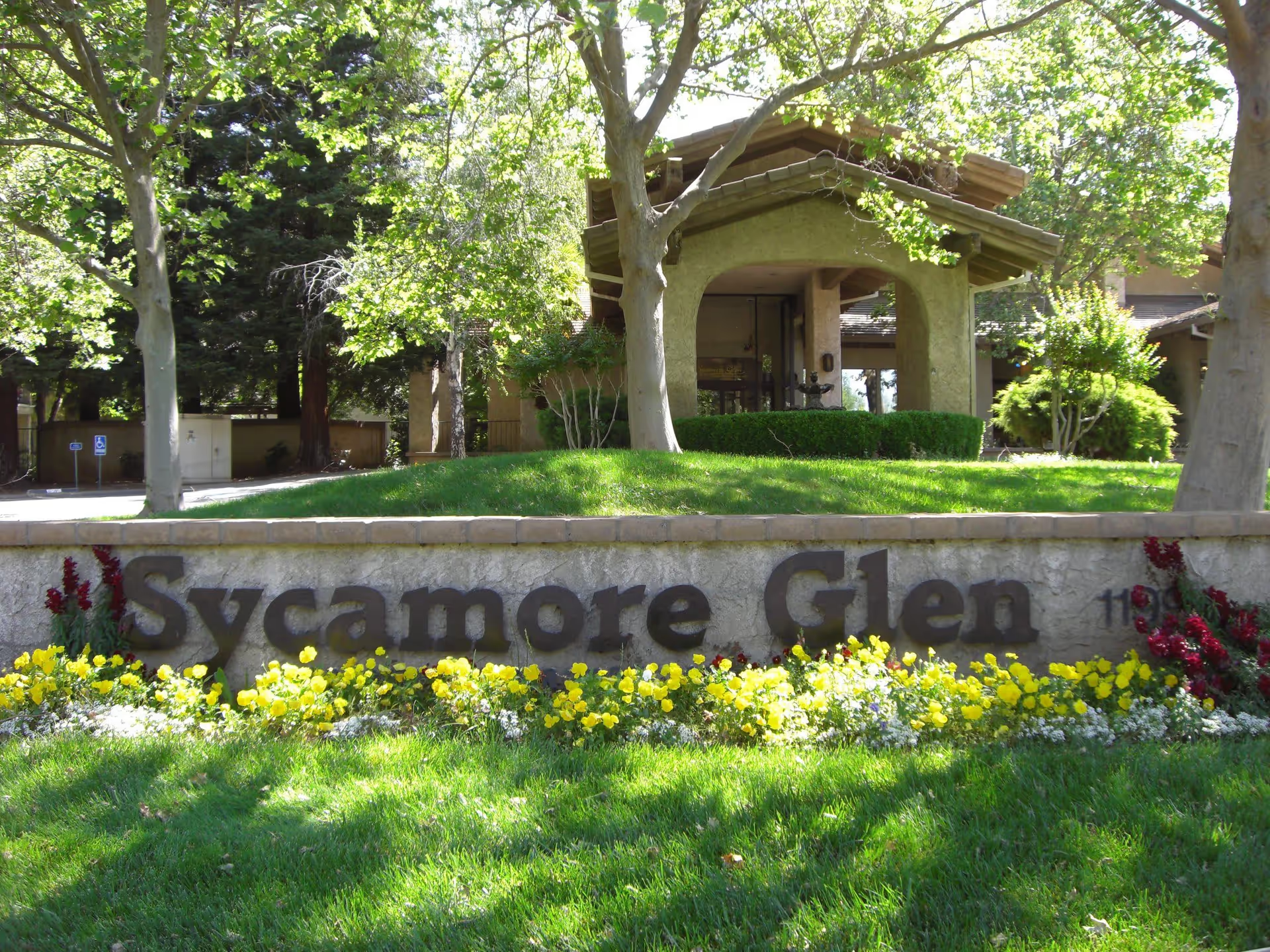
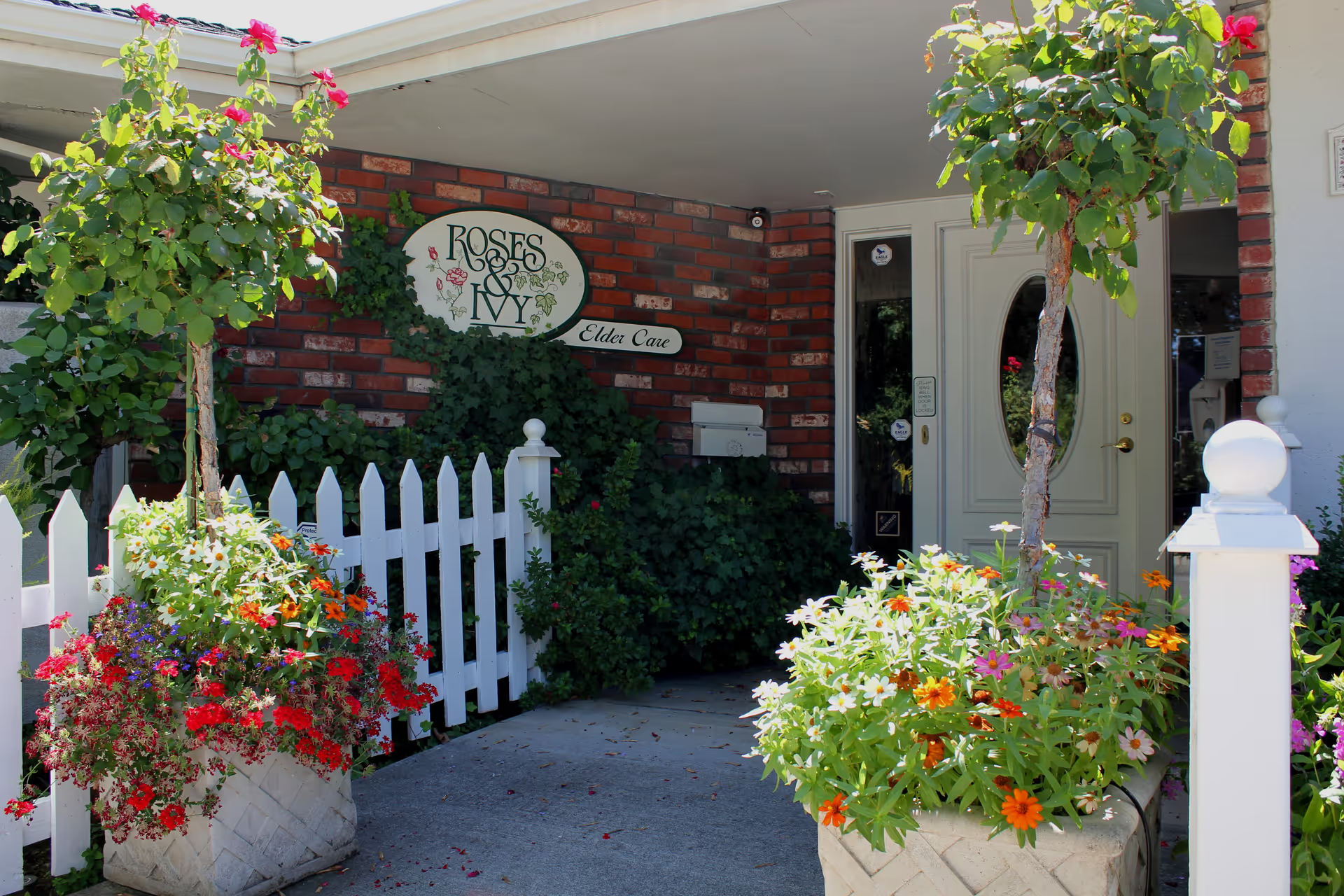
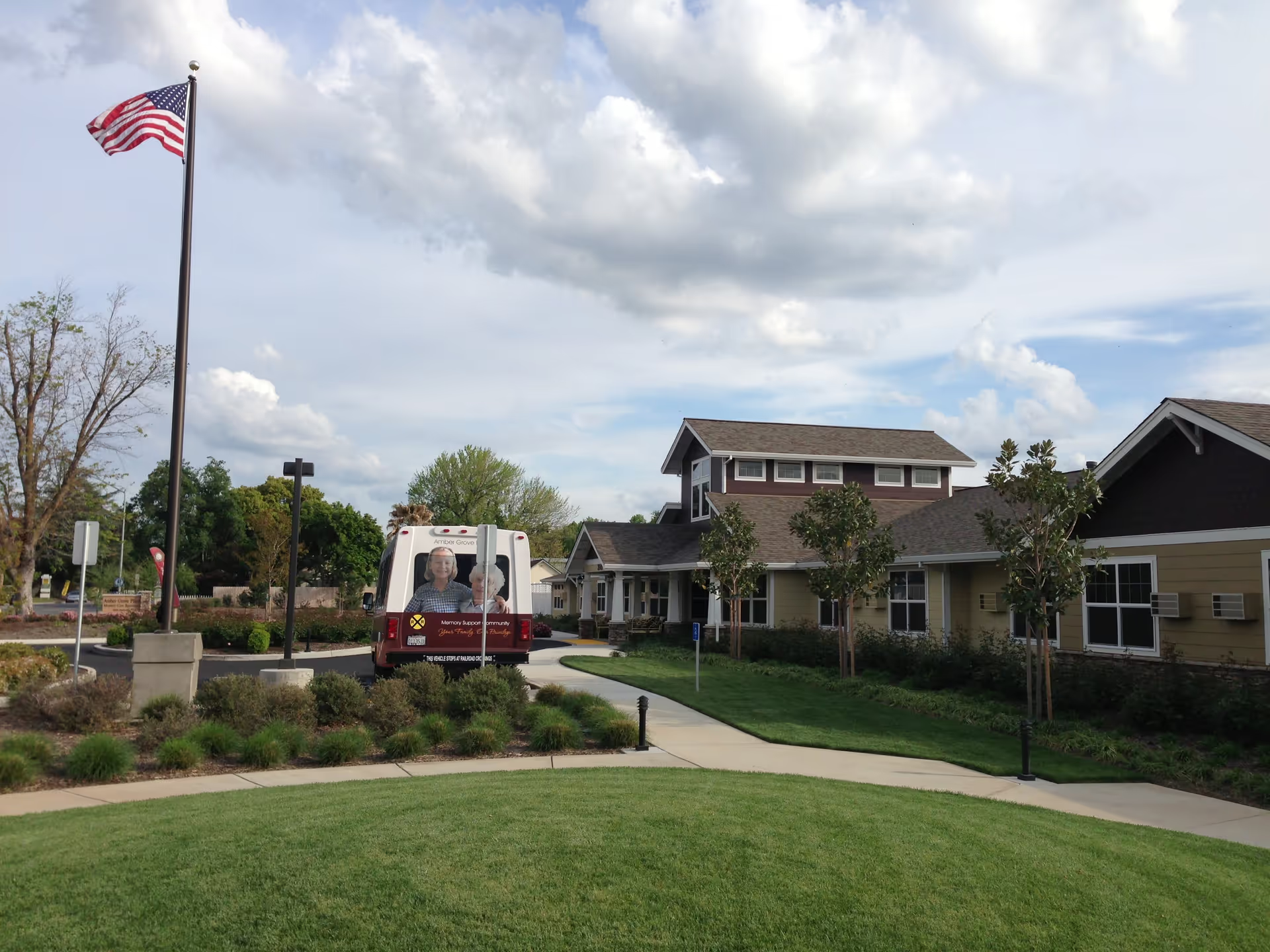
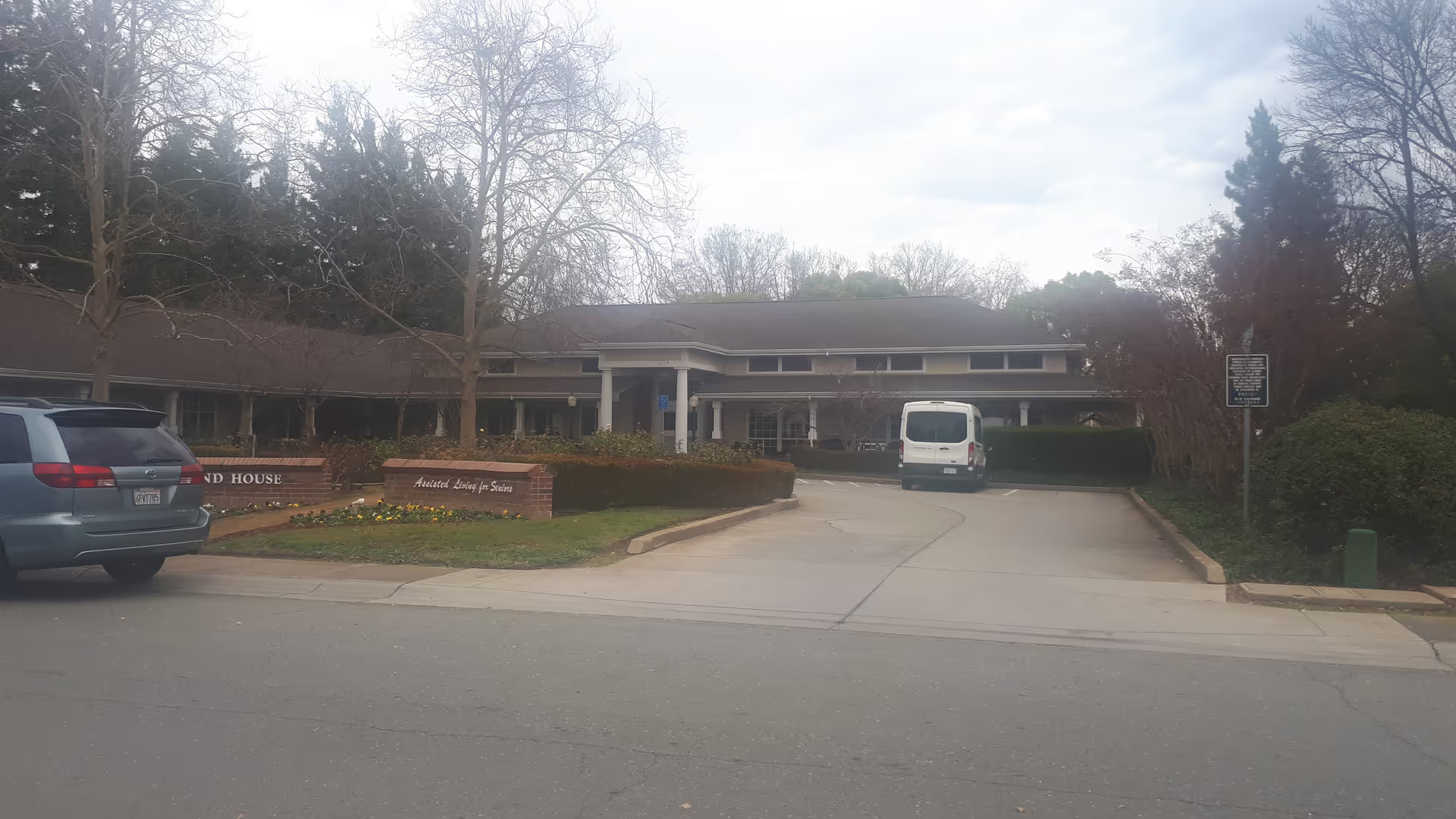
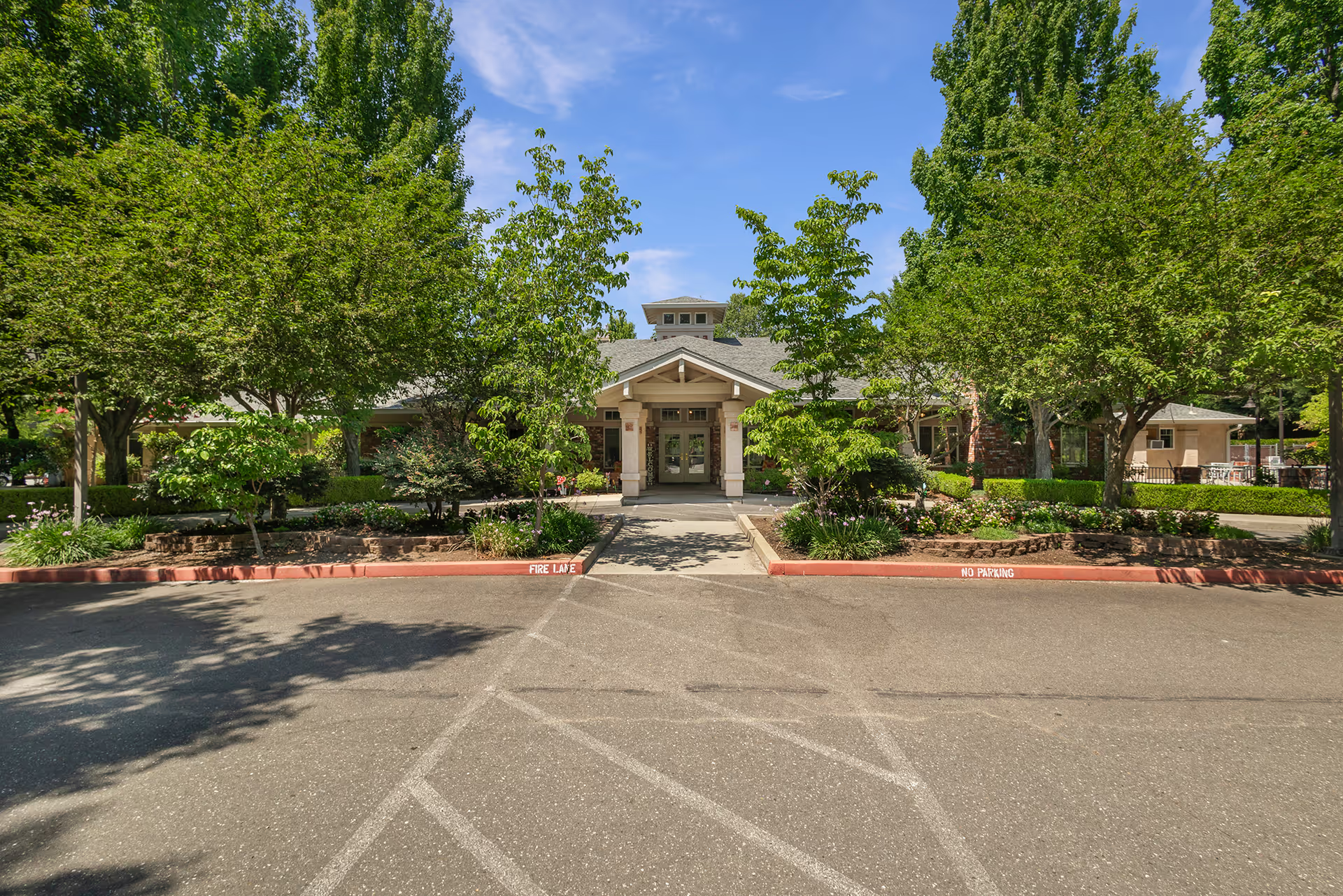
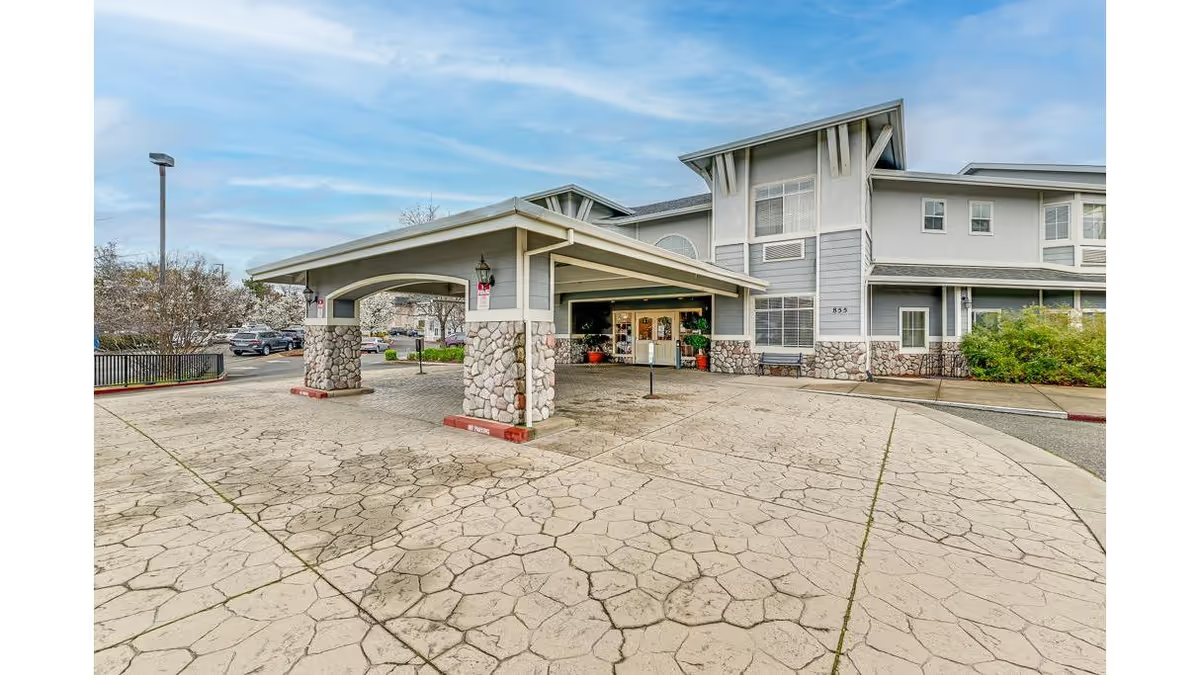
Facilities and maintenance: The physical environment is generally characterized as clean, bright, and well‑maintained, with attractive common spaces, gardens, and accessible apartments. Positive mentions include responsive maintenance and a generally odor‑controlled atmosphere. However, there are cited instances of unreliable safety and communication infrastructure—examples include malfunctioning call/alert systems, phone outages, and door issues—that point to variability in systems upkeep. Room sizes vary considerably; some units are praised as spacious and pet‑friendly, while others are described as small, so floor‑plan selection matters.
Management and operations: Management practices elicit the most mixed feedback. Positive notes include friendly, transparent administrators and strong local leadership in some cases. Conversely, there are several consistent criticisms: perceptions of profit‑driven decision‑making (including rent hikes), aggressive or misleading marketing and admissions practices, opaque pricing or point‑based billing, and gaps in family communication. These operational traits are described as affecting trust and satisfaction for some families even where direct care is good.
Notable patterns and decision guidance: The dominant pattern is a contrast between high marks for frontline caregivers and activities versus concerns about administrative consistency, staffing stability, and clinical oversight controls. Prospective residents and families should prioritize an in‑person assessment focused on: staffing ratios and scheduling stability; medication‑administration procedures and oversight; the condition and redundancy of safety/alert systems; clear, written explanations of pricing and any point systems; and verification of unit size/layout for the specific apartment being considered. When these operational questions are satisfactorily addressed, many families report strong day‑to‑day experiences at the community; where they remain unresolved, families have chosen alternatives.