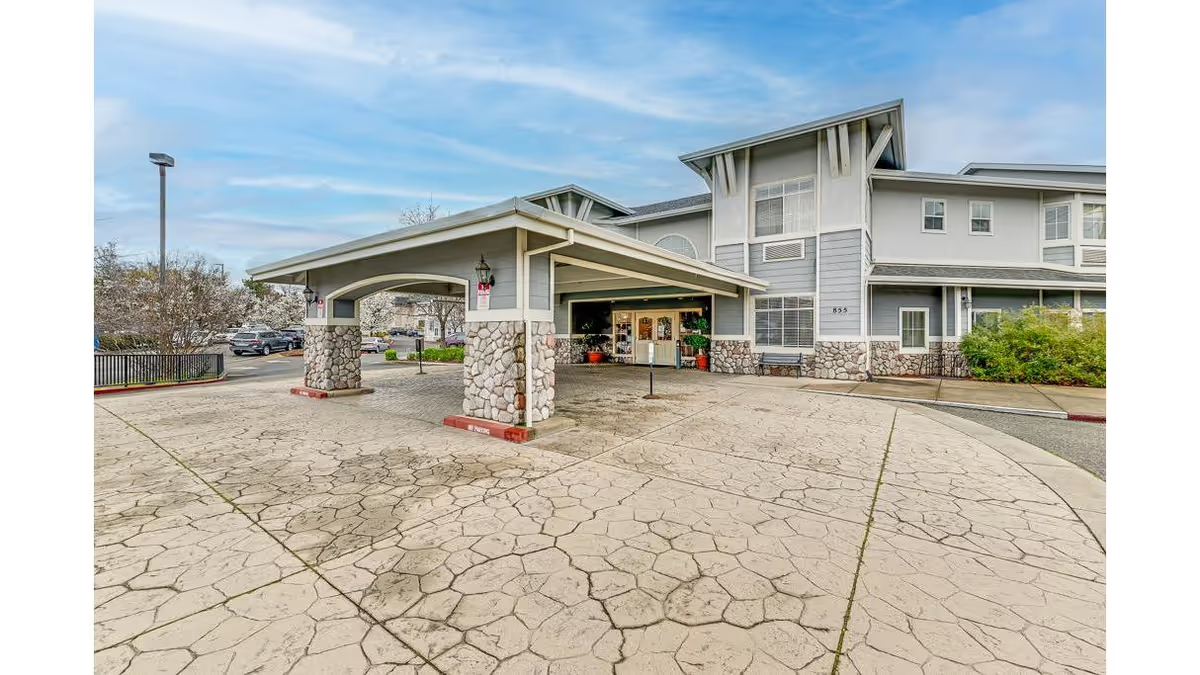
Riverside Point Healthcare & Wellness Centre elicits strongly divergent impressions from families and residents. Many reviewers describe the facility as clean, modern, and well run for short-term rehabilitation: therapy teams (physical, occupational and speech) receive consistent praise, call-light response and 24-hour nursing coverage are cited as strengths, and social services/administration are noted as responsive and helpful during admissions and care transitions. Multiple accounts highlight compassionate CNAs and nursing staff, an engaging activities program that reduces isolation, appealing and varied dining options, and generally positive short-term clinical outcomes.
At the same time, a noticeable cluster of operational concerns emerges across reviews. Medication administration and monitoring are described as inconsistent, including delays in providing analgesia and other scheduled medications. Families reported care-coordination problems such as delayed or incomplete therapy scheduling, unclear channels for raising clinical questions, and inconsistent nurse assignments related to staff turnover and workload. These patterns appear to be the primary drivers of clinical frustration and, in some cases, transfers out of the facility.
Facility-level issues beyond direct clinical care were also raised. Several reviews describe sanitation and odor concerns in specific areas and delays addressing incontinence-care needs, indicating uneven housekeeping or incontinence protocols in parts of the building. There are also intermittent infrastructure problems (for example, heating or room-amenity failures and nonworking room phones) and examples of disrupted meal-service continuity that affect residents’ experience.
Management and leadership receive mixed assessments. Some families praise visible administrator involvement, follow-through, and a culture of improvement; others describe variable leadership consistency and tone, with isolated but serious complaints about staff conduct and communication style (including alleged religion-related conflict). Where leadership and admissions/social work are actively engaged, reviewers report better experiences; where those functions are perceived as less consistent, families describe gaps in follow-up and family communication.
Patterns to note for prospective residents and families: the facility appears to perform well for time-limited rehabilitation stays with strong therapy teams and many attentive caregivers, but outcomes and experience can be more variable for longer-term residents or those with complex, ongoing personal-care needs. Key decision points should include verification of current staffing stability, medication-safety protocols, incontinence and bathing schedules, and how management documents and follows up on family concerns. Visiting in person, speaking directly with the therapy director and nursing supervisor, and asking for recent examples of quality-improvement actions are reasonable steps to clarify whether the strengths or the risks described here are most likely to apply to an individual resident.