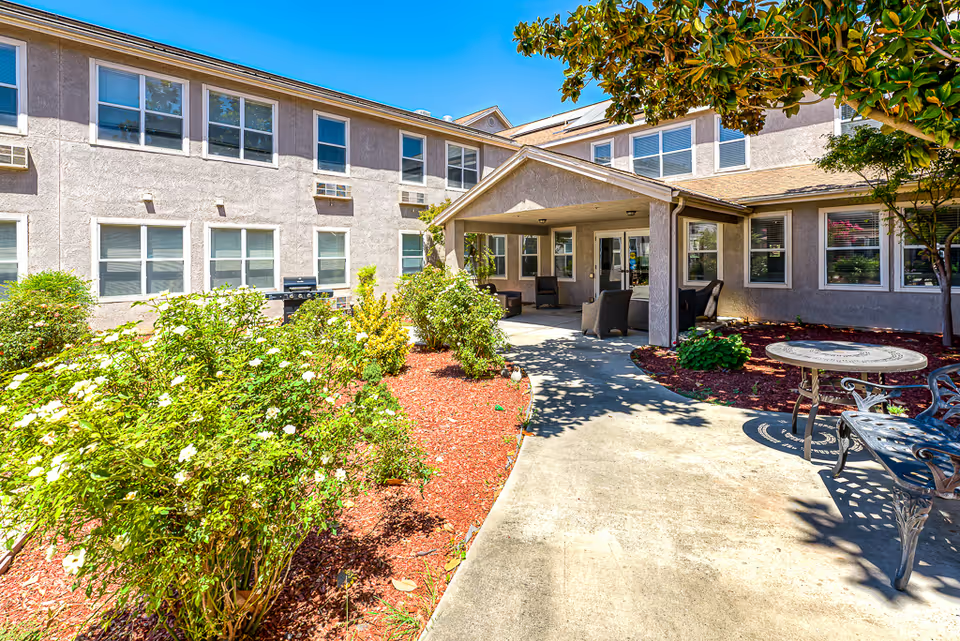
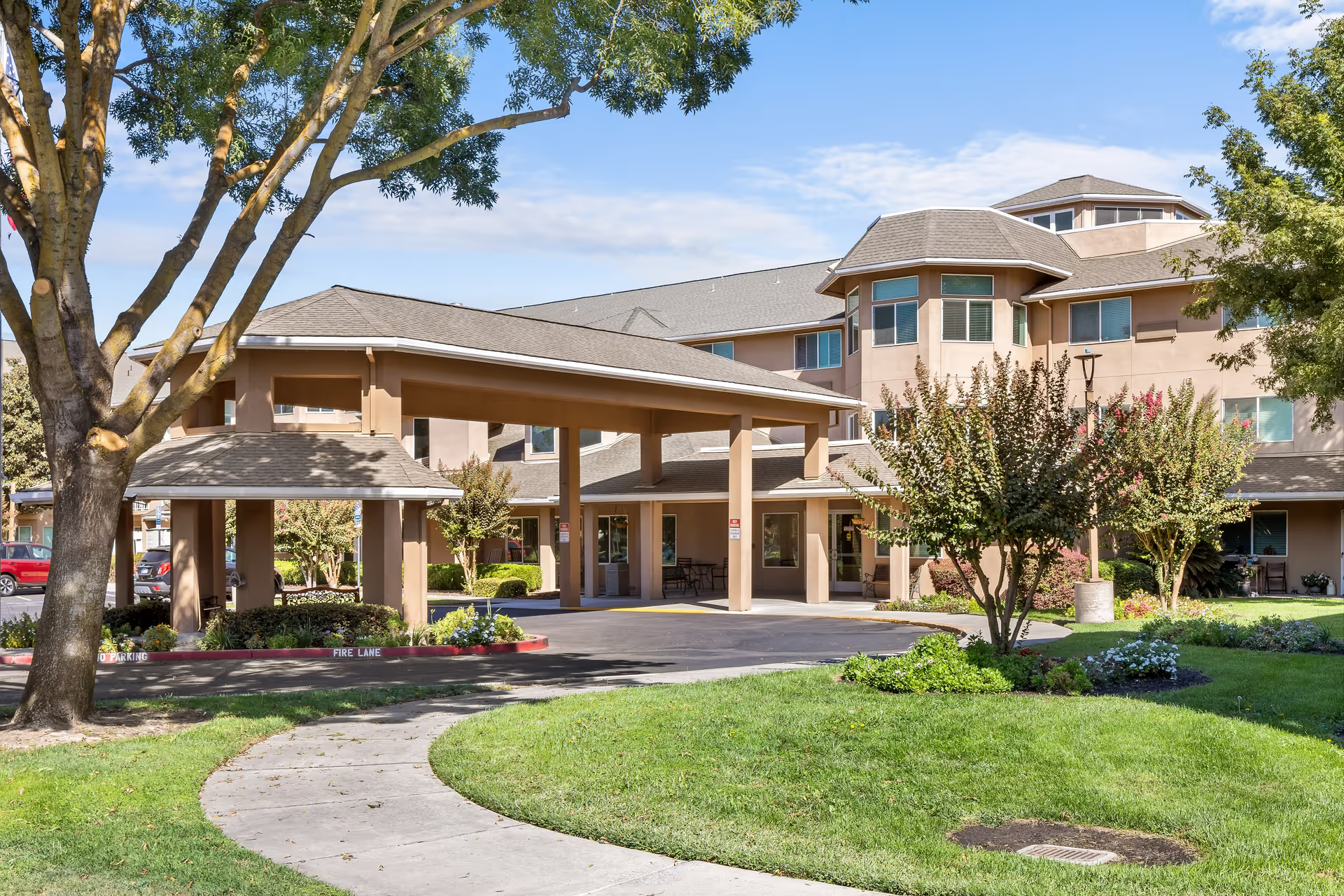
Reviews for Palms Care Center show a sharply mixed picture with clear strengths at the frontline clinical level and recurring operational weaknesses that affect families' experiences. Many families praise the facility’s nursing assistants, nursing staff, and therapy teams for attentive, compassionate care and for focused rehabilitation that helps residents return home. Multiple reviewers commended physical and occupational therapy staff, the kitchen and dining staff for customizable meals, and several described the environment as clean, modern and family-oriented.
Care quality is described variably. Positive accounts emphasize effective therapy, reliable nursing skill, and competent wound care. However, other accounts describe gaps in clinical follow-through — for example, concerns about wound management, hygiene and incontinence-care processes, and delays in escalating clinical issues to hospitals. These contrasting reports suggest inconsistency in clinical performance across units or shifts rather than uniformly high or low clinical standards.
Staff are the most commonly praised aspect: reviewers frequently highlight caring, respectful CNAs and nurses who go above and beyond. At the same time, there are recurring concerns about staff availability, variable empathy or customer-service tone among some staff, and examples of conduct that families found unacceptable; one or two serious individual allegations of hostile or discriminatory behavior were raised. Overall, the pattern is of strong frontline caregivers offset by variability in staff training, conduct, and responsiveness.
Dining and nutrition receive mixed marks. Several families report good food, meal customization, and attentive kitchen staff. Conversely, some reviews raise food-safety and quality concerns, including expired items or poor food quality. That indicates uneven meal-service controls or inconsistent monitoring of kitchen processes.
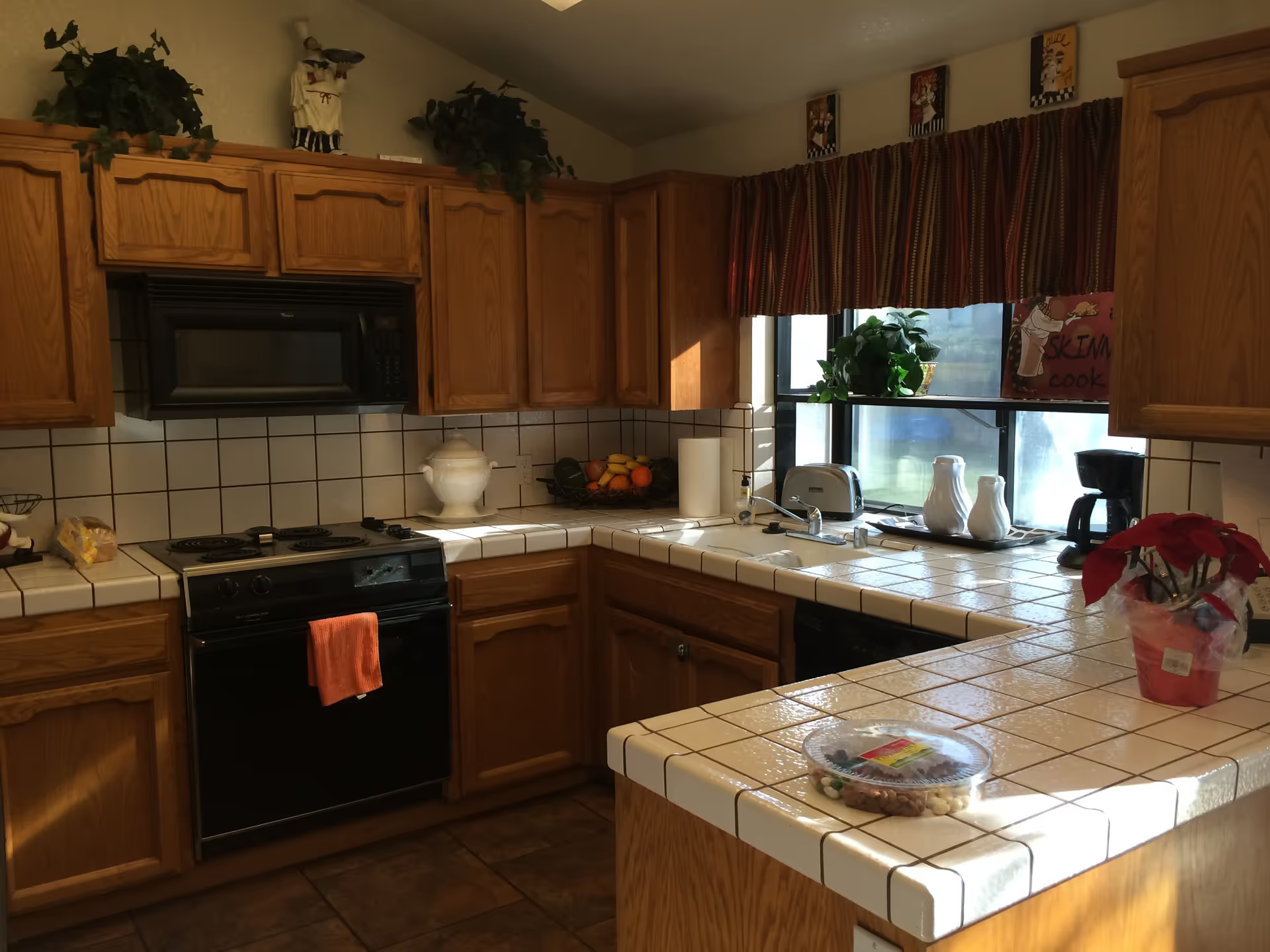
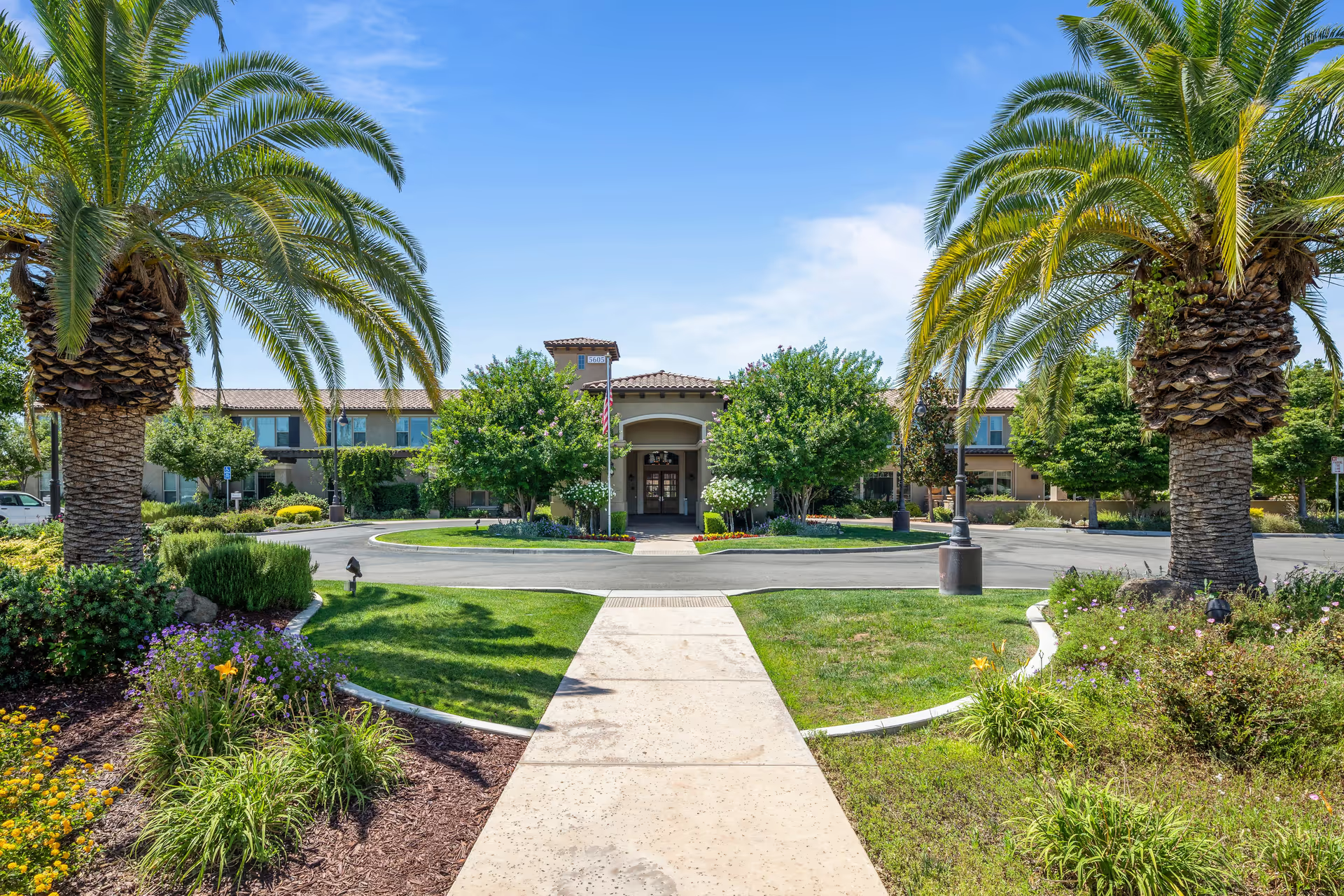
Activities and the social environment are generally present and appreciated in many accounts (activities calendars and engagement were noted), but other families found programming insufficient or not well suited to specific residents. Facility comfort is often described positively — a home-like, clean setting — but there are intermittent reports of sanitation issues in rooms and common areas and of temperature-control problems that affected resident comfort.
Management and administration are another area of division. Several reviewers praised administrators for professional communication and regular family updates. Others described unresponsiveness, ignored complaints, gaps in incident reporting and follow-up, and billing/payment reliability issues (including promised payments or reimbursements not delivered). These operational and communication inconsistencies appear to be a principal driver of negative impressions independent of frontline clinical care.
Notable patterns: there is a consistent contrast between highly praised frontline staff and repeated criticisms of operational consistency (cleaning, food safety, incident reporting, management responsiveness). Prospective residents and families should weigh the facility’s strong therapy and caregiving capabilities against variability in facility operations and administrative follow-through. Where concerns are critical (wound care, sanitation, allegations of hostile conduct, and billing reliability), families may want to seek direct clarification from facility leadership, request current documentation of infection-control/food-safety practices, and observe multiple shifts if possible to assess consistency before making placement decisions.