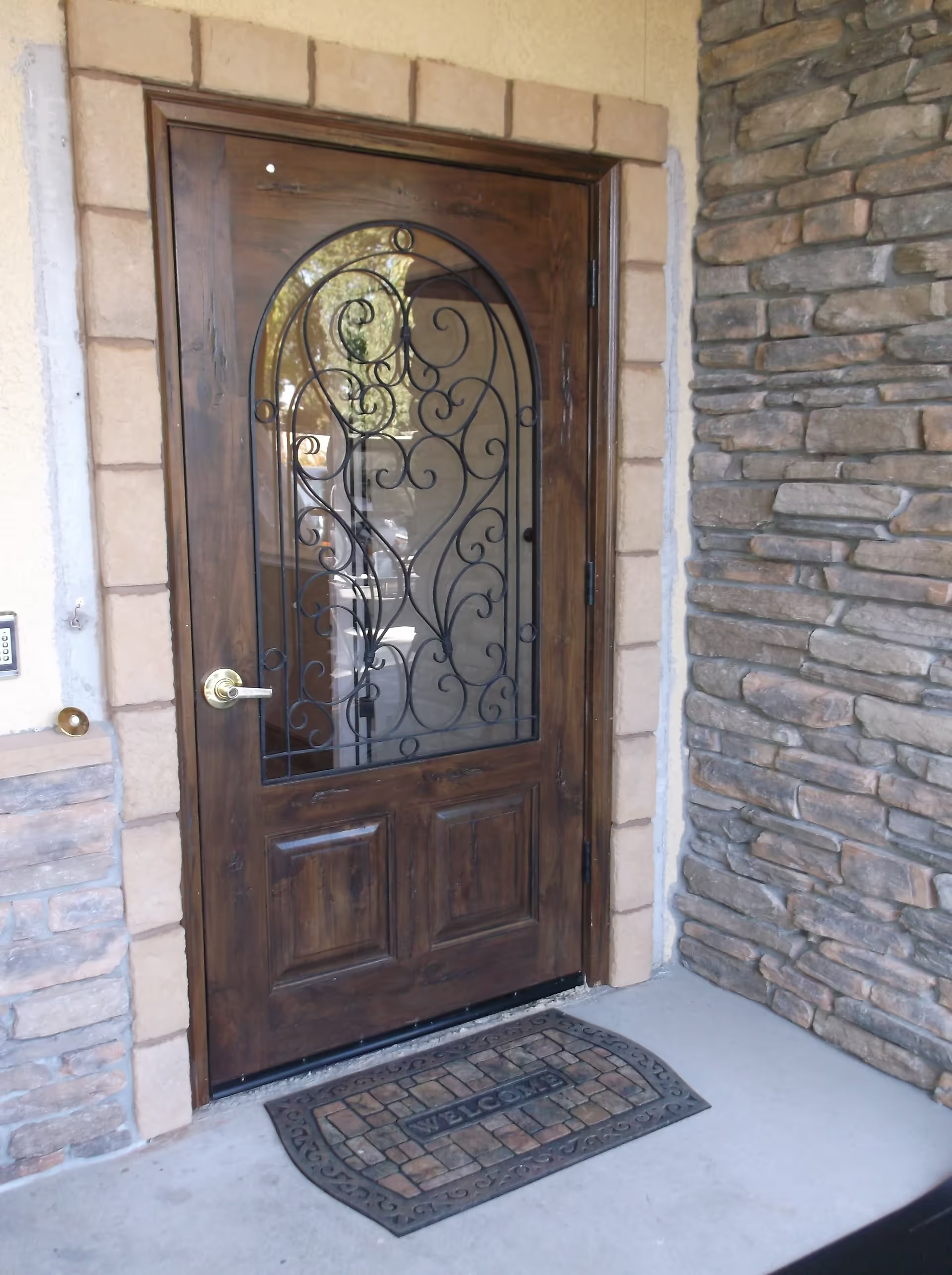
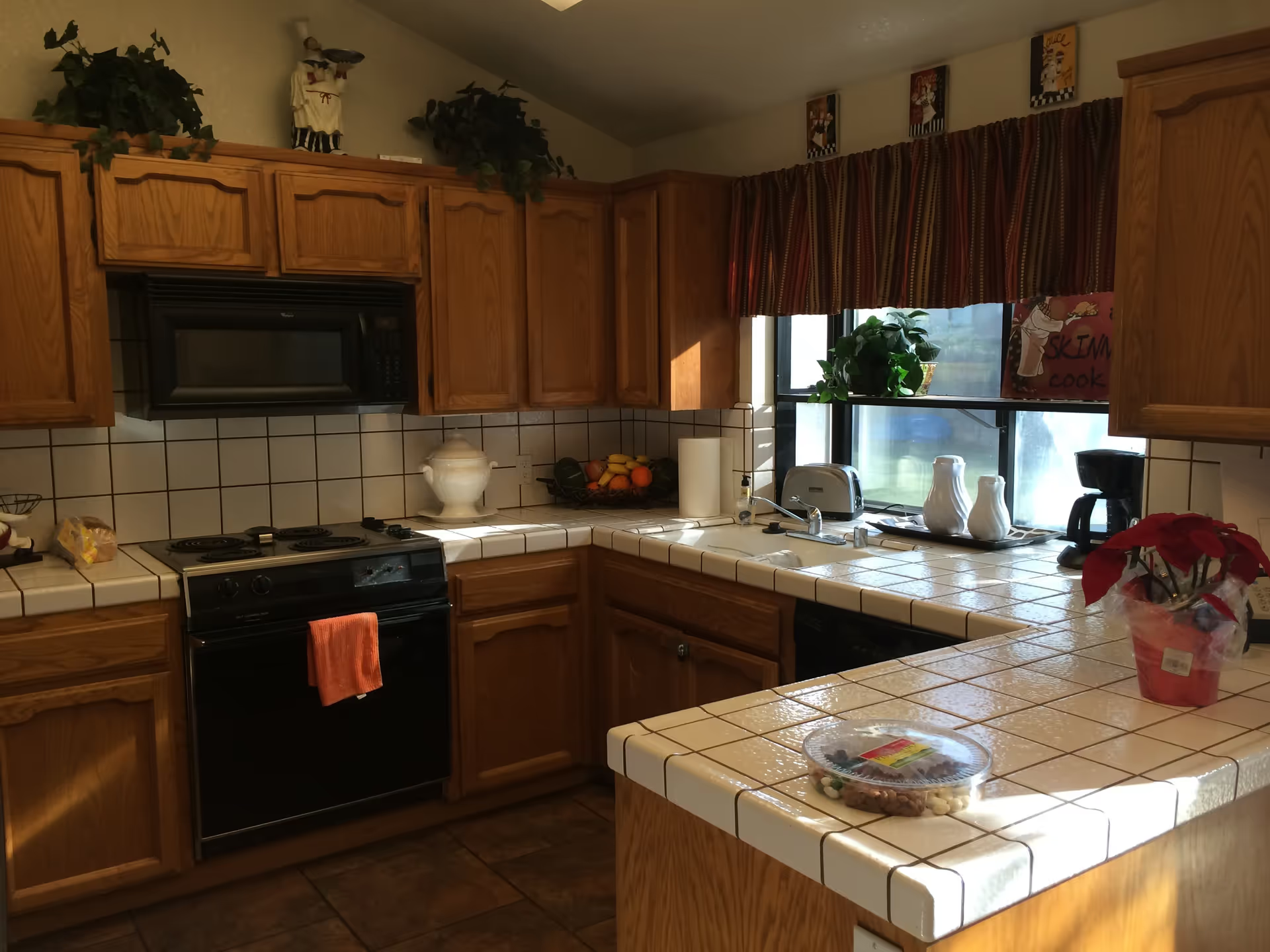
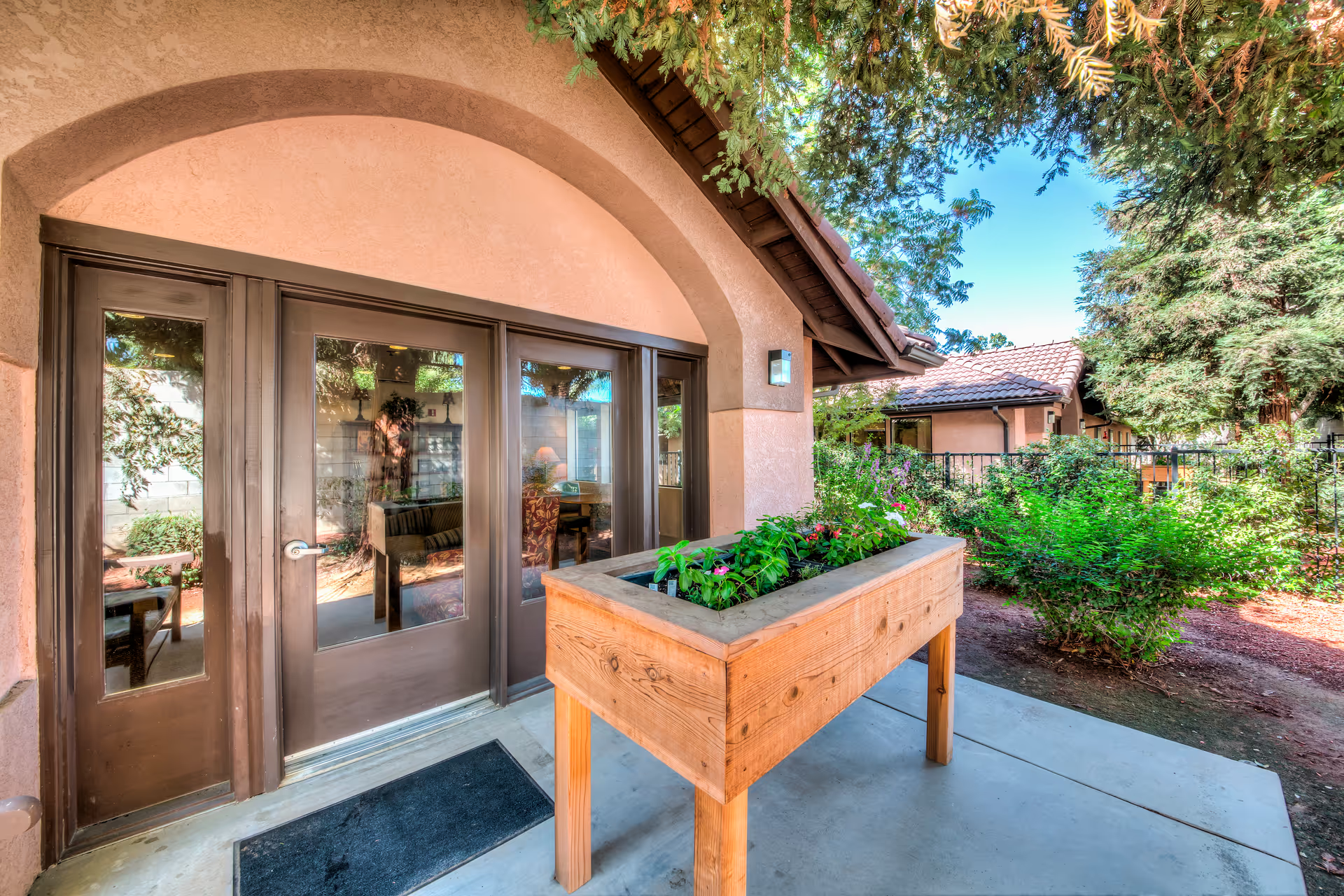
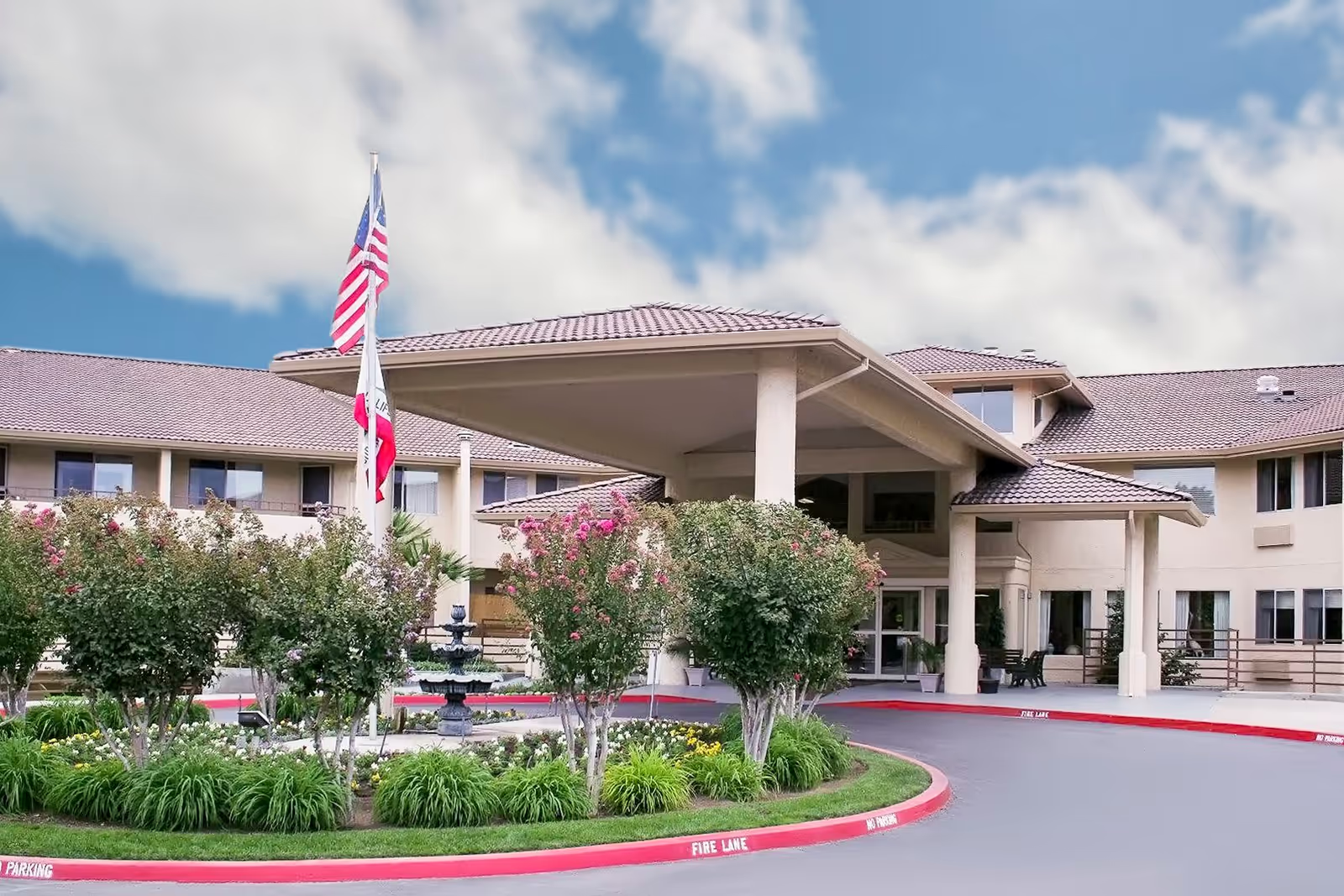
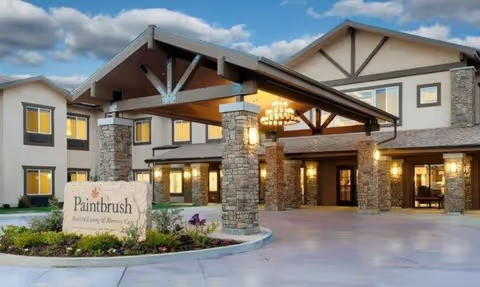
Cedar Creek (Cogir) elicits a broadly mixed but specific pattern of feedback. Strengths cluster around the resident-facing experience: many reviewers praise warm, attentive front-line staff, a responsive admissions/sales leadership, and a generally clean, well-kept campus with attractive grounds, a pool, and comfortable apartment layouts. Dining is frequently described as restaurant-style with chef-prepared meals and multiple dining options, and the facility offers a wide range of activities coordinated by a dedicated activities director — spiritual programming, exercise classes, gardening, and social events are highlighted as strong points. The community also provides multiple care levels (independent living, assisted living, memory care) plus short-term respite and rehab services, and long-term residents and resident-council engagement indicate sustained satisfaction for many families.
Care quality is characterized as good to excellent by numerous families for routine and social care, with several positive notes about medication management, housekeeping, and rehab-to-home transitions. However, there is a recurring operational theme: staffing variability. Memory care and weekend/peak shifts are the most commonly cited pressure points, producing longer response times, perceived declines in hands-on assistance, and occasional service lapses. These staffing challenges are tied to reviewer concerns about clinical oversight and consistency of care plans — families described instances that suggest gaps in continuity when residents change care level or when leadership turnover occurs.
Dining and service reliability show a similar split. While food quality and the dining environment receive strong praise, intermittent meal-delivery issues, missed items, and inconsistent ancillary services (laundry handling, snack availability) were reported as operational weaknesses. Financial transparency and cost are another clear pattern: multiple reviewers flagged high base pricing and additional fees for services that some felt should be included, creating frustration and perceptions of opaque billing. A limited number of reviewers raised serious allegations related to billing practices and clinical decision-making; those comments stand apart from the broader praise and should prompt further inquiry by prospective families.
Facility management and culture are described in mixed terms. Some reviewers commend hands-on management, prompt problem resolution, and visible leadership; others point to perceived management neglect, curt or condescending interactions, and morale issues among staff. This variability appears to correlate with shift and department — families noted differences between day and weekend teams and between front-line caregivers and administrative staff.
For prospective residents and families: Cedar Creek offers many of the attributes sought in an active senior community — strong social programming, attractive amenities, and generally high marks for dining and housekeeping. Prospective residents with higher medical or memory-care needs should perform focused due diligence: ask for staffing ratios at different times of day, observe the memory-care unit at peak hours, request recent staffing and incident logs if available, and get clear, written explanations of fee structures and what services are included. Confirming lines of clinical accountability and documenting expectations for laundry and personal-item handling can help align family expectations with operational realities.