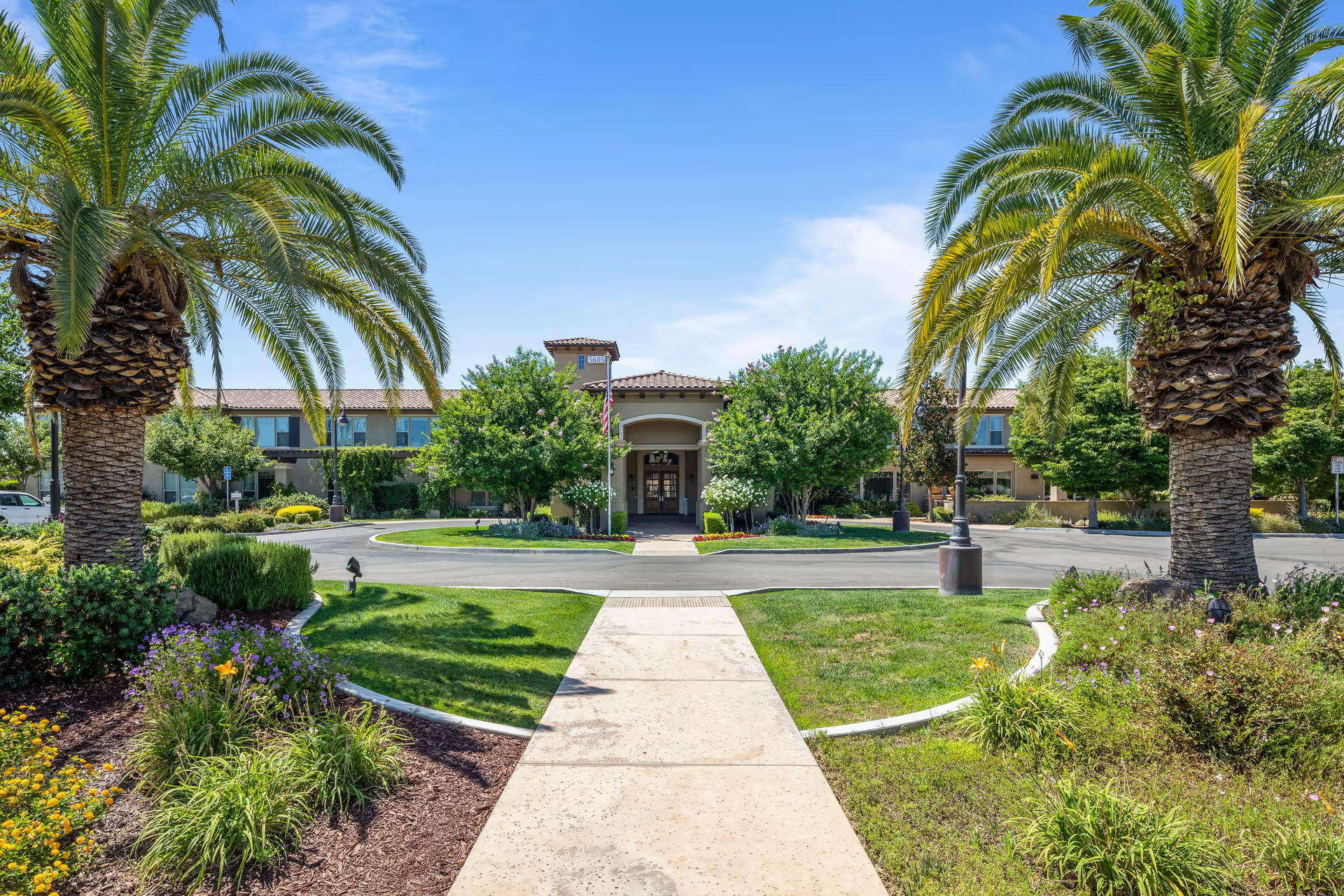
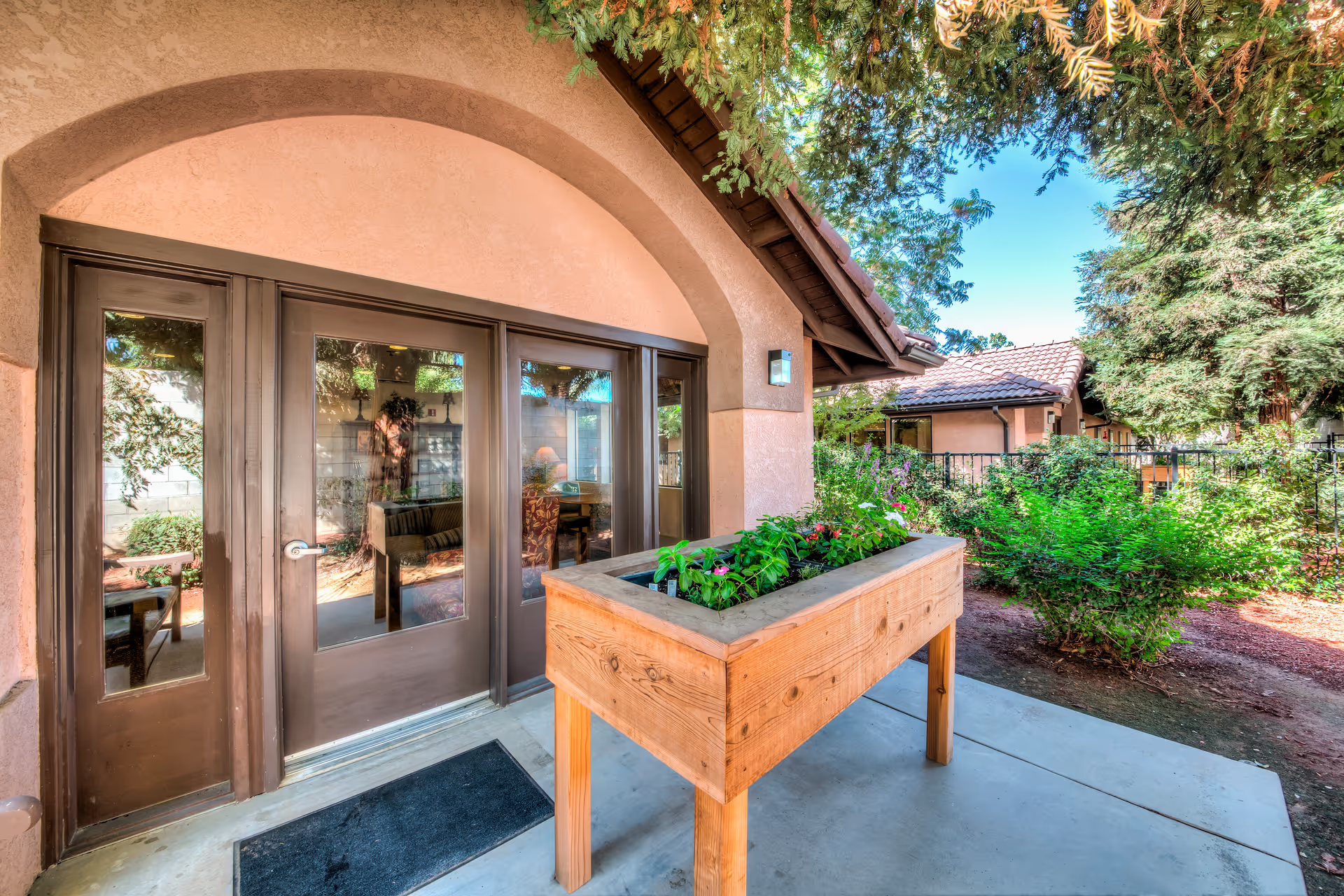
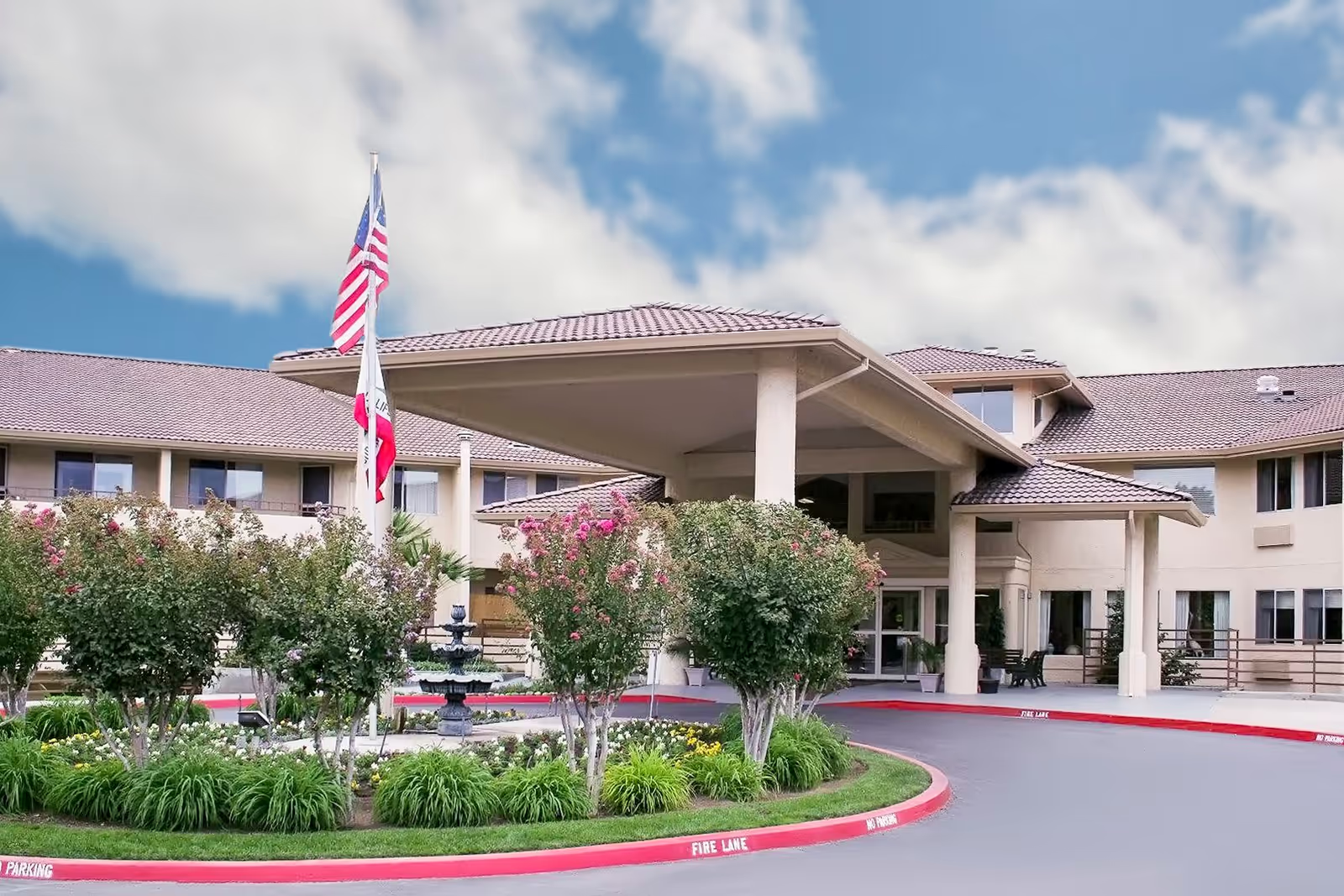
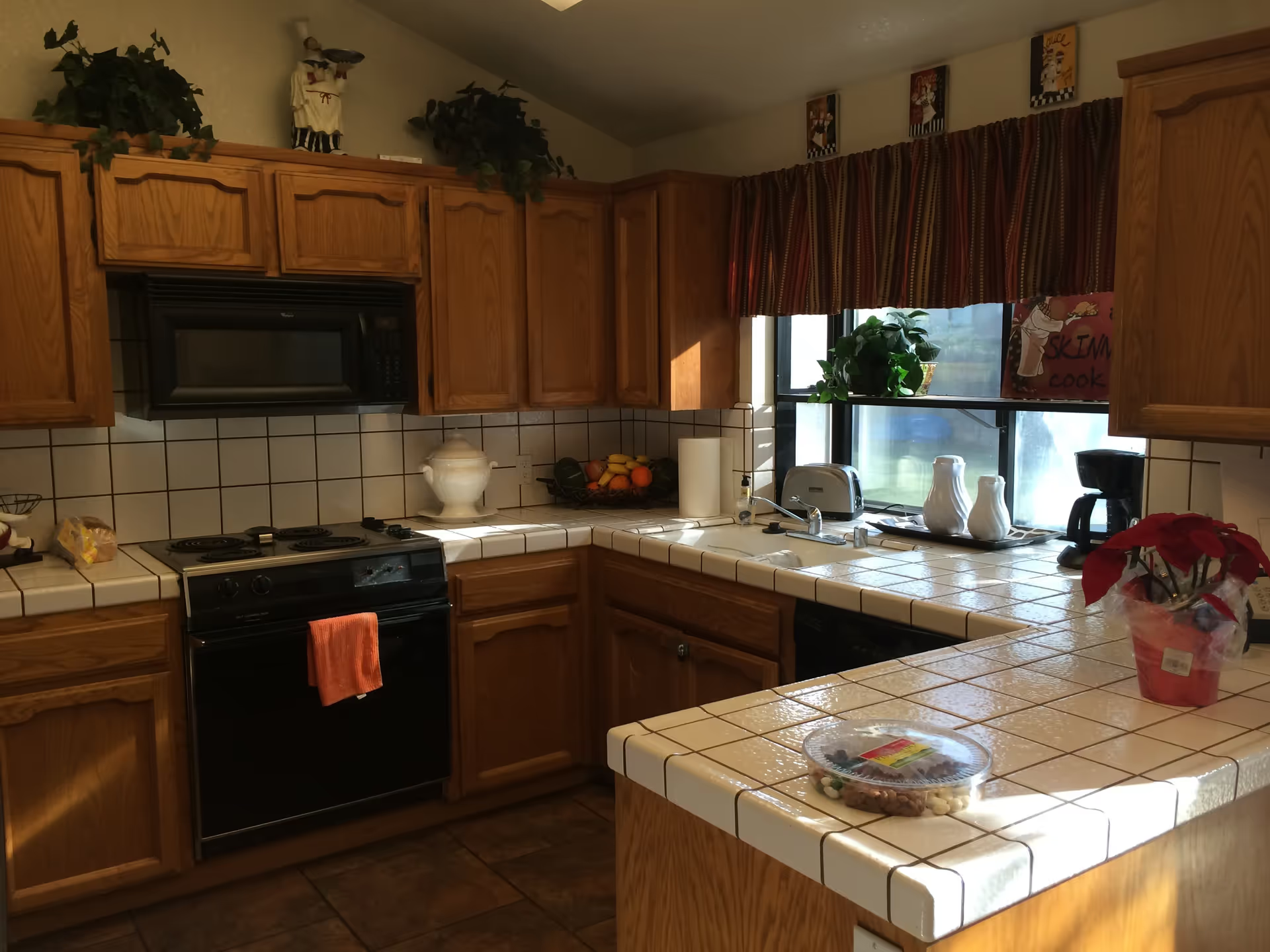
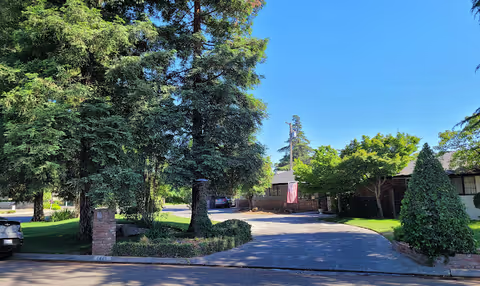
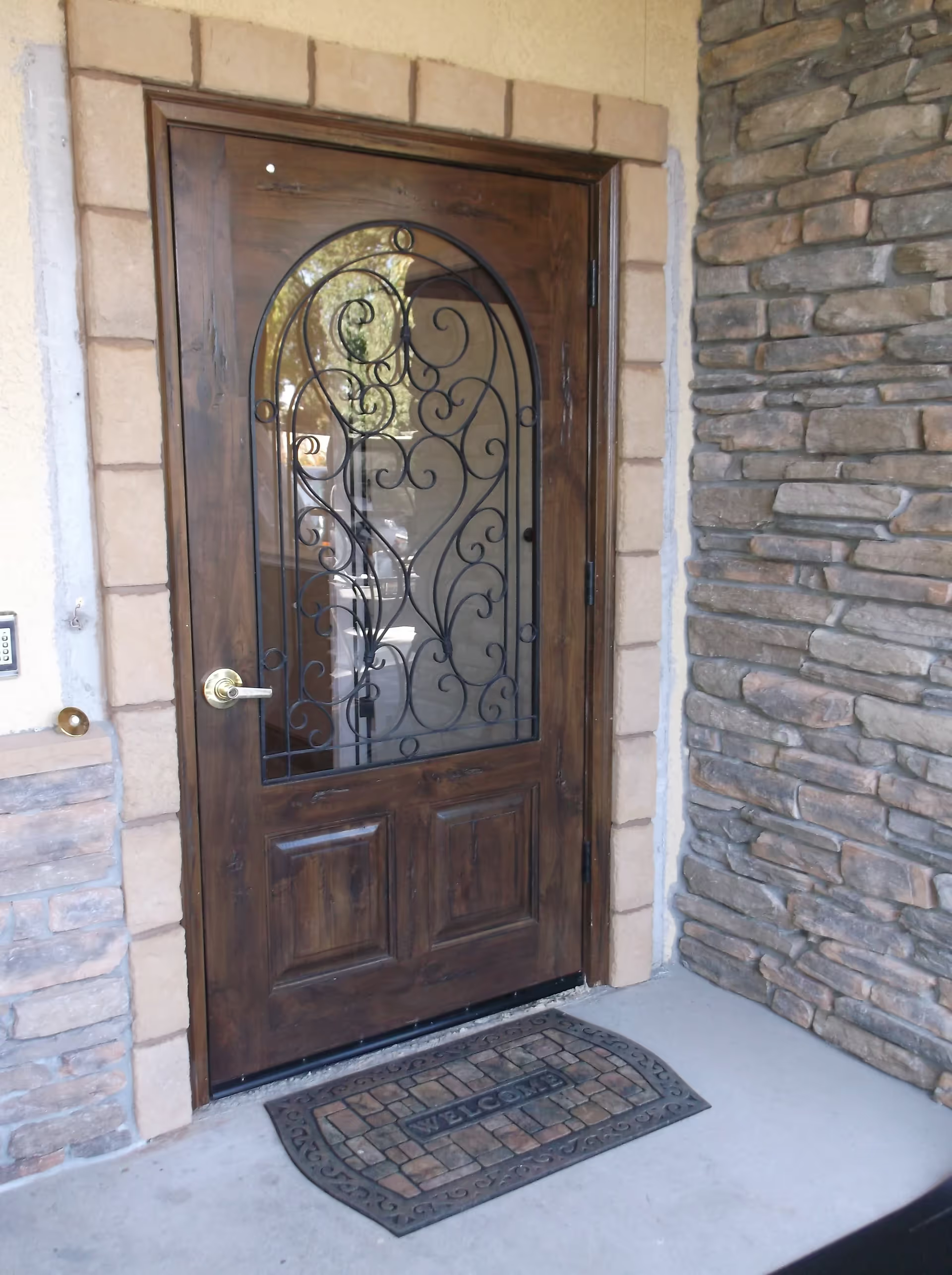
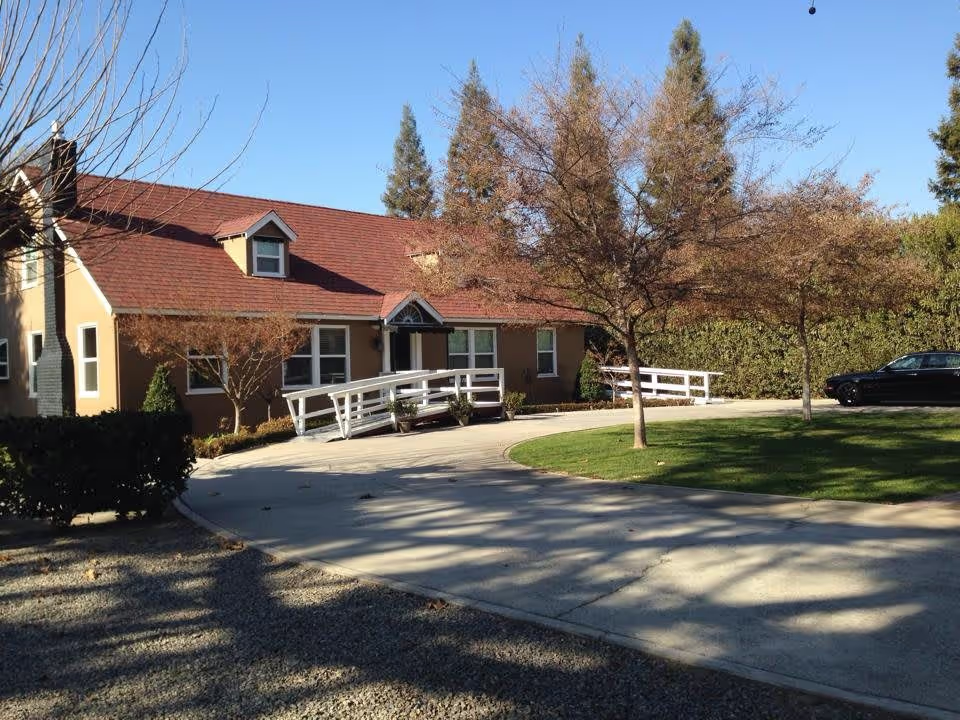
Paintbrush Assisted Living presents as a hospitality-oriented community with strong emphasis on appearance, amenities, and social programming. Reviewers consistently describe a resort-like, well-maintained environment: attractive architecture and landscaping, hotel-style dining rooms, private apartments with large bathrooms or roll-in showers, courtyards and gardens, a dog run, and numerous on-site amenities (theater, fitness room, salon, barista café). These features support an active lifestyle for residents who prioritize aesthetics, pets, and social opportunities.
Staff performance is a central strength in many accounts. Caregivers, activity staff, and individual leaders are frequently described as warm, compassionate, and attentive; specific staff members and the memory-care director receive repeated praise for personalized engagement and for facilitating transitions. The community provides a broad activities slate — live music, happy hours, outings, classes, and themed events — and offers transportation and coordinated care logistics (pharmacy/physician paperwork), which families value for convenience and quality of life.
At the same time, reviews indicate operational inconsistencies that prospective families should evaluate. Staffing levels and turnover are recurring concerns; several families describe variability in coverage and experience gaps when staffing changes occur. Clinical oversight appears limited at times, with comments about no RN on site and uneven supervision of medication processes. Relatedly, some reviewers raised issues around medication storage/administration practices, emergency-preparedness readiness, and nutritional/hydration monitoring, particularly in memory-care cases. Memory-care receives mixed feedback: while some families describe life-changing, compassionate care and strong programming, others cite variability in staff training and supervision, weight-loss and hydration concerns, and delayed responses to clinical changes.
Dining is generally a selling point, with many noting restaurant-quality meals, varied menus, and flexible dining options; however, there are repeated notes of inconsistent portion sizes and occasional blandness attributed to budget constraints. Activity programming is robust during daytime hours for many residents, but evenings and periods following staff turnover or leadership changes may show reduced offerings. Communication and administrative follow-up also vary — tours and admissions experiences are often positive, but some families report inconsistent follow-up, phone responsiveness issues, and complex billing or extra-fee practices.
In summary, Paintbrush is attractive for families seeking a hospitality-focused community with strong social programming, appealing physical spaces, and generally compassionate staff. However, prospective residents and their families should conduct targeted due diligence on operational elements that surfaced repeatedly: confirm typical staffing levels and RN availability, review medication-handling and emergency protocols, assess memory-care staff training and oversight, verify door-security and wander-prevention measures, and obtain a clear, itemized explanation of fees and contract terms. Those checks will help determine whether the community’s hospitality strengths align with the medical and safety needs of a particular resident.