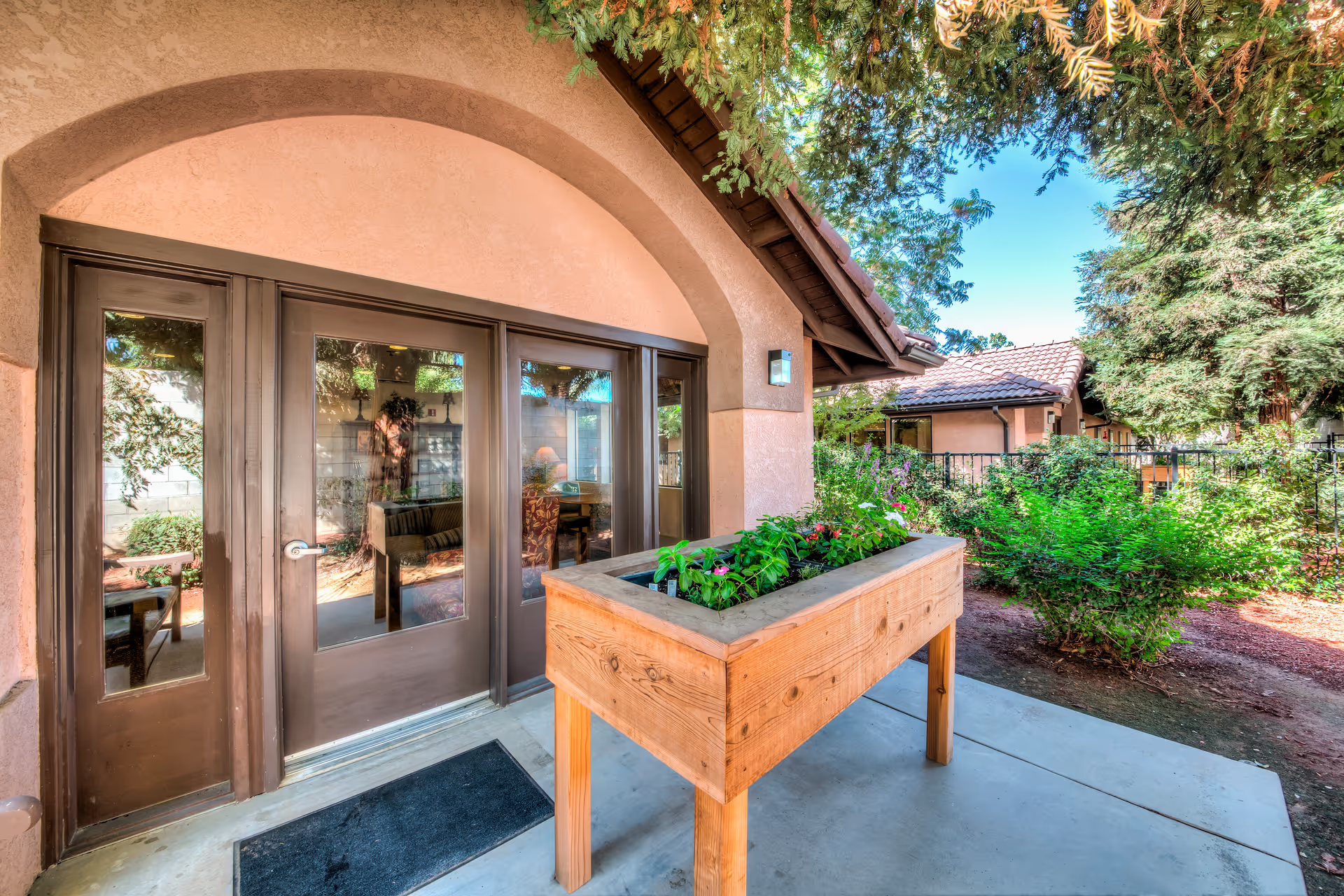
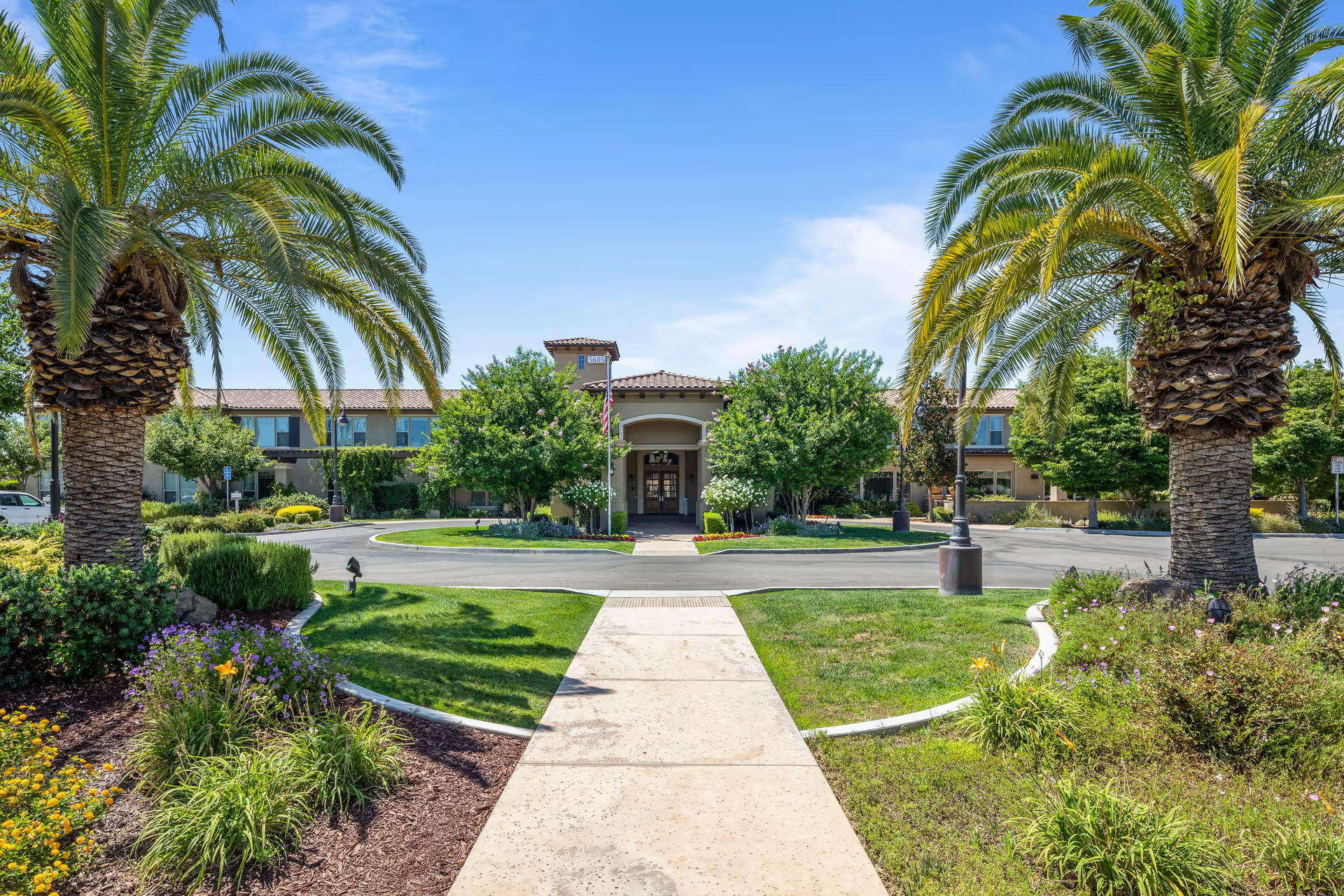
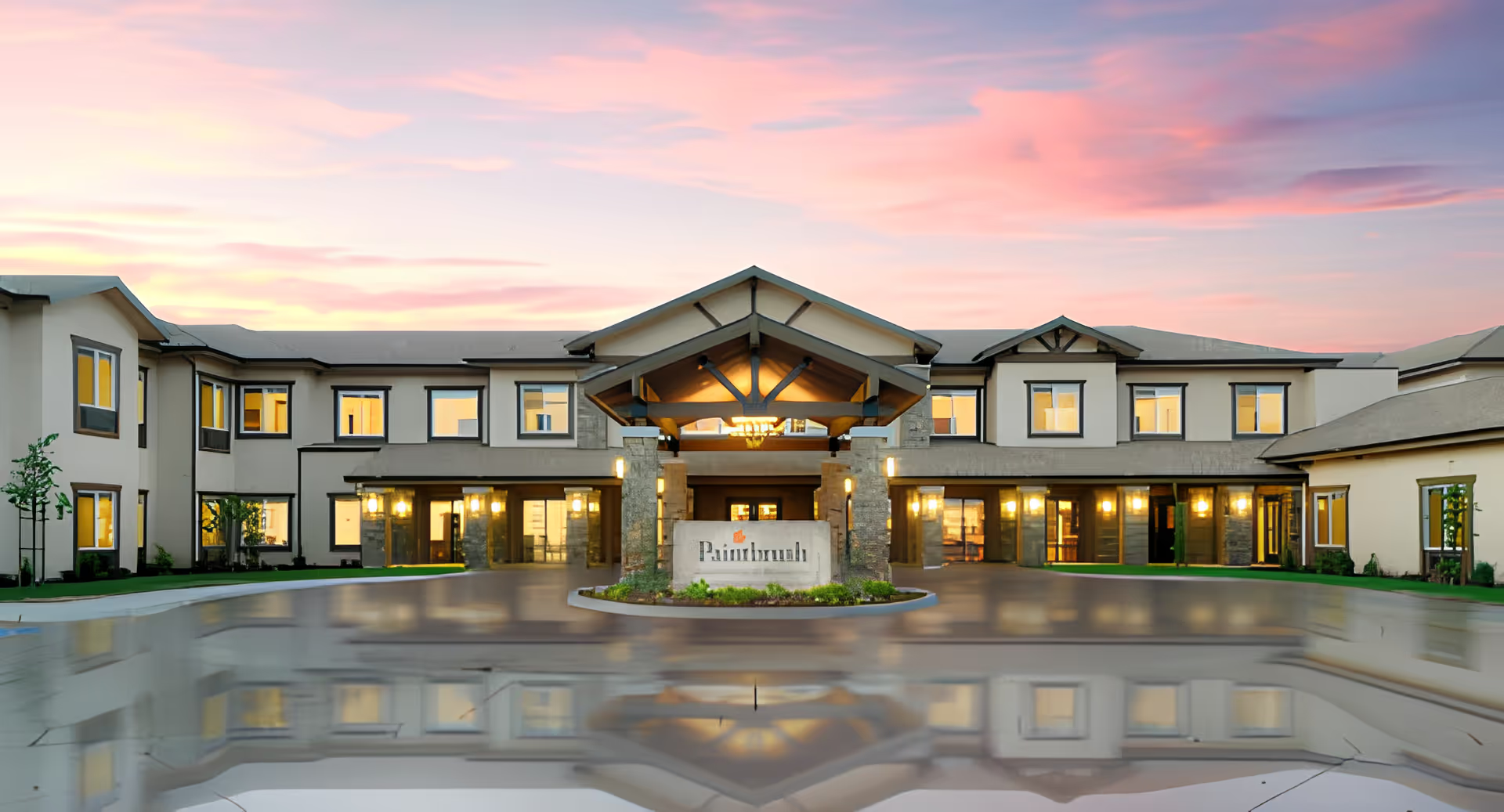
Truewood by Merrill, Fig Garden is presented in reviews as a community with many strengths for independently mobile older adults. The most consistent positives relate to staff and community life: reviewers frequently describe staff as compassionate, attentive, and engaged, with long-tenured employees and hands-on managers cited by multiple families. Residents benefit from a social atmosphere and a robust activities program (bingo, arts, Bible study, painting, cards, outings), a controlled-access building, active common spaces, and outdoor walking areas that contribute to a sense of safety and neighborhood. On-site amenities such as laundry services, transportation/shuttle, life-alert systems, and regular housekeeping and linen service add practical support for residents and families.
Dining and daily living services are a mixed but important area. Many reviewers praise the three-meal program, nutritious offerings, chef engagement, and meal delivery options implemented during COVID. At the same time, several accounts point to inconsistent meal quality, limited menu variety, and occasional service lapses (cold delivered meals, missing items, desserts not available). Prospective residents should weigh the generally positive nutritional focus and daily-meal structure against variability in menu choice and service continuity.
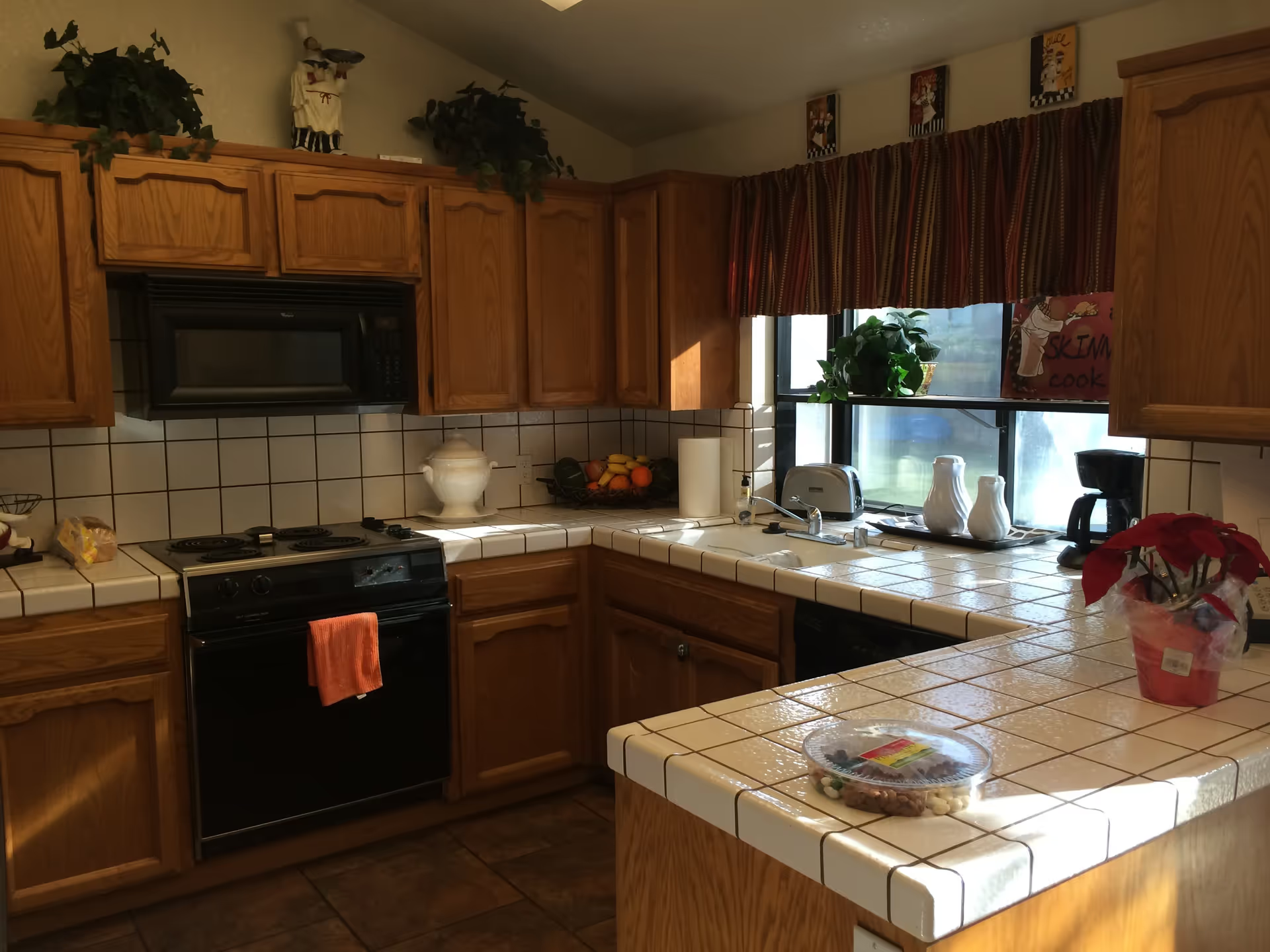
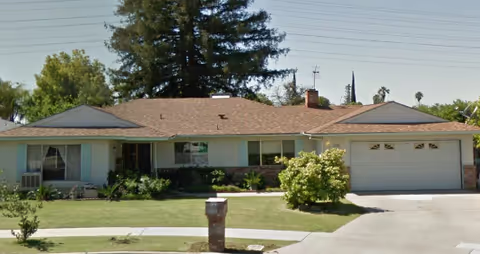
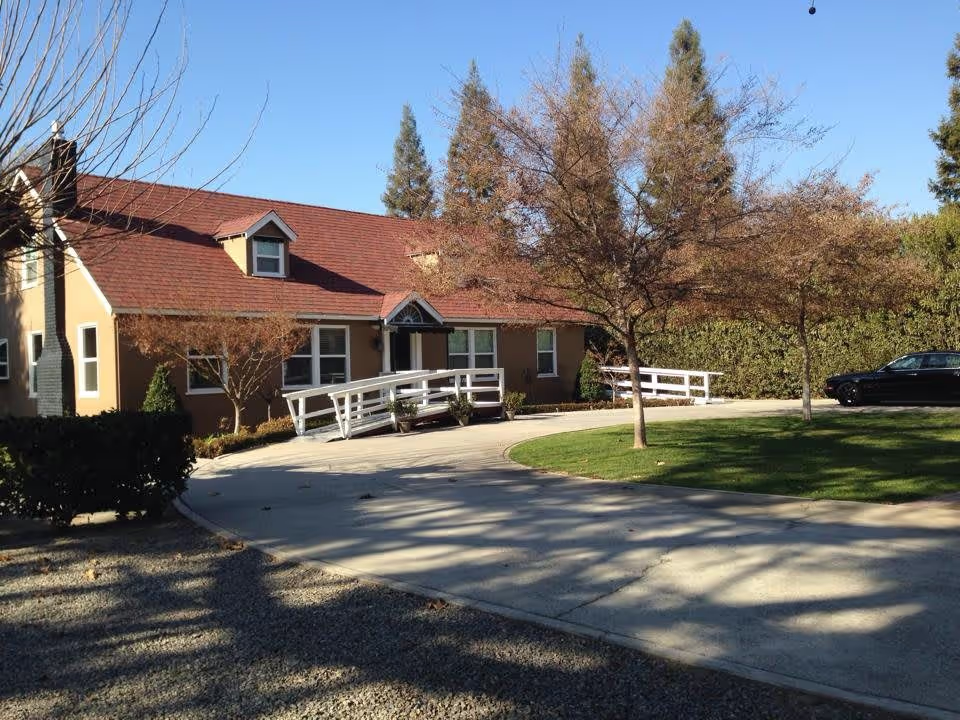
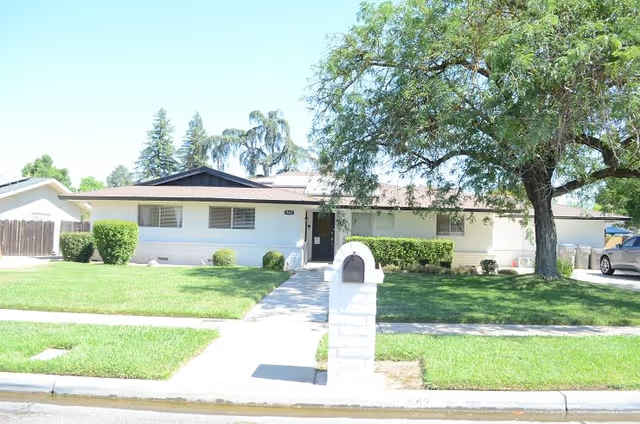
The physical plant and maintenance profile show both strengths and limitations. Grounds and landscaping are widely appreciated and the maintenance team is often described as responsive, but multiple reviewers also reference dated apartment finishes, worn carpeting, and periodic exterior-maintenance or sanitation concerns. Ongoing remodeling and upgrades are mentioned in some comments; however, the facility overall reads as older with selective improvements rather than fully modernized units throughout.
Operationally, the community functions well for residents who are largely independent. Several reviewers emphasize that Fig Garden is not a skilled-nursing or high-acuity care setting: clinical services are limited and families often arrange external in-home care when needs increase. Staffing stability is generally seen as a strength, yet reviews also document occasional staffing vacancies that interrupt activities and create lapses in service. Related themes include concerns about staff responsiveness and accountability in a few cases, plus isolated allegations of managerial favoritism or insufficient follow-up. These are not uniformly reported but are salient enough that families should clarify supervision, emergency response protocols, and staffing levels during tours.
Administrative and policy patterns bear attention. Positive accounts note accessible management, fast move-in transitions, and helpful admissions staff; contrasting accounts raise issues with billing, unclear pricing or offers, annual rent increases, and administrative communication breakdowns (move-out instructions, invoice disputes). Pet policy implementation is inconsistent in practice: while the community markets itself as pet-friendly, some residents encountered limitations or unmet expectations. Lastly, the COVID-19 period changed service delivery (room service, dining restrictions, paused activities), and some reviewers felt the community handled precautions well while others experienced service disruptions during that time.
Recommendation guidance: Truewood by Merrill, Fig Garden appears to be a good fit for active, largely independent seniors who value social programming, regular meals, housekeeping, and a community-oriented staff. Families seeking a setting with on-site clinical care for progressing medical needs should assess alternatives or confirm how external care is coordinated. During visits, prospective residents and decision-makers should inspect unit finishes and common-area upkeep, clarify current activity and staffing levels, verify pet-accommodation details if applicable, and obtain clear written information about fees, renewal increases, and billing practices.