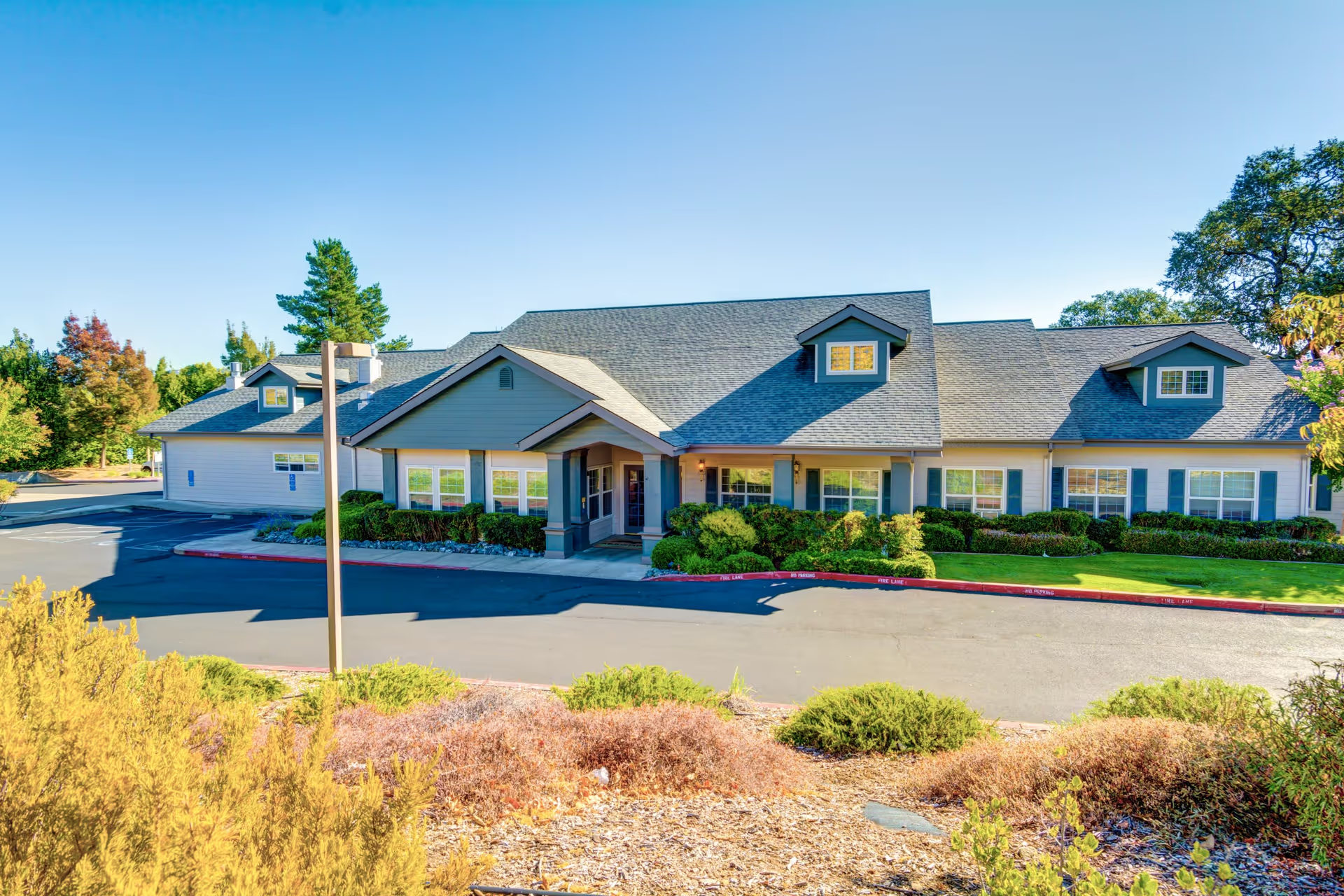
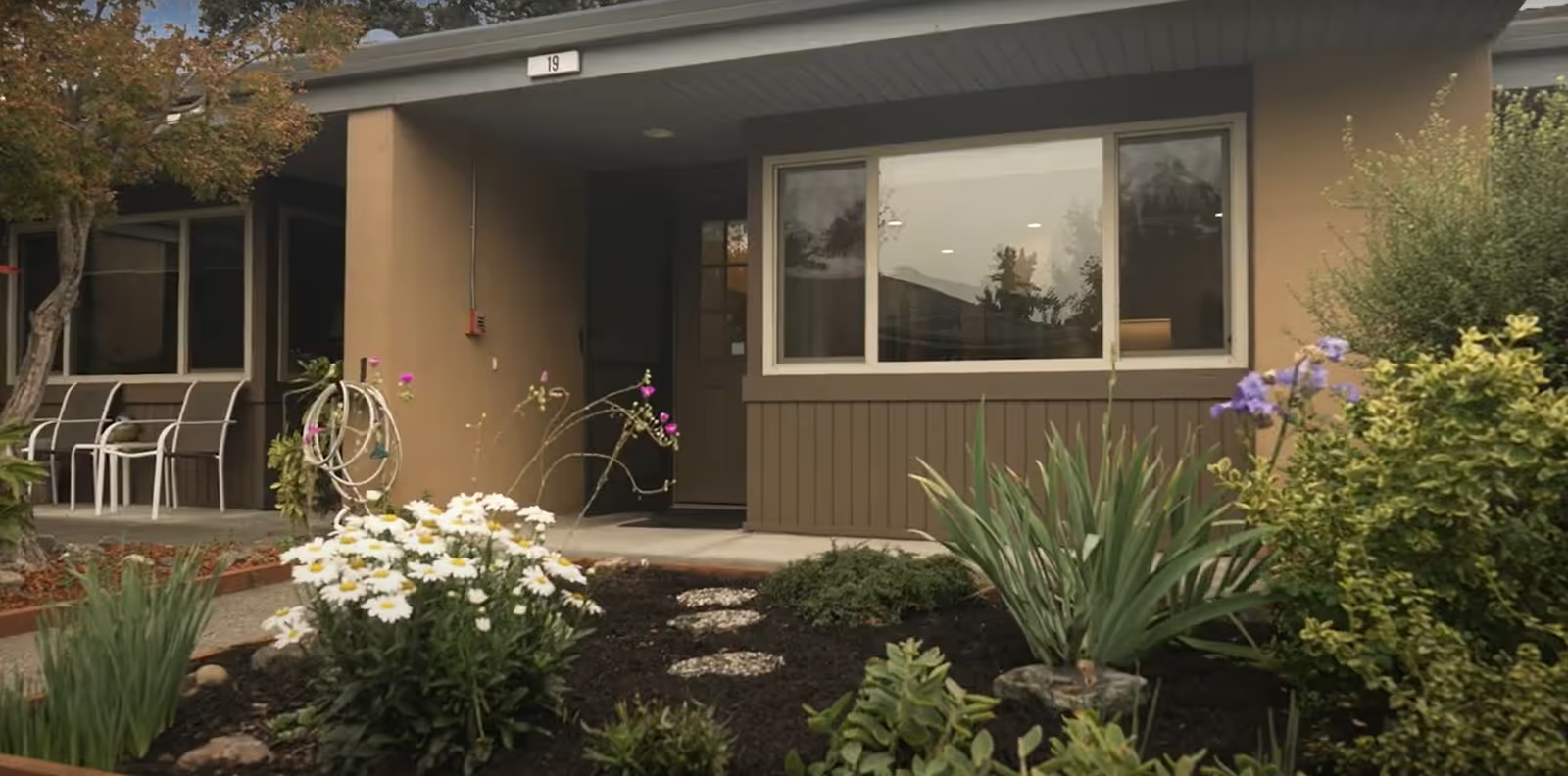
Overall impression: Reviews portray Orchard Park Senior Living Community as a well-kept, home-like facility with consistently positive caregiver interactions and a strong emphasis on resident-centered, team-based care. Families frequently describe staff as compassionate, attentive and proactive in communicating about resident status. The community’s smaller scale, hotel-like décor, private apartments with kitchenettes and private bathrooms, and multiple shared spaces (cozy living room, large activity room, private dining) contribute to a welcoming environment that many residents and families find comfortable and personal.
Care and staff: The dominant theme is positive staff performance. Reviewers highlight nurses, aides and activities staff as caring, cheerful, and responsive; many note individualized attention, one-on-one interactions, and good teamwork across departments. Hospice and end-of-life support are described as handled professionally. At the same time, several accounts point to variability in staffing levels and occasional delays in responsiveness, suggesting that day-to-day timeliness of care can depend on staffing availability.
Dining: Dining is generally viewed favorably — three hot meals daily, appealing menu items, private and communal dining areas, and the ability to dine with other residents. Multiple families praised the food variety and presentation. Conversely, there are intermittent comments about blandness or inconsistent flavor quality, indicating that dining satisfaction may vary by meal or over time.
Activities and memory care: The community offers an active calendar, outings, special events, and amenities such as a beauty salon, game room, and garden spaces. These elements support social engagement for many residents. However, memory-care programming appears uneven: reviewers specifically mention limited activity engagement in memory-care units and gaps when the activities director is absent. Secure outdoor spaces and a memory-care garden are positive features, but program consistency for residents with cognitive impairment is a noted operational gap.
Facilities and housekeeping: Physical facilities receive strong marks for decoration, cleanliness, upkeep, and pleasant grounds. Housekeeping and maintenance are often described as reliable and thorough. That said, a minority of accounts describe variability in cleanliness or sanitation between units, indicating that standards may not be uniformly applied at all times.
Management and administration: Administrative strengths include coordinated interdisciplinary care and proactive family updates in many cases. Recurrent administrative concerns focus on billing and financial administration: families report unexpected charges, ongoing bills after move-out, and slow resolution of accounting issues. Communication from administrative or financial staff is described as slow or disorganized in some reviews. Additionally, there are reports of property-management gaps (missing personal items, laundry issues) and a perception of restrictive admissions policies that limit accommodation when residents refuse care or certain services.
Notable patterns and guidance for prospective families: The overall tenor of reviews is positive, with strong praise for staff compassion, facility quality, and the social environment. Patterns of concern concentrate on operational areas: billing/financial administration, consistency of memory-care programming, occasional staffing shortfalls, and property-management processes. Prospective residents and families may want to verify current staffing levels, ask about memory-care activity schedules and backups for activity-staff absences, review billing and move-out procedures in writing, and clarify inventory/laundry policies to reduce the likelihood of administrative or property issues.