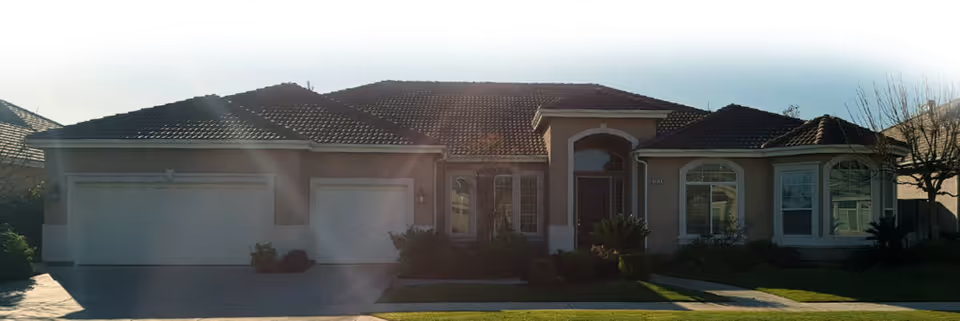
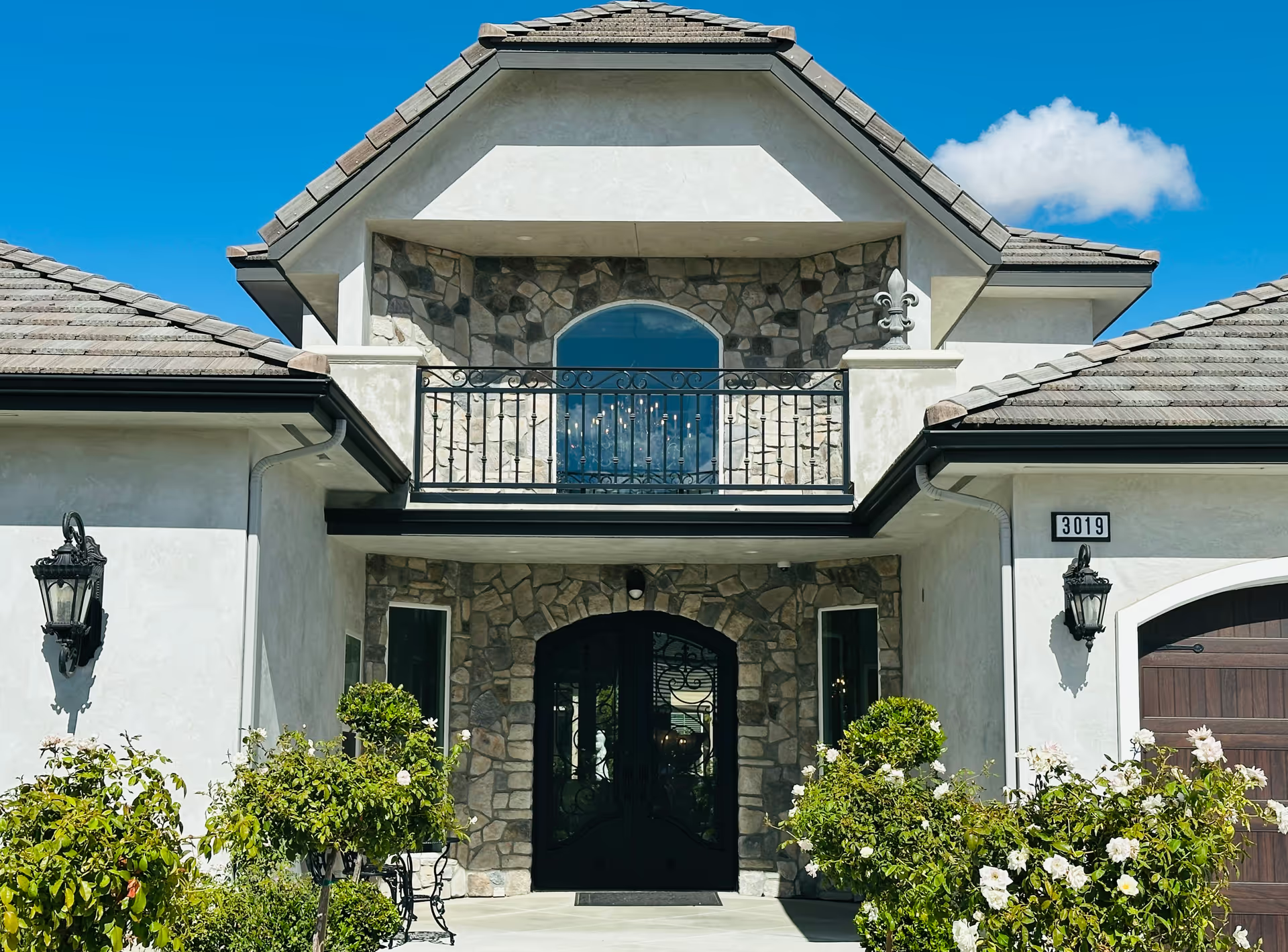
The reviews present a consistently positive view of A Place Called Home the Castillo, with recurring praise for staff, leadership, dining, activities and the physical environment. Reviewers emphasize attentive, compassionate caregiving delivered by professional and friendly caregivers; leadership is described as engaged and well-run. Facility cleanliness and thoughtful interior design are highlighted repeatedly, and the atmosphere is characterized as welcoming and respectful.
Care quality and staff: The dominant theme is reliable, compassionate hands-on care. Reviewers note attentive and hardworking caregivers and describe interactions between staff and residents as respectful and family-like. Leadership presence and operational oversight are presented as strengths that support consistent care delivery. While the commentary indicates strong day-to-day resident interactions and good clinical attention, public feedback offers limited specifics about formal staffing ratios, skill-mix, or clinical governance processes.
Dining and activities: Dining is a clear positive in the dataset; meals are described as flavorful and satisfying. Planned activities are mentioned as regularly provided and contributing to an engaging atmosphere. These points suggest a structured lifestyle program and kitchen operation that meet resident expectations for social and culinary needs.
Facilities and management: The facility is described as clean, well-maintained and thoughtfully laid out, which supports mobility and comfort. Management receives favorable mention for running the community well and creating a welcoming environment. The convergence of cleanliness, design and active management suggests attention to both physical plant and resident experience.
Notable patterns and limitations: The available summaries are uniformly positive, which makes operational strengths easy to identify but leaves some gaps. There is limited public information regarding specialized services (for example, memory-care programming), detailed medication-management protocols, and after-hours or weekend staffing levels. Because critical feedback is sparse, prospective families may have limited benchmarking data on areas such as clinical incident response, staffing adequacy during off shifts, and formal care-plan coordination. These gaps do not contradict the strong positives identified, but they are areas to clarify directly with facility leadership during a visit or intake conversation.