Overall impression: Reviews of Willow Creek Healthcare Center are strongly polarized. Many families and patients describe excellent rehabilitation outcomes, attentive front‑desk and activity teams, and individual caregivers who provided compassionate, personalized care. At the same time, a substantial subset of reviews describe operational and clinical problems that affected safety, comfort, and family confidence.
Care quality and clinical management: The facility receives frequent praise for its therapy services (physical and occupational therapy) and for successful short‑stay rehabilitation outcomes, including measurable mobility gains. Several caregivers and nurses are singled out for exceptional bedside care. Conversely, recurring clinical concerns include delayed or missed medication administration, inconsistent wound and dressing care, inadequate incontinence management, and fall‑risk control lapses. There are multiple statements indicating problems with documentation and incident follow‑up; a small number of reviews make serious allegations about clinical events and medication handling. Families should be aware of both the facility’s demonstrated rehabilitation strengths and these reported clinical variability issues.
Staff and responsiveness: Staffing appears uneven by shift and unit. Receptionists, admissions personnel, social workers, and some CNAs and therapists are frequently described as welcoming, helpful, and proactive. However, reviewers also describe variable nursing responsiveness, long waits on call lights, and inconsistent phone or managerial follow‑up. Night shifts and certain units are mentioned more often as slower to respond. Communication tone and professionalism are reported as variable — sometimes respectful and communicative, other times brusque or unresponsive.
Dining and nutrition: Comments on food are mixed. Some families praise accommodating dining staff and specific meal responsiveness, while others report poor meal quality, inadequate portioning, and failures to consistently honor dietary restrictions. A few reviews describe notable unintended weight loss or appetite decline during stays, highlighting the need to monitor nutrition closely in higher‑risk residents.
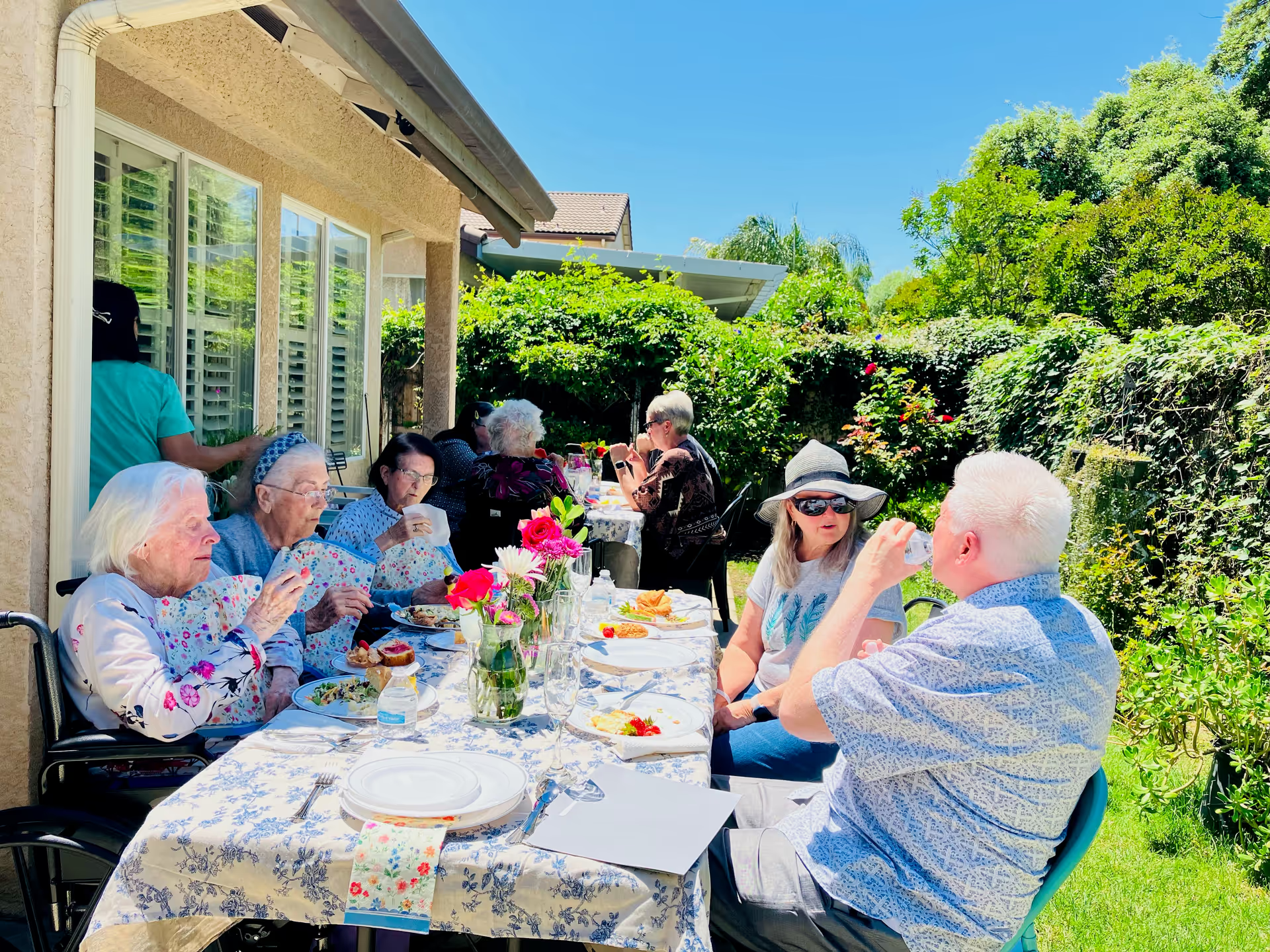
Activities and social programs: Activity programming is generally viewed positively. Families note engaging activities, annual events, and a community atmosphere that supports socialization and emotional well‑being. Therapy staff are also reported to integrate activities and motivate residents toward mobility goals.
Facilities, maintenance, and sanitation: The physical environment draws mixed feedback. Many reviewers say common areas and grounds are well kept and pleasant. Others report maintenance issues (broken beds, nonfunctional TVs/call systems, dresser drawers that do not open, inconsistent air‑conditioning) and specific sanitation concerns in some rooms or bathrooms that required remediation. Pest‑control concerns and odors are referenced in a subset of reports. These comments suggest variability in maintenance and environmental controls across the building.
Management and administrative follow‑through: Administrative performance is described as inconsistent. Some families praise proactive, communicative leaders who resolve problems; others report slow or absent managerial responses to safety, property, billing, and clinical concerns. There are repeated mentions of problems with personal‑property tracking and returns, as well as confusion around post‑admission testing or isolation procedures during infectious‑disease events.
Notable patterns and considerations for families: The dominant pattern is variability — strong rehabilitation and standout staff can coexist with operational weaknesses on other shifts or in certain units. Recurring themes are understaffing, medication/timing issues, gaps in basic hygiene/incontinence care, room‑level maintenance and sanitation variability, and inconsistent family communication. A small number of reviews raise serious clinical allegations and concerns following resident outcomes; those reports warrant particular attention and, if relevant, verification through regulatory records or direct questioning.
Practical takeaway: Prospective residents and families are likely to encounter either a positive, therapy‑focused experience or significant operational challenges depending on unit, shift, and timing. When evaluating Willow Creek, ask about current staffing ratios, medication administration protocols, incident‑reporting and documentation processes, infection‑control policies, property‑management procedures, and how complaints are escalated and resolved. Touring the specific unit, speaking directly with therapy, nursing leadership, and social services, and checking recent regulatory or inspection records can help clarify whether the facility’s strengths align with a given resident’s needs.