Overall impression: The reviews portray a facility with pronounced variability in resident experience. Many families and patients describe high-quality care driven by committed, long-tenured clinical and therapy staff; others report operational weaknesses that materially affect safety, comfort, and continuity of care. The result is a polarized profile in which outcomes and satisfaction appear to depend heavily on specific staff, shifts, and units.
Care quality and clinical oversight: There are repeated accounts of excellent clinical care—especially strong therapy services (PT/OT/Speech), attentive nurses, and effective discharge planning and case management. At the same time, multiple accounts describe inconsistent medication administration, limited physician presence beyond initial assessment, and delays in responding to acute changes in condition. Reviewers raised substantive clinical-safety concerns (for example, problems with glucose management, delayed post-fall response, and delays in arranging timely medical evaluation) that suggest variability in clinical protocols and escalation practices.
Staff and culture: A sizable number of reviews praise compassionate, respectful CNAs and nursing staff, naming specific caregivers and noting a family-like atmosphere. Conversely, other reviews cite unprofessional conduct, poor communication tone, gossiping, coercive conversations around sensitive decisions, and reports of staff bullying. These divergent accounts point to uneven culture and supervision across shifts; leadership visibility and consistent staff training appear to be key moderators of resident experience.
Dining and activities: Dining experiences are widely inconsistent. Some reviewers highlight personalized meals, dietary accommodation, and quality menu items; others describe long waits, cold or low-quality meals, and interruptions to meal service. Activity programming exists and is appreciated by some residents, but there are gaps in evening and off-peak coverage that contribute to loneliness and reduced engagement at certain times.
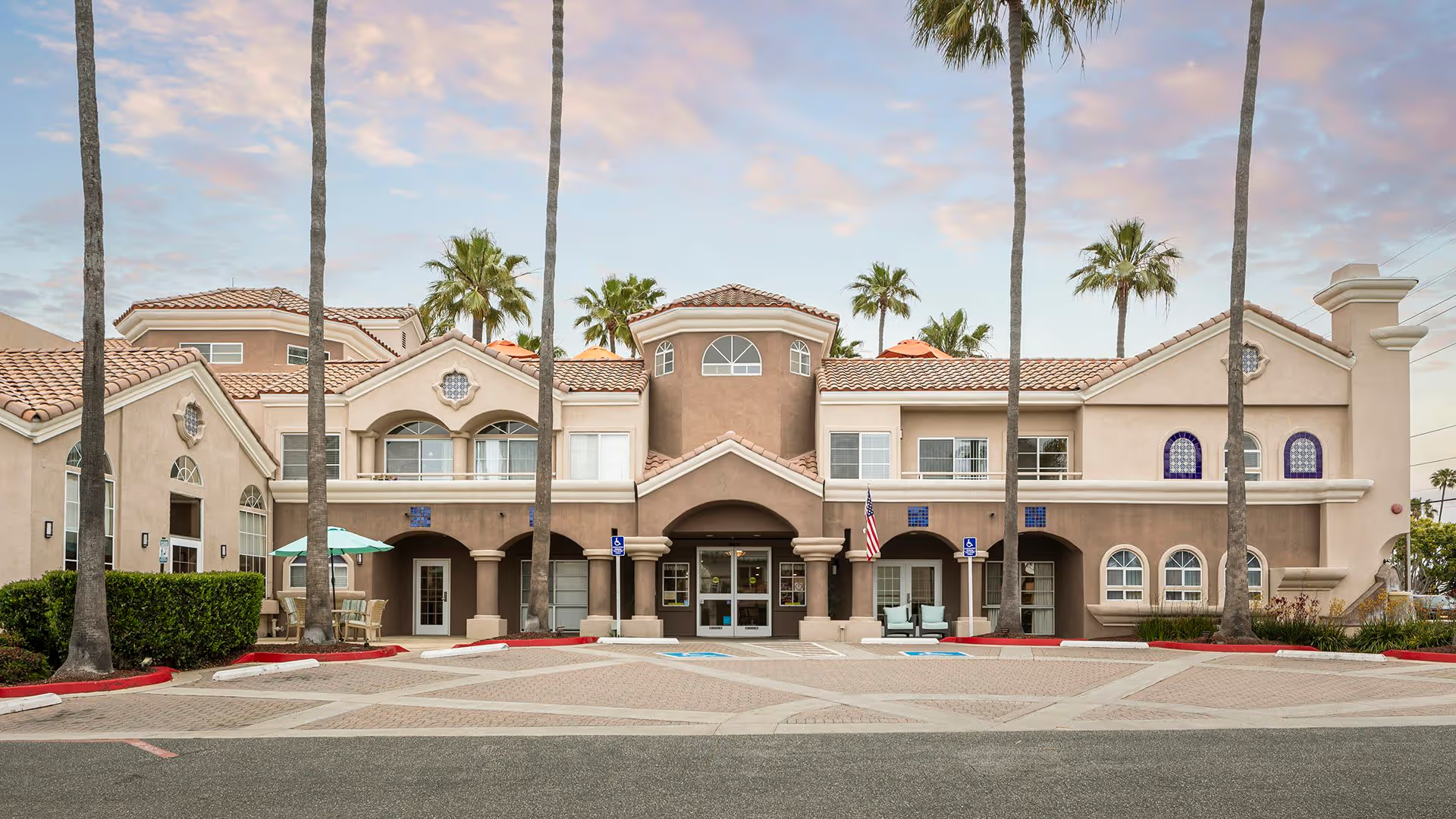
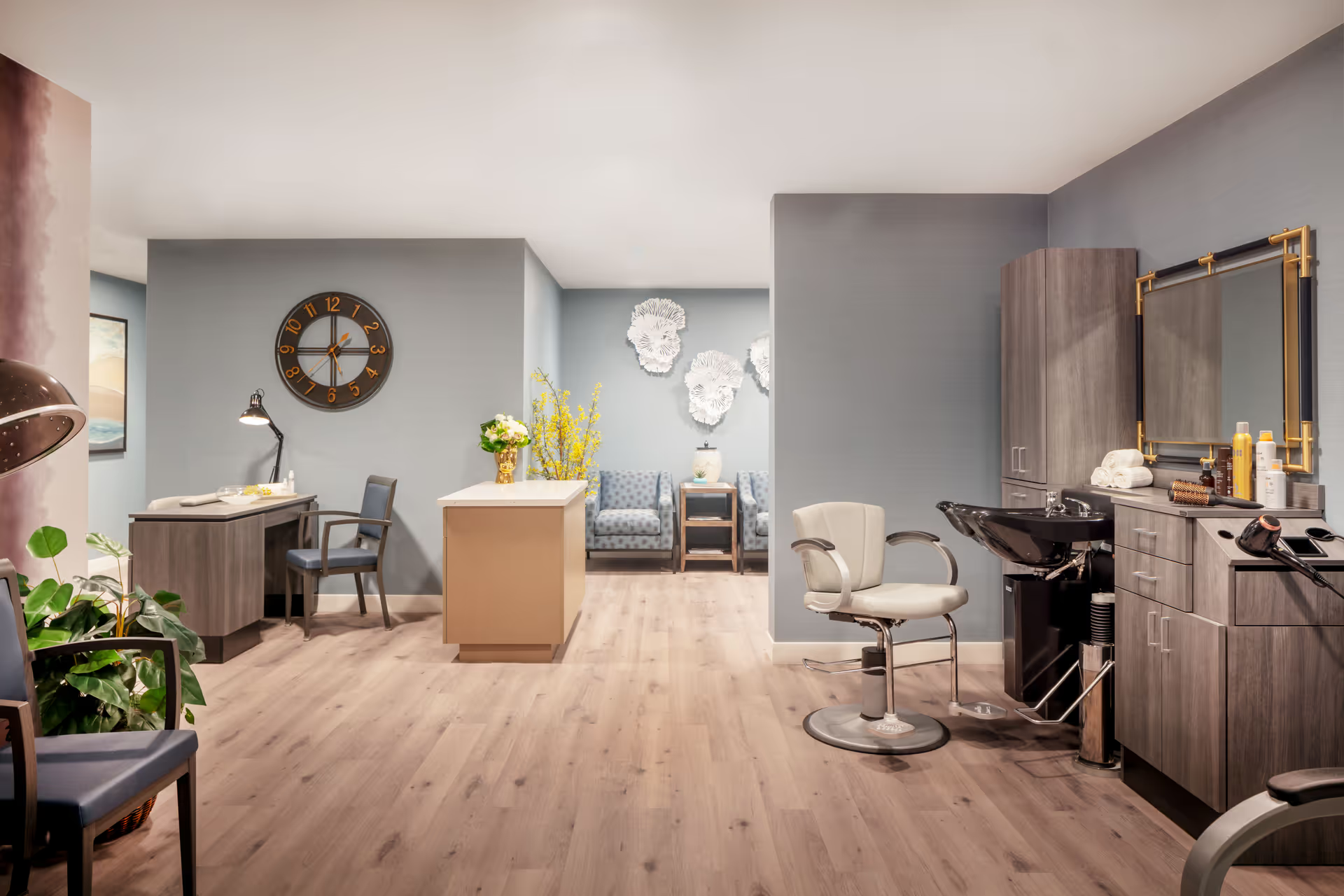
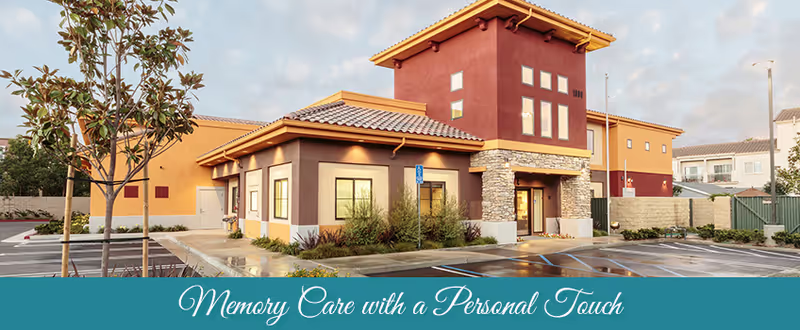
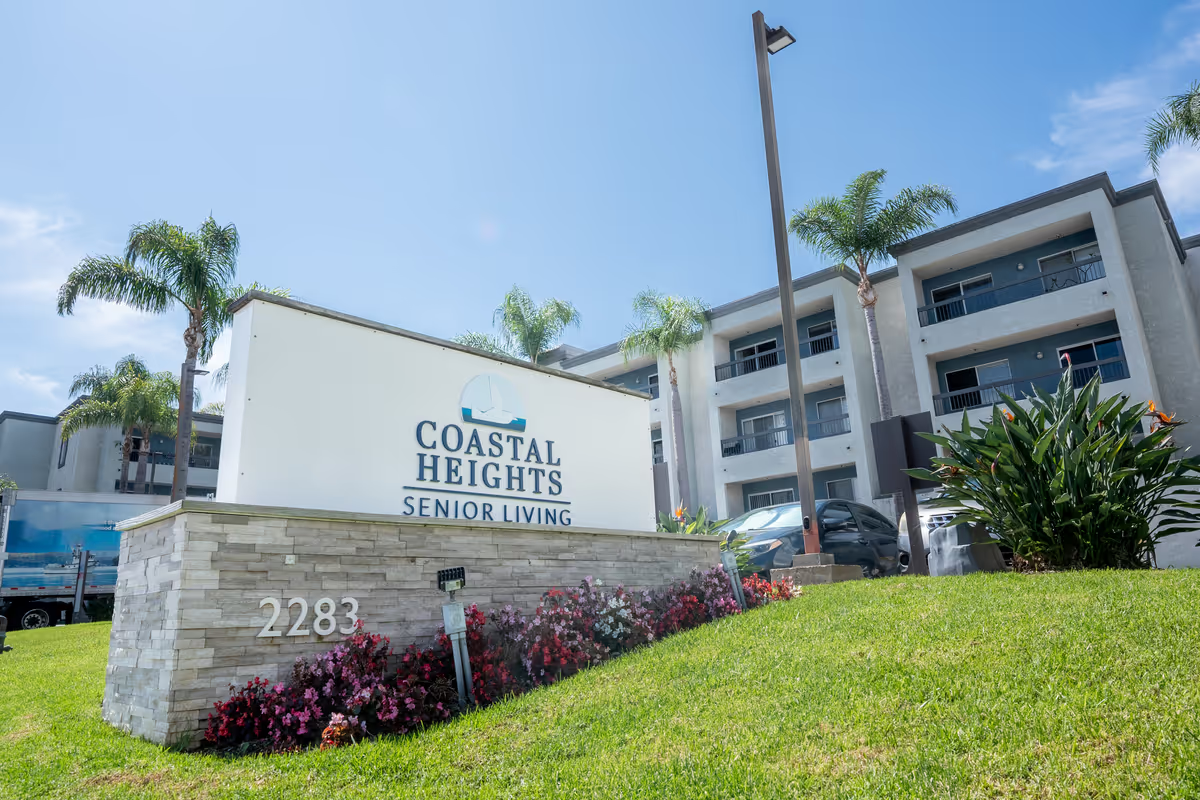
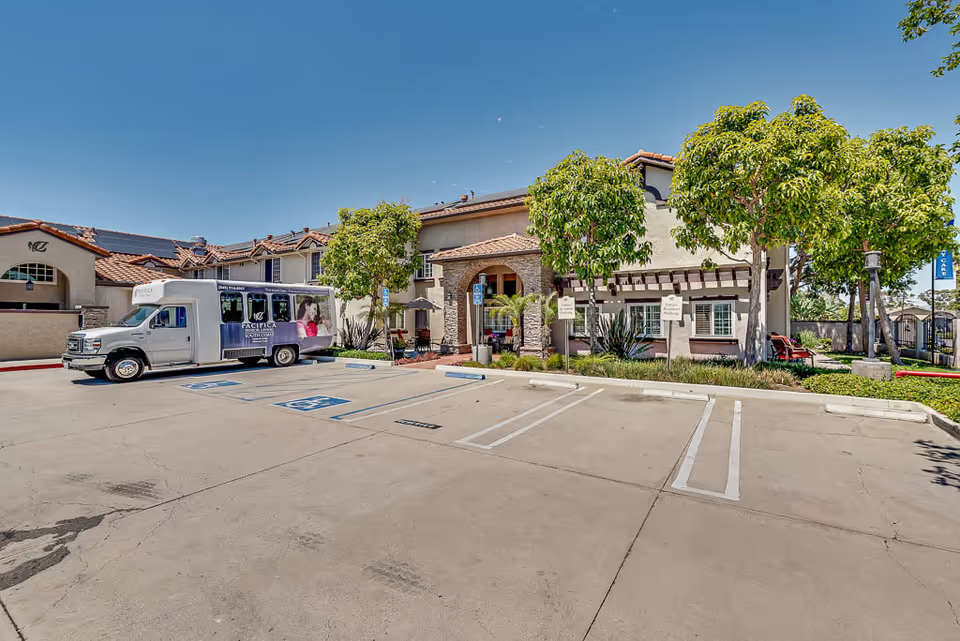
Facilities and amenities: Several accounts describe a clean, bright facility with accessible outdoor spaces, ample parking, and rooms kept in good condition. Other reviews identify sanitation and odor concerns in some units, broken TVs or amenity interruptions, and periodic housekeeping shortfalls. IT and amenity reliability (internet, TV) is an additional recurring operational issue.
Management and operational patterns: Administration and certain leaders receive praise for responsiveness and good customer service; other reviews describe management practices that appear to prioritize operational or financial considerations over resident-centered approaches. There are also serious-level claims, including allegations of staff theft and billing irregularities. Operational friction is evident in weak coordination for off-site appointments and internal relocations, inconsistent staffing models, and variability in response times.
Notable patterns and considerations for families: The body of reviews suggests that resident outcomes at this facility are highly dependent on timing (shift), unit placement, and which staff are on duty. Prospective families should weigh the facility’s strengths in rehabilitative therapy and the presence of dedicated caregivers against documented variability in responsiveness, sanitation in some areas, meal consistency, and clinical escalation processes. Asking specific, time-bound questions during a tour — about staffing ratios by shift, fall-response protocols, medication-administration checks, and evening activity coverage — may help set clearer expectations and identify the parts of the campus that align with a particular resident’s needs.