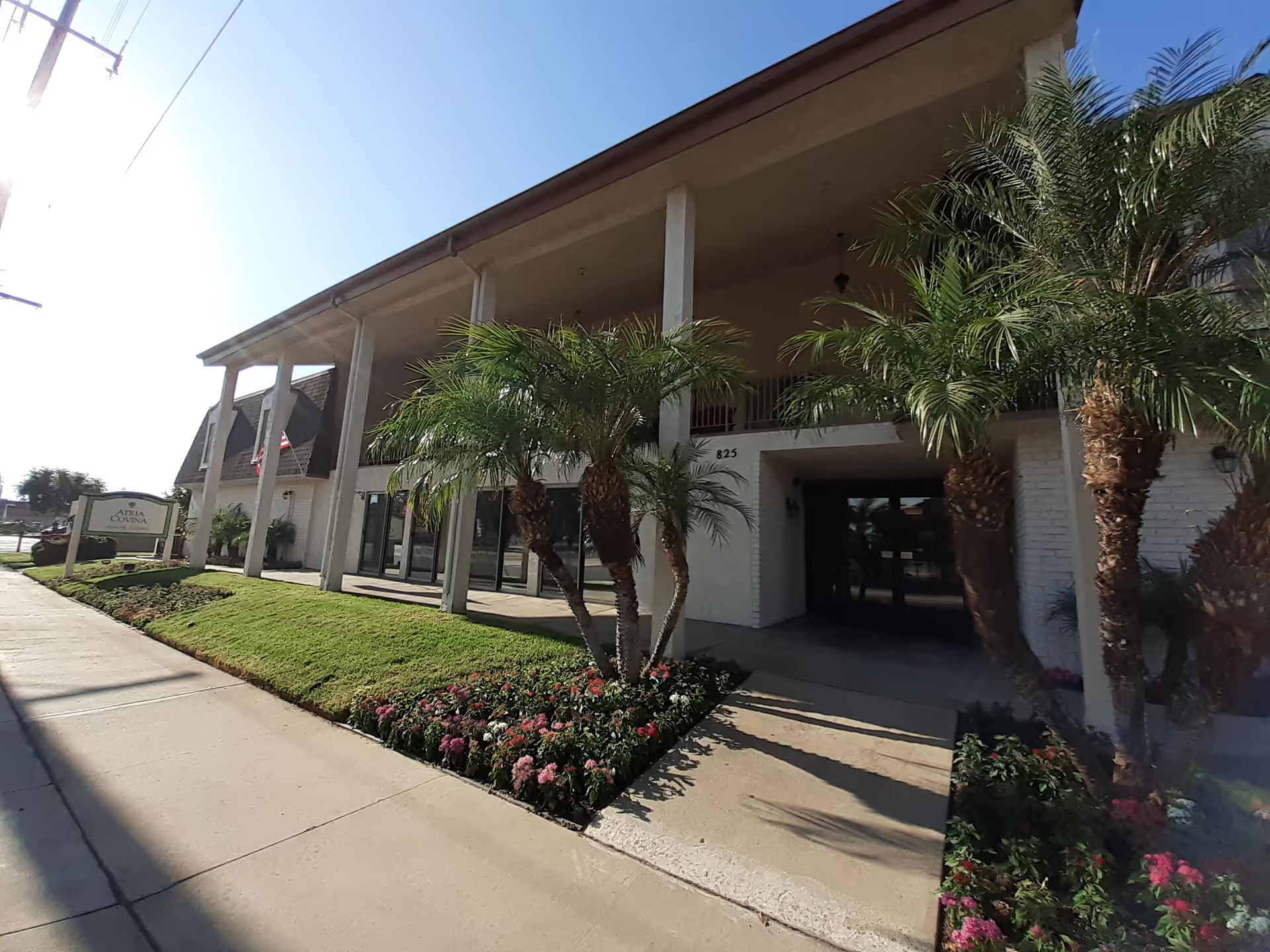
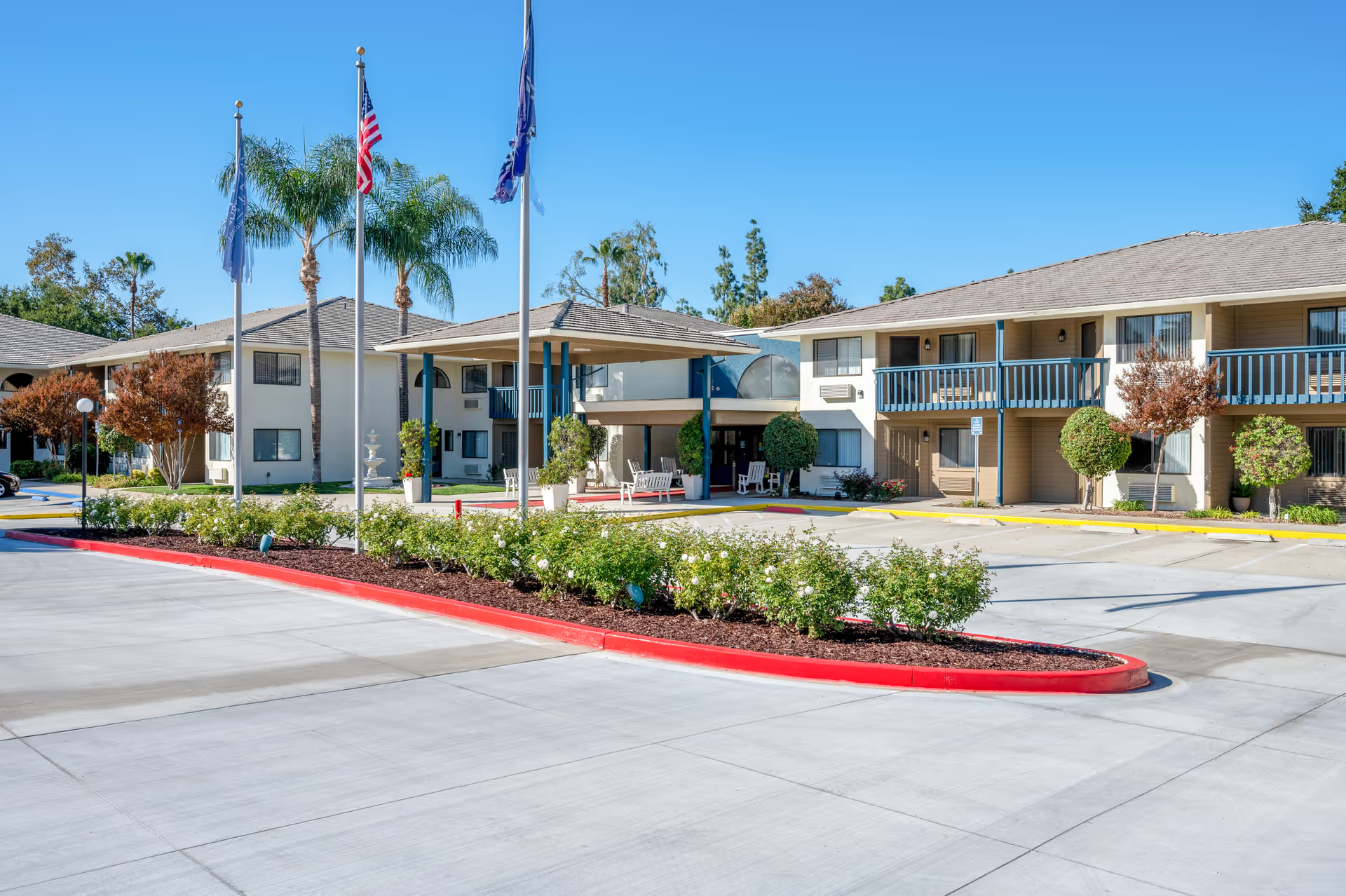
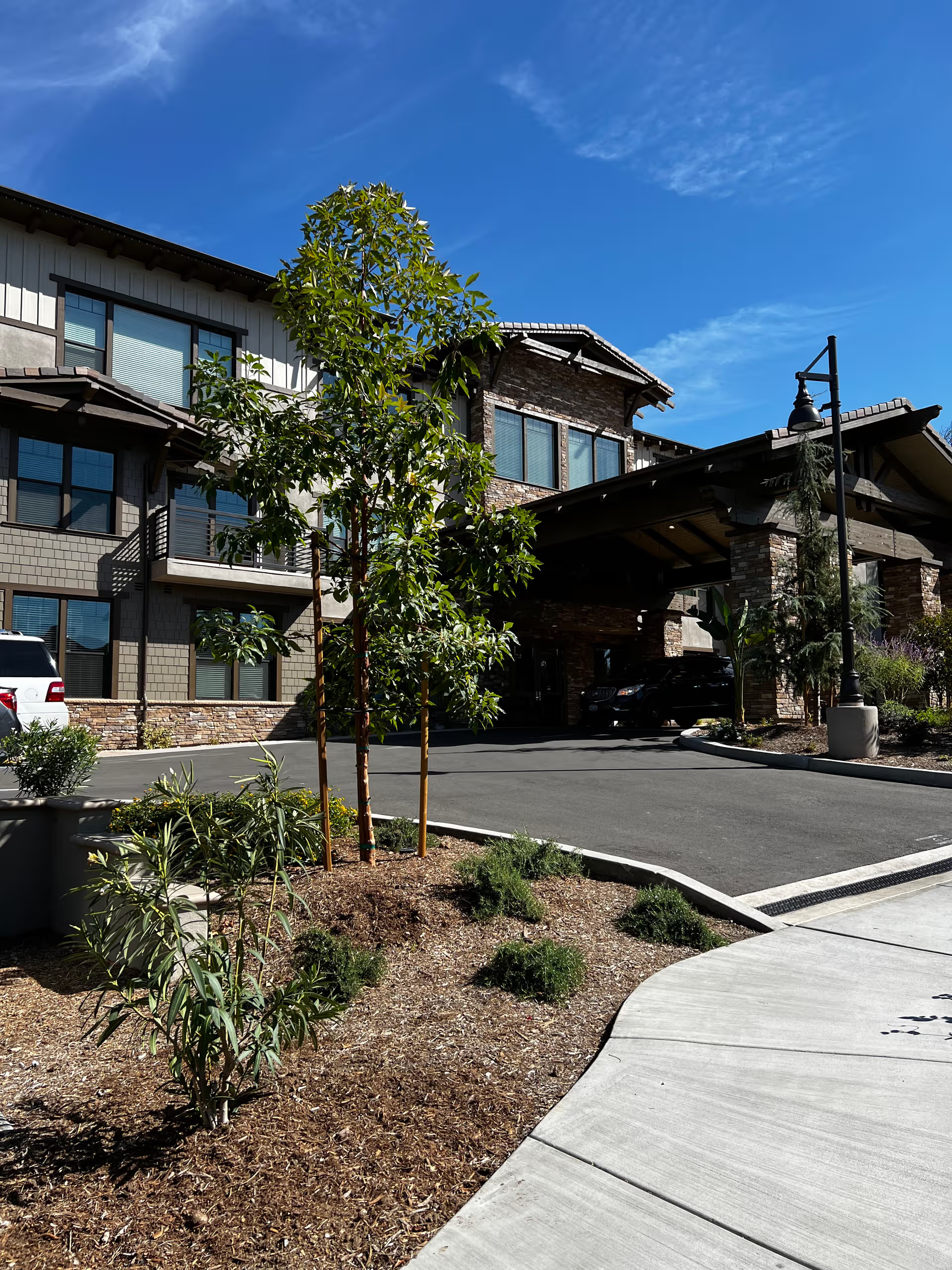
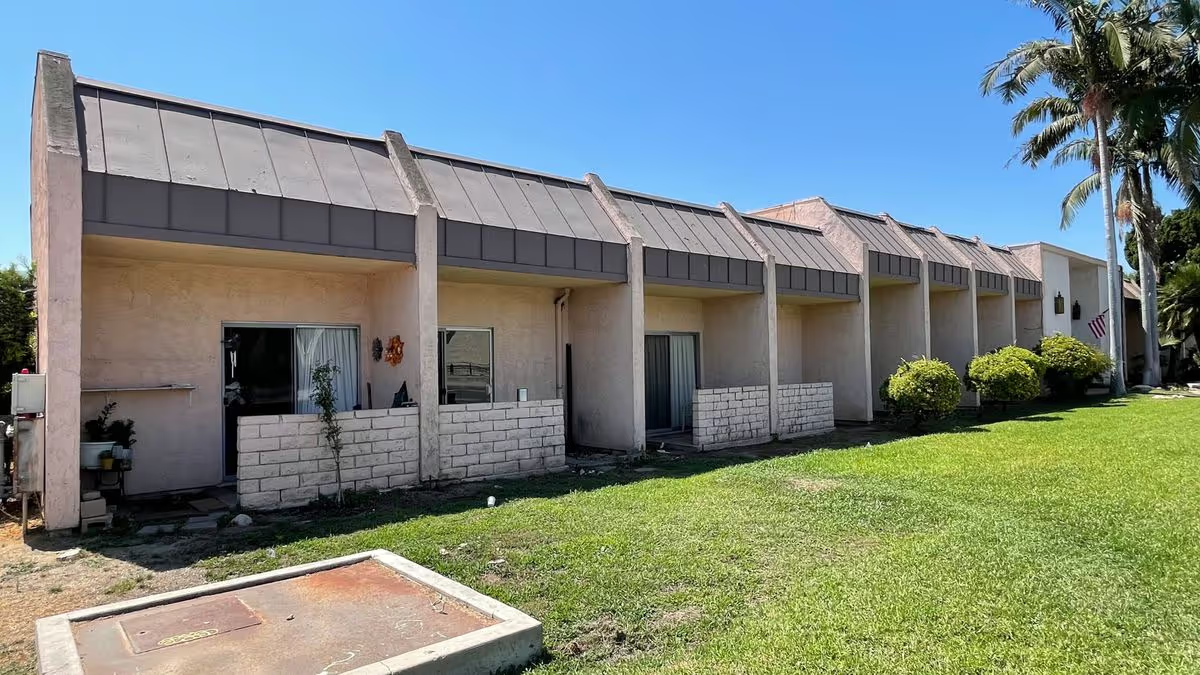
Reviews of Covina Rehabilitation Center present a mixed picture with clear strengths in rehabilitation, daily caregiving, and the facility environment, alongside recurring operational concerns. Many families praised the therapy teams, nurses, and CNAs for their clinical skill, compassion, and dedication; several accounts describe effective short‑term rehab outcomes, strong wound and post‑operative care in positive cases, and administrators or staff who provided emotional support and discharge assistance. The facility’s decor and cleanliness are frequently described as home‑like, and meal quality and activity programming receive consistent positive mention. Infection‑control practices such as routine testing were also noted positively.
At the same time, reviews reveal pattern-level weaknesses that prospective families should consider. Staffing consistency emerges as a primary issue: reviewers describe variability in staff quality and what appears to be understaffing at times, which is linked to delays in responding to call lights and in attending to personal‑care needs. These delays include longer wait times for assistance and concerns about timely incontinence care. Several reviews also flagged gaps in medication administration and oversight of medical devices, and a small number of accounts raised concerns about potential overuse of medications; together these point to uneven clinical‑management processes.
Communication and organizational practices are another area of divergence. Multiple families reported weak internal handoffs and lapses in family communication about clinical changes, which contributed to frustration and safety concerns in some cases. Administrative interactions were described as mixed as well: some families praised supportive staff and specific administrators, while others cited front‑desk responsiveness and a perceived billing focus as problematic. Organizational inefficiencies were reflected by equipment misplacement, dining‑area oversight lapses, and instances suggesting furniture and facility maintenance needs.
There are also more serious individual allegations that would warrant follow‑up during a tour or through facility leadership: inconsistent informed‑consent processes and allegations of resident property loss were raised in isolated reviews. While these claims are not presented as systemic by every reviewer, they are serious enough that families should ask the facility about consent protocols, property handling, and incident documentation.
In sum, Covina Rehabilitation Center receives substantial praise for its rehabilitation outcomes, compassionate CNAs, and nursing and therapy efforts, and many residents and families express strong satisfaction. However, recurring reports point to operational weaknesses—especially staffing variability, responsiveness delays, communication breakdowns, and maintenance/organizational gaps—that can materially affect the resident experience. Prospective residents should weigh the positive clinical and rehabilitation strengths against these operational concerns and consider targeted questions about staffing ratios, medication and device policies, family communication practices, and property/consent safeguards during a visit.