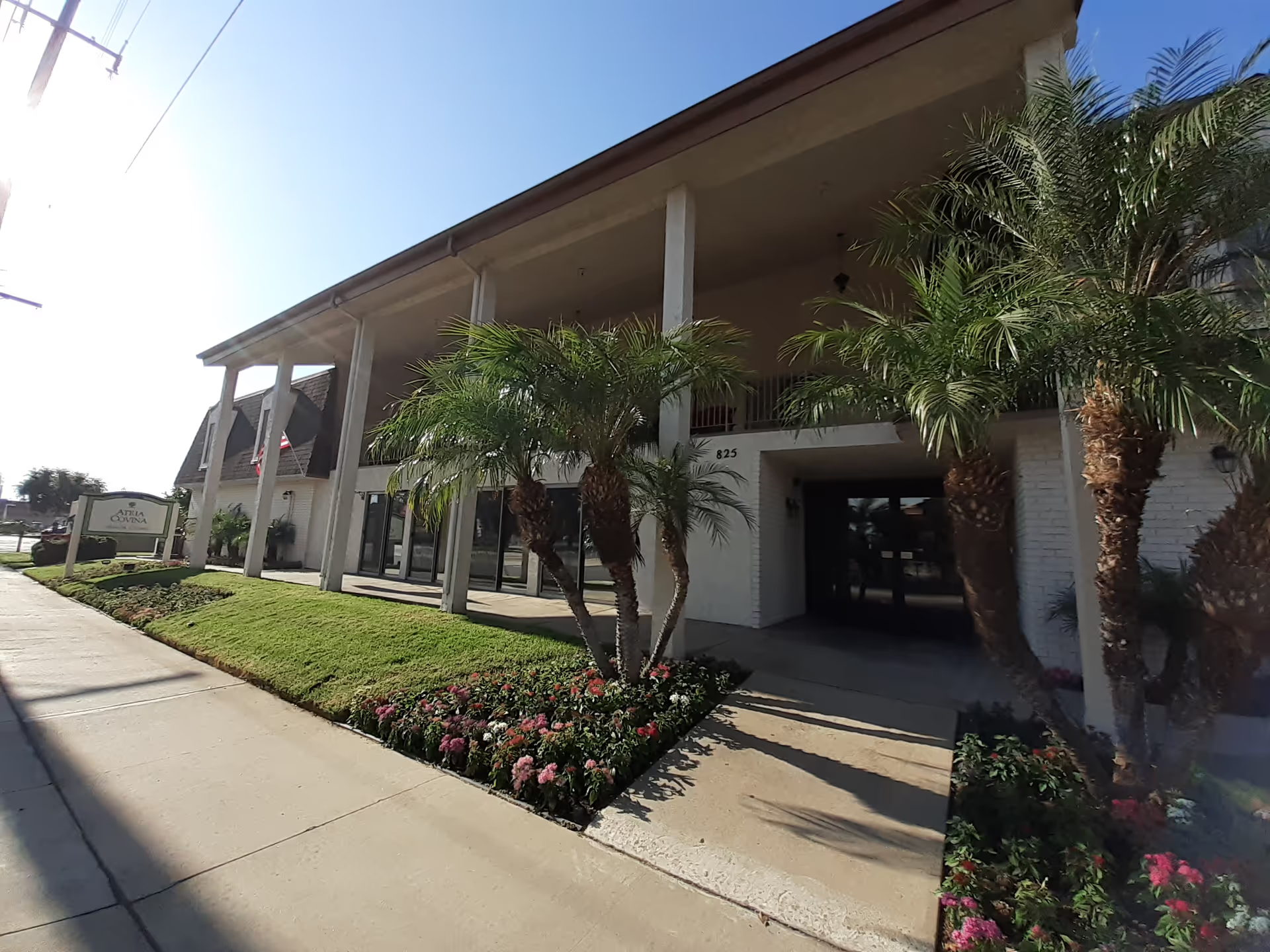
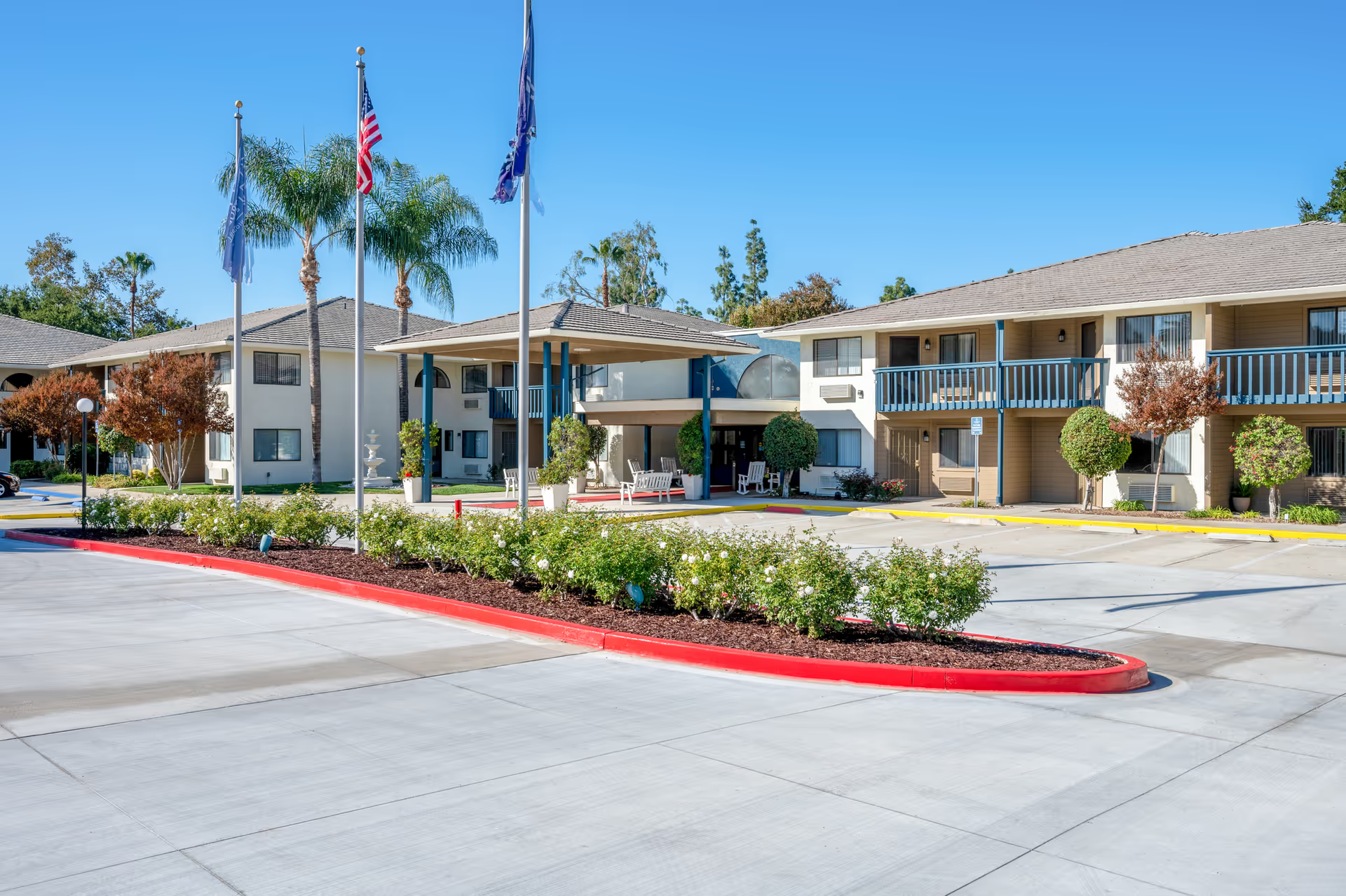
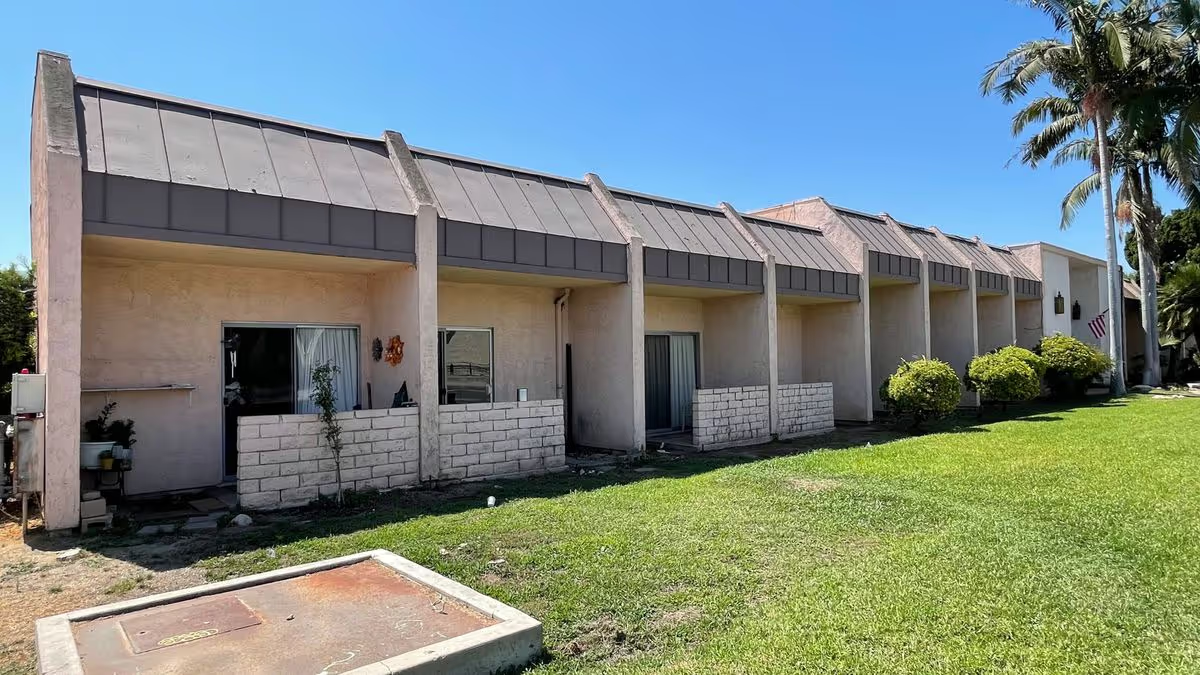
The reviews present a mixed but informative picture of Harvard Creek Post Acute. Many families describe positive experiences: staff are frequently characterized as caring and attentive, leadership is visible and involved, and the therapy program is repeatedly singled out for producing measurable rehabilitation gains and restored independence after surgery. The facility is often described as clean, well maintained and home-like, with park-like outdoor spaces, a community feel, and infection-control practices in place. Reviewers also praise smooth admissions, responsive management during transitions, and 24-hour bedside coverage by day and night staff.
Care and clinical services receive both high praise and criticism. On the positive side, physical and occupational therapy, medication checks, and short-term rehabilitation services are noted as effective and well organized. Several reviewers highlight specific nursing leaders as advocates who improve communication and coordinate care. On the other hand, there are recurring operational concerns about responsiveness to call lights and care requests, delays in addressing incontinence-care needs, and inconsistencies in housekeeping and sanitation in certain areas. These patterns suggest variability in day-to-day care delivery rather than uniform performance across the facility.
Safety and clinical-process issues are another area of concern. Reviews indicate lapses in supply management for skin-care products, pressure-injury prevention and wound-care vigilance, and weaknesses in fall-prevention or transfer-safety procedures. A subset of families described problems with incident documentation and follow-up communication, prompting formal complaints in some cases. These items point to potential gaps in clinical oversight, escalation protocols, and family notification processes that prospective families should explore further.
Facilities, activities and culture are generally described positively: the setting is attractive, staff interactions can be warm and familial, and therapy and activity programs are engaging. That said, a number of reviews raise cleanliness variability and a few note missing personal items, which indicates the property-maintenance and personal effects management systems may not be consistently applied across all units.
Management and staff tone are highlighted as strengths by many reviewers — particularly when nursing leadership is actively engaged — yet other reviewers report concerns about staff professionalism, teamwork, and accountability in specific incidents. Given the mixed feedback, prospective residents and families would benefit from an on-site visit focused on current staffing levels, response-time expectations, incident-reporting procedures, wound-care and pressure-ulcer prevention protocols, and personal-property safeguards. Asking for recent staffing metrics, inspection records, and examples of how the facility addresses complaints will help clarify whether the facility’s strengths align with a specific resident’s needs.