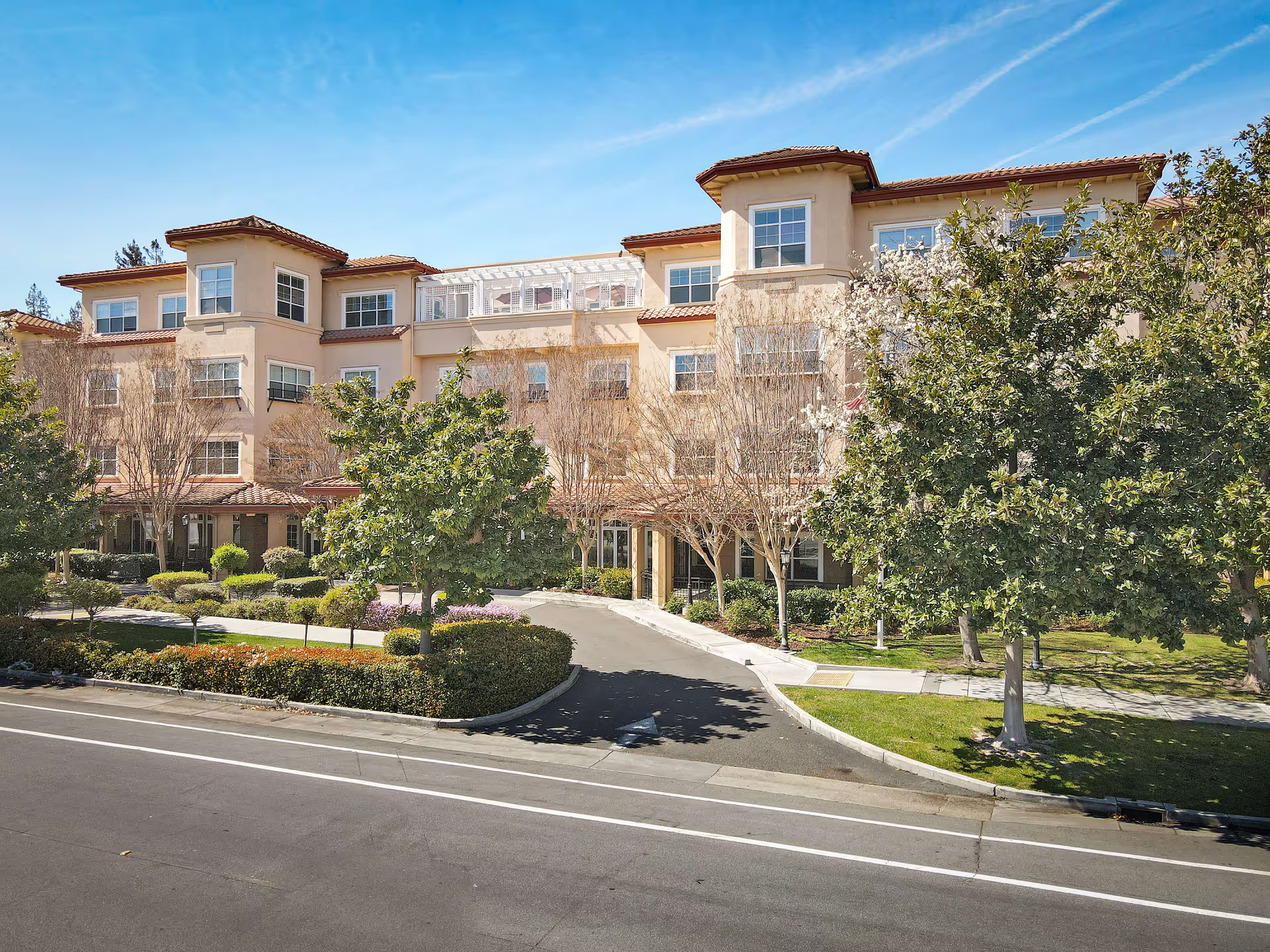
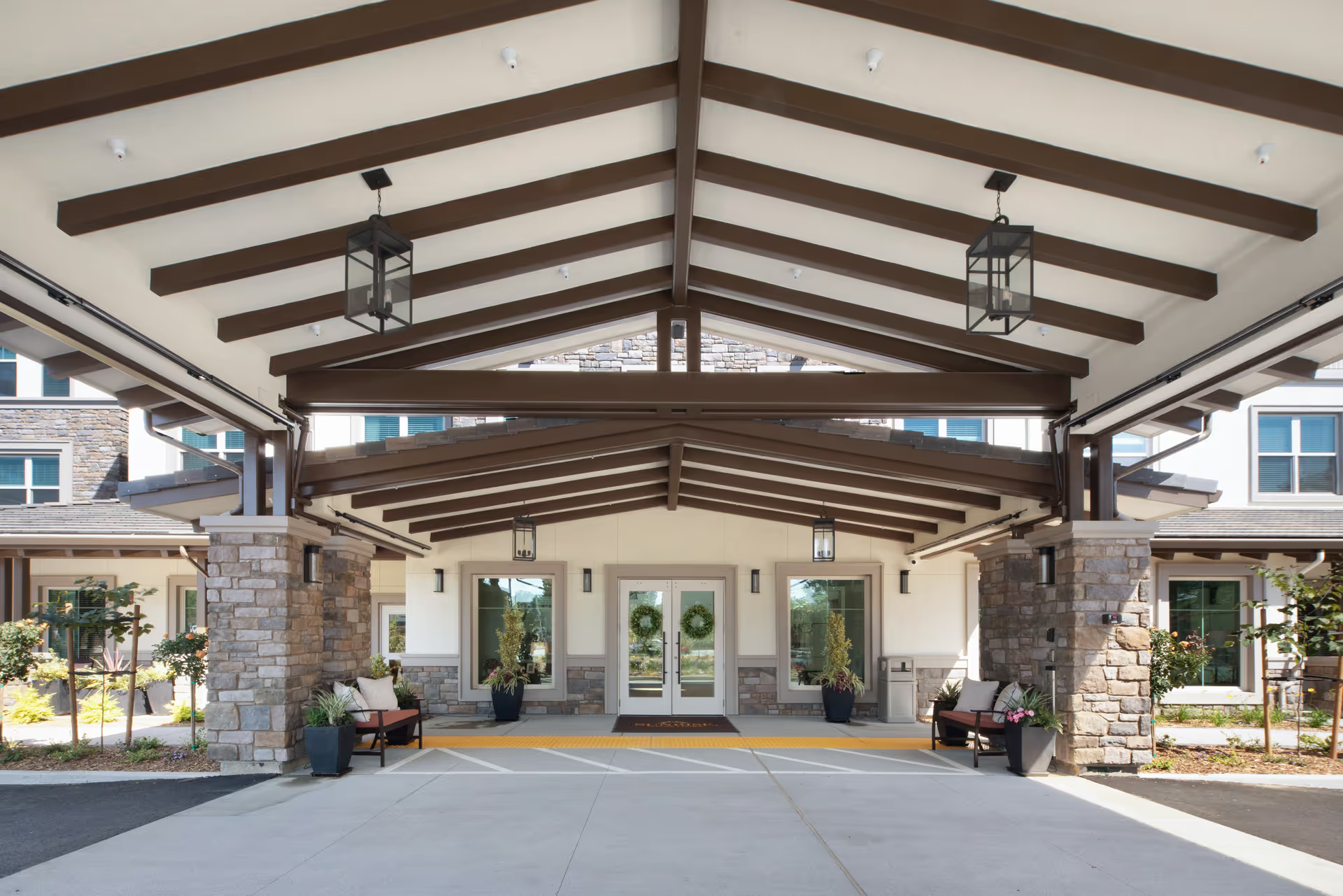
The Forum at Rancho San Antonio is consistently described as a well-appointed continuing-care community on a scenic, 50-acre campus with abundant amenities. Reviewers highlight thoughtfully maintained grounds, bright and spacious apartments and villas (many with full kitchens), and in‑building common spaces that resemble a hospitality environment. The site’s proximity to Rancho San Antonio open space and on-site trails is a frequently cited asset for residents who value outdoor access.
Care quality and staffing are major strengths in the aggregated feedback. Nursing, therapy, and assisted-living teams receive repeated praise for compassion, patience, and personal attention; several accounts emphasize strong clinical support during the pandemic and effective infection-control practices. The presence of on-site skilled nursing and memory-care services supports aging-in-place, and reviewers note coordinated clinical oversight such as wellness nursing and director check-ins. At the same time, there are operational concerns around clinical transitions: some reviewers describe variability in onboarding to memory care and gaps in communication during transfers, indicating room to standardize handoffs and family notification procedures.
Dining, programming, and daily life are central to the community’s appeal. The food service is widely commended for variety, presentation, and multiple dining venues including formal and casual options; menu flexibility is also noted. Activities are extensive and varied — intellectual lectures, fitness, arts, music, woodworking, frequent outings, and resident-led clubs create a consistently busy calendar. The community’s culture of resident engagement and volunteer opportunity is reinforced by active governance structures, committees, and a palpable sense of camaraderie among residents.
Facilities and services are described as comprehensive and well maintained: fitness center and pool, library and computer lab, beauty salon, woodshop, weekly housekeeping, preventive maintenance, and transportation to shopping and medical appointments. Reviewers frequently describe staff who remember residents’ names, provide hospitality, and support initiation of new activities. The resident-owned (equity) structure and active boards are seen as enabling resident input into operations and enhancements.
Management strengths are balanced by a set of recurring operational criticisms. The community’s equity/buy-in model and the price point are commonly characterized as expensive and potentially prohibitive for many prospective residents; contract terms and the structure of fees are viewed as complex. Sales and touring practices drew criticism for selective showings and limited transparency about pricing and campus-wide options. Additionally, reviewers identified inconsistent responsiveness from front-line staff on some occasions and occasional delays in accessing requested services. Accessibility issues for some villas (location relative to the main building/road) are also mentioned as a practical consideration.
Overall, The Forum presents as a high-amenity, socially active continuing-care community with strong clinical staffing and a well-supported activity program. Its primary limitations are financial accessibility, the need for clearer and more consistent communication during sales and clinical transitions, and occasional service-access delays. Prospective residents and families should weigh the community’s strong campus amenities, programming, and clinical supports against the buy-in model and seek detailed, written explanations of contract terms, transfer protocols, and service-response expectations during the touring and decision process.