Overall impression Reviewers convey a generally positive experience with Lorraine Guest Home, emphasizing attentive caregiving, a homelike facility, and a neighborhood many families find pleasant. Several accounts describe measurable benefits for residents: improved responsiveness, successful adjustment to the setting, and an overall sense of safety and satisfaction. The facility appears to maintain private-room options and secure handling of residents' personal belongings, which contributes to family confidence.
Care quality and staff Care quality is described as attentive and consistent in day-to-day routines; caregivers are characterized as caring and knowledgeable about residents' schedules. That said, staffing changes were noted as a source of disruption. Families described periods when changes in caregiver assignments made transitions harder for residents. Prospective families should ask about caregiver continuity, primary-assignment practices, and current staff turnover when evaluating long-term fit.
Dining and activities The supplied summaries contain little direct information about dining quality or the activity program. Absence of commentary does not imply a problem or strength; it indicates these areas were not emphasized by the reviewers sampled. Families should request menus, sample activity calendars, and opportunities to observe mealtimes and engagement programs to judge suitability for a given resident.
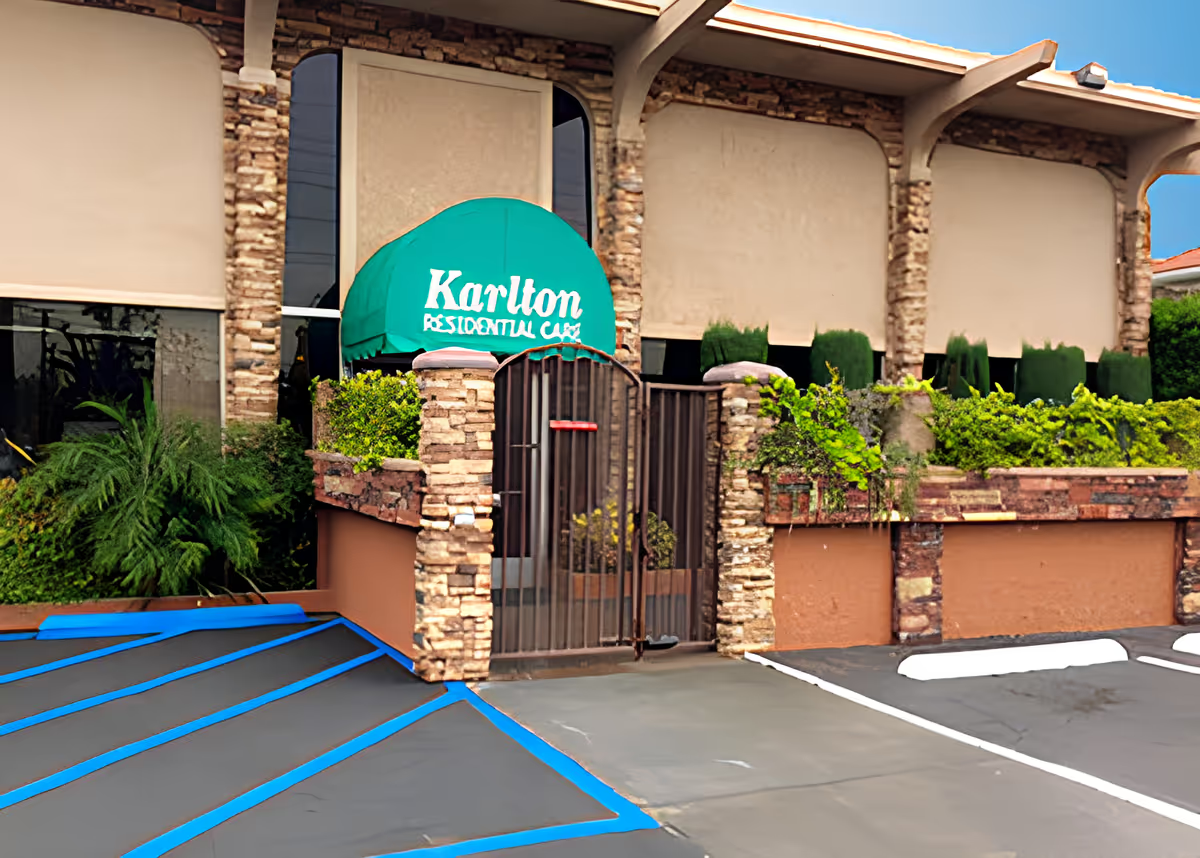
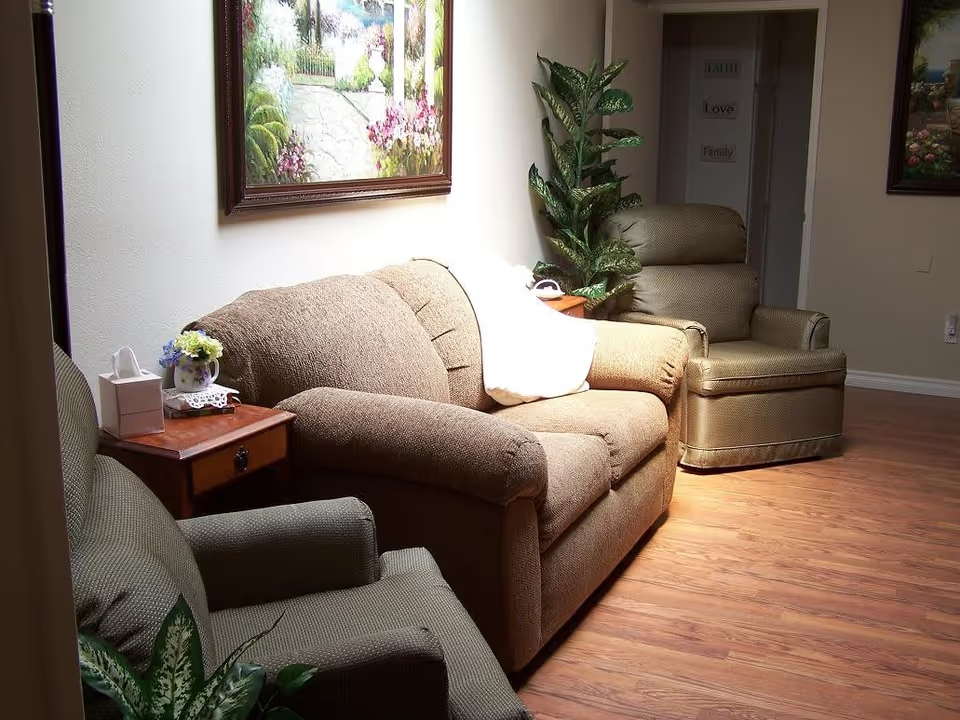
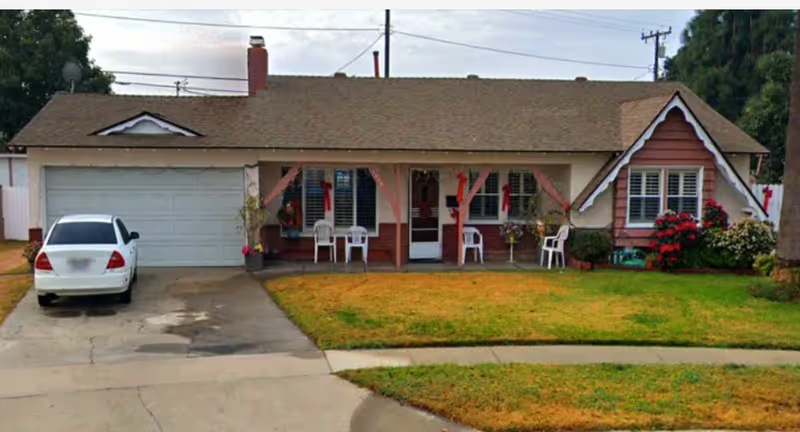
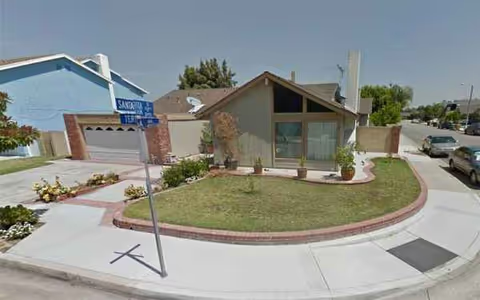
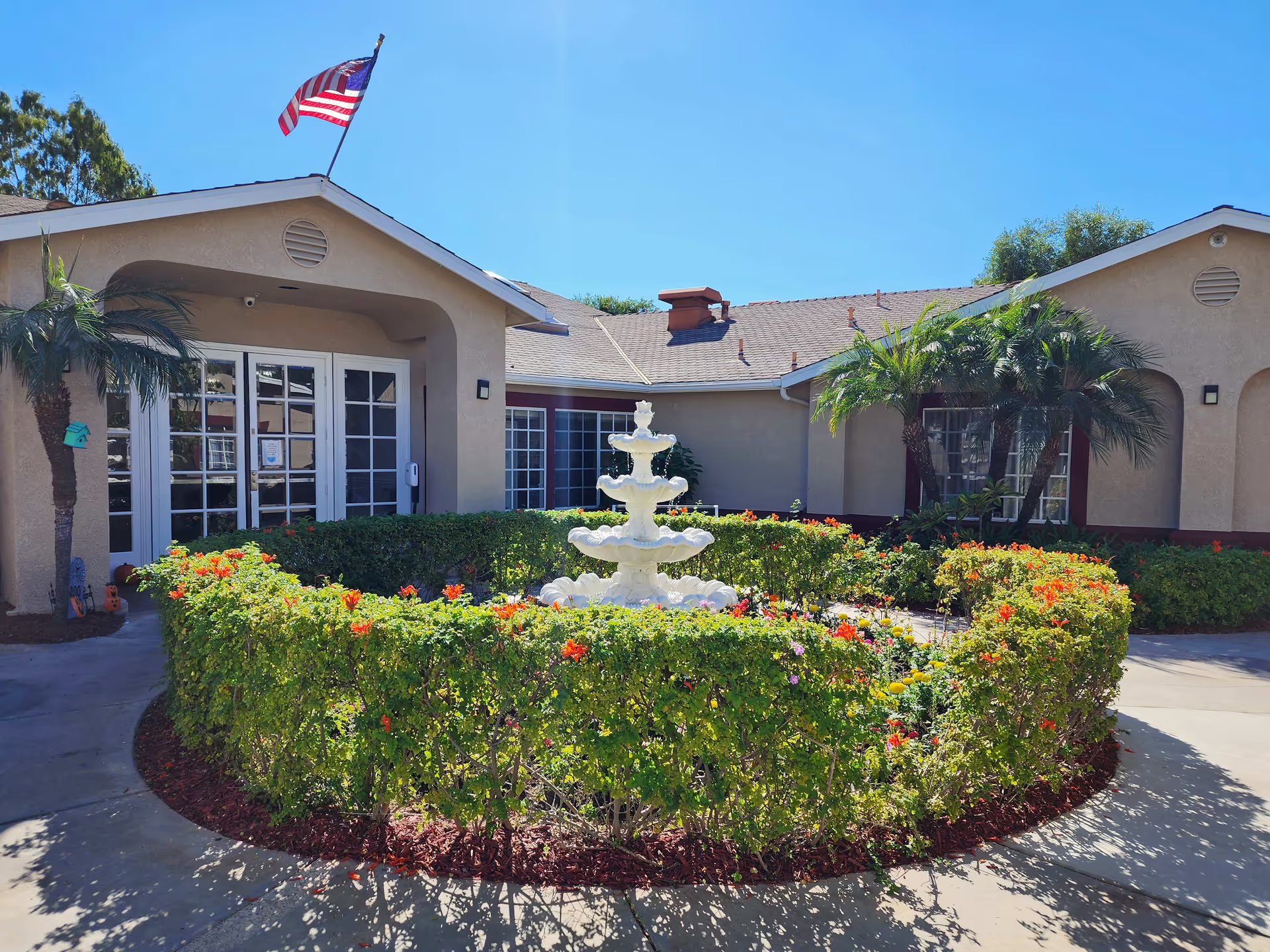
Facilities and environment The home is repeatedly described as a residential, neighborhood-style facility with private rooms and secure accommodations. Reviewers note belongings are well kept and that the environment feels safe and orderly. These descriptions suggest a maintained, small-scale setting that may suit residents seeking a quieter, home-like atmosphere rather than an institutional feel.
Management, fees, and transition support A recurring operational theme is cost: personal-care charges were described as significant. Families should obtain a clear, itemized fee schedule and ask how ancillary personal-care costs are calculated. Another pattern concerns transition support: a number of reviewers observed that some residents have difficulty accepting care and that adjustment can be challenging when caregiver assignments change. This points to an opportunity for management to strengthen admission orientation and individualized transition plans to reduce resident distress during staff changes.
Notable patterns and recommendations In summary, the facility is praised for compassionate caregiving, routine familiarity, secure personal-property handling, and a pleasant, residential setting. The primary operational weaknesses to probe further are workforce stability and the transparency/level of personal-care fees, plus the availability of structured transition supports for residents who resist assistance. Recommended questions for families: current staff turnover rates and assignment practices, detailed fee schedules for personal care, examples of transition or acclimation plans used for new residents, and opportunities to review menus and activity schedules.