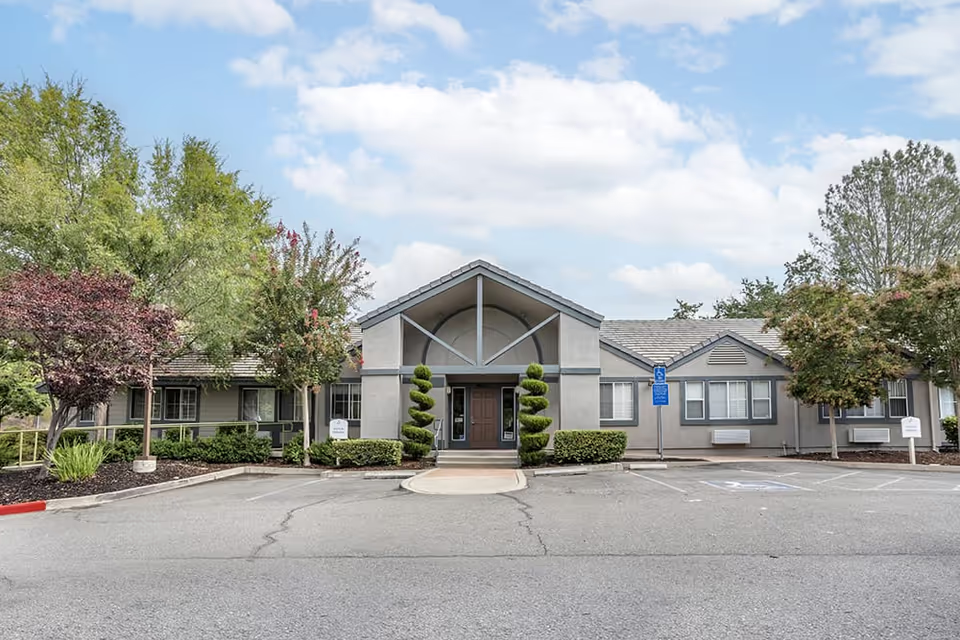
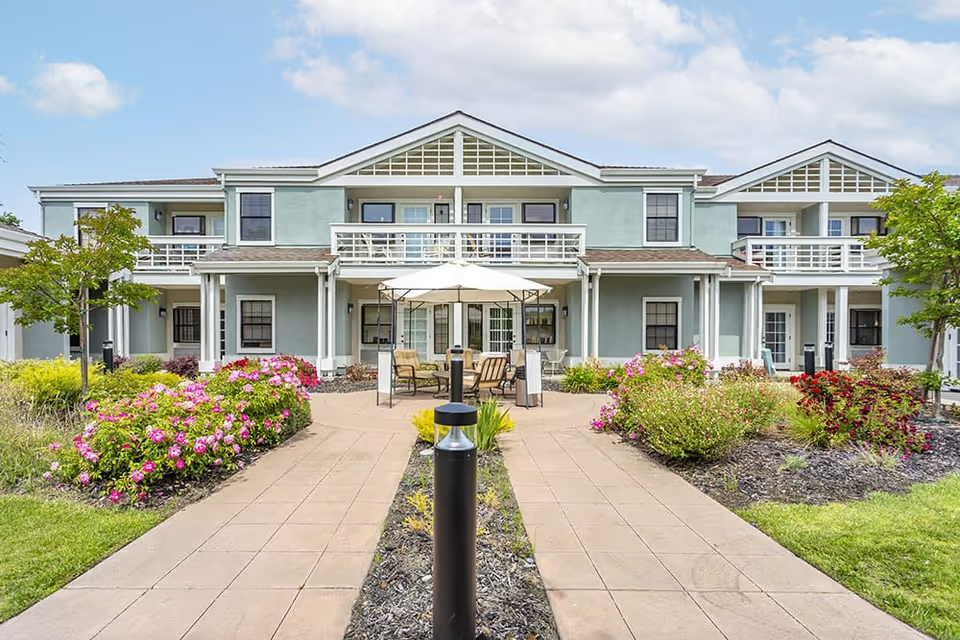
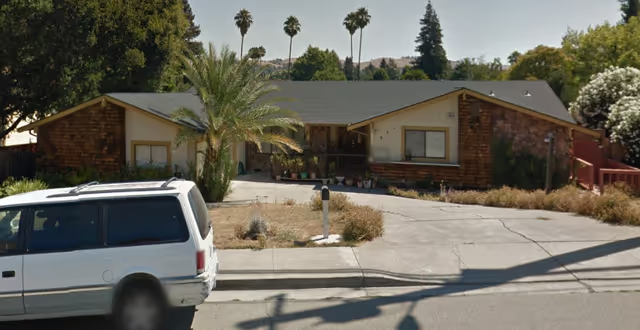
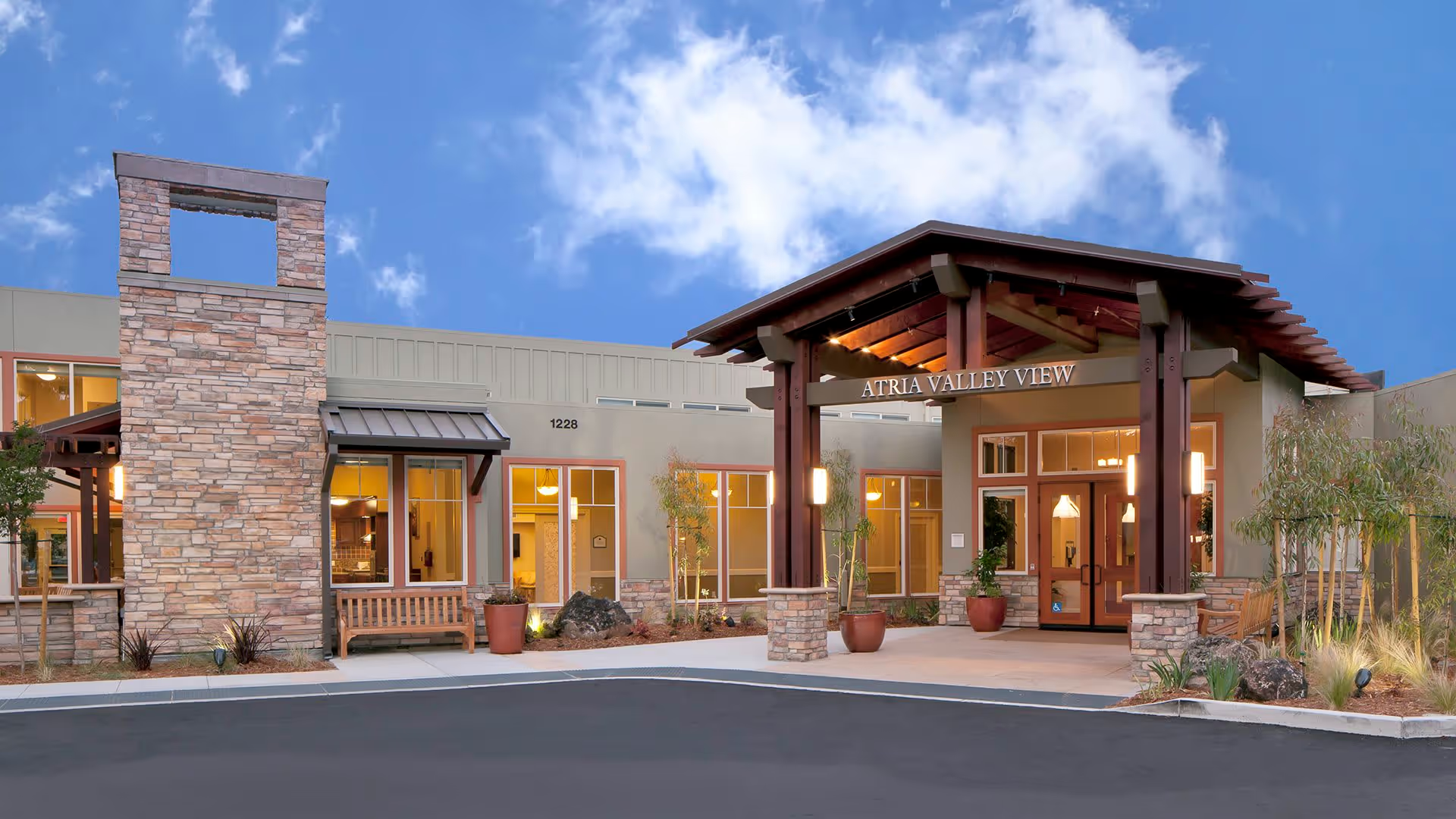
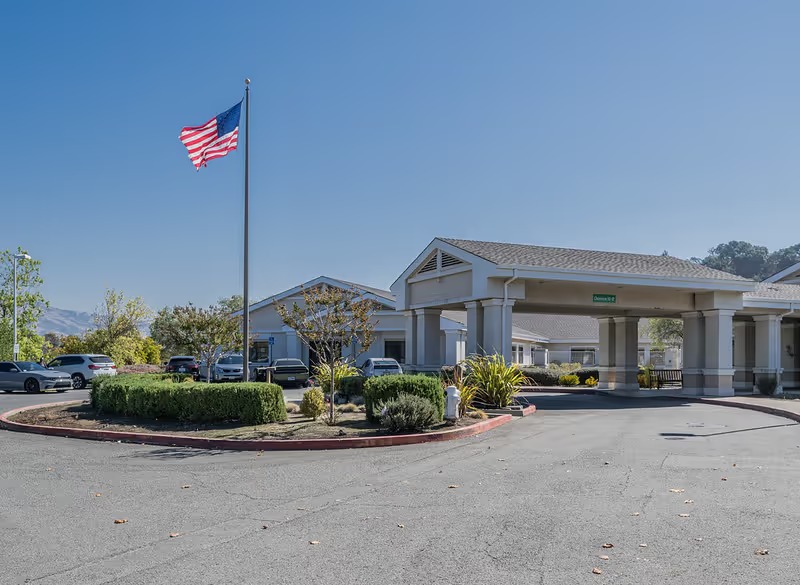
Overall impression: Reviewers describe a facility that provides attentive, personalized care within a small, home-like environment. Many families praised direct-care staff for compassion and individualized attention, and several reviewers highlighted routine clinical supports such as regular on-site physician days. The facility offers pleasant outdoor spaces, a large lobby and a nicely furnished dining room, and some residents benefit from scheduled shopping days and social events like ice cream socials and musical programming.
Care and staff: Care quality is frequently characterized as compassionate and professional; staff are described as accommodating and communicative with families in many cases. At the same time, reviewers note operational issues that can affect the family experience: occasional language barriers among frontline staff, uneven telephone responsiveness, and examples of management or administrative staff interactions perceived as brusque. These patterns suggest generally competent caregiving with episodic communication and customer-service gaps that prospective families should clarify during visits.
Dining and nutrition: Dining spaces and some social food events are viewed positively, but meal quality and flexibility drew consistent comment. Meals were often described as nutritionally adequate but mediocre in taste, with limited menu choices and constrained dining hours; some families wanted more varied evening options. Prospective residents should inquire about menu rotation, dietary accommodations, and meal-time schedules to ensure alignment with expectations.
Activities and engagement: The facility runs a range of on-site programs—exercise classes, bingo, live piano, dancing, and occasional outings—but the small footprint and limited dedicated activity rooms constrain program variety and frequency. Several reviewers noted that a higher proportion of residents with cognitive impairment reduced the effectiveness of general-group activities for some individuals. Off-site outings and transportation appear to be available on a scheduled basis, yet reliability of transportation was raised as a concern, so confirm how outings are organized and guaranteed.
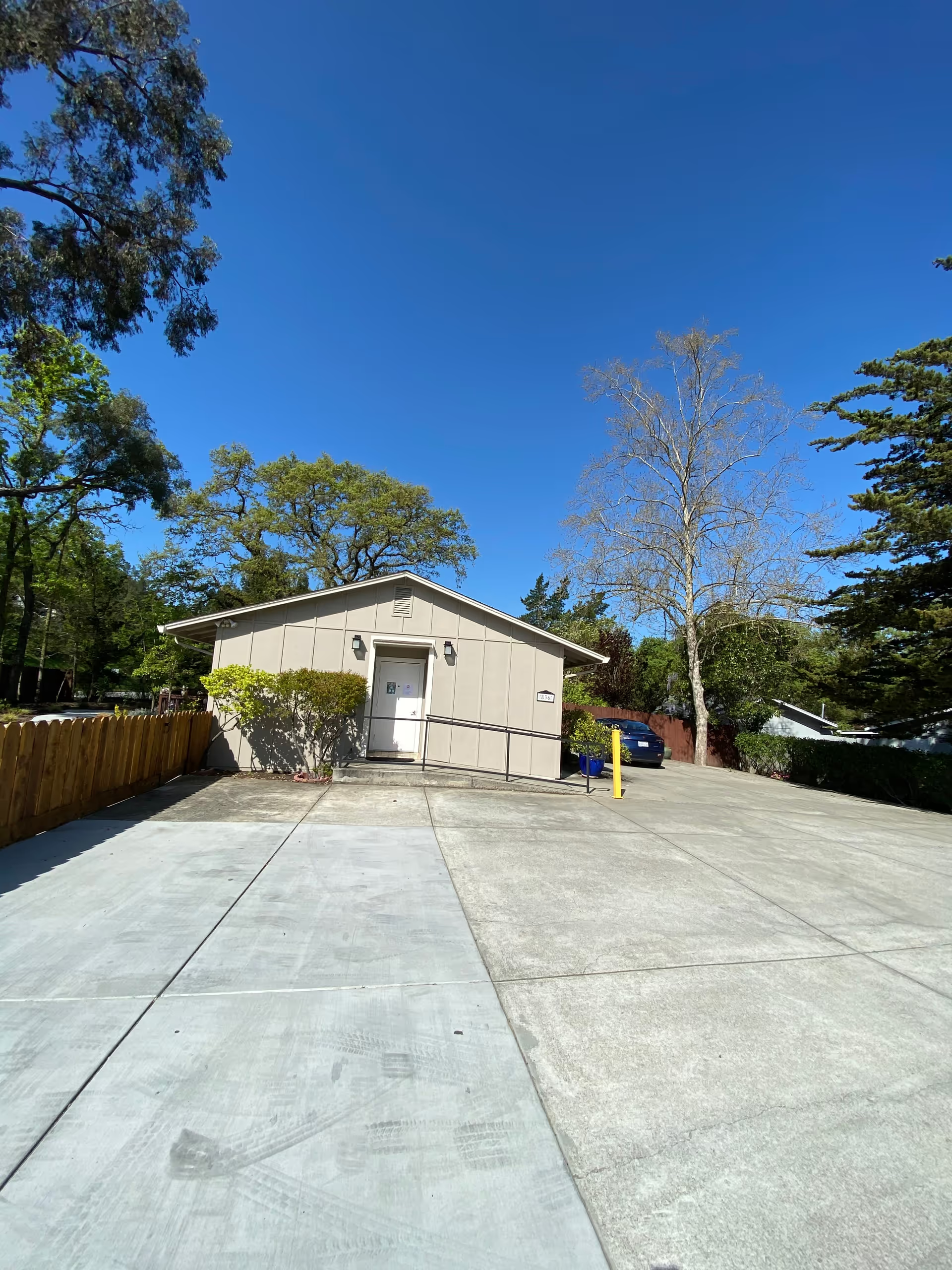
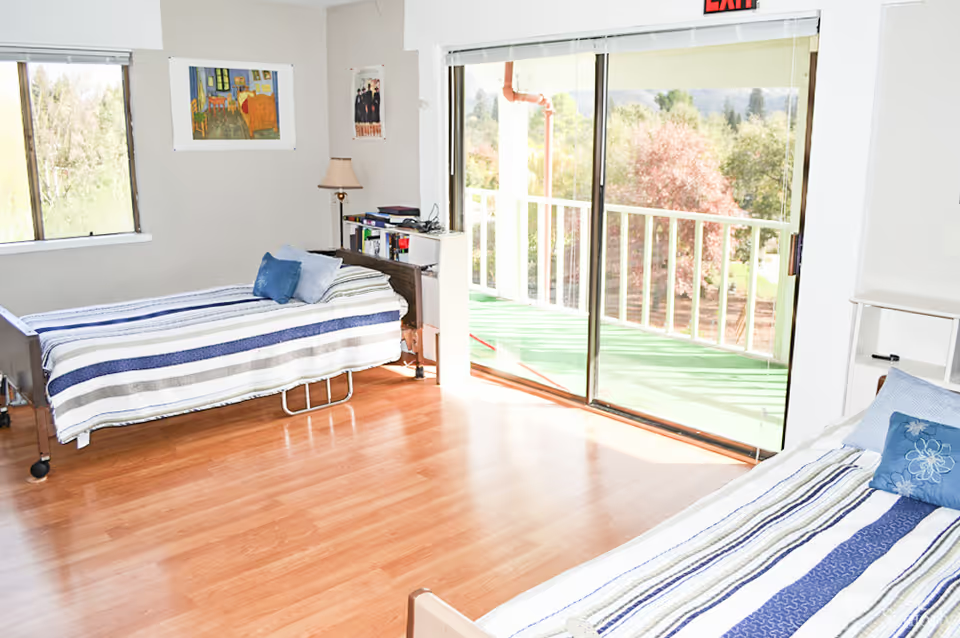
Facilities and environment: Grounds and common areas receive positive remarks—garden, patio, and mature trees contribute to an attractive setting—while interior impressions are mixed. Rooms have been remodeled and are kept clean, but unit sizes are generally small and studio-focused, lacking kitchenettes or private dining spaces; the overall feel was described by some as institutional or clinical. The building is older in parts and reviewers noted areas in need of maintenance, which may impact long-term comfort and ambiance.
Management and notable patterns: A clear pattern in the reviews is the tradeoff between individualized, compassionate care and certain operational limitations: constrained activity space, modest culinary offerings, inconsistent communication responsiveness, and occasional management-style friction. Pricing was described by some as high relative to the level of amenities and programming. For families considering this facility, recommended confirmation items include transportation reliability, activity schedules and space availability, menu flexibility and dining hours, language/communication accommodations, and detailed tour of room sizes and maintenance status.
Bottom line: Magnolia Garden appears to offer warm, person-centered care in a small setting with pleasant outdoor areas and several social programs. However, prospective residents should weigh those strengths against limitations in physical space, dining quality, activity breadth, and some administrative/communication issues. Direct, specific questions and multiple visits will help families determine whether the facility’s strengths match the prospective resident’s priorities.