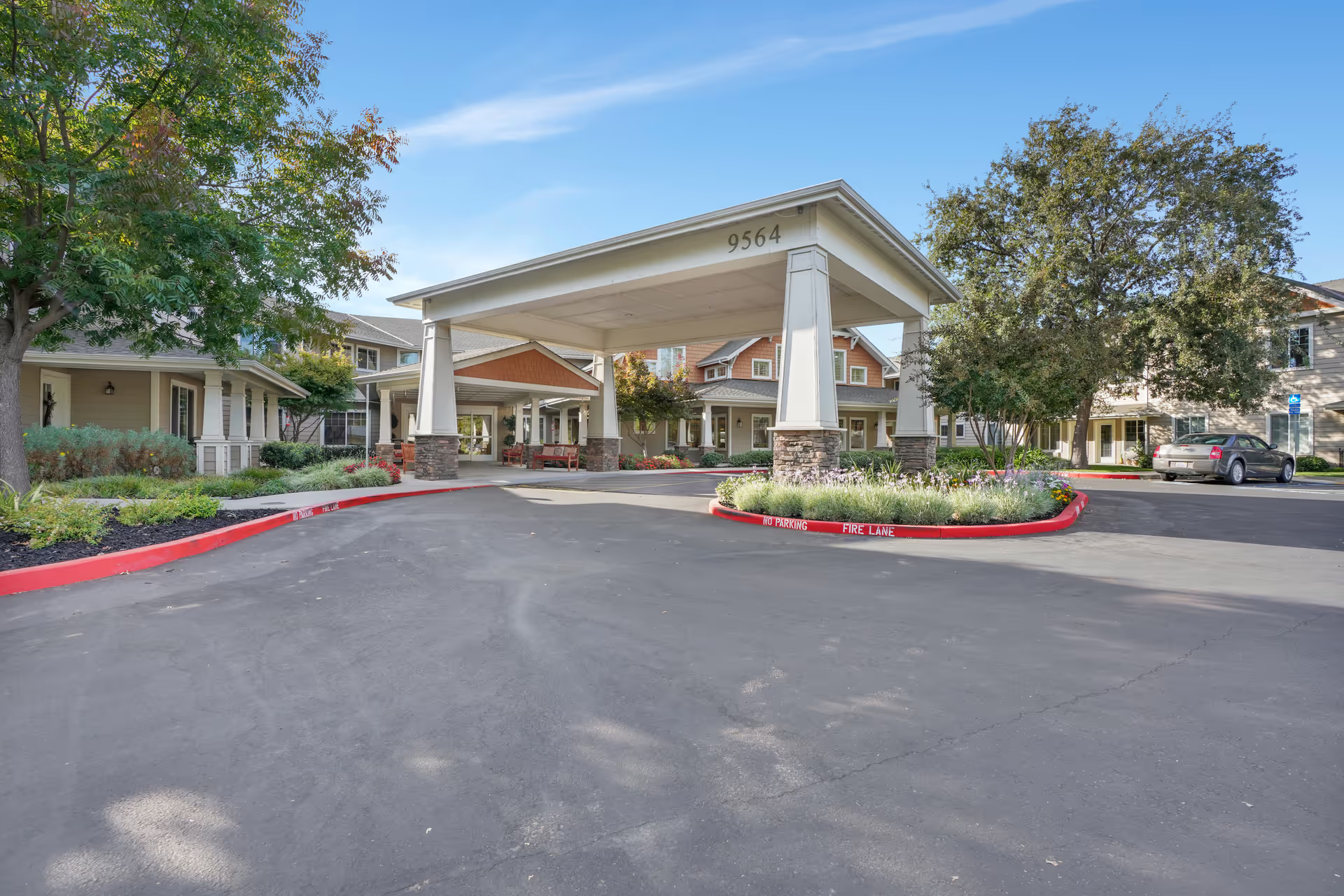
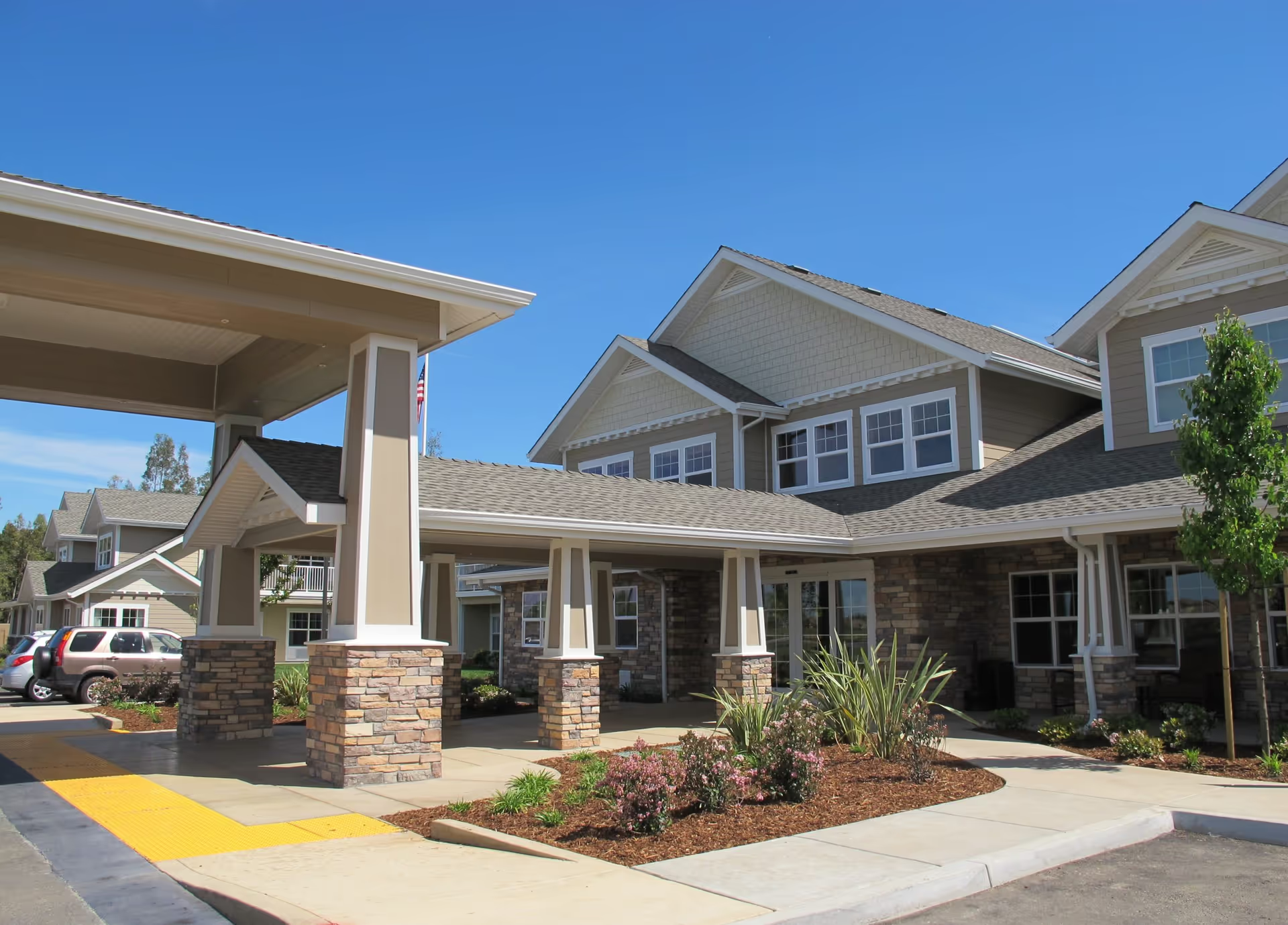
Reviewers describe a facility with substantial variability in resident experience. A clearly repeated strength is the direct care team: many accounts emphasize compassionate, attentive nursing staff and CNAs, plus effective physical therapy that produces measurable functional gains. Admissions and discharge coordination also receive positive mention in multiple reviews, including help with paperwork, benefits coordination, and arranging home-health services. Some families noted specific clinicians and front-line staff who provided clear communication and individualized attention. The site’s location, courtyard/dining areas, allowance of pet visits, and an activities program contribute to a home-like element for some residents.
At the same time, there is a consistent pattern of operational shortcomings that affect care reliability. Housekeeping and odor control are cited frequently, with concerns about cleanliness in rooms and common areas. HVAC reliability and building maintenance recur as issues — intermittent air-conditioning, portable units, and other band-aid solutions are described, creating comfort and ventilation problems. Staffing appears uneven across shifts: reviewers describe slow response to call lights, missed bathing or toileting assistance, and situations where staffing patterns did not meet resident needs. Related safety and care-process gaps include delays in incontinence care, inconsistent bathing schedules, and occasional equipment failures that affected comfort and risk.
Clinical coordination and administrative processes show mixed performance. Many families praised effective therapy teams and engaged clinicians; however, there are also reports of medication-management concerns, poor communication between nursing and therapy, and transport or scheduling errors that led to missed or late appointments. Infection-control and equipment-maintenance issues — including at least one serious infectious event cited by reviewers — underscore variability in clinical oversight. Several reviews also raised concerns about privacy, confidentiality, and the responsiveness of front-desk or management staff when families sought explanations or corrective action.
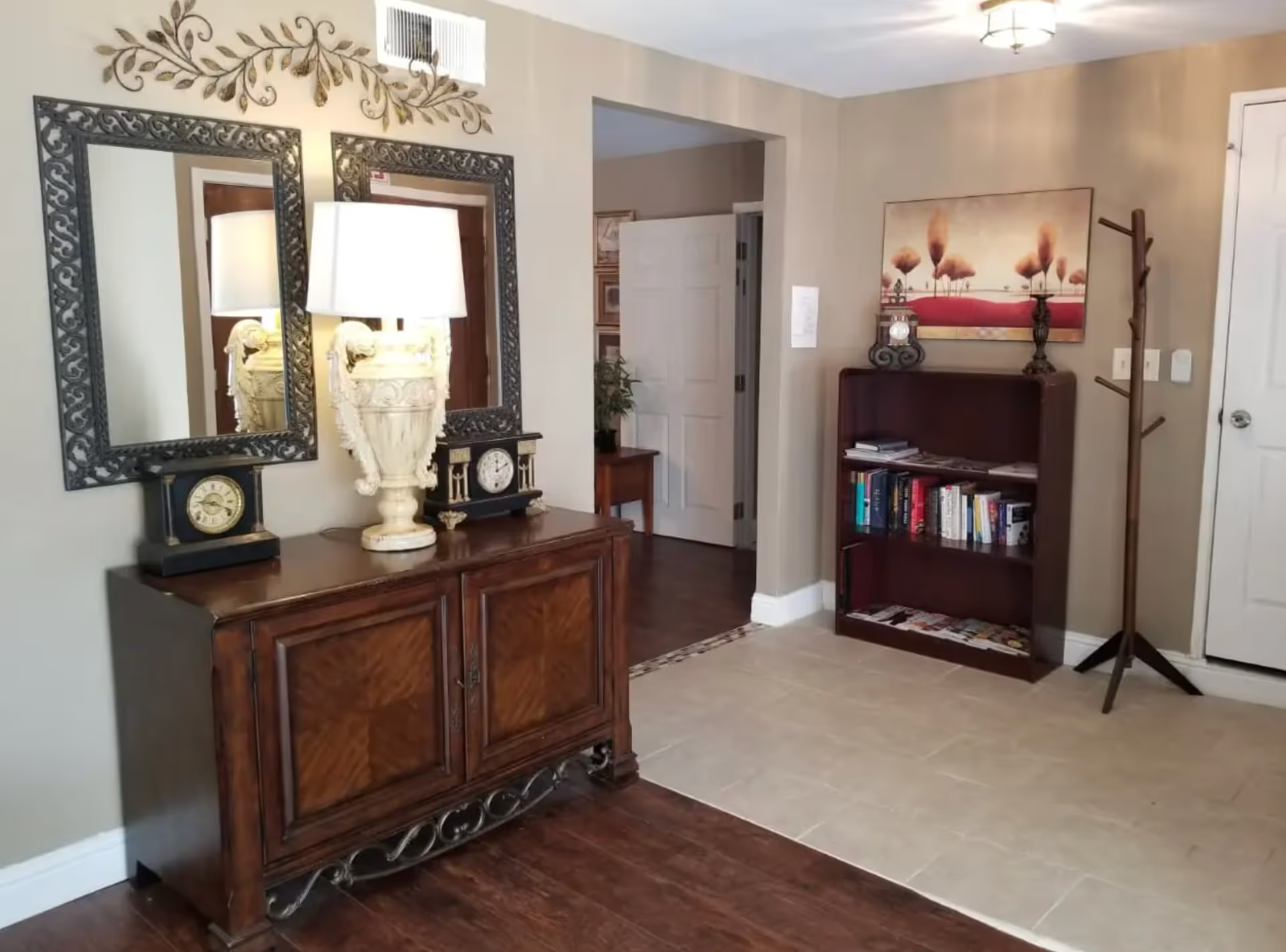
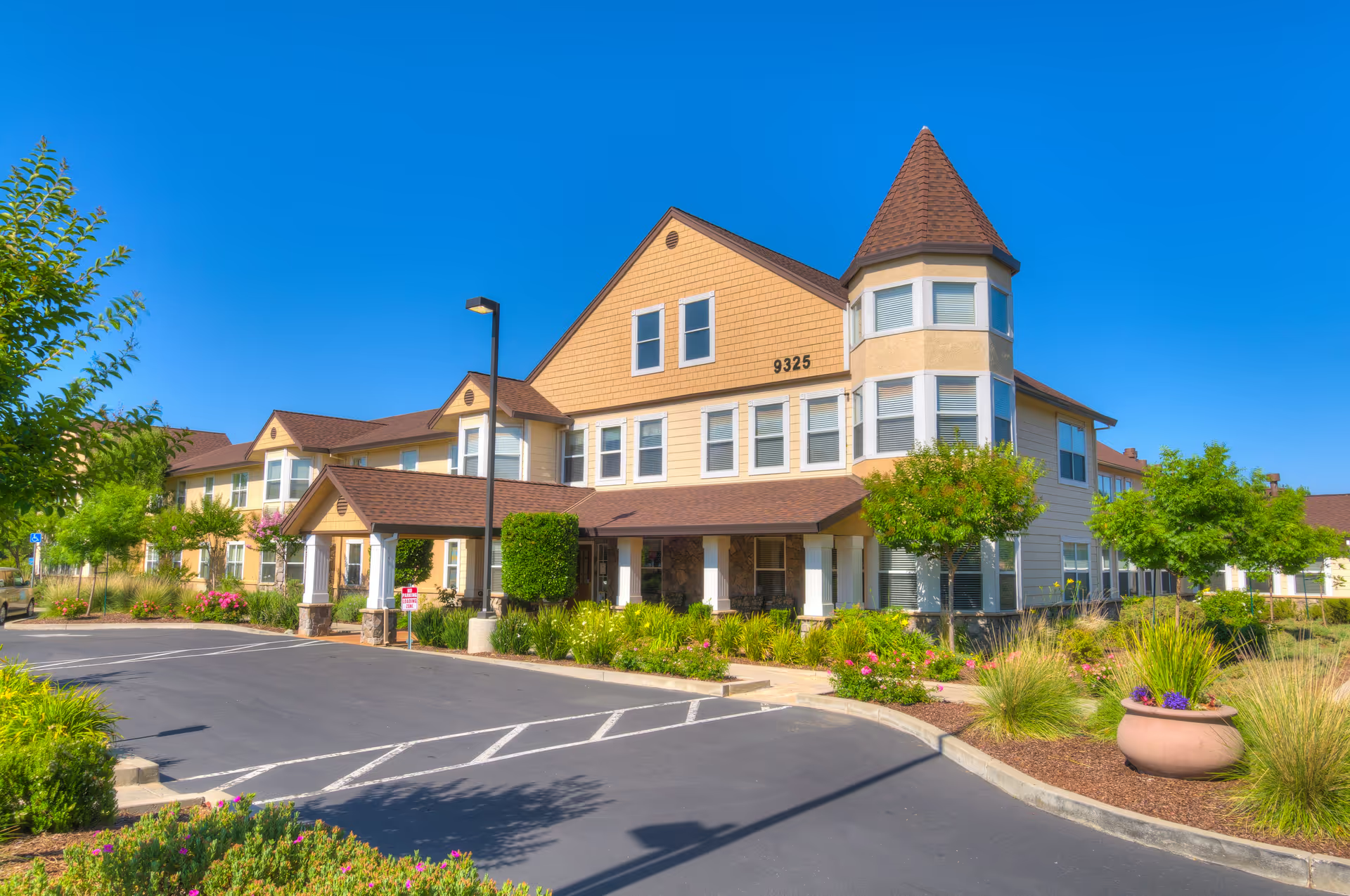
Dining and activities are described inconsistently: some reviewers found meals adequate and appreciated the dining spaces, while others reported frequent deviations from posted menus and generally poor meal satisfaction. The activities program exists but may be limited by staffing and facility capacity. The building itself is characterized as older and in need of renovation; reviewers recommended on-site inspection for ventilation, room layout, and safety features, especially when considering roommate arrangements.
Overall, Windsor Elk Grove demonstrates strong points in hands-on caregiving and therapy that can support meaningful recovery, particularly for short-term rehab stays. Concurrently, persistent operational weaknesses — sanitation and odor control, HVAC and maintenance reliability, staffing consistency, care-coordination, and administrative communication — create a polarized set of experiences. Prospective residents and families would be advised to tour during active hours, observe cleanliness and dining, ask about HVAC and infection-control protocols, review staffing patterns for the unit and shift they expect to occupy, and get clear answers about transport, medication-management processes, and privacy policies before admission.