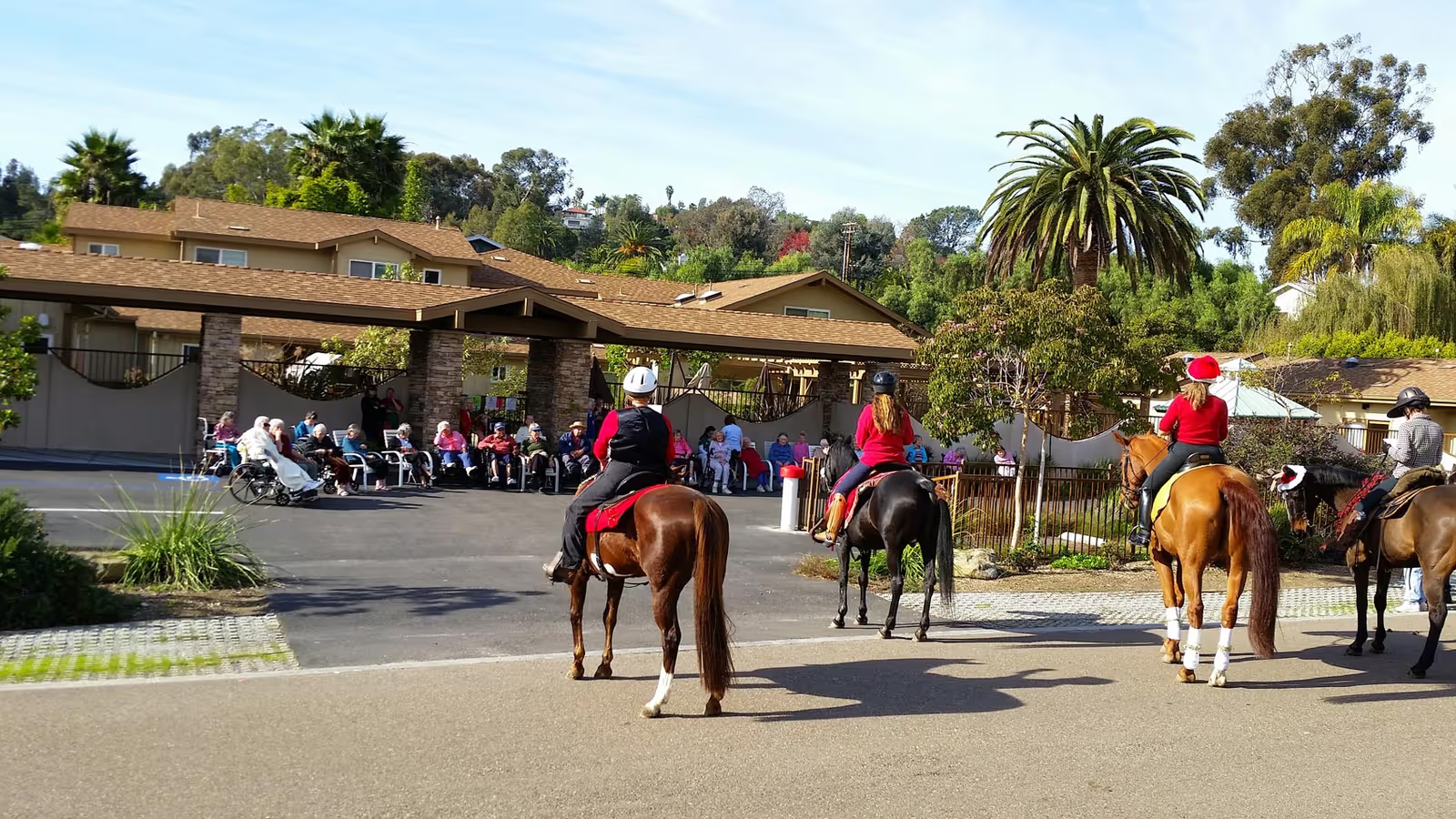
Reviews of Aviara Healthcare Center describe a facility with clear strengths in rehabilitation, therapy, and many frontline caregiver relationships, alongside recurring operational weaknesses that families should weigh when choosing care. The rehabilitation program — physical, occupational, and speech therapy — receives consistently strong praise for helping patients regain mobility and function; several reviewers credited therapy teams with measurable recovery gains and rapid progress. Therapy staff, including named therapists in some accounts, are commonly described as skilled, goal-focused, and effective. Activity programming and social engagement are also cited as positive contributors to residents’ quality of life.
Caregiving staff elicit mixed but frequently positive impressions. Certified nursing assistants and many nurses are described as compassionate, attentive, and personable; housekeeping and maintenance are repeatedly noted for keeping the building clean and bright, and outdoor spaces and natural light are valued. Social services and case management are often highlighted as responsive and helpful during transitions home, and the dietitian receives positive mentions for individualized nutrition guidance. At the same time, a pattern of variability emerges: while some families report exemplary, coordinated medical care and responsive management, others describe gaps in day-to-day clinical oversight.
Several operational concerns recur across reviews and point to systemic issues rather than isolated single events. Staffing levels and shift coverage, particularly at night, are the most frequently cited problem and are linked to slow response times, long waits for assistance, and delays with incontinence care and bathing. Relatedly, reviewers describe inconsistent medication administration and documentation as well as occasional failures to follow or communicate clinical orders; these issues have led some families to escalate concerns to management or pursue external advocacy. There are also reports of reliance on temporary staff, which reviewers say can reduce continuity and familiarity with individual residents’ needs.
Dining experiences are uneven: some residents and families praise the meals and nutrition support, while others characterize food quality as inconsistent and note long serving delays. Families who were dissatisfied sometimes supplemented meals from home. Infection‑related events and post-incident follow-up are noted in a few accounts; these descriptions warrant attention during tours and discussions with administrators about the facility’s infection-prevention protocols and notification practices.
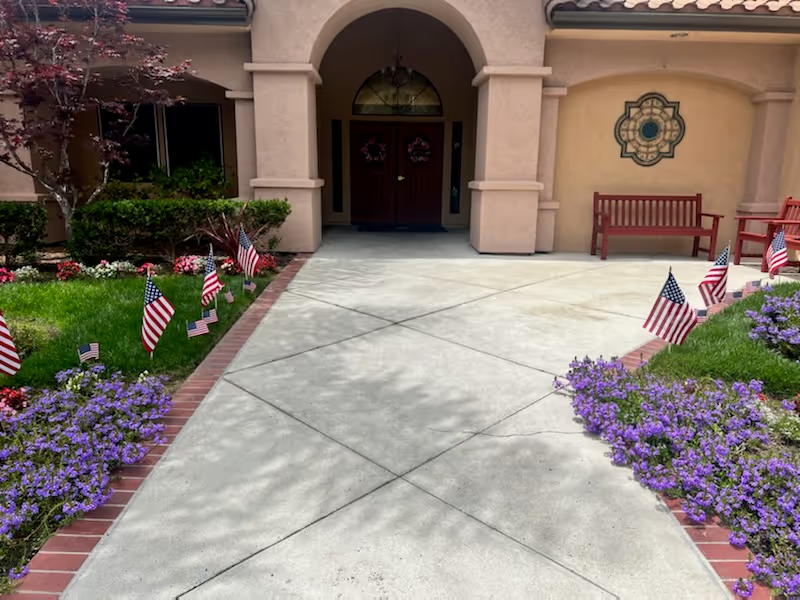
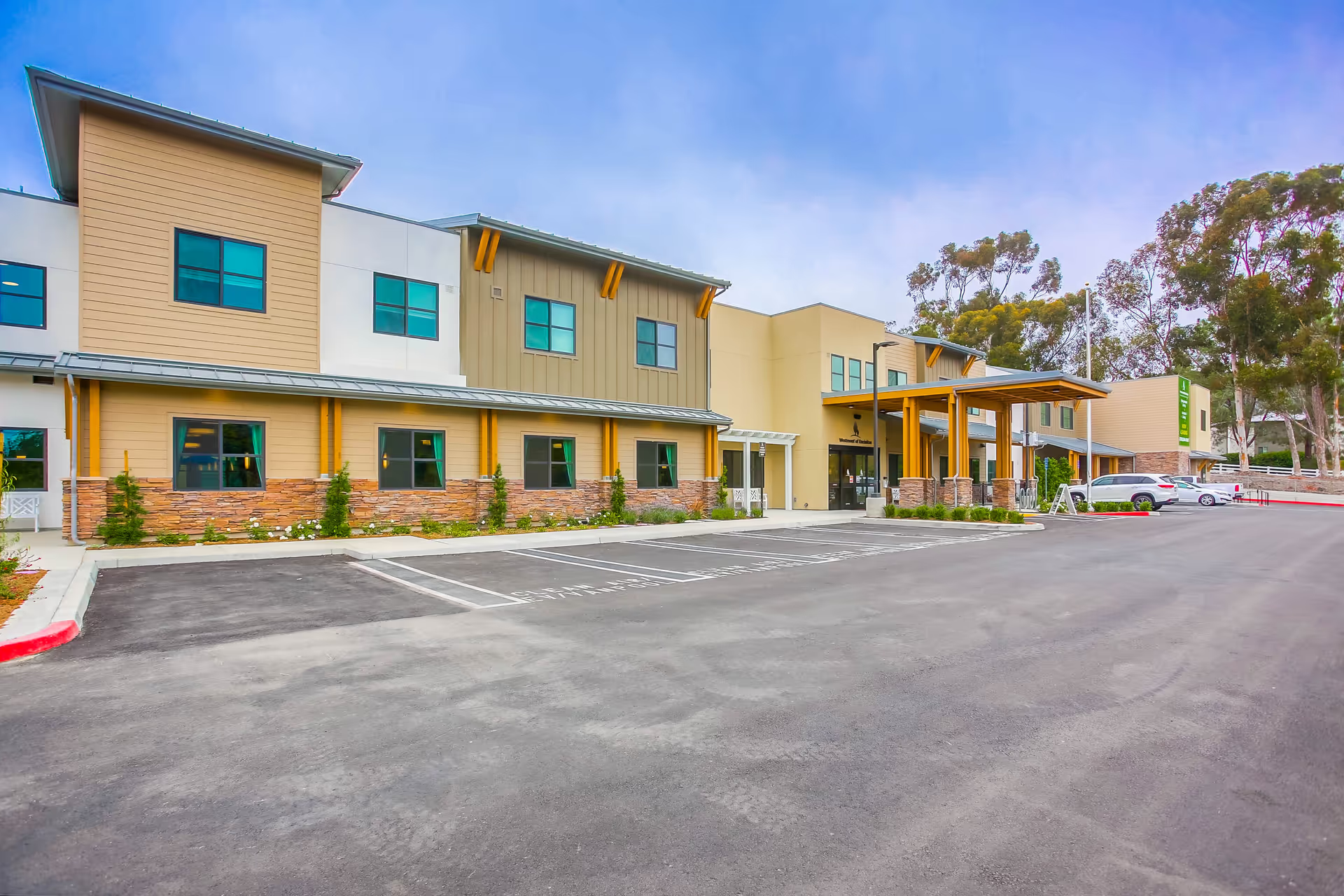
Facility environment and amenities are consistently praised. Many reviewers commend Aviara’s clean, well-lit interiors, comfortable semi-private rooms with garden views, and pleasant common areas. Housekeeping is repeatedly described as thorough, and maintenance responsiveness (blinds, outlets, equipment) is a positive point. Several reviewers also valued the facility’s hospice transition support and collaborative relationships with external physicians.
Taken together, the narrative is one of strong therapeutic and social programming and many dedicated caregivers, tempered by operational and staffing inconsistencies that can affect day-to-day care. Prospective residents and families should plan focused questions and observations during a tour: ask about current staffing ratios and night-shift coverage, review medication‑administration and clinical-order protocols, inquire about how the facility manages temporary staff and continuity, sample meal service timing and options, and request examples of infection‑prevention and incident‑response procedures. For short-term rehabilitation stays, Aviara’s therapy strengths may be a particularly good fit; for longer-term placements, families may wish to confirm staffing consistency and communication processes before committing.