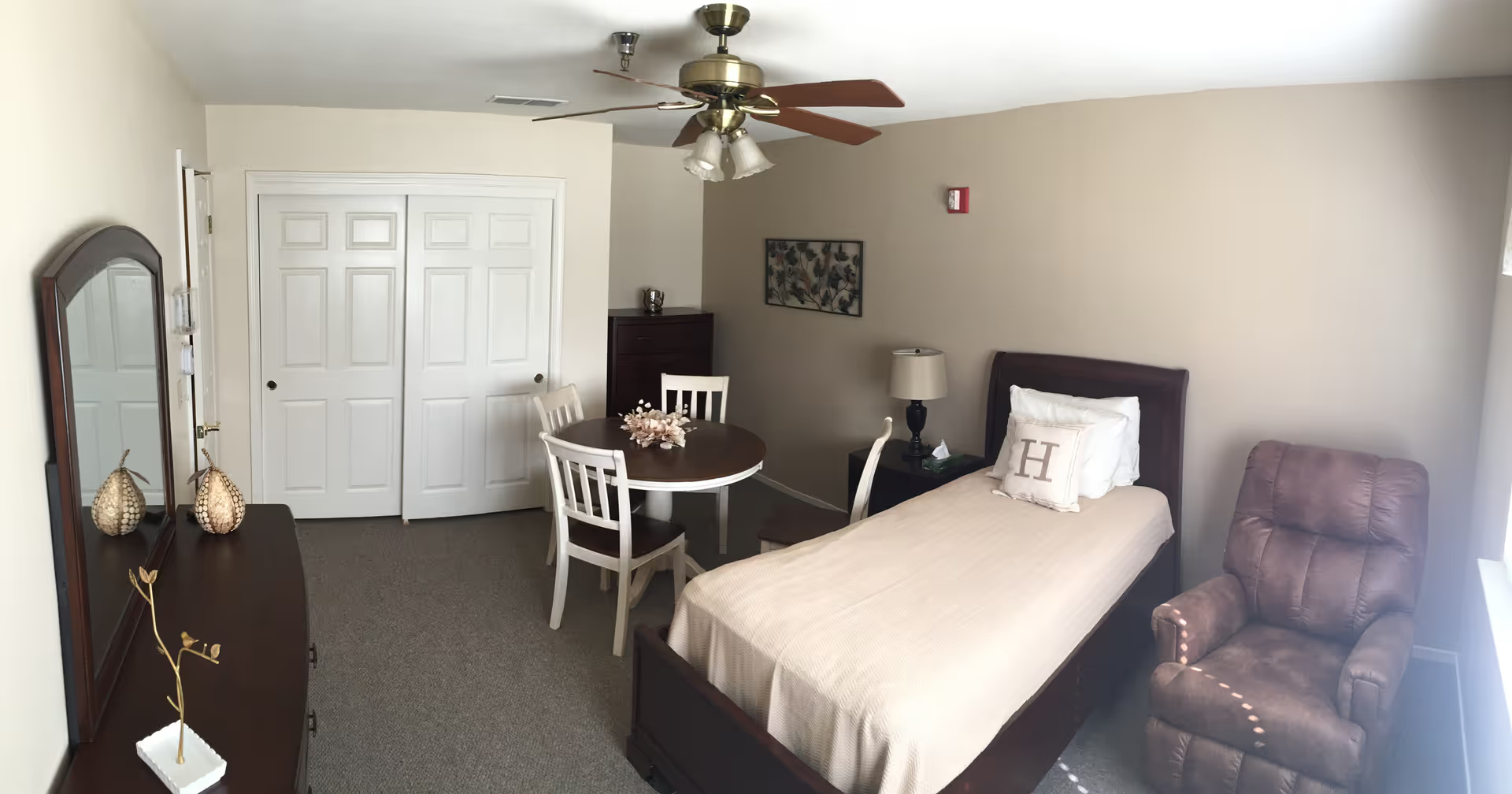
The reviews present a polarized picture of Fowler Care Center: many families and former residents praise the clinical teams, therapy services, and the facility’s recent improvements, while others describe operational shortcomings that affect resident comfort and safety. Positive commentary centers on nursing compassion, an engaged administrator, an effective rehabilitation program, and visible investments in the physical plant. Negative commentary focuses on lapses in day-to-day care processes, staffing consistency, and communication.
Care quality is described as strong in several areas. Multiple accounts highlight committed nurses, positive therapy outcomes with physical and occupational therapists, and attentive grooming and personal-care routines. The rehabilitation team is repeatedly credited with helping patients meet goals, and families noted meaningful activity programming and community involvement that contribute to a home-like atmosphere. At the same time, some families reported serious care-process concerns: delays in staff response (particularly overnight), inconsistencies in medication administration, and uneven CNA performance that can affect dignity and comfort.
Staff and management impressions are mixed. Many reviews single out an administrator and select nurses as responsive and professional, and they describe strong teamwork and staff dedication. Conversely, other narratives point to gaps in staff training, especially on night shift, and variability in how CNAs and support staff perform core tasks. Communication shortfalls — between staff and families, and between facilities during transfers — were raised as recurring operational issues, as was difficulty obtaining medical records in a timely manner.
Dining and clinical-support areas show similar contrasts. Positive notes emphasize day-to-day cleaning, resident grooming, and a generally welcoming dining environment. However, specific concerns were raised about diet suitability for residents with therapeutic needs (diabetic meal consistency) and risks related to hydration and meal delivery. The facility has invested in renovations and cleanliness improvements; reviewers frequently remarked that the building feels more homey and better maintained under newer ownership, though some sanitation and cleanliness inconsistencies were still reported.
Other notable patterns include allegations of missing personal items and difficulty accessing documentation; such claims point to potential weaknesses in property-control and records processes that prospective families should clarify. The overall tenor of the reviews suggests a facility undergoing transition: clear strengths in therapy, leadership, and certain clinical staff, alongside operational weaknesses that appear to cluster around staffing consistency, night supervision, medication handling, communication, and transfer coordination.
For prospective residents and families: consider an on-site visit that includes conversations with the administrator and nursing leadership, ask for current staffing ratios and night-shift supervision practices, review medication-administration protocols and diabetic-diet menus, and clarify policies for personal-property control and medical-records access. These focused inquiries can help balance the facility’s demonstrable rehabilitative and person-centered strengths against the operational concerns raised in some reviews.