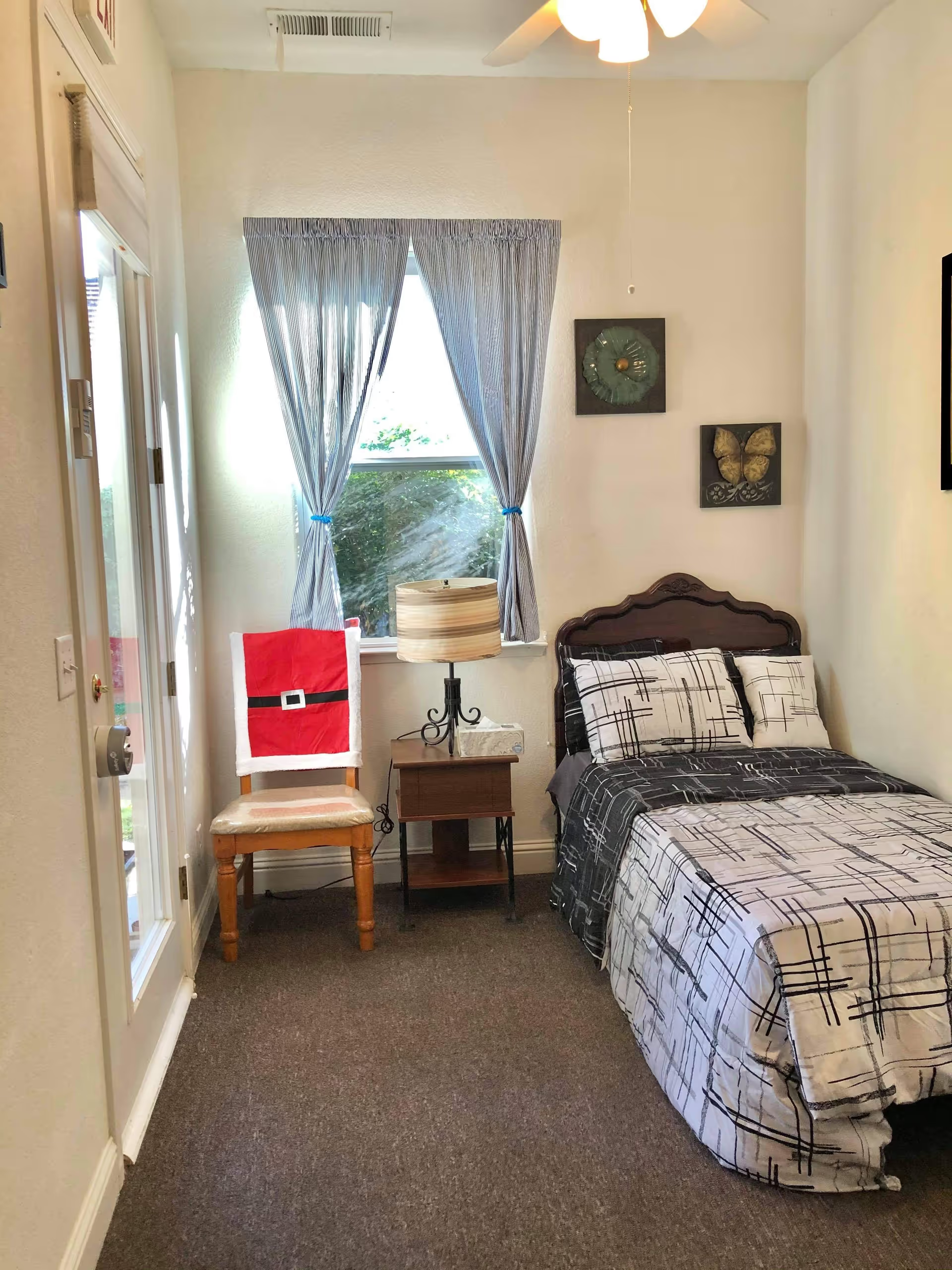
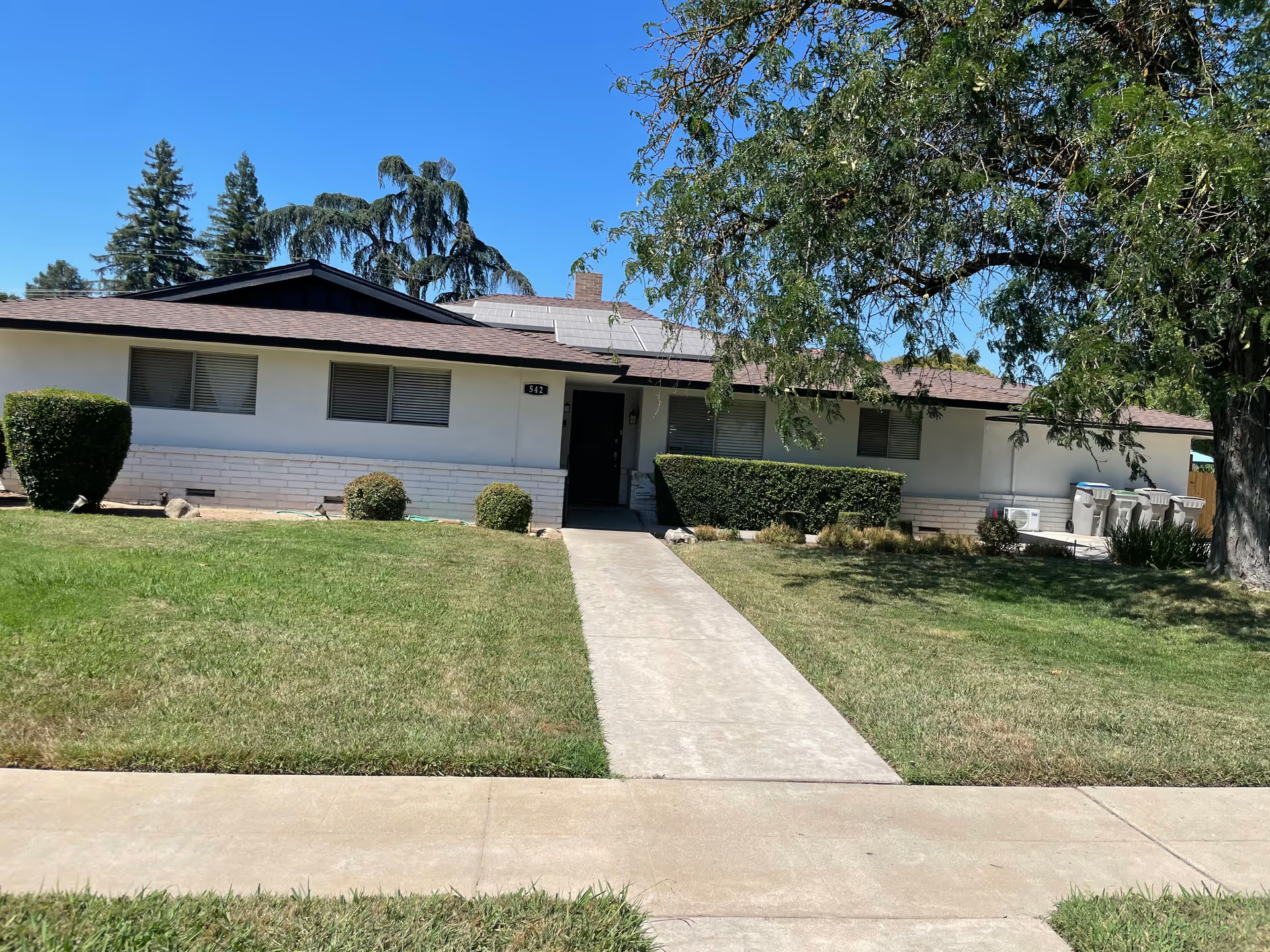
Overall impression: The reviews present a consistently positive picture of daily life at this facility, with particular emphasis on staff quality, individualized attention, and a clean, home-like environment. Families conveyed confidence in caregiving, frequent communication from staff, and satisfaction with coordination of clinical supports such as physical therapy and hospice. The facility’s location and upkeep are also described favorably.
Care and staff: Care quality is the most emphasized strength. Caregivers are described as compassionate, attentive, and skilled at providing personalized plans and routine assistance such as grooming and medication management. Several accounts highlight staff responsiveness, dependable interactions, and a family-like relationship between staff and residents. Coordination with outside clinical partners (physical therapy and hospice) is noted as a positive element supporting residents’ continuity of care.
Dining and activities: Dining is portrayed as a positive aspect of daily life, with multiple mentions of home-cooked meals that residents and families appreciate. Social programming appears focused on social engagement and basic physical activity — examples include celebrations, walks, outings, watching sporting events, and structured exercise or therapy classes. The overall environment is described as warm, peaceful, and supportive, promoting resident well-being and opportunities for social interaction.
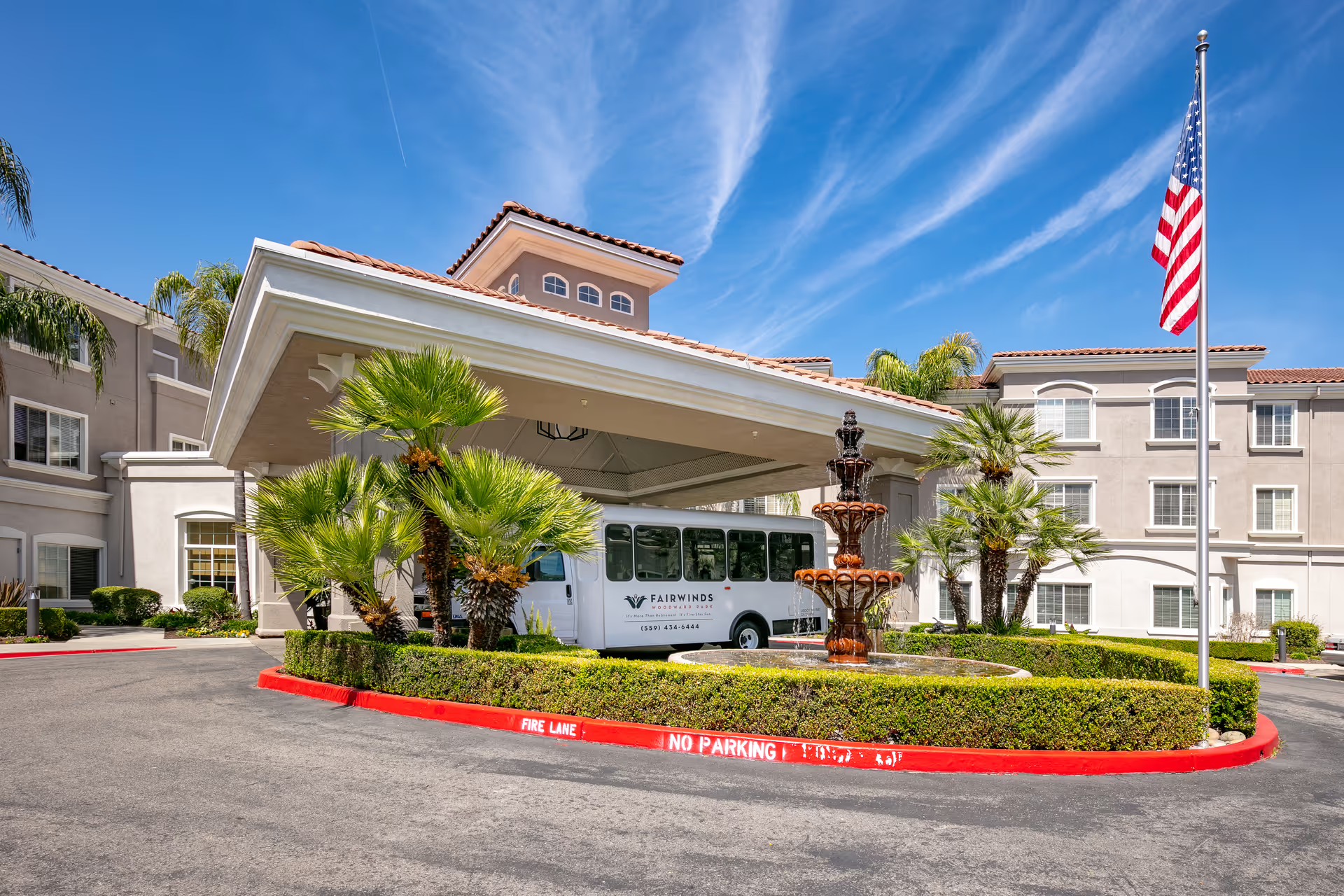
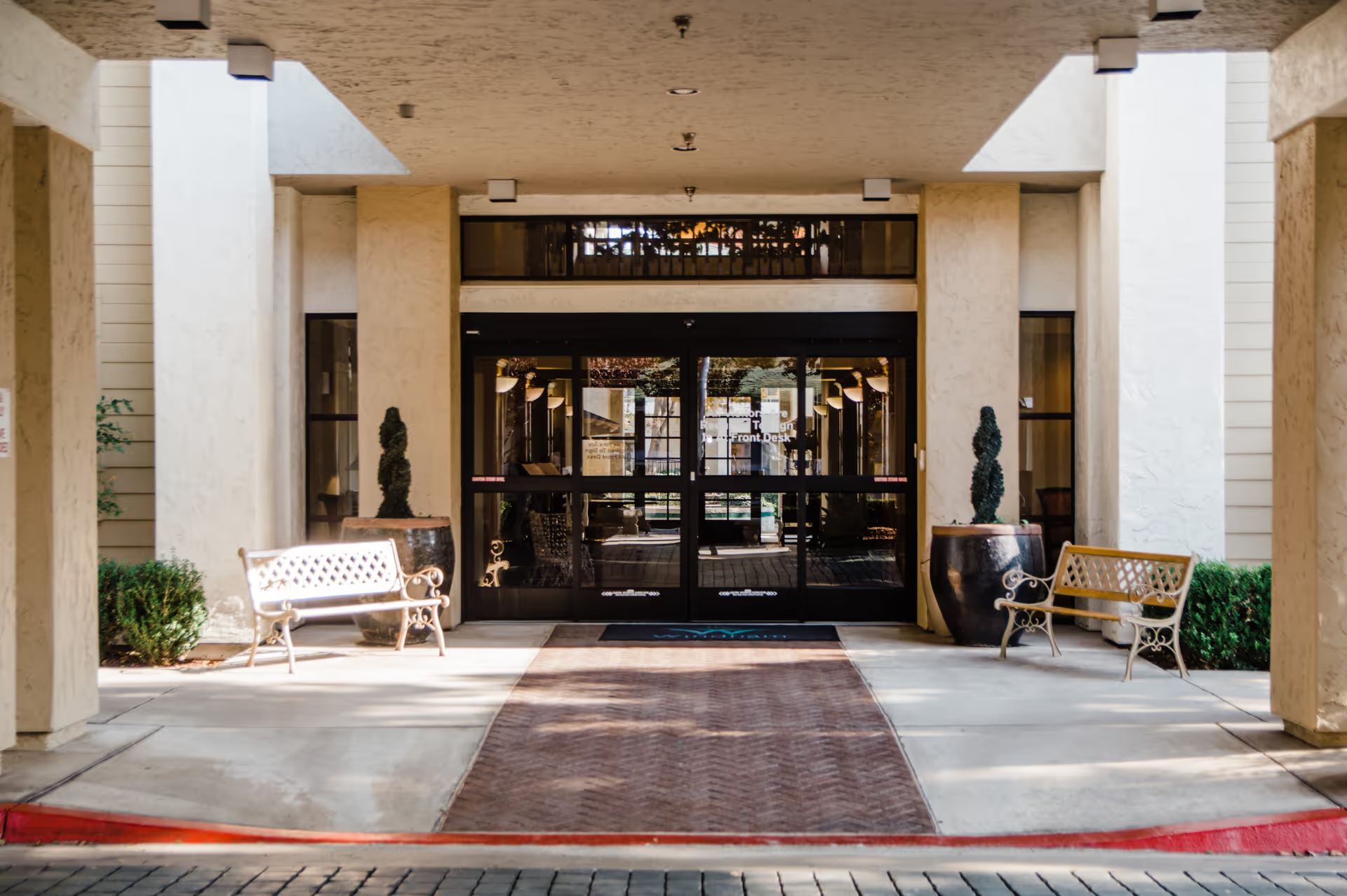
Facilities and management: Reviewers praise the facility’s cleanliness, safety-focused design, and well-maintained interior. Management is associated with strong communication and dependable service, contributing to family peace of mind. The atmosphere is repeatedly characterized as comfortable and home-like rather than institutional.
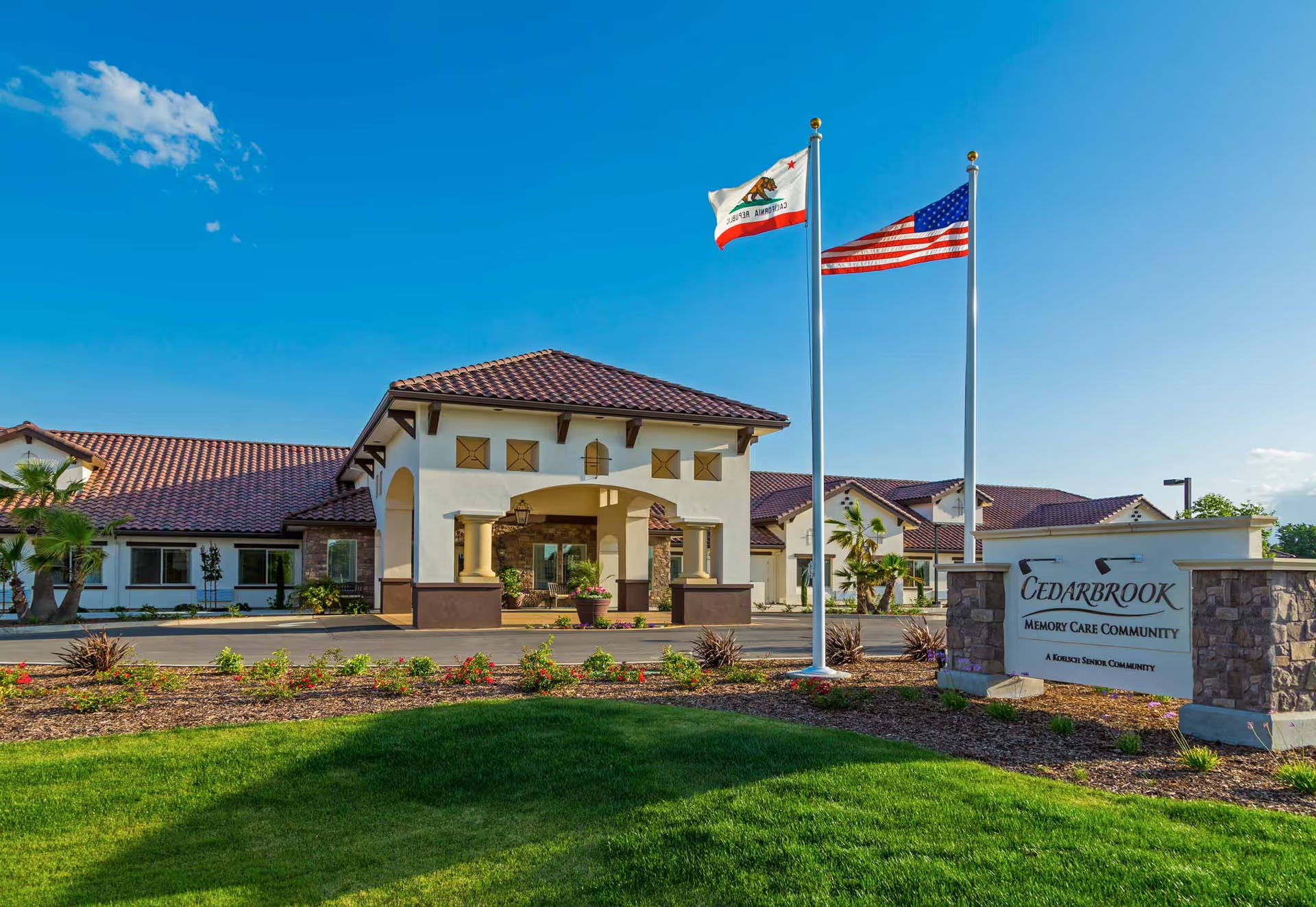
Notable patterns and considerations: The available commentary is heavily positive and emphasizes relational care and daily living supports. Areas where prospective families may want additional information include documented clinical staffing levels across shifts, specific dementia- or memory-care programming and protocols, detailed pricing and contract terms, and formal incident-response and family-notification procedures. Requesting written policies on staffing, specialty-program availability, medication-administration procedures, and examples of family communication after clinical events can help validate the strengths described in reviews and clarify any operational questions before placement.