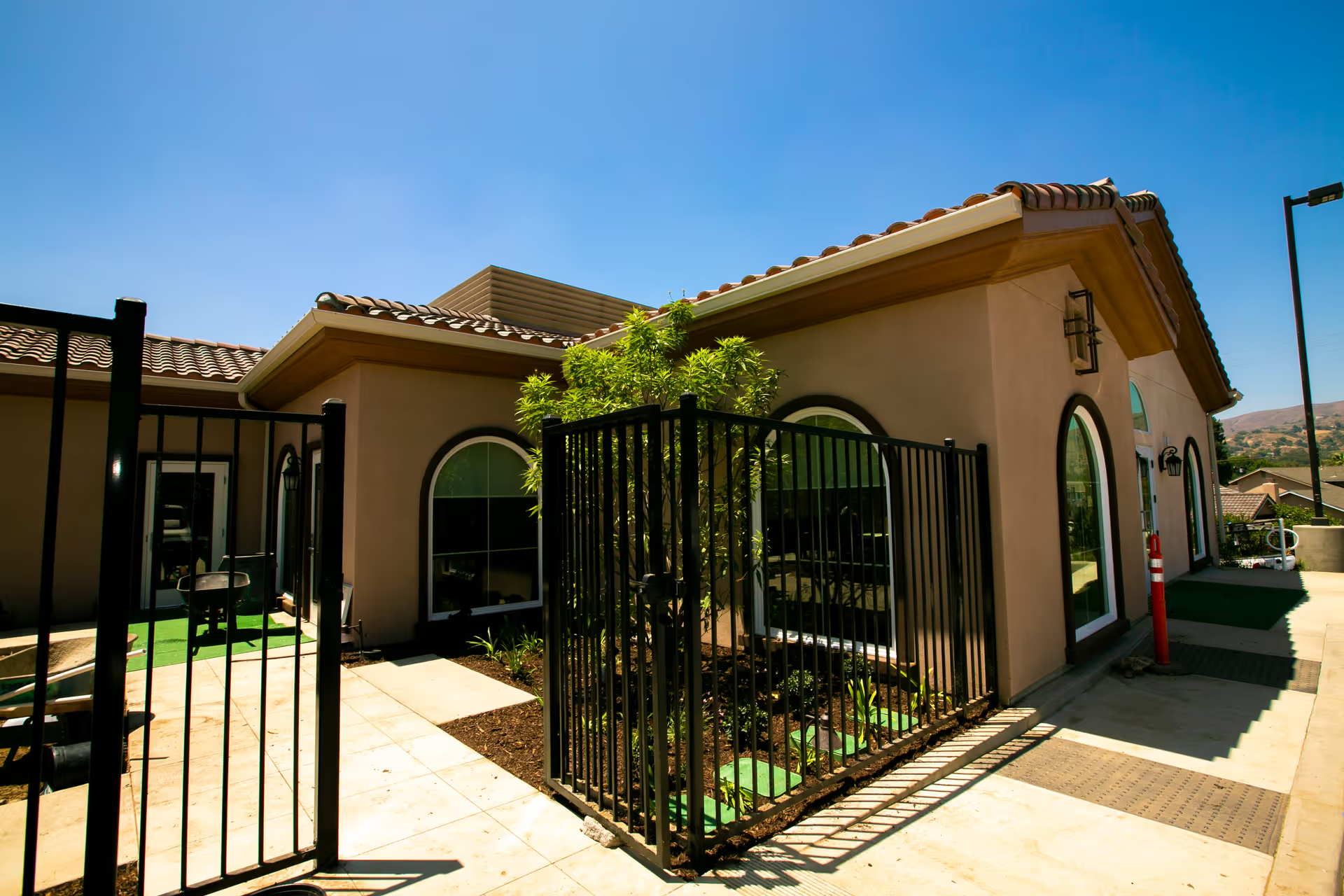
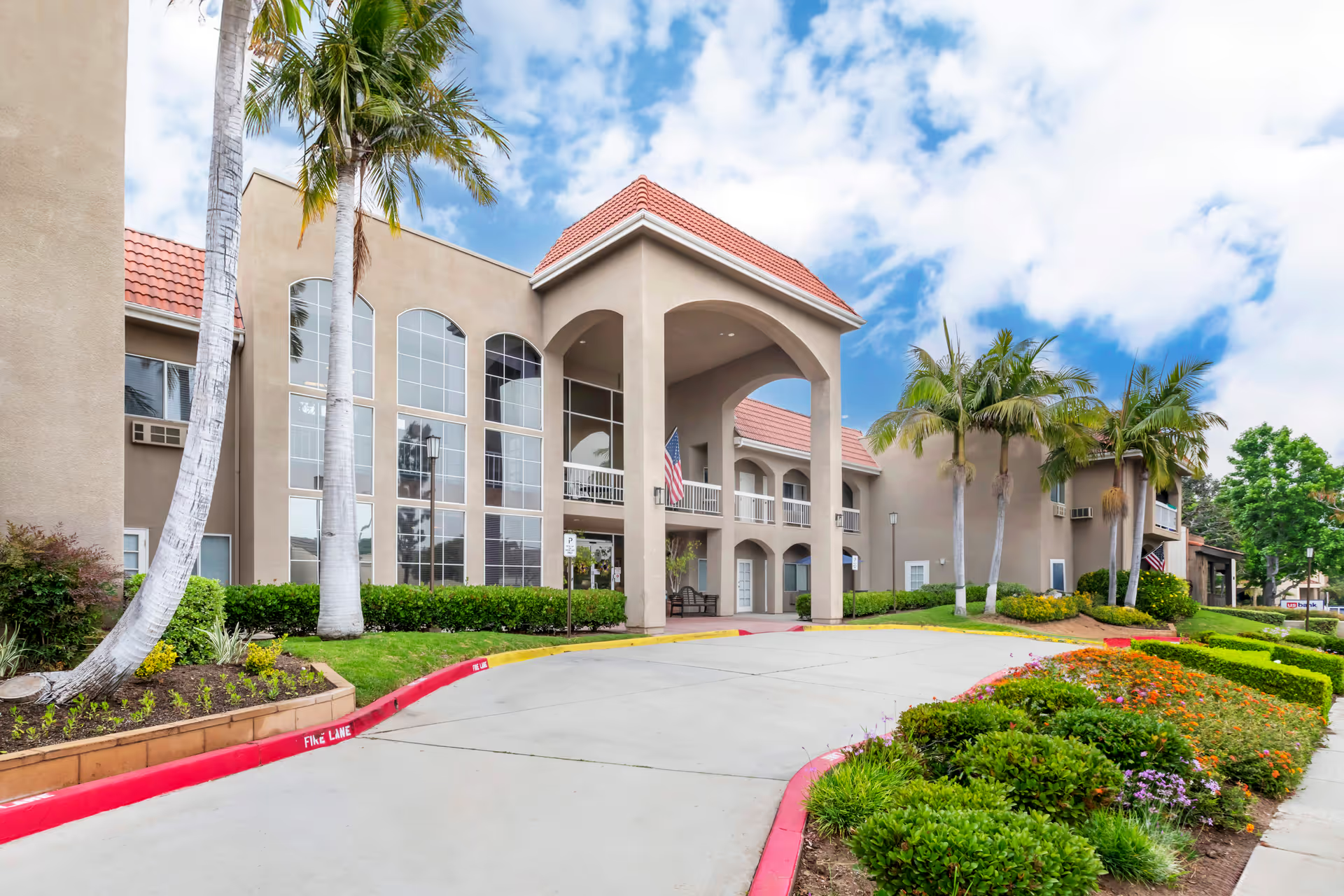
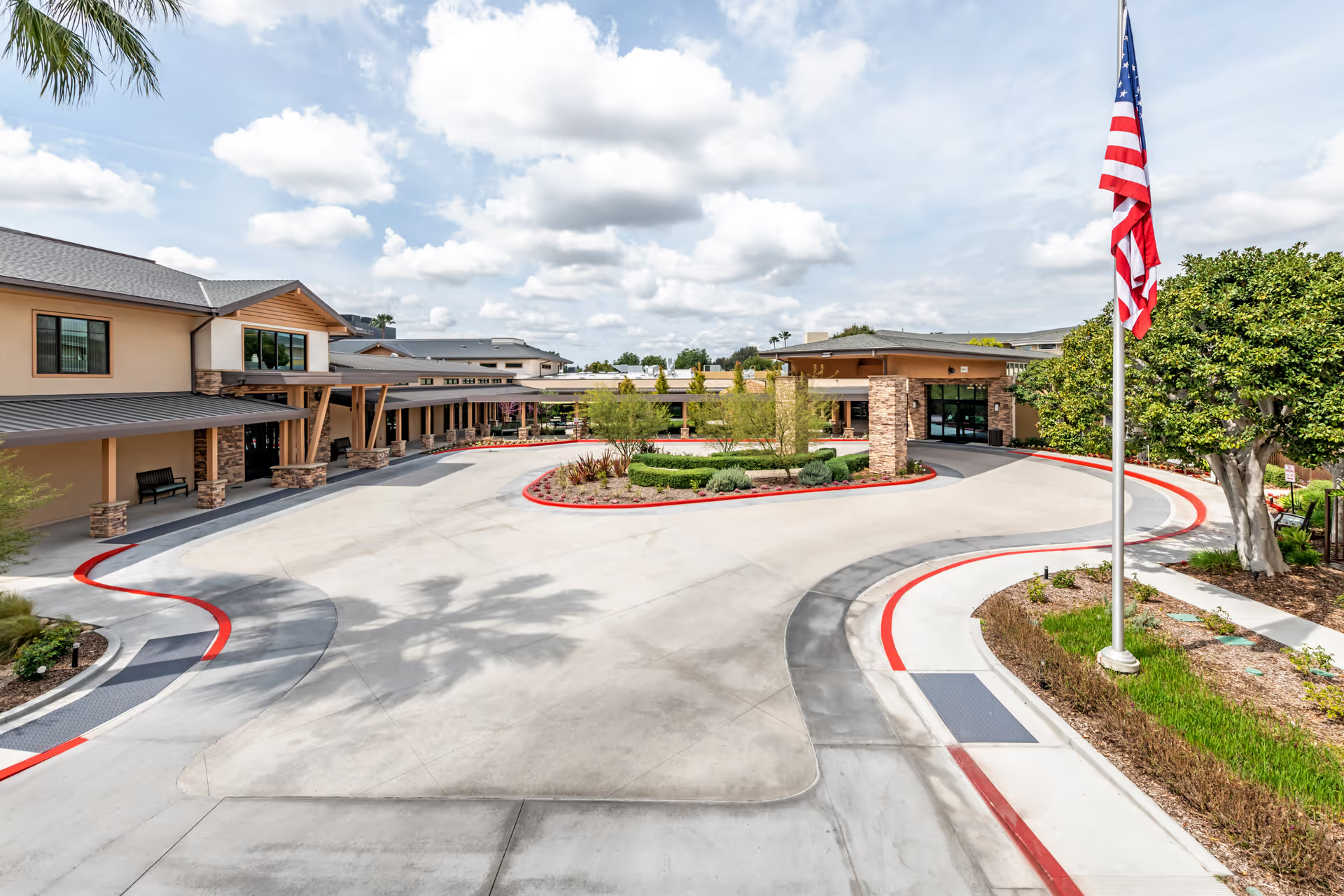
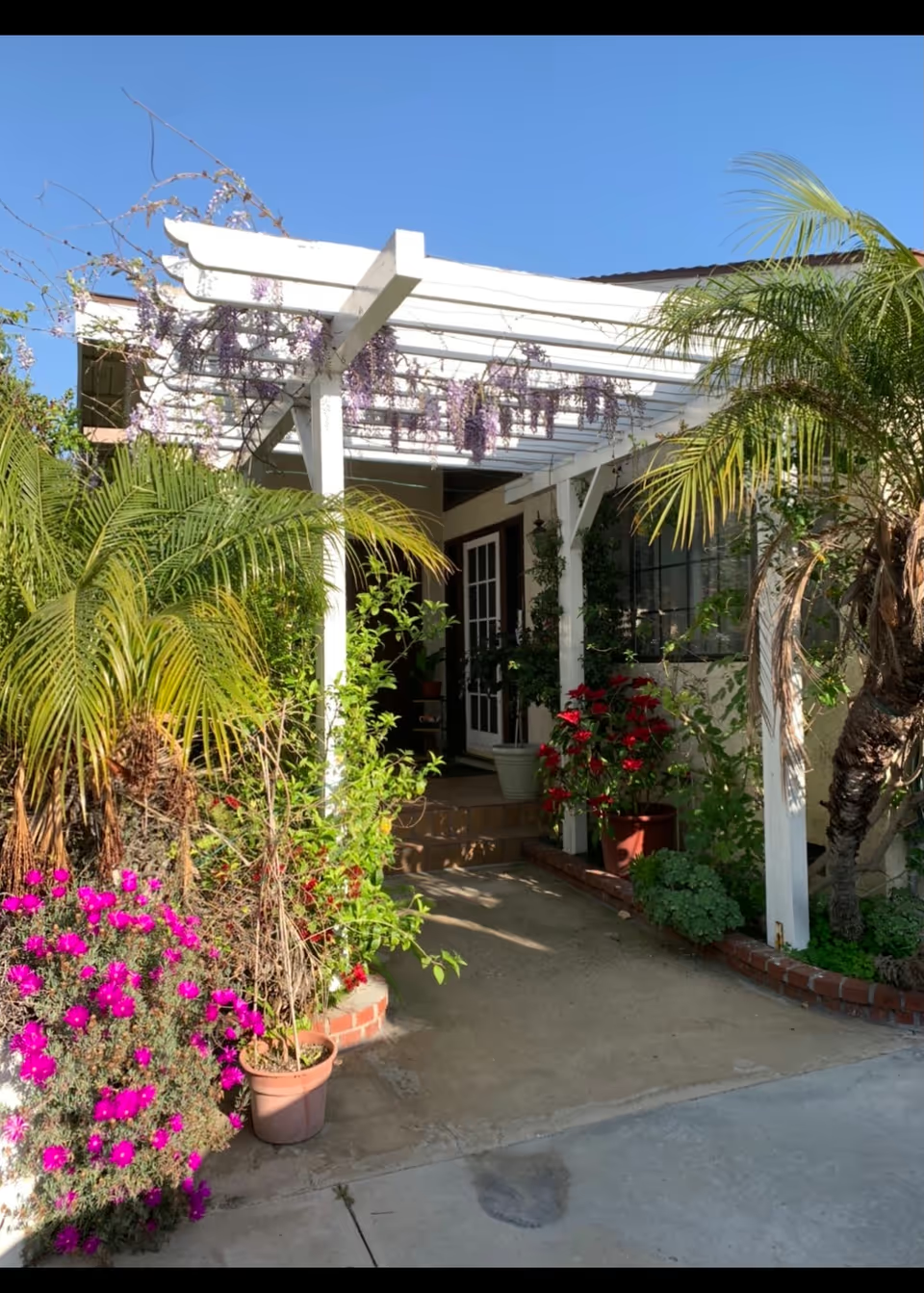
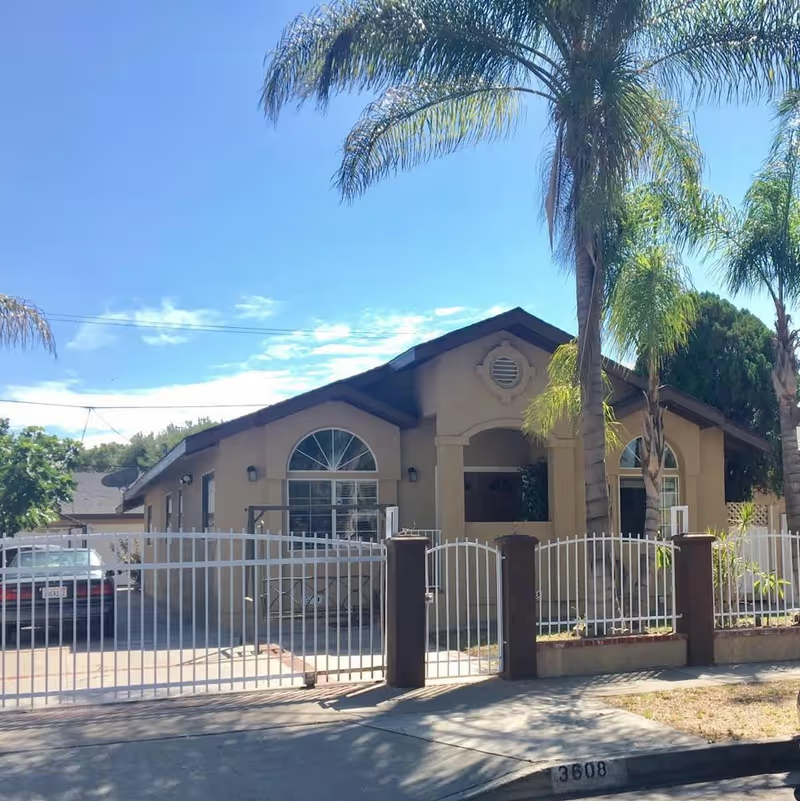
The Pavilion at Sunny Hills receives consistently strong praise for its rehabilitation services and many frontline caregivers. Reviewers emphasize a robust physical-therapy and occupational-therapy program delivered in large, well-equipped therapy rooms by staff described as skilled, motivating, and recovery-focused. Families frequently credited the multidisciplinary team — including wound-care clinicians and consulting physicians who make mobile rounds — with producing measurable functional gains. Private, spacious rooms with in-room refrigerators and large-screen TVs, regular housekeeping, a well-kept garden and outdoor spaces, and a welcoming admissions experience are also commonly cited strengths.
Clinical and bedside care impressions are mixed but often positive. Numerous accounts commend compassionate CNAs and attentive daytime nursing, as well as accessible case managers and social workers who facilitate care coordination. Several families specifically noted thoughtful end-of-life care and comfort-focused support. However, reviewers also describe operational variability: staffing levels fluctuate, especially overnight and on some shifts, producing delays in call-light response, toileting checks, and assistance. These staffing inconsistencies are associated with lapses in basic care routines (bathing and incontinence-care timing) and occasional transfer-safety concerns.
Dining and activities are generally viewed as adequate to good. The facility offers daily programming, themed events, and outings that families appreciated. Dining includes varied menus and some well-liked dishes, but meal-temperature control, inconsistent presentation, and limited customization for specific diets (for example, carbohydrate-controlled or lactose-restricted options) were recurring critiques. Maintenance and housekeeping are often praised for keeping rooms clean and updated, though reviewers also cited sporadic repair delays and a few areas needing upkeep.
Management and communication show a split pattern. Names of accessible and effective administrators, case managers, and social workers appear repeatedly; those staff members are credited with smoothing admissions, coordinating care, and responding to questions. At the same time, other families experienced difficulty reaching front-desk staff or case managers, voicemail problems, confusing points of contact, and billing/insurance coordination challenges that affected discharge planning. Night-shift responsiveness and front-desk availability were particular pain points for some reviewers.
A minority of reviews describe serious adverse events and troubling individual incidents — medication-timing issues, lapses in clinical documentation, missing personal items, and allegations involving theft and record irregularities. These accounts, when combined with reports of understaffing and variable practices, point to operational risk areas that warrant direct follow-up. Prospective families should balance the facility’s strong rehabilitation capabilities and many compassionate caregivers against documented variability in staffing, communication, medication administration controls, and property-management processes.
Practical questions for prospective residents and families include: current staffing ratios by shift (including night coverage), protocols for medication administration and documentation, fall- and transfer-safety procedures, how personal items are tracked, expected frequency and timing of family updates, diet customization options, and the facility’s escalation pathway for clinical concerns. Visiting during different shifts and meeting the therapist and nursing teams who would be assigned to a loved one can help assess consistency and fit. Overall, The Pavilion at Sunny Hills appears to offer high-quality rehabilitation and many devoted staff members, but families should confirm operational safeguards and communication practices before placement.