Overall impression: Pacific Haven SubAcute and Healthcare Center is characterized by strong rehabilitation services and a broadly praised caregiving culture, alongside a set of recurring operational concerns. Many accounts emphasize rapid functional gains, attentive nursing, and a family-like staff approach; however, isolated but serious issues related to medication handling, property security, and administrative coordination also appear in the feedback. Prospective residents and families should weigh the facility’s rehabilitation strengths against these operational considerations.
Care quality and clinical services: The facility is frequently endorsed for its physical, occupational, and speech therapy programs. Reviewers describe measurable mobility progress, stair- and transfer-focused training, specialized interventions (for example, swallowing treatments that improved oral intake), wound care expertise, and proactive vital-sign monitoring and infection-control practices. Nursing and allied staff are often described as attentive and responsive. Counterbalancing these positives are accounts indicating medication-administration and documentation lapses and concerns about transfer and equipment protocols for certain post‑operative pathways (notably joint‑replacement rehab). These patterns suggest strong routine rehabilitation care but variable reliability in medication controls and some specialty-equipment readiness.
Staff, culture, and communication: Many narratives highlight compassionate, personalized care from CNAs, nurses, therapists, and case managers; specific staff members and team collaboration are commonly singled out for praise. The activities and social-work teams are also viewed as engaged and communicative. At the same time, there are reports describing inconsistent staff conduct, communication tone issues, and language-barrier challenges that can affect family interactions and daily care experiences. Additionally, there are allegations of theft and property mishandling that raise trust and security concerns; these accounts are serious and should prompt direct inquiry about property policies and resident safeguards during a tour.
Dining and activities: Dining receives generally favorable comments—many describe above-hospital-quality meals, accommodating kitchen staff, and culturally tailored menu options. The activities program is portrayed as active and varied, with frequent events, art and crafts, and structured engagement for cognitive impairment. However, reviewers also describe inconsistency in dietary accommodations (for example, special-sodium diets not always met), occasional cafeteria-style service, and isolated issues such as missing laundry items. Families should confirm dietary accommodation processes and laundry/property protocols up front.
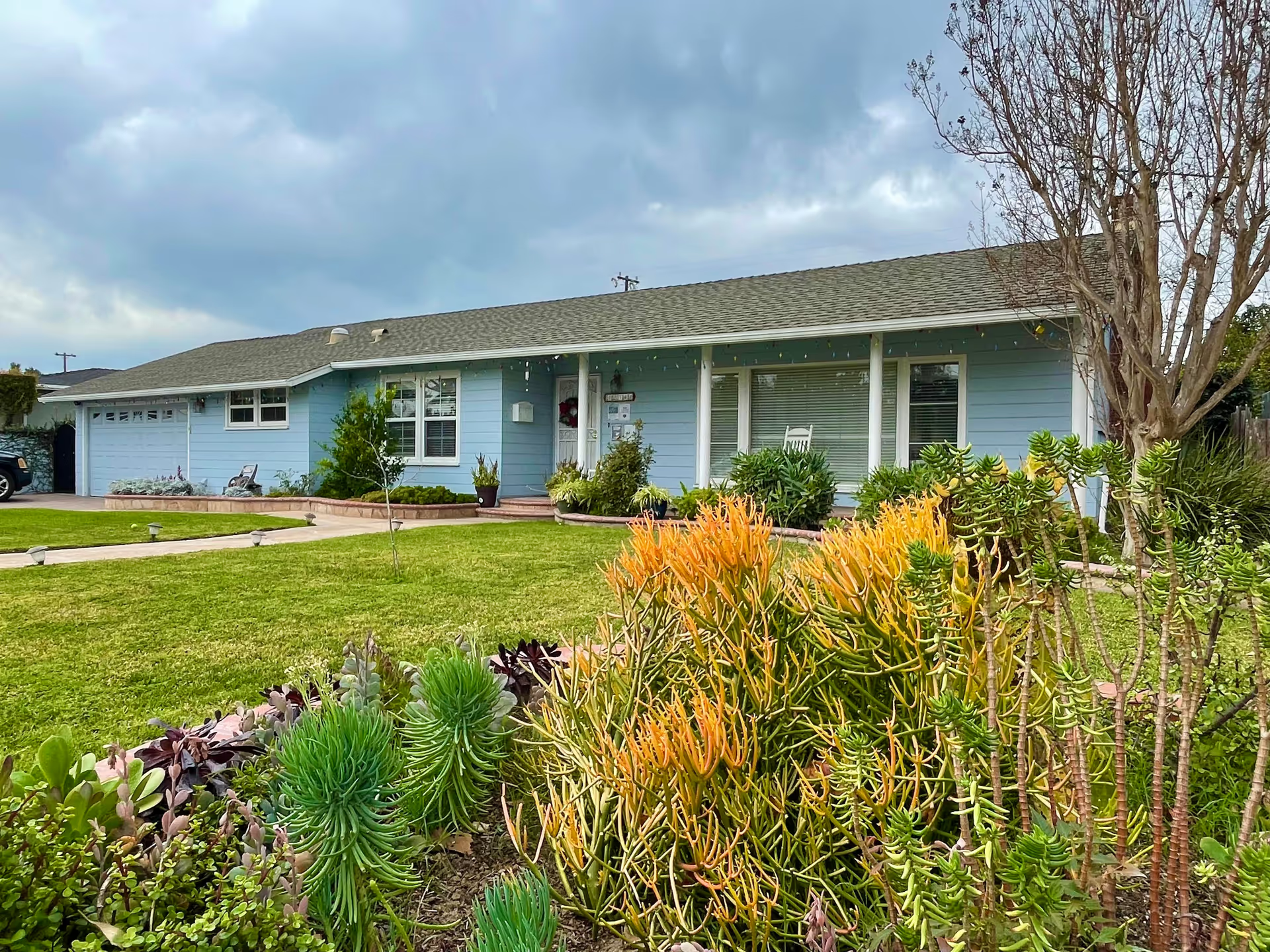
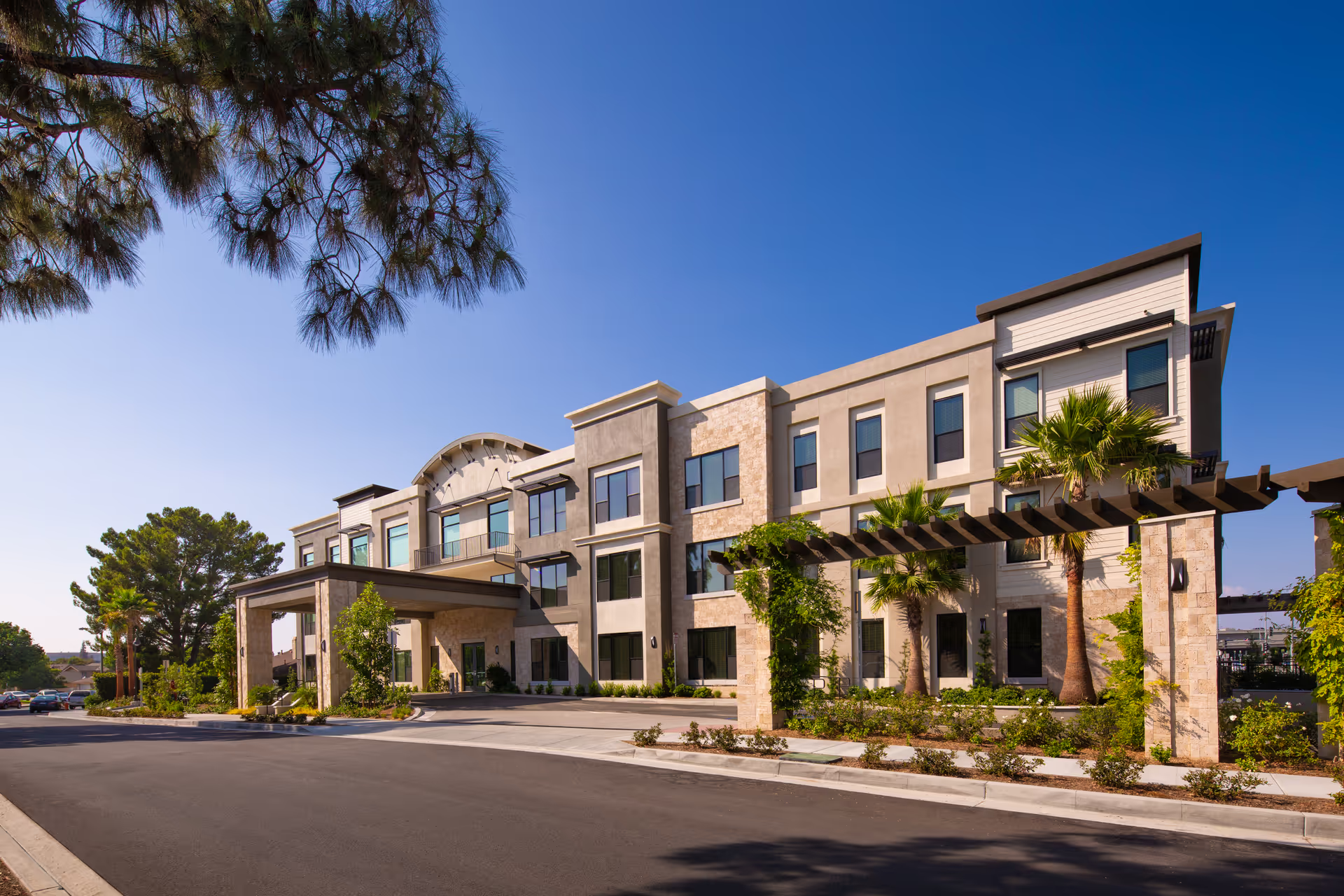
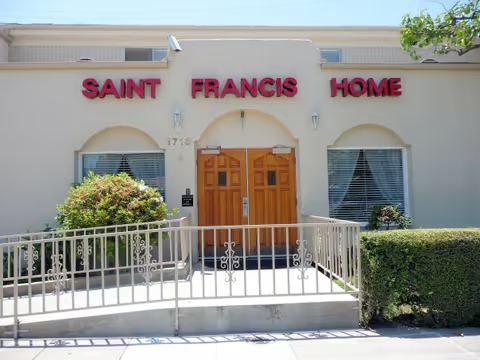
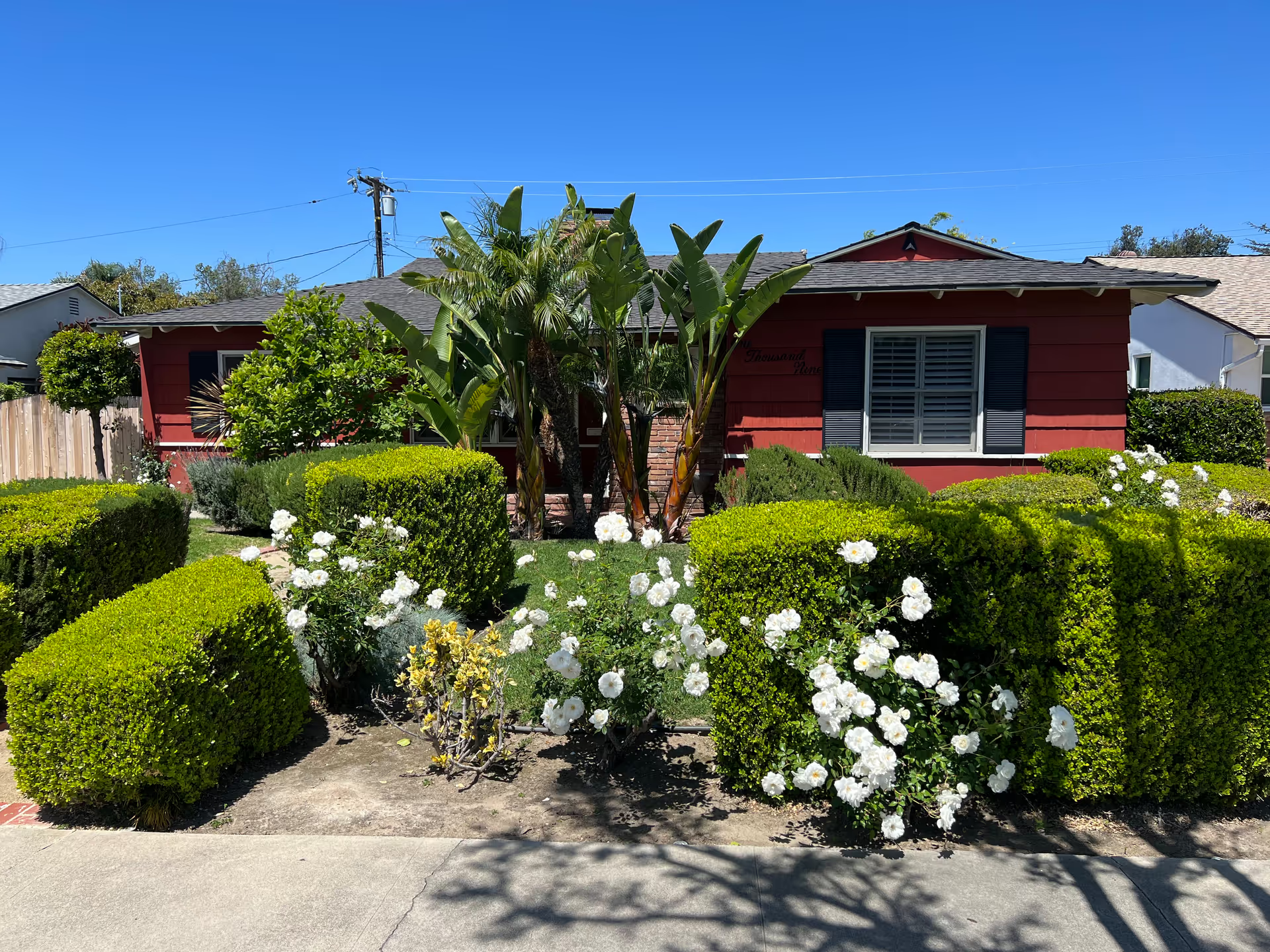
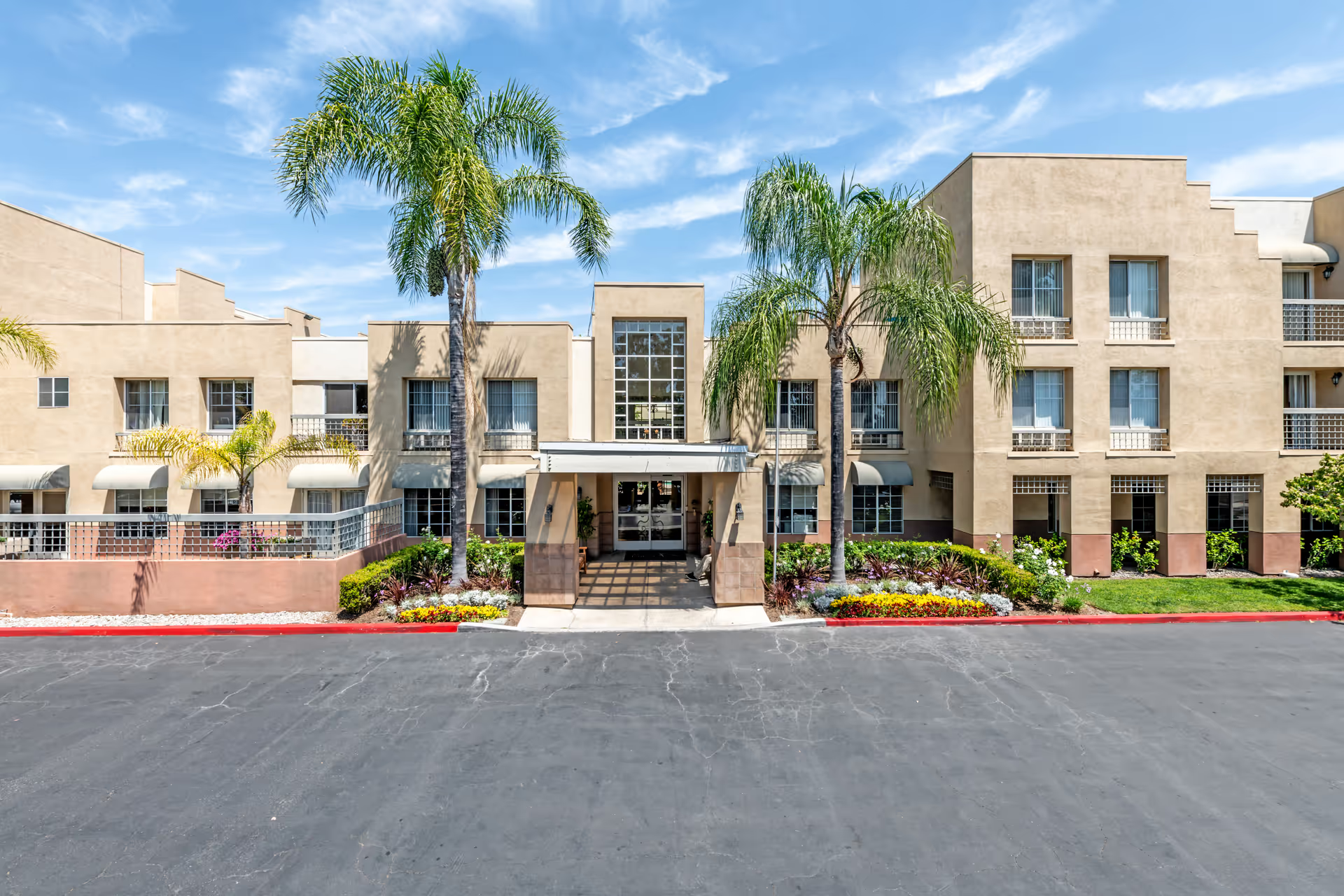
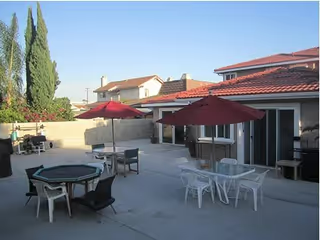
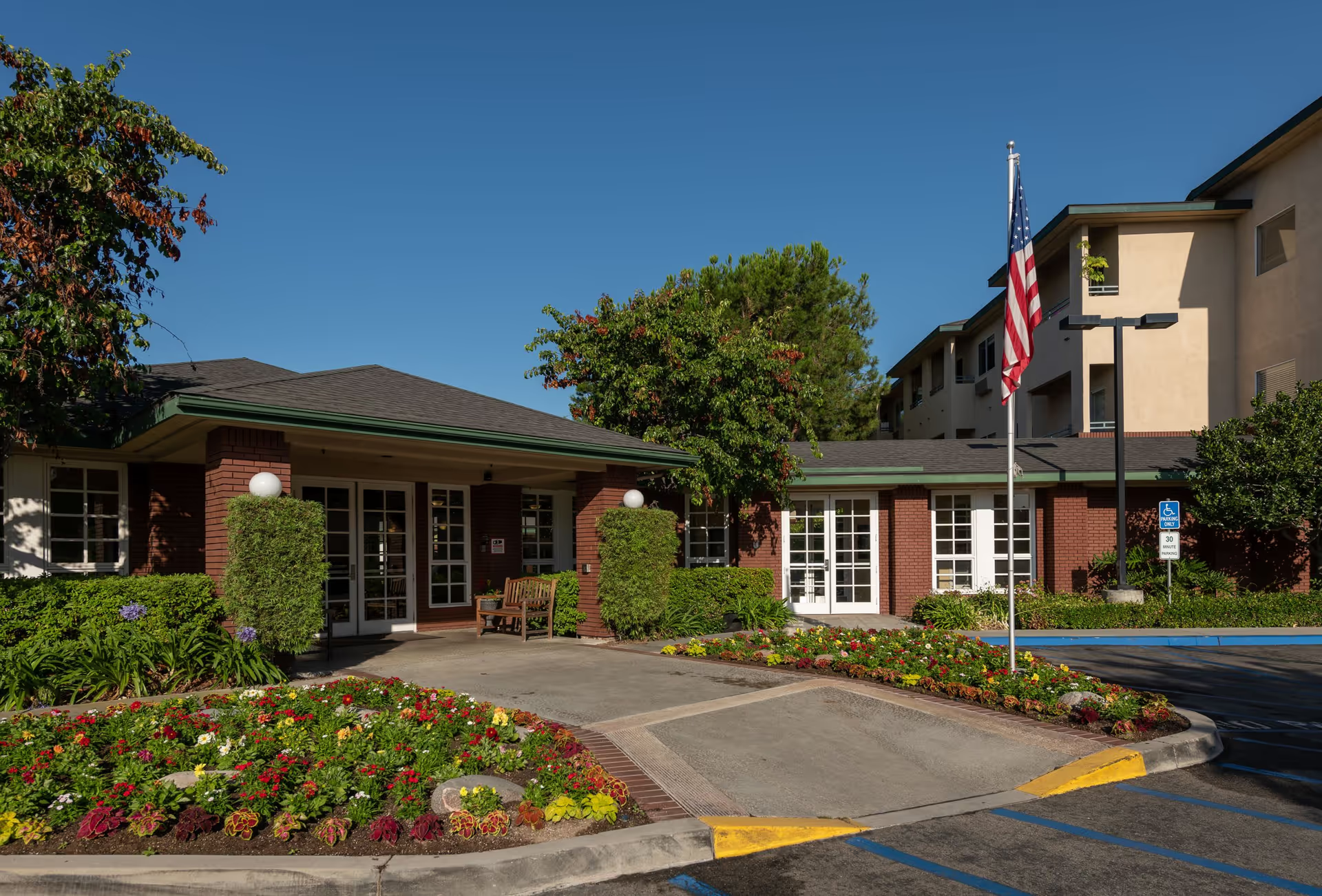
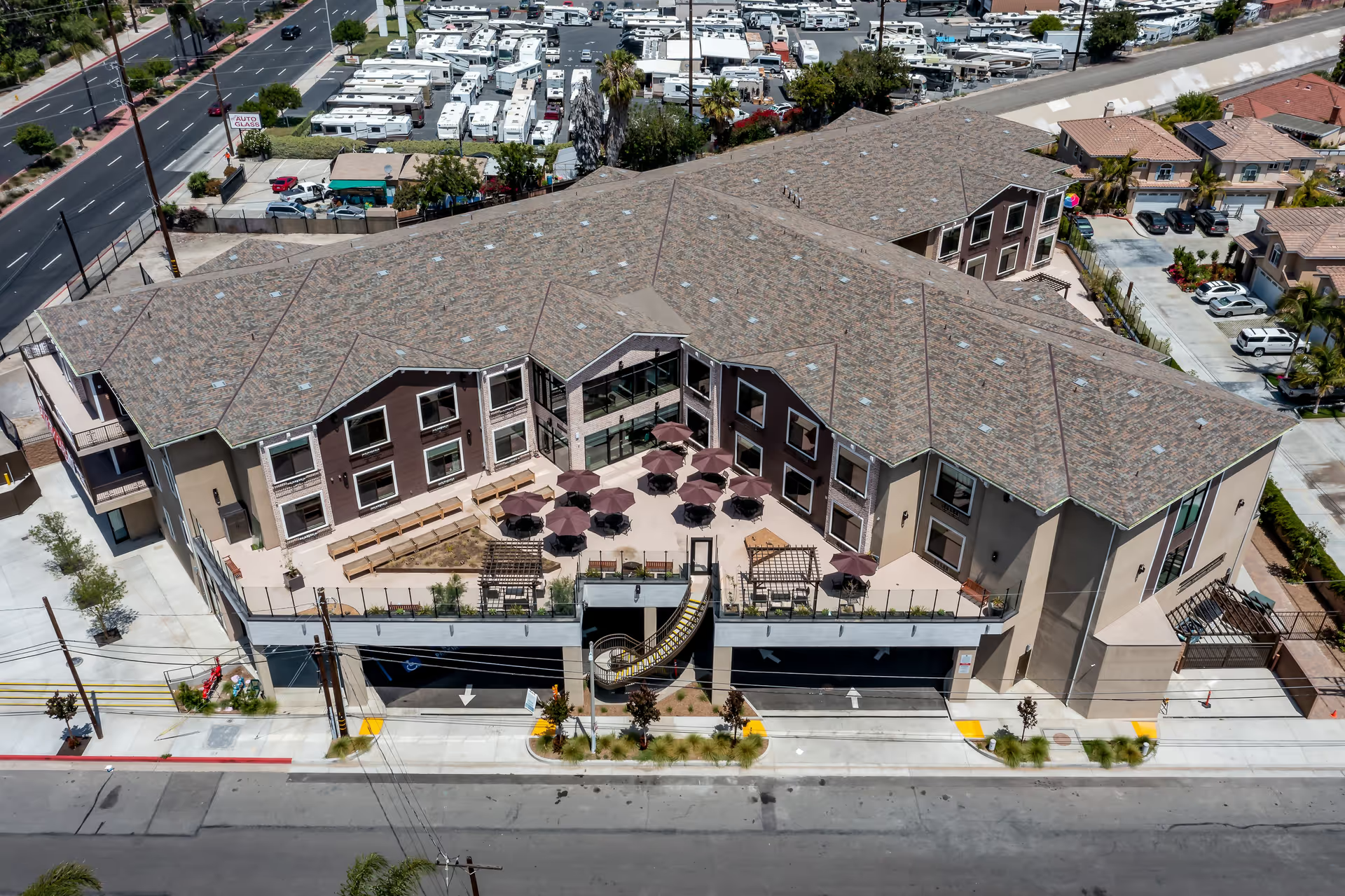
Facilities and environment: The campus is repeatedly described as clean, well-maintained, and older but in good repair, with a secure enclosed courtyard and pleasant outdoor spaces. Rooms are a mix of private and shared configurations. Noted infrastructure items include an older building footprint, some groundskeeping inconsistencies (dry fountain, landscaping variability), and limited parking at times. Accessibility and transportation options (including wheelchair‑accessible vans) are cited positively.
Management, administration, and transitions of care: Many families praise responsive leadership, proactive case management, and clear discharge planning. Conversely, there are repeated concerns about billing confusion during ownership or payer transitions, strained discharge coordination, and perceived pressure related to insurance changes. A smaller subset of accounts described problematic discharge scheduling and difficulties arranging timely follow-up care. Given this mix, it is advisable to review admission, billing, and discharge procedures closely and to ask for a concrete plan for post-discharge follow-up during the admission process.
Bottom line and recommended due diligence: Pacific Haven appears to be a strong option for patients seeking intensive rehabilitation and attentive bedside care, especially when rapid mobility gains are a priority. Before admission, visitors should specifically: inquire about medication-administration safeguards and error-reporting processes; ask about property-security measures and laundry/property handling policies; verify dietary-accommodation procedures; confirm availability of equipment and protocols for the specific rehabilitation needs (for example, joint-replacement orders and bathroom aids); and review billing, payer-transition, and discharge coordination practices. These targeted questions will help families capitalize on the facility’s clinical strengths while mitigating the operational risks observed in some accounts.