Reviews of Gladstone Care Rehab–Glendora present a polarized picture: many families praise the facility’s therapy, activities, and individual caregivers, while others raise substantive operational concerns that affect clinical care and family confidence.
Care quality: Therapy services and rehabilitation are consistently cited as strengths — physical and occupational therapy staff receive frequent positive mentions and several families described measurable recovery outcomes. At the same time, clinical care is described as uneven. There are recurring concerns about medication delays, inconsistent pain management, gaps in RN coverage, delayed transfers to hospital when needed, and wound-care risks. There is at least one allegation of a procedural error that resulted in complications; additionally, reviewers described infections and pressure-injury concerns that families linked to delayed or inconsistent bedside care.
Staff and culture: Staff behavior and competence are mixed. Many reviewers describe compassionate, attentive nurses and aides who go above and beyond and form close relationships with residents. Conversely, others describe low morale, staffing shortages, unprofessional conduct, language-barrier issues with limited English proficiency on some shifts, and inconsistent responsiveness to call lights. Communication style and tone from some staff and supervisors are seen as brusque or confusing, while particular staff and administrators are singled out positively for strong engagement and support.
Dining and nutrition: Meal quality and dietary management are variable. Some families reported satisfactory meals and flexibility, while others raised concerns about inconsistent food quality and failures to adhere to specific dietary needs (for example, cardiac-diet requirements). Overall, meal-service continuity and dietary accommodations appear uneven across shifts.
Activities and social programs: Activity programming is a clear positive in many accounts. Reviewers note an engaging activities director, regular programming, and opportunities that contribute to residents’ socialization and well-being — a strength for short-term rehab and long-term residents alike.
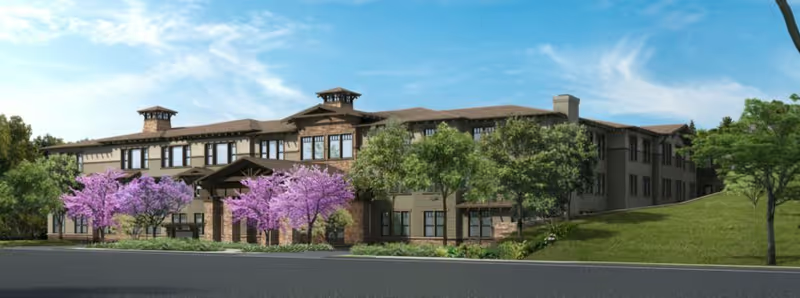
Facilities and environment: Descriptions of the physical plant vary. Several reviewers praised clean, updated rooms and public areas and described the facility as welcoming. Others noted an older building in need of maintenance, overcrowded rooms at times, odor or sanitation concerns in specific areas, and limited supplies or medical equipment during peak periods. Nighttime practices — such as scheduled weighings or blood draws at late hours — were repeatedly cited as sleep-disrupting.
Management and administration: Leadership impressions are mixed. Some families named administrators and front-desk staff for responsive, reassuring interactions, while others described management as slow to address concerns and poor at coordinating clinical teams. There are recurring themes of limited transparency around incidents, questions about property tracking, perceived pressure to discharge residents quickly, and pandemic-era PPE practices that concerned staff and families.
Notable patterns and decision points for families: Gladstone may be a strong option for patients who prioritize intensive therapy and an active activities program, especially where individual caregivers are engaged. However, prospective residents and families should assess staffing levels on the relevant unit and shift, clarify medication- and wound-care protocols, confirm dietary accommodation processes, and review visitation rules and nighttime care routines. Ask for documentation about RN coverage, medication administration policies, incident reporting, and how the facility handles escalations and transfers. Visiting at different times of day can help confirm whether staffing and responsiveness meet expectations for your loved one’s needs.