The review corpus presents a mixed but distinct pattern: many families and residents describe a strong rehabilitation and daily-life experience, while other accounts raise operational concerns that appear to be linked to staffing and facility management.
Care and clinical services draw frequent positive remarks. The physical and occupational therapy teams receive consistent praise for helping residents regain strength and mobility; reviewers highlight knowledgeable therapists, clear exercise instruction, organized therapy rooms, and successful discharge-to-home outcomes. Nursing and CNA staff are often described as caring, patient, and skilled, with examples of attentive bedside care and individualized attention. At the same time, several reviews detail delays in assistance and challenges with timely personal care; these items translate to concerns about staff capacity to meet all residents’ needs during higher-demand periods.
Dining and activities are overall strengths. Multiple comments note varied, well-prepared meals, accommodating kitchen staff, and generous portions. The activities program is frequently described as engaging and well-staffed, with offerings such as exercise classes, arts and crafts, games, and special events that contribute positively to residents’ mood and social engagement.
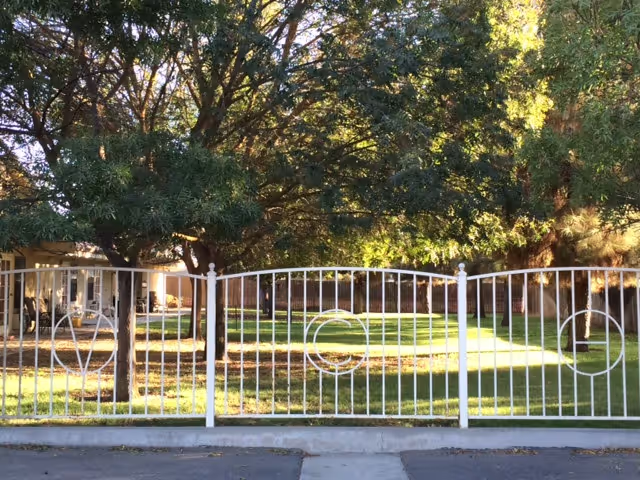
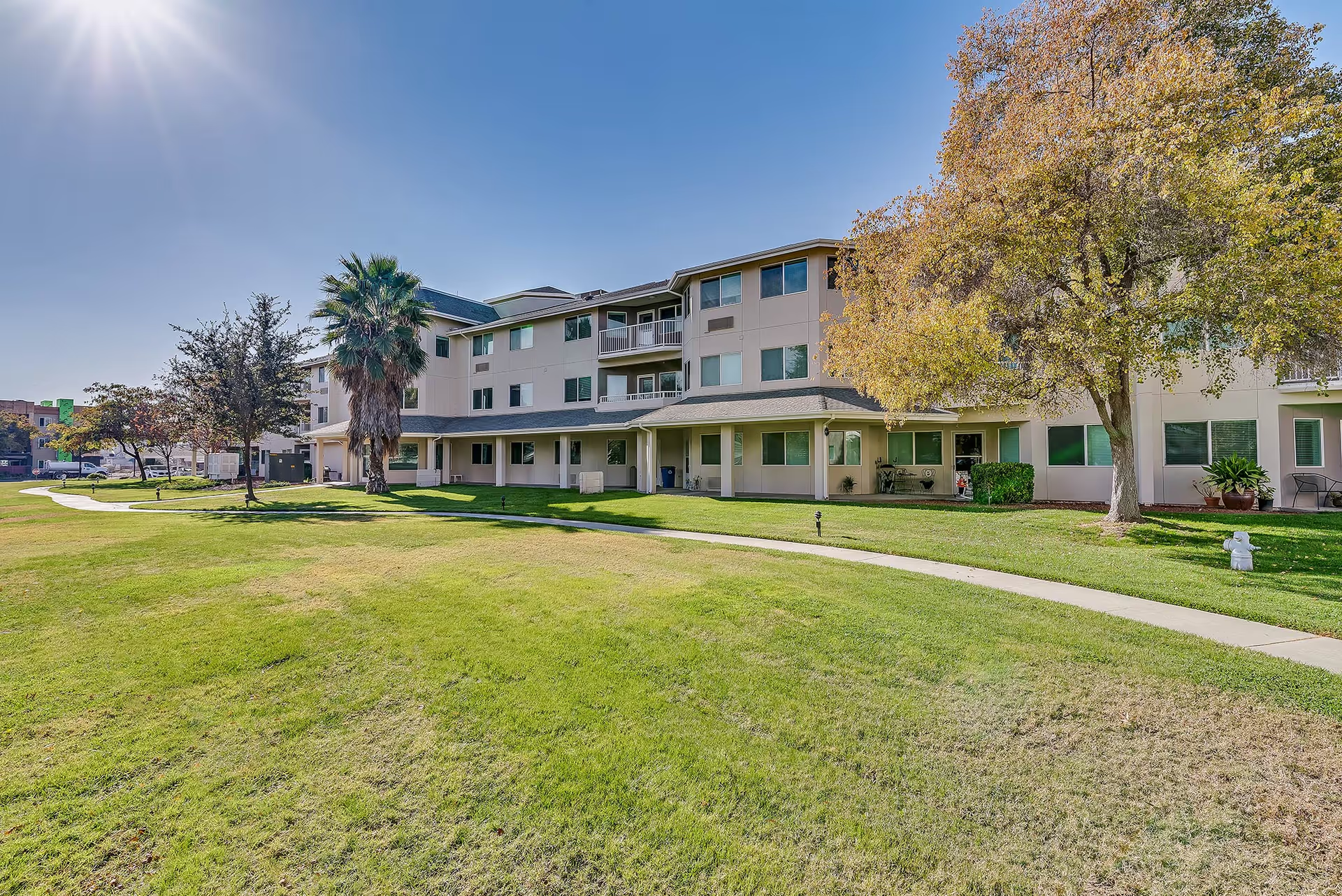
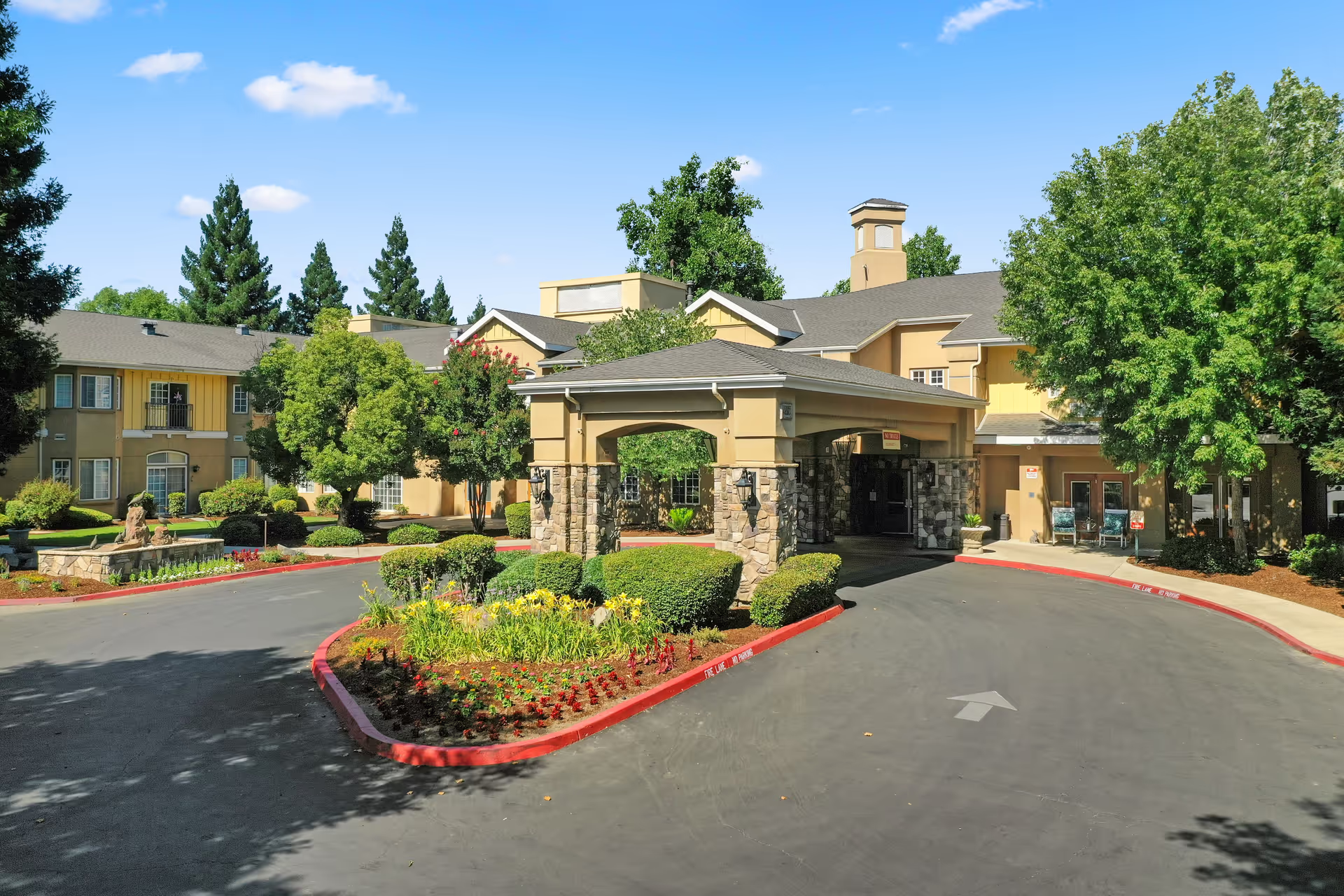
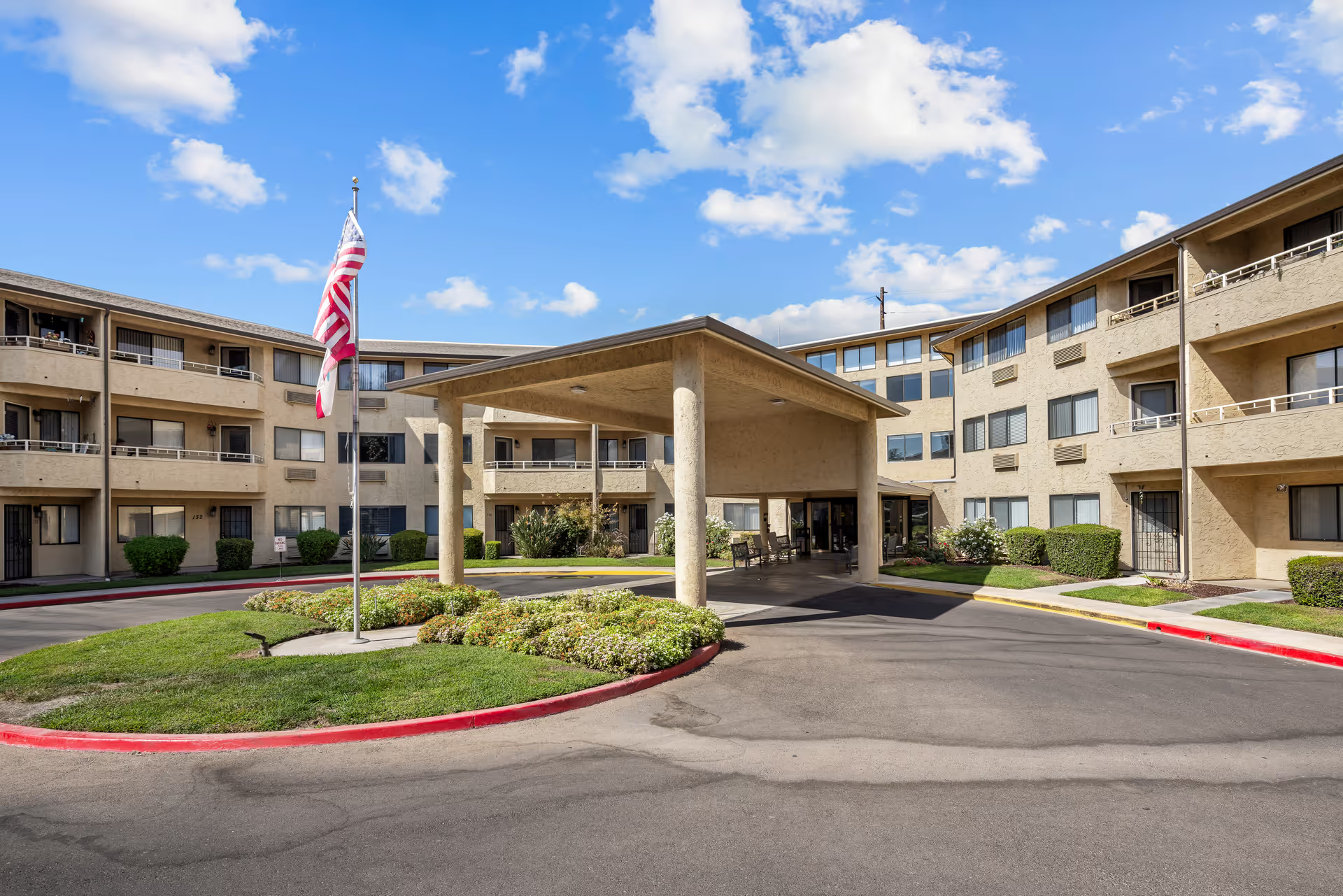
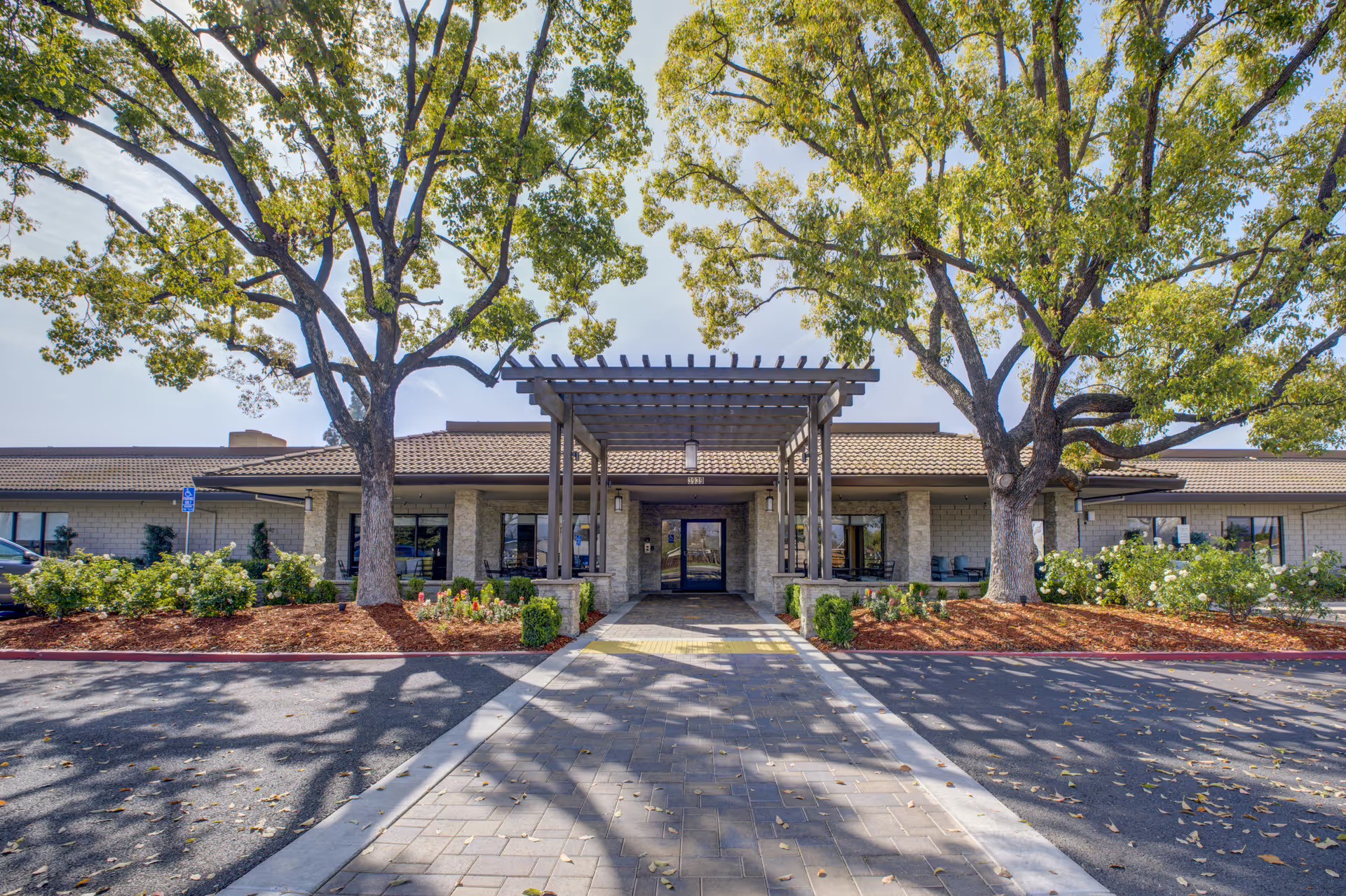
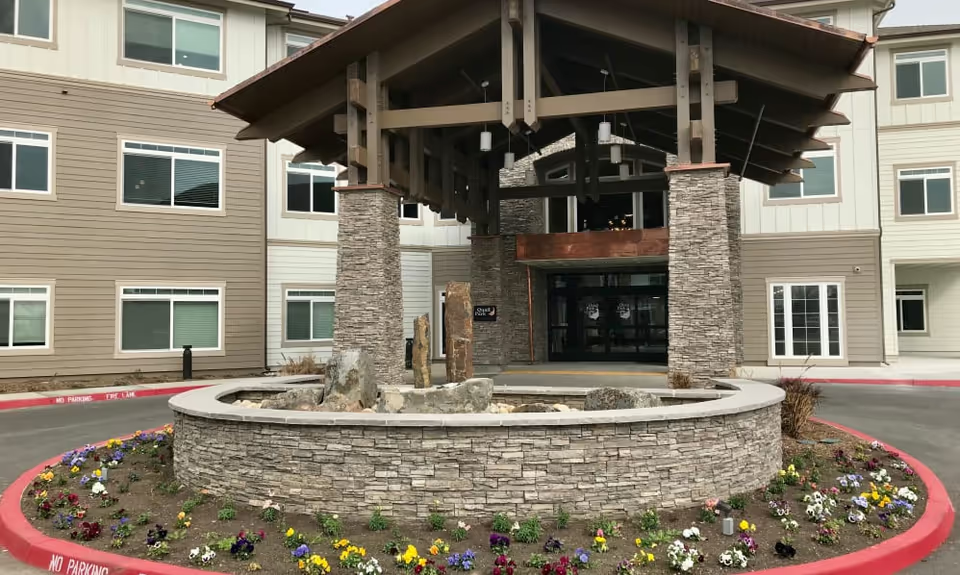
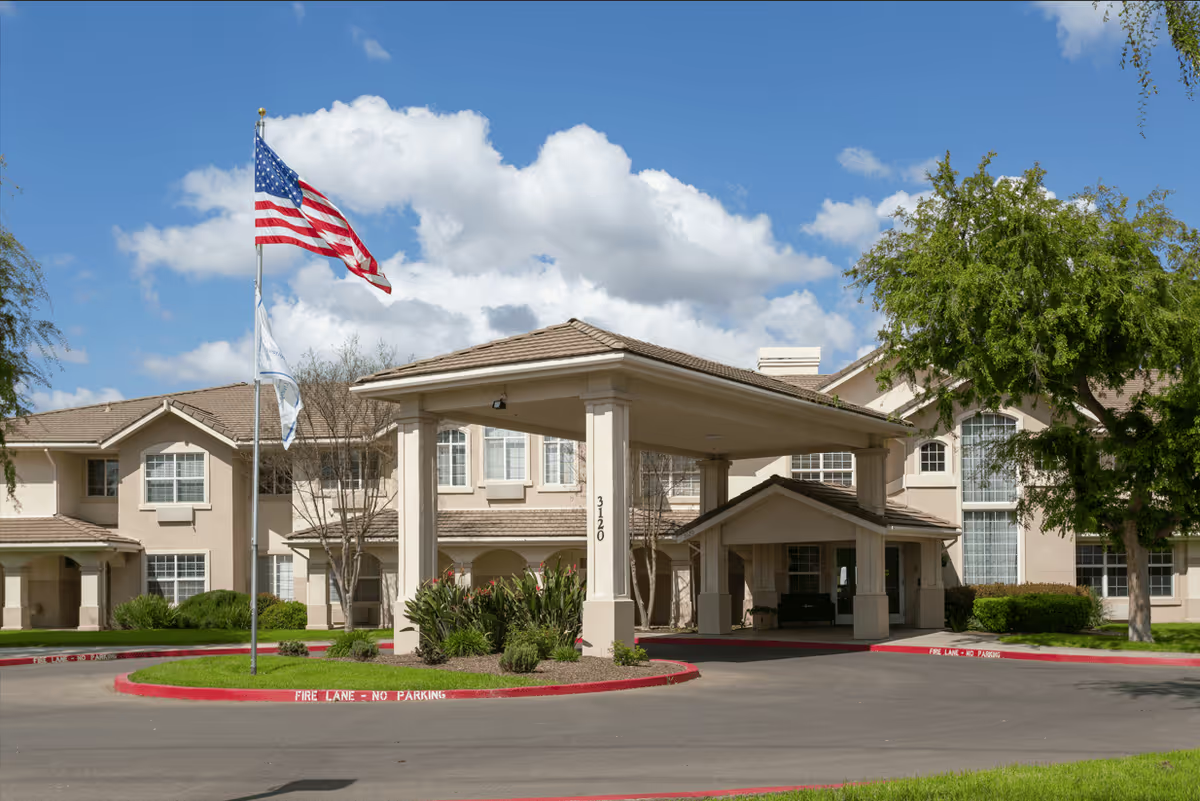
Facility presentation is described in largely favorable terms — clean, bright, recently remodeled spaces and a home-like atmosphere are commonly mentioned. However, operational and infrastructure limitations appear in the reviews: some units are described as overcrowded with multiple occupants per room, and a few rooms reportedly lack private bathroom or shower access. Laundry and personal-item management problems are cited, and sanitation-related issues (framed here as incontinence-care delays and associated odor concerns) are described in some areas. There is also variability in performance between wings or units, with one wing singled out for particularly strong care while other areas are characterized as less consistent.
Management and communication show mixed impressions. Several families praise responsive social services staff and individualized follow-up, while others report difficulty reaching staff by phone, unanswered doorbells, long hold times, abrupt policy changes, and concerns about staff conduct or tone. A small number of reviews include serious allegations of theft and financial misconduct; these are beyond routine quality concerns and warrant direct inquiry with facility leadership or regulatory channels during any decision process.
In sum, Hanford Post Acute appears to offer robust therapy, an active activities program, and many compassionate caregivers, with a generally clean and welcoming environment in many areas. Persistent operational weaknesses — particularly variable staffing, inconsistent responsiveness, laundry and personal-item handling, room density limitations, and the occasional sanitation-related concern — produce significant variability in resident experience. Prospective residents and families should verify unit-level staffing ratios, laundry and personal-care protocols, bathroom availability, incident reporting and theft-prevention policies, and direct lines of communication as part of an on-site assessment to confirm the current operational status and fit for individual needs.