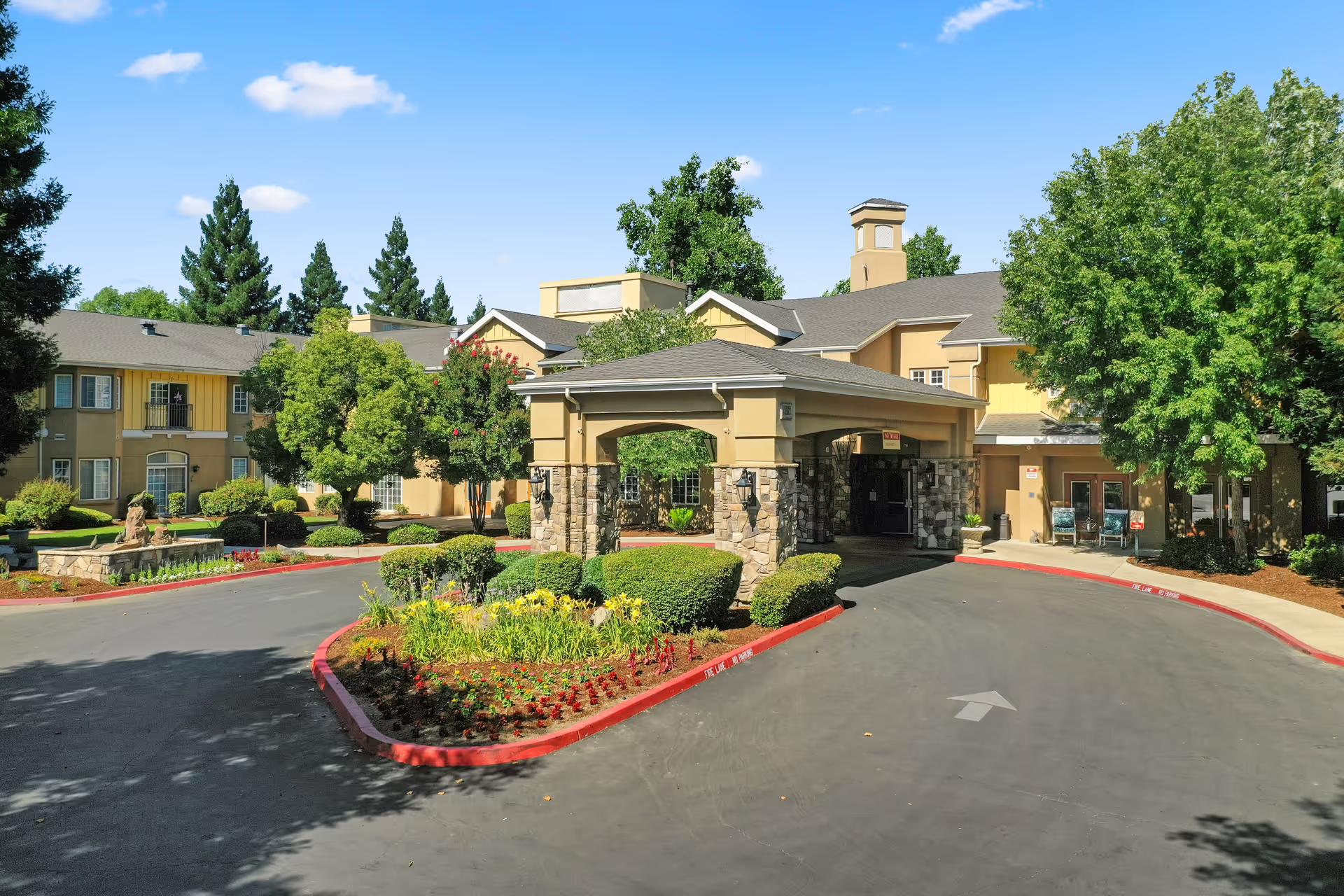
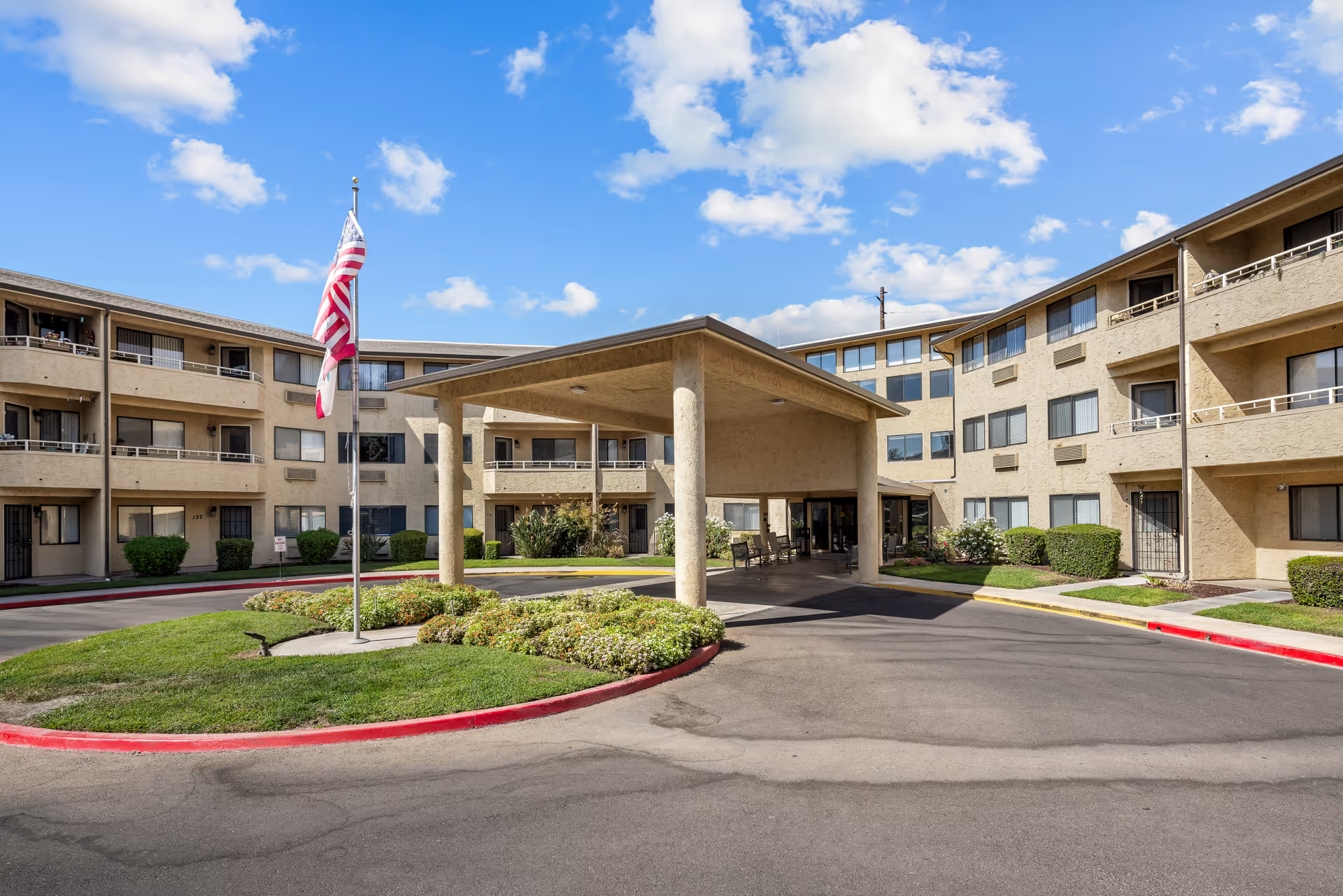
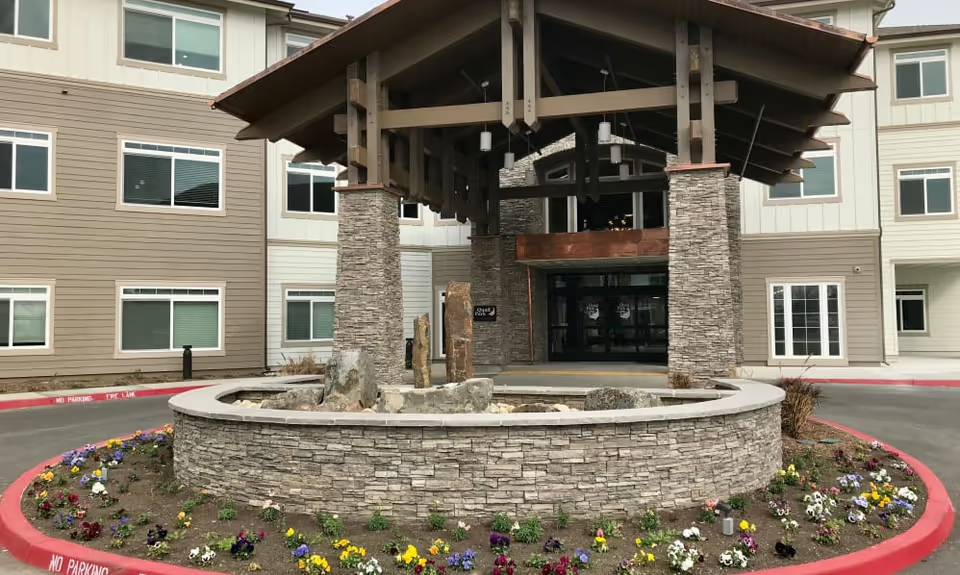
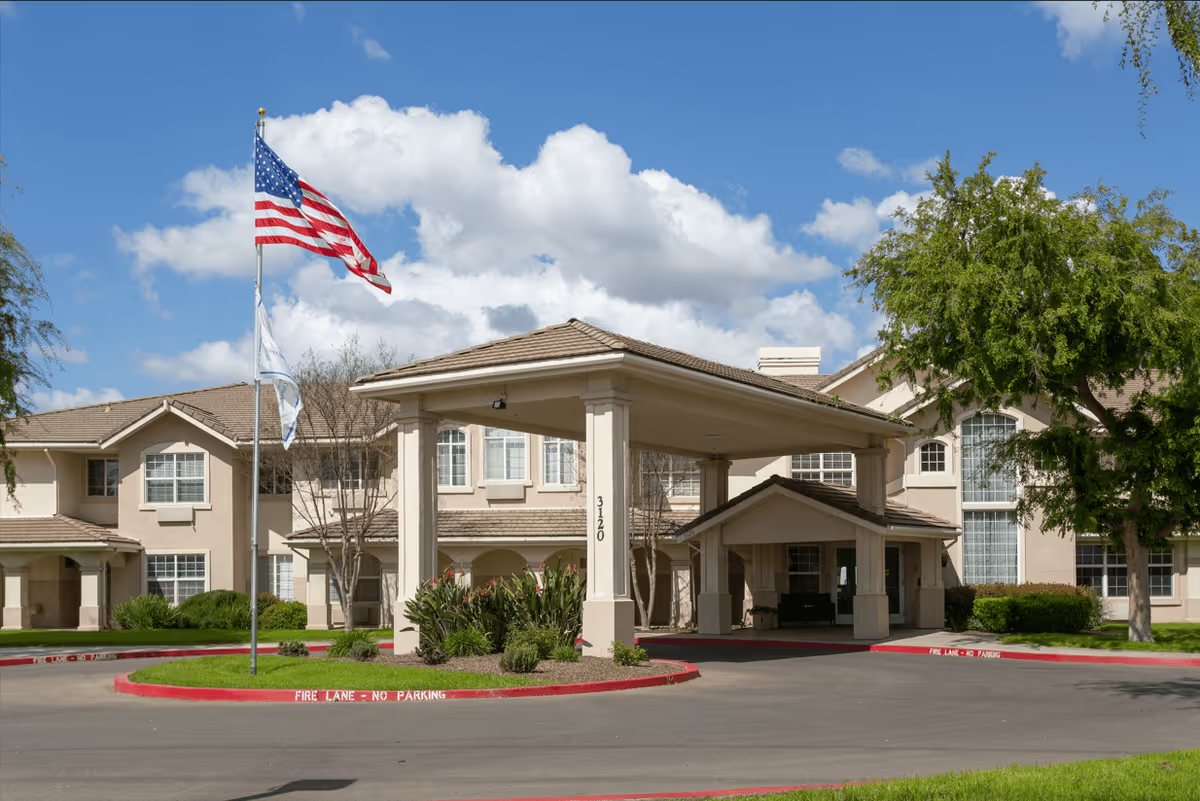
The Remington Senior Living presents as a full‑service independent living community with many consistent strengths: reviewers emphasize a compassionate, attentive staff, a family‑like atmosphere, and a wide range of activities that support social engagement. The community offers restaurant-style dining with multiple menu options, weekly housekeeping and linen services, spacious apartments with a home-like feel, and bundled services that include utilities and housekeeping. Transportation for medical appointments and community outings, as well as the option to contract private caregivers into the community, are cited as useful features that support independence while allowing families to customize care levels.
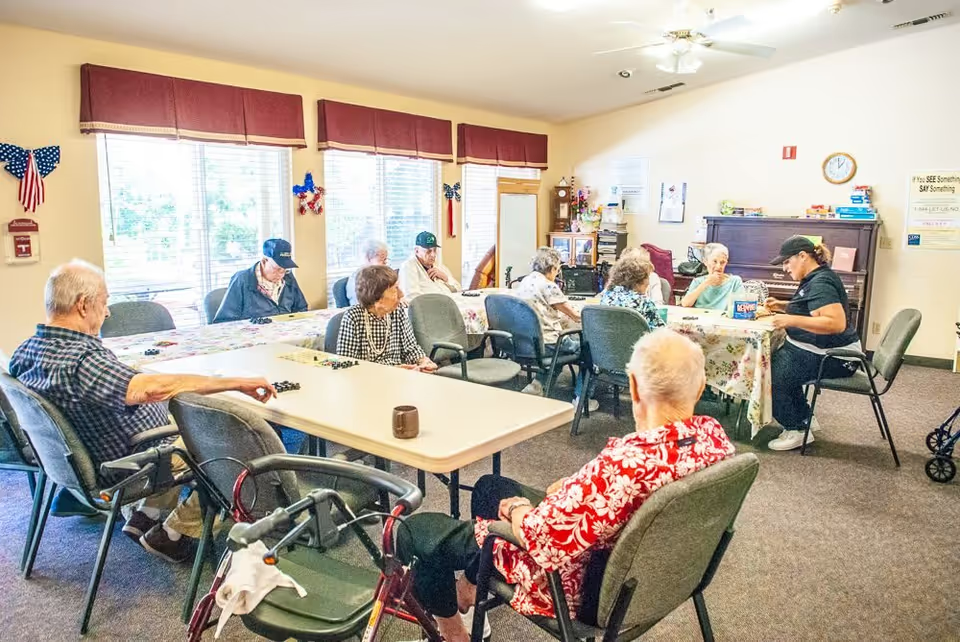
Staff and programming receive frequent praise. Multiple comments highlight helpful, open-door management, engaged activity staff, and kitchen and wait staff who go beyond routine duties. Residents and families describe abundant social programming — arts and crafts, bus trips, holiday events, and weekly calendars — that contributes to reported improvements in quality of life for many residents. Cleanliness and grounds upkeep are often noted positively, and reviewers frequently single out the dining experience as a social focal point when service is on form.
At the same time, the reviews surface several operational patterns that prospective residents and families should evaluate. Dining and service consistency vary: while many describe excellent, nutritious meals, others note slow service and occasional declines in food quality. Staffing levels are described as uneven at times, producing delays in service and reduced responsiveness. There are sanitation and pest-control concerns referenced for some common areas that indicate inconsistent environmental maintenance. Reviewers also point to building-safety and security process gaps (for example, front-door access procedures and elevator/fire‑safety logistics in a multi‑story building) that merit clarification during a tour.
Financial and governance issues appear as recurring themes. Several accounts raise concerns about billing, payment handling, and transparency — including disputed charges and pressure around payment arrangements — and there are notations that corporate or regional escalation did not always resolve family disputes. There are also mentions of staff-resident housing arrangements that could present perceived conflicts of interest and, in a limited number of serious accounts, allegations of criminal on-site conduct and concerns following a resident's death; these items suggest a need to review oversight, incident‑reporting, and emergency/clinical response protocols carefully.
Finally, suitability for higher-acuity needs is inconsistent. The Remington is often described as an independent living community rather than a full care or memory-care setting; families note that residents with dementia or significant wandering behavior may be at risk and should be evaluated against the community's capabilities and staffing model.
Recommendation: prospective residents and families should tour during meal and activity times, ask for written policies on billing and financial collections, review pest-control and sanitation logs, request incident-response and staff-training documentation, confirm security and evacuation procedures, and clarify the community's limits regarding memory-care needs. Speaking with current residents and families about recent staffing patterns and management responsiveness can help balance the many positive service attributes against the operational concerns highlighted in reviews.