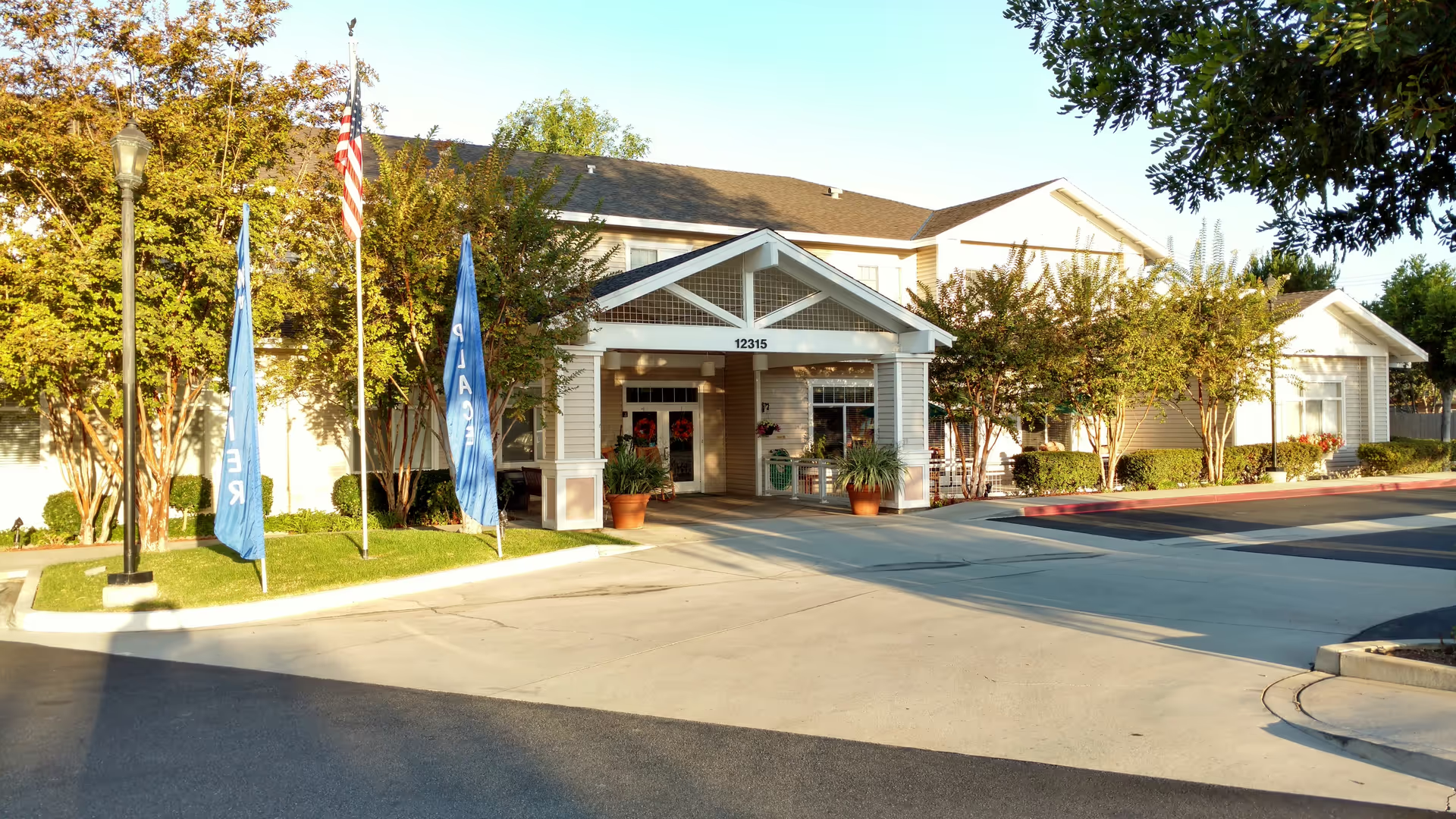
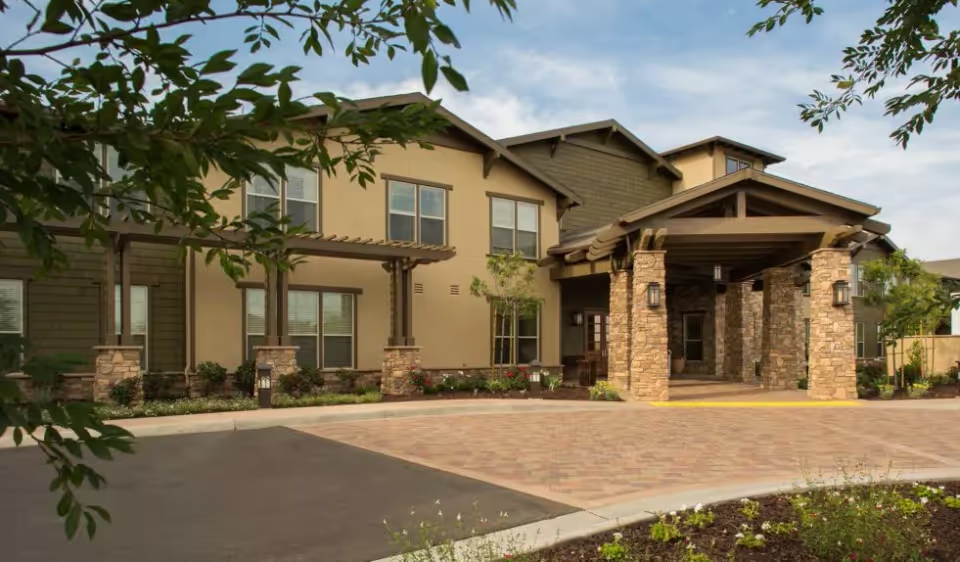
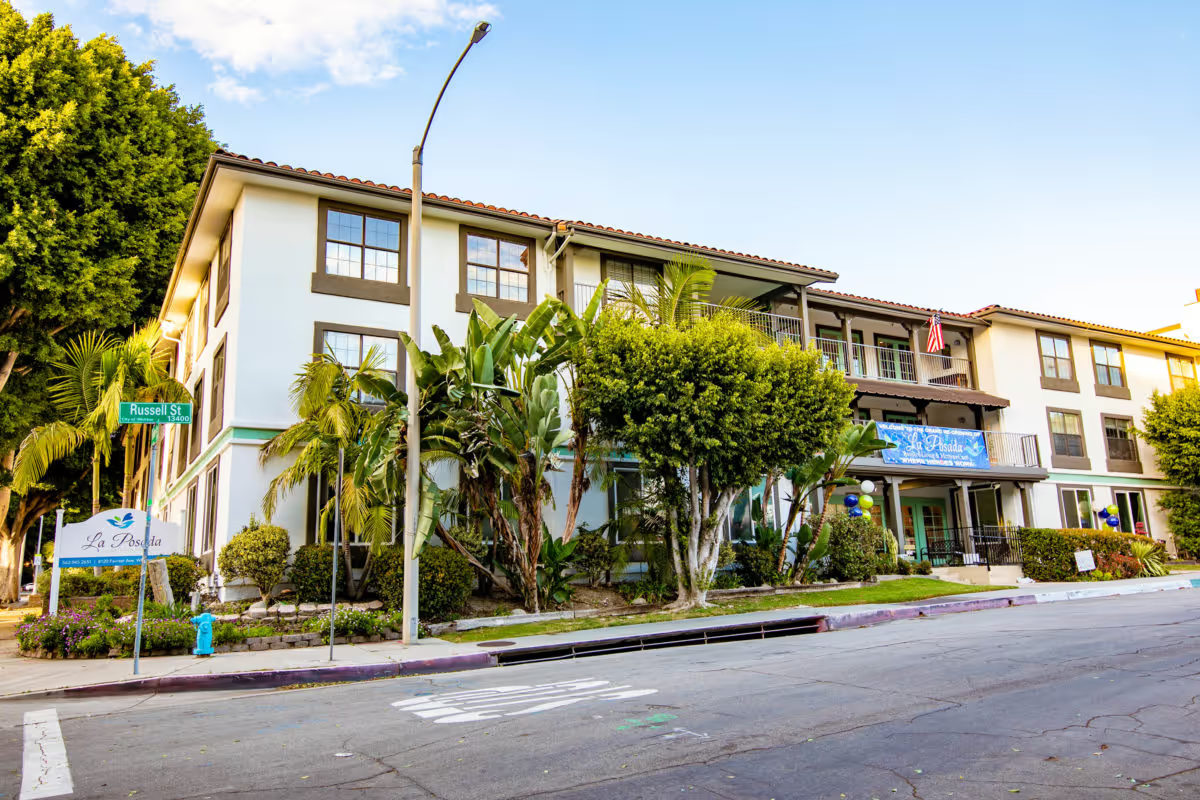
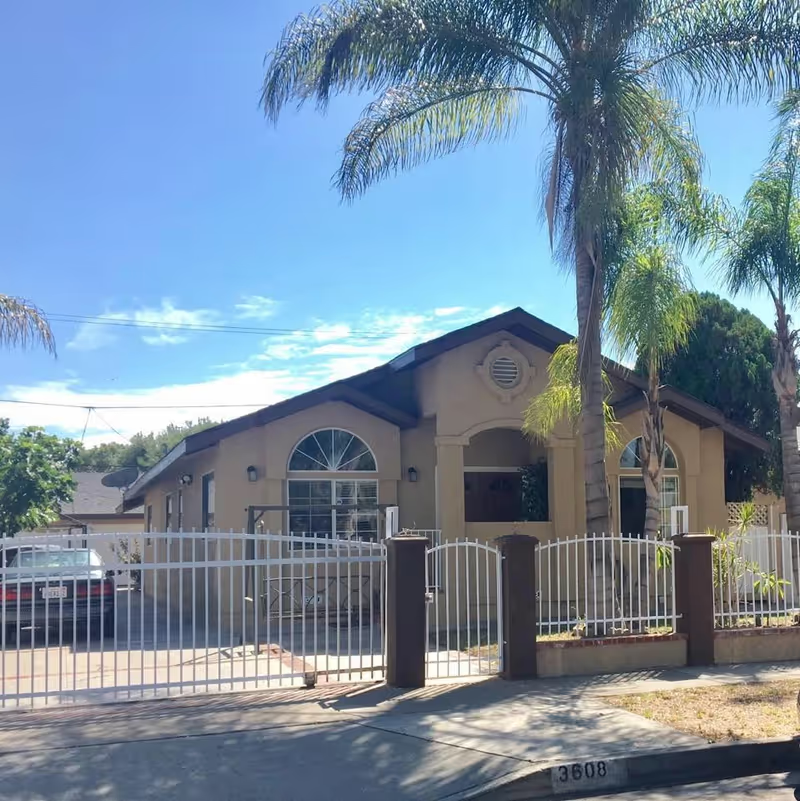
Overall impression: La Mirada Heights (The Palms) is repeatedly characterized as a warm, social, and amenity-rich independent living community with a strong resident-focused culture. Many families and residents praise frontline employees — sales ambassadors, front-desk staff, dining servers, and caregiving teams — for being welcoming, knowledgeable, and attentive. The campus offers a broad set of communal assets (gym, library, multiple movie/game rooms, meditation space, courtyard fountain and gardens) and organizes a wide range of activities that support an engaged lifestyle, including regular religious services, movie nights, arts programs, birthday and appreciation dinners, and pet-friendly events.
Care and staffing: For an independent-living population, caregiving interactions are generally described as compassionate and personal; staff are noted for knowing residents by name and for creating a family-like atmosphere. However, recurrent comments point to staffing and scheduling pressures: understaffed shifts, time-management delays in service delivery, and limited evening or overnight desk coverage. These patterns suggest the community functions well for residents who are largely independent but may pose challenges for people who require frequent, time-sensitive assistance or 24/7 on-site clinical oversight.
Dining and food services: Dining is a central, mixed-area theme. The facility operates a chef-led, included-meal program with attractive dining rooms and occasional special meals that win praise. At the same time, multiple accounts indicate inconsistent meal quality, limited menu variety at times, and slow or disrupted service (including long waits for main courses). Some accounts describe lapses in food preparation or handling that raise food-safety concerns. Management stability in the kitchen and operational controls over dining service appear to be a recurring operational weakness that families commonly cite as a primary area needing improvement.
Activities and amenities: The community’s programming and physical amenities are strong selling points. Reviewers consistently highlight an active calendar, ample common areas, well-kept landscaping, and on-site conveniences such as private dining, transportation to local shops and salons, and accessible outdoor paths. These features support social engagement and mobility for residents whose needs align with independent living.
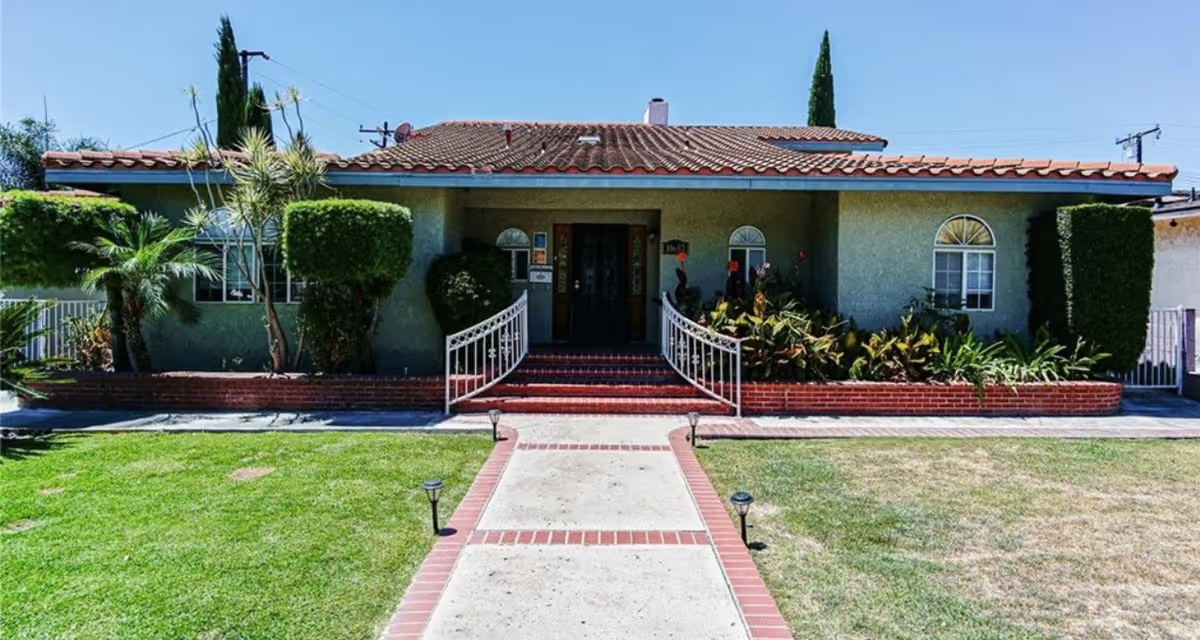
Facilities, maintenance, and move-in coordination: The property includes a range of floor plans and some larger two-bedroom units, but several residents note that smaller units (roughly 700 sq ft) are on the pricier end for their size. Planned or ongoing renovations have been mentioned positively when completed, but there are also reports of incomplete or uneven renovation work and occasional maintenance follow-through issues (hall rugs, elevator speed, and remodeling disruptions). Move-in coordination and unit-assignment errors are reported in isolated cases, indicating opportunities to strengthen administrative processes.
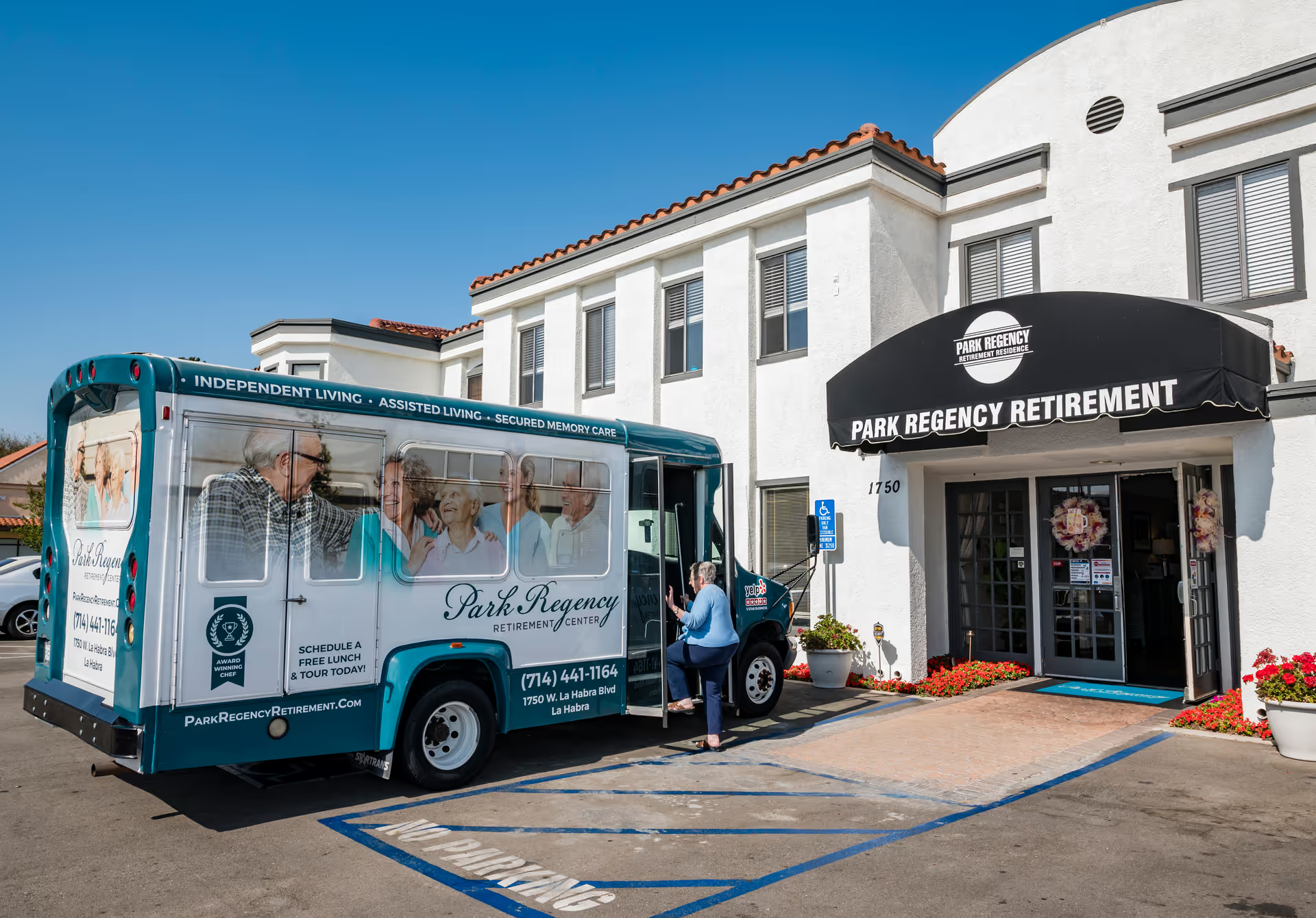
Operational patterns and management: Management impressions are mixed. Many reviewers praise local management and on-site staff as responsive and caring; others point to variable communication from corporate leadership, frequent turnover, and defensive or vague responses to concerns. Transportation availability is useful but limited by schedule and staffing (single-driver models, no weekend service in some accounts). Laundry facilities are available but can be congested because of heavy shared use and caregiver access, creating access conflicts for some residents.
Who this fits best: The community appears well suited for older adults seeking an active, social independent-living environment with plentiful amenities and personable staff. Prospective residents or families who prioritize consistent dining quality, more robust 24/7 staffing, or larger apartment footprints should probe those areas during tours — asking for specifics on meal-service controls, staffing ratios and schedules, parking/unit assignment procedures, laundry access policies, and the timeline and scope of planned renovations.
Bottom line: Strong strengths in community life, staff-resident rapport, and on-site amenities are balanced by operational concerns around dining consistency, staffing coverage, transportation hours, and variability in maintenance/renovation execution. These trade-offs should be considered relative to an individual’s clinical needs and expectations for service continuity and food quality.