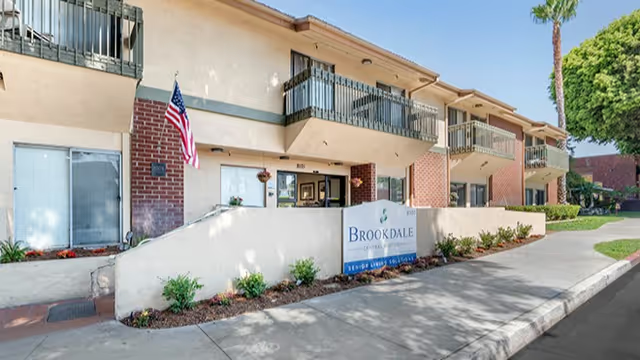
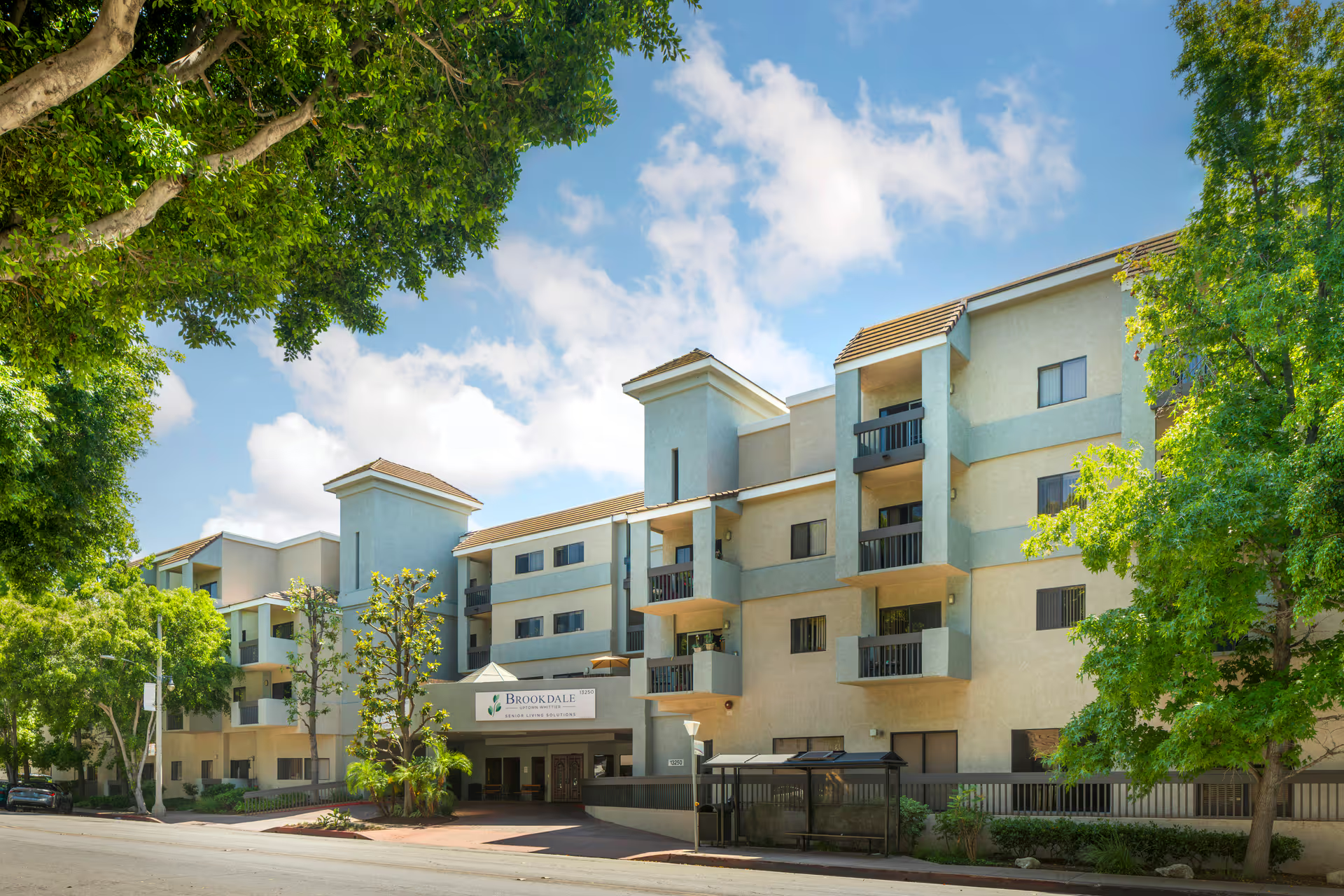
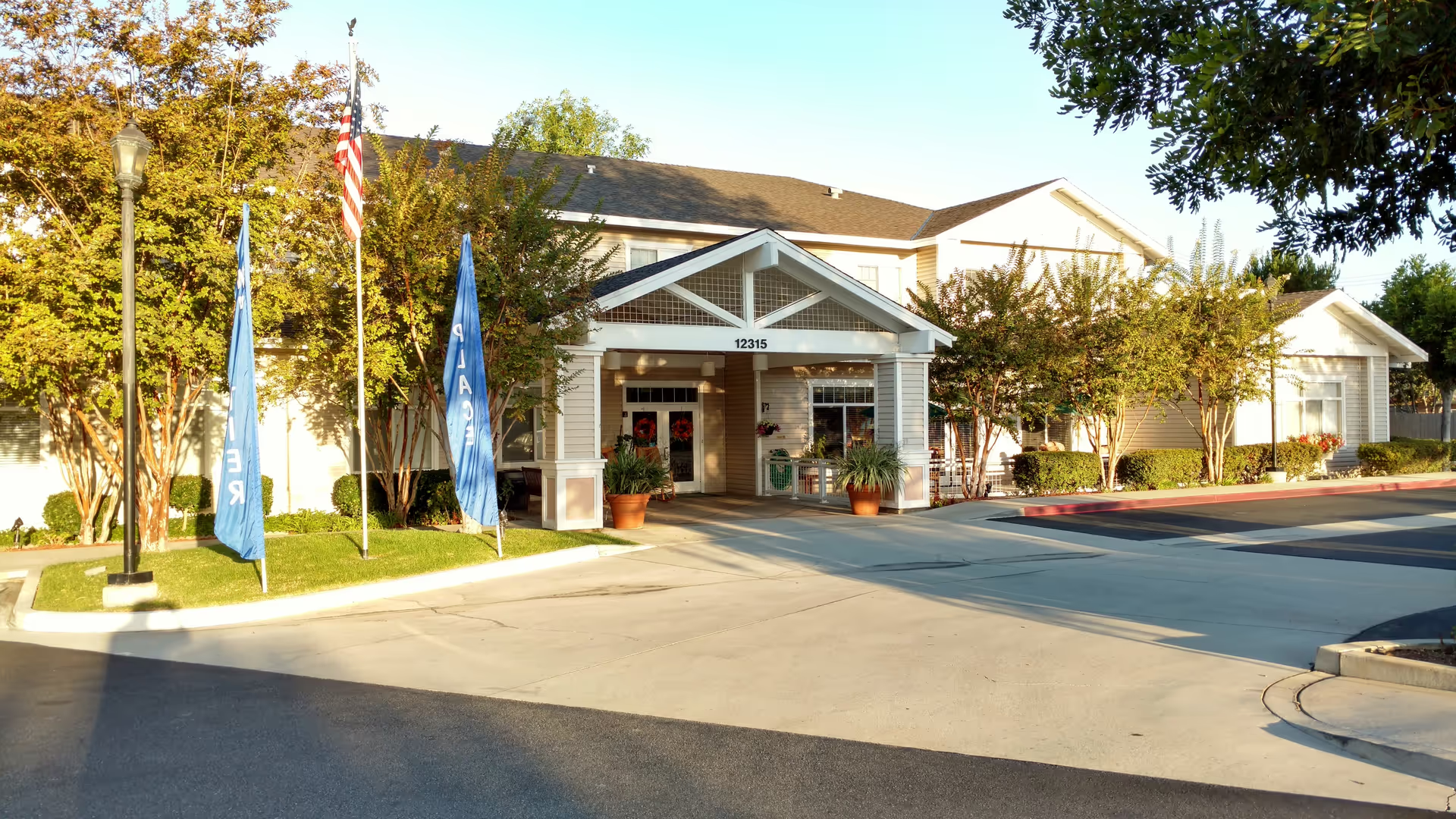
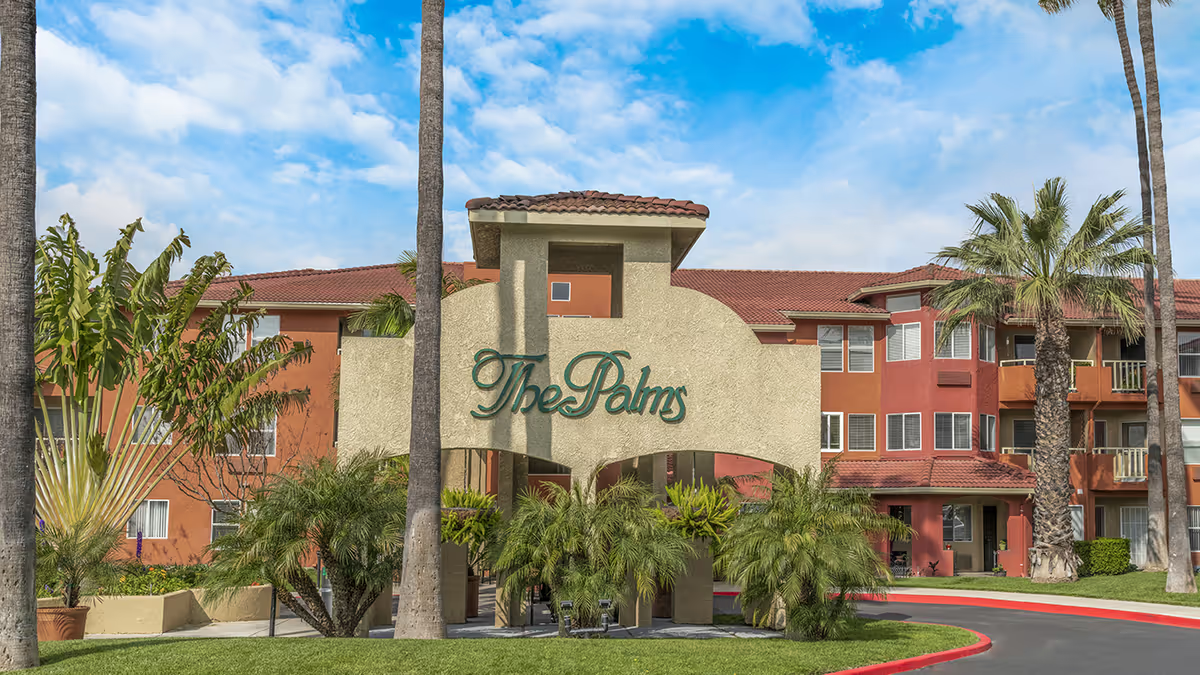
Overall impression: Oakmont of Whittier is frequently described as a new, resort-like senior living community with a broad set of amenities and attentive frontline staff. Reviewers commonly highlight the property’s clean, bright construction, landscaped grounds, and hotel-style public spaces including an on-site movie theater, salon, gym, library, and multiple dining venues. The community’s aesthetics and amenity package create a consistently noted atmosphere of luxury and social opportunity that many families found energizing for residents.
Care and staff: Many reviewers praise caregivers as compassionate, patient, and engaged; families described positive day-to-day interactions, consistent socialization of residents, and active involvement by move-in coordinators and certain administrative leaders. At the same time, recurring operational concerns are present: staffing inconsistencies and turnover were mentioned alongside isolated but consequential issues around medication administration, clinical follow-up, and limited availability of higher-acuity care. These patterns suggest that while direct-care staff often perform well, clinical protocols and staffing stability merit careful inquiry during touring and contracting.
Dining and services: Dining is repeatedly described as a strength when it aligns with the community’s promise — elegant dining rooms, white-tablecloth service, restaurant-style ordering, and dietary accommodations. Several families reported high-quality meals and flexibility such as all-day dining options. Concurrently, other reviewers noted variability in food quality, portion sizes, and menu execution (for example, meals that were too rich for some residents or missing salad/fruit portions). Ancillary services — laundry, transportation, salon, massage, and routine medical visits — are noted as included or readily available by many families.
Activities and engagement: The activity program is a prominent positive: reviewers cited a robust calendar with exercise classes, arts and crafts, outings, worship services, wine-tasting, movie nights, and regular entertainment that contribute to resident engagement and social connection. The memory-care neighborhood is described as a secured, dedicated unit with its own kitchen and programming, and families noted that transitions into memory care were handled smoothly when the facility’s procedures were followed.
Facilities and logistics: The property’s new construction, spacious public areas, and well-lit private apartments are noted consistently. Limitations include an absence of two-bedroom units and a waitlist that can prolong placement. Several reviewers also raised concerns about maintenance response times and occasional slow service in ancillary operations.
Management and operational patterns: Reviews present a mixed picture of leadership and business practices. Some families describe hands-on, involved directors and effective move-in support; others express frustration with perceived sales-driven admissions, slow or nonresponsive management, billing/accounting errors, and uneven complaint resolution. There are also serious allegations from a few reviewers about resident property loss and weaknesses in incident accountability; these are not framed as systemic regulatory findings here but warrant direct verification by prospective families.
What to watch for and suggested questions: Prospective residents and families should weigh the facility’s strong amenity and social profile against cost and operational consistency. Recommended topics during a tour and follow-up include current staffing ratios and turnover rates, written medication-administration and incident-reporting protocols, bathing/personal-care schedules, examples of clinical oversight (e.g., nurse practitioner visit cadence), billing and contract details, security measures for resident property, and waitlist timing and unit-type availability. Observing meal service and an activity period in person can help assess consistency between marketing and day-to-day operations.
Bottom line: Oakmont of Whittier appears to offer an upscale, amenity-rich environment with many families reporting improved resident wellbeing and strong social engagement. However, prospective residents should perform targeted due diligence on clinical practices, staffing stability, billing procedures, and incident accountability to ensure the community’s operational practices meet their expectations and care needs.