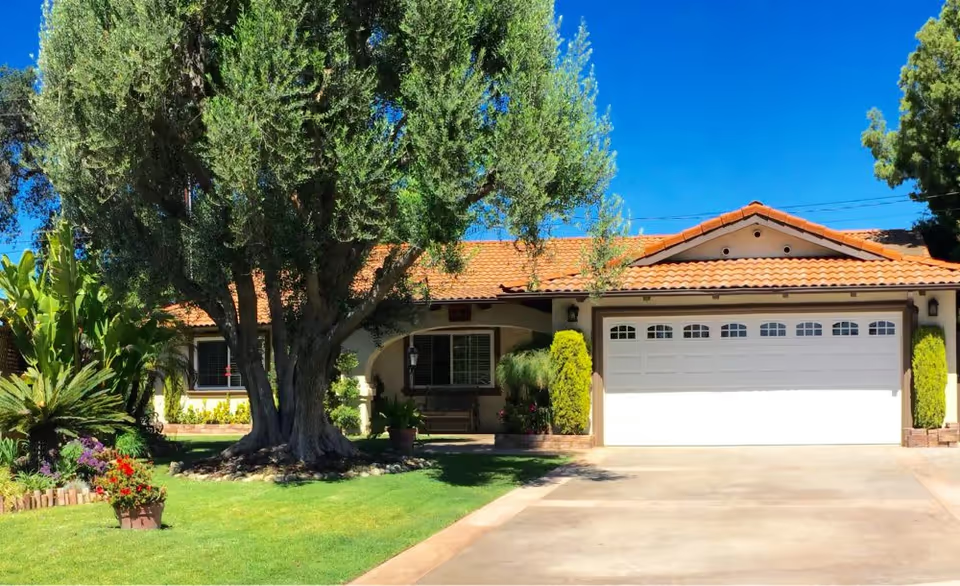
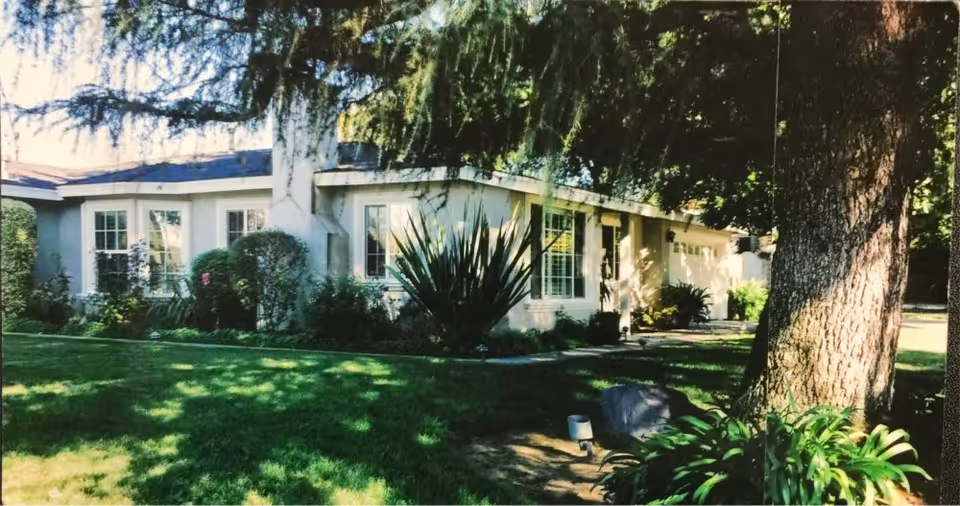
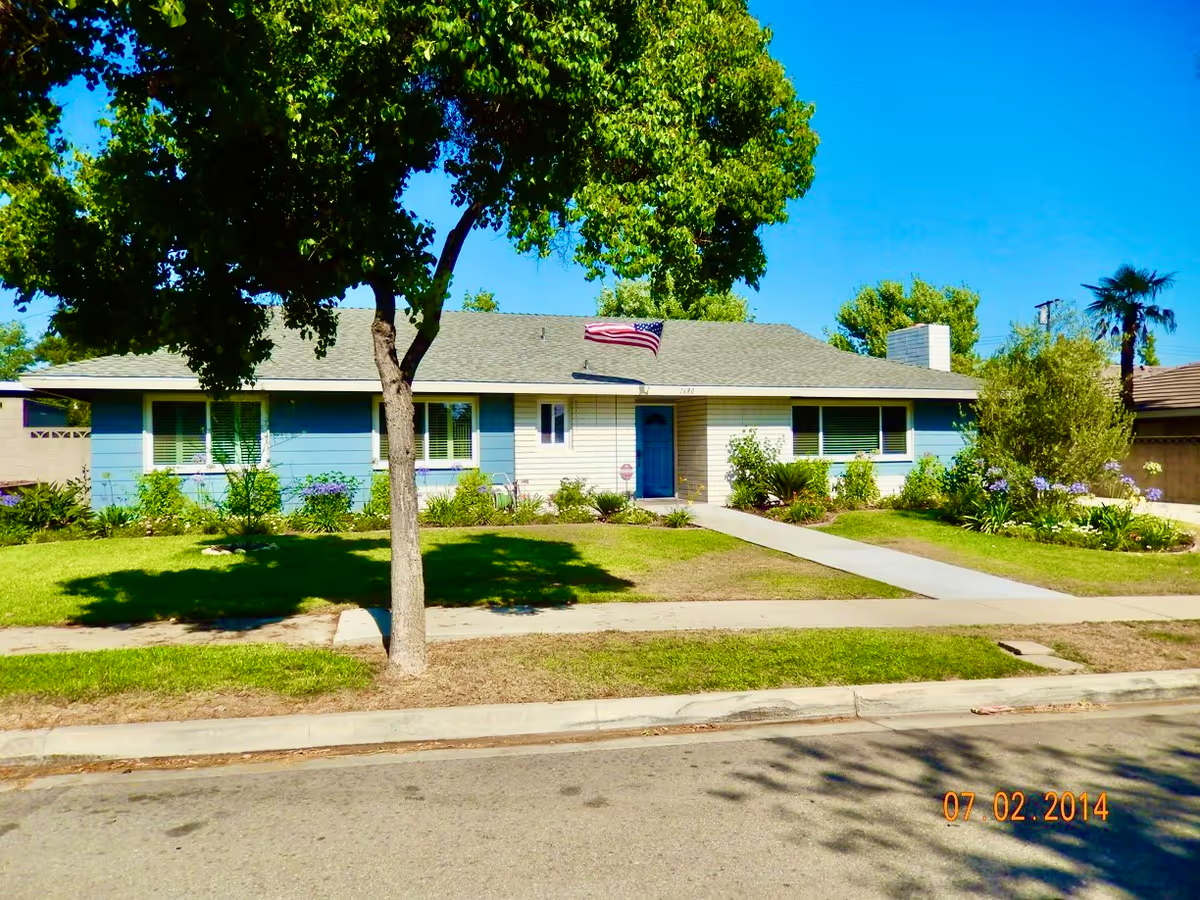
Overall impression: Hillcrest presents as a well‑appointed, campus‑style senior living community with a broad continuum of care, strong amenities, and many families describing positive day‑to‑day experiences. Commonly highlighted strengths include friendly, long‑tenured staff, transparent cost discussions, and a range of living options from cottages and independent apartments to assisted‑living and skilled nursing. The property is frequently described as beautifully maintained, with gardens, outdoor spaces, a pool, gym, library, chapel and sizable communal rooms that support social life and events.
Care quality and staff: Many reviews praise the community’s clinical offerings — an on‑site memory clinic, trained dementia staff, and coordination with hospice and hospital services — and describe caring, knowledgeable caregivers who learn residents’ names and preferences. At the same time, a pattern of operational concerns appears in other accounts: inconsistent personal‑care responsiveness (for example, missed baths or delayed assistance) and lapses in medication follow‑through. Reviewers also describe variability in staff professionalism and communication; staffing levels and workload pressure are cited as contributing factors to uneven service. These contrasting accounts suggest generally strong clinical capability but uneven execution on shift‑to‑shift operational performance.
Dining and activities: Dining receives consistent praise for home‑style, varied menus and pleasant dining rooms; multiple reviewers specifically cited above‑average meals and an accommodating cafeteria/cafe setup. Activity programming is another clear strength — bingo, musical performances, clubs, fitness classes, water aerobics, and regular outings are mentioned — and many residents are described as socially engaged and active. However, programming availability is not uniformly consistent: some families noted that activity frequency dropped during the COVID period and that certain promised activities did not occur, indicating variability in day‑to‑day scheduling and resident participation.
Facilities and accessibility: The campus and facilities are often described as meticulously maintained, clean, and attractive, with options that include in‑unit laundry, full kitchens in some units, private cottages, and accessible design elements. Conversely, the campus scale and spread‑out layout can be challenging for residents with mobility limitations, and parts of the community include older buildings with smaller apartment footprints. Memory‑care environments also vary by unit, with some families characterizing particular areas as dim or less inviting.
Management and notable patterns: Reviewers commonly note transparent pricing conversations and helpful marketing or transition staff; several families felt the community was a good fit based on those interactions. Nevertheless, there are recurring concerns about management responsiveness and incident resolution in certain situations — the most serious being allegations of resident theft and family dissatisfaction with how incidents were handled. Financial cost (entrance fees and monthly charges) is another consistent consideration for prospective residents. Overall sentiment among reviewers appears polarized: many describe high satisfaction with staff, food, activities, and the campus, while a minority describe significant negative experiences tied to staffing, care follow‑through, and management responsiveness.
Guidance for families: Hillcrest may be a strong match for families seeking an active, amenity‑rich campus with dementia care capabilities and a full continuum of services. Prospective residents and families should verify current staffing ratios and shift coverage, observe the memory‑care environment in person, ask about incident‑resolution procedures (including theft prevention and response), confirm activity schedules, and review contract terms and fee structures to ensure the community’s operational realities align with their expectations.