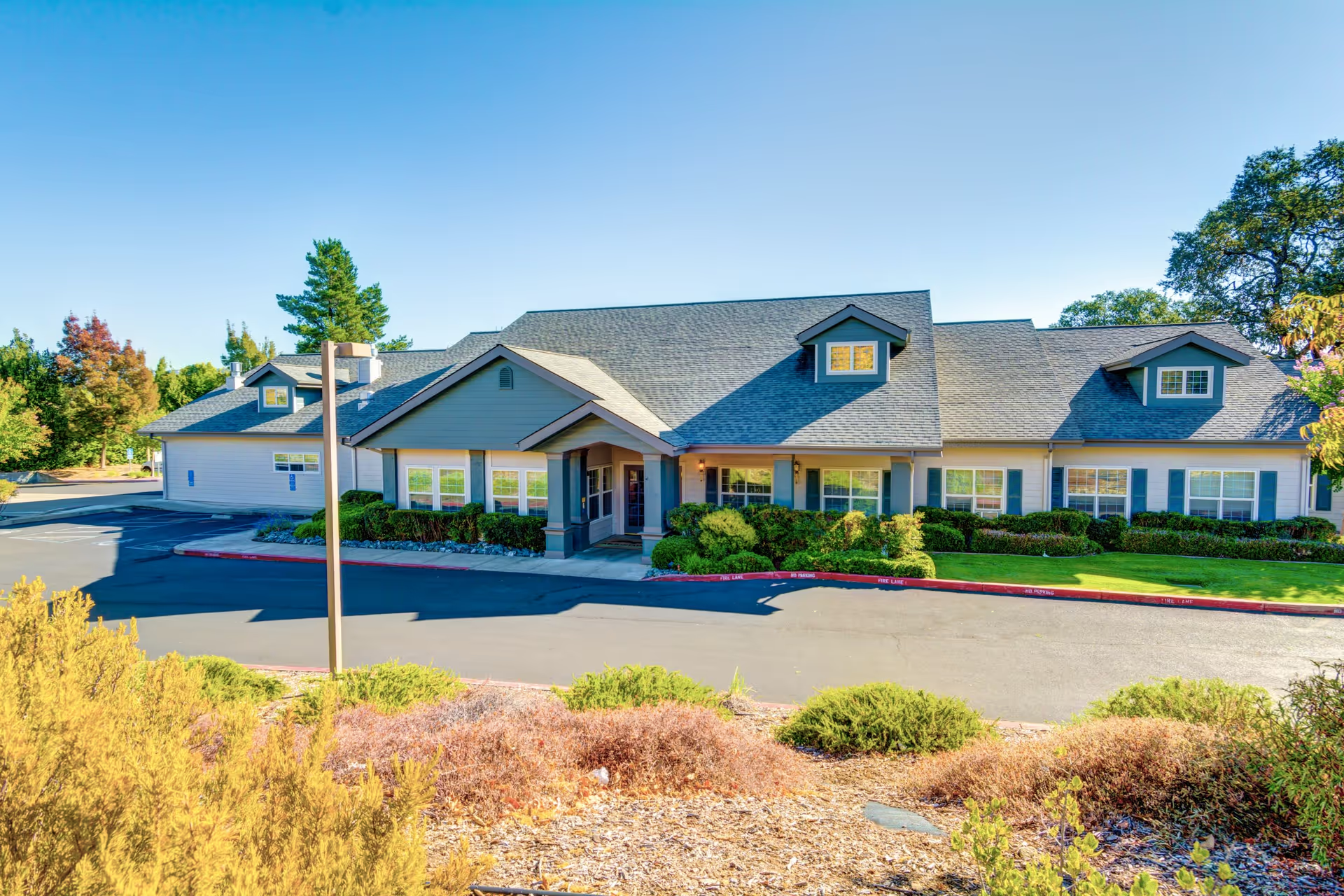
Overall impression: Lakeport Post Acute elicits a mixed but actionable pattern of strengths and operational weaknesses. The facility earns consistent praise for its rehabilitative services, housekeeping, and many direct-care staff, while recurring operational issues—particularly around nursing continuity, responsiveness, and certain administrative processes—warrant careful oversight by families and referral sources.
Care quality and staff: Physical and occupational therapy are frequently identified as a major strength; reviewers describe experienced, patient, and effective therapists who facilitate measurable functional gains. Direct-care staff—nurses and CNAs—are often characterized as compassionate and attentive, and several families highlighted individual staff members as particularly supportive. However, reviewers also describe uneven nursing coverage, frequent changes in nursing personnel, and gaps in handoff communication between shifts. These patterns are associated with delayed responses to call bells and occasional concerns about medication handling and discharge coordination.
Dining and activities: Dining services receive largely positive comments for well-prepared, varied, and nutritious meals, and dietary staff are noted as helpful. A minority of accounts describe inconsistent meal quality during some stays, so dining experience may vary by time or unit. Activities and the general social environment are viewed favorably; reviewers mention engaging activities, family-friendly policies, and a supportive, community-like atmosphere that contributes to residents' morale.
Facilities and amenities: The physical environment is consistently described as clean, bright, and well-maintained, with private rooms available and prompt housekeeping. Transportation support (e.g., facility van) and pleasant communal spaces are also noted as helpful practical features.
Management and notable patterns: Administrative impressions are mixed—billing and some admissions staff receive positive remarks for helpfulness and efficiency, while other front-desk personnel are described as less engaged. Several reviewers perceived limited operational oversight and recommended stronger management involvement to address staffing consistency and communication gaps. There are also serious, isolated claims that rise to the level of allegations involving medication diversion and misrepresentation; these are not presented as facility-wide findings but are significant enough that families should seek clarification about medication controls, documentation practices, and complaint-resolution processes.
Practical takeaways for families: If considering Lakeport Post Acute, prospective families should weigh the facility's strong rehabilitation program, clean environment, and many compassionate caregivers against documented operational weaknesses—particularly variable nursing continuity, response times, and administrative communication. Recommended steps include asking for a consistent nursing assignment when possible, clarifying medication-administration and documentation protocols, confirming discharge planning procedures in writing, and establishing a direct communication plan with management to address any concerns promptly.