Reviews describe a facility with clear strengths in therapy and certain caregiving roles alongside repeated operational weaknesses. The rehabilitation programs — especially physical therapy, but also speech and respiratory therapy — receive consistent praise for helping residents regain strength and function and for professional, motivating staff. Several reviewers characterized clinical leadership, primary physicians, and specific nursing or therapy staff as compassionate and effective, and many families cited strong, individualized support during recovery and discharge planning.
At the same time, reviewers describe variability in basic nursing and personal-care performance. While some families encountered attentive, kind nursing and CNA support, others described delayed responses to requests, delays in addressing continence needs and wound concerns, and uneven transfer and handling practices. These descriptions point to inconsistent staffing and workload pressures that appear to produce variable day-to-day care quality rather than a uniform standard across the facility.
Dining and activities elicit mixed feedback. The activities program and its leadership are frequently praised for creating a home-like atmosphere and family-oriented events, including special meals and programming for visitors. Meal quality, however, is inconsistent — with accounts ranging from well-prepared special meals to routine service perceived as subpar. Transportation services and some hospitality features (preheated vans, private family areas) were noted positively.
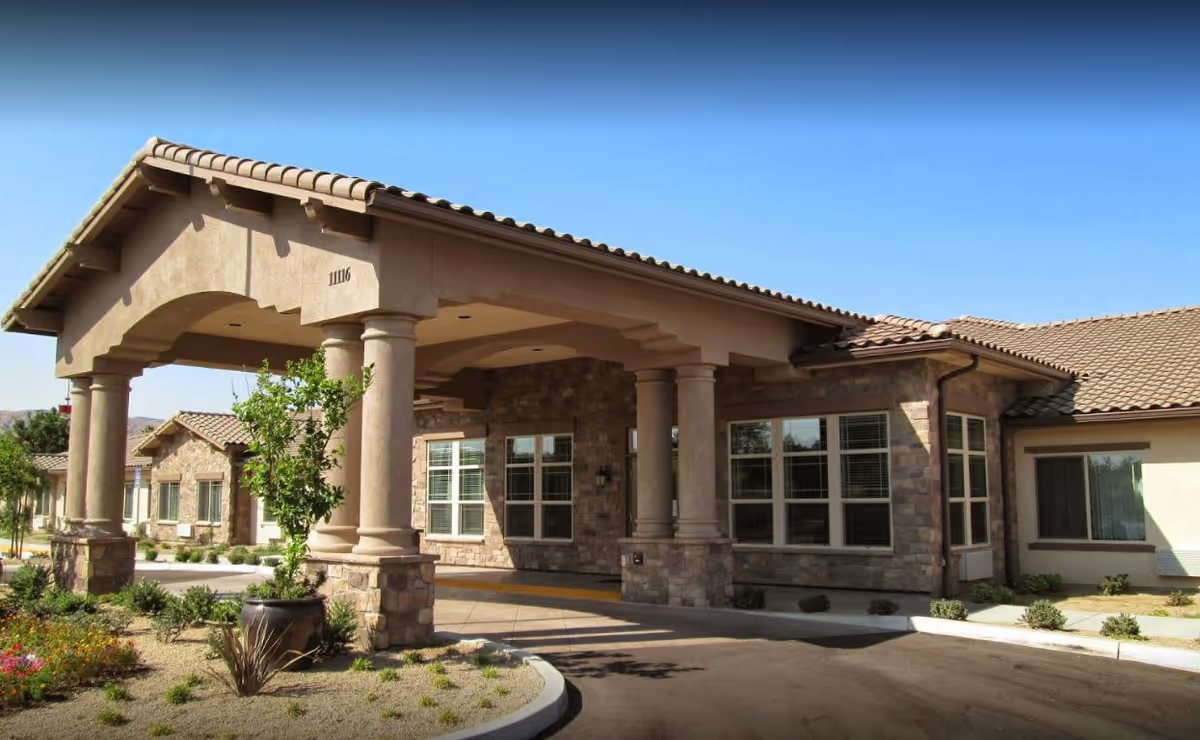
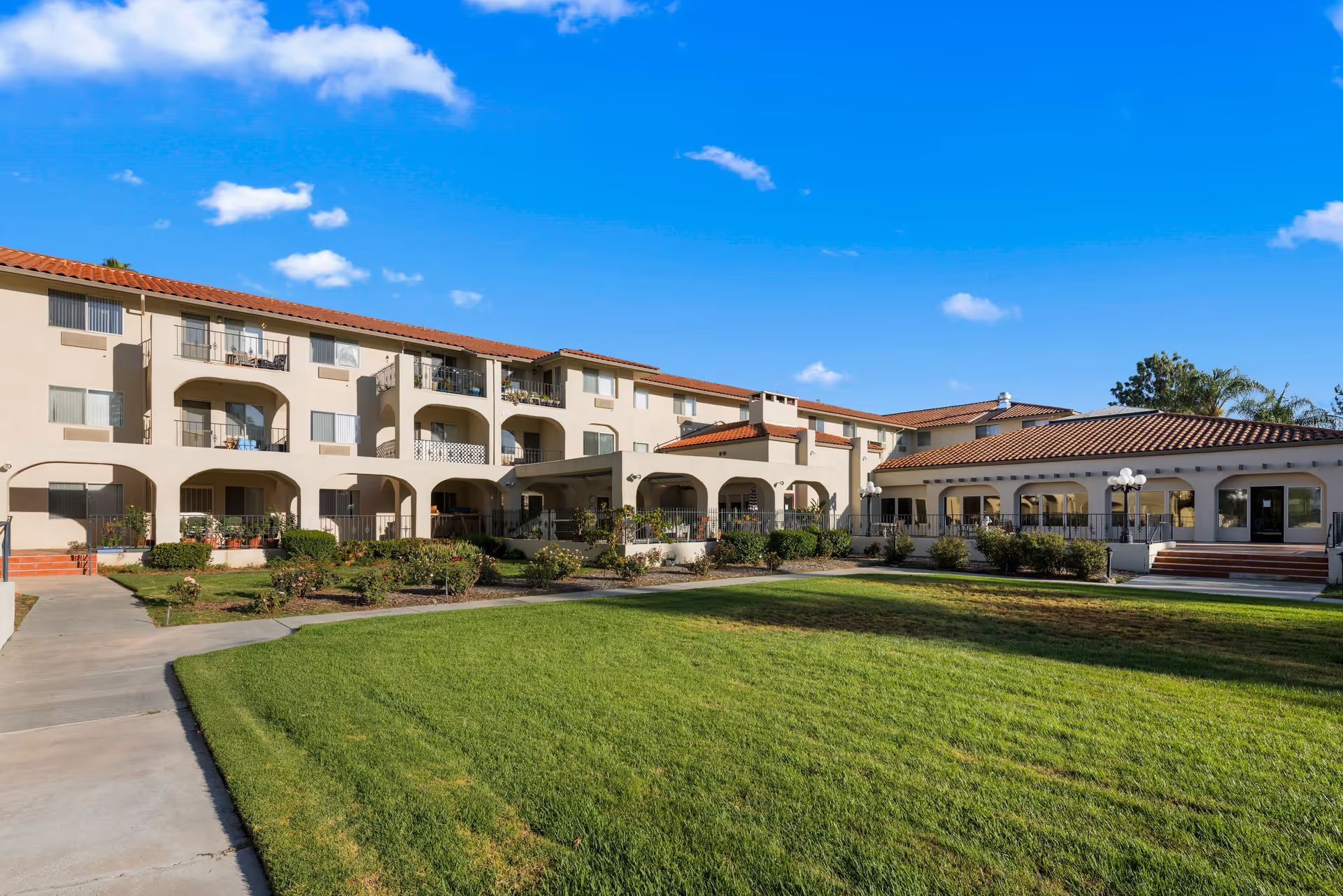
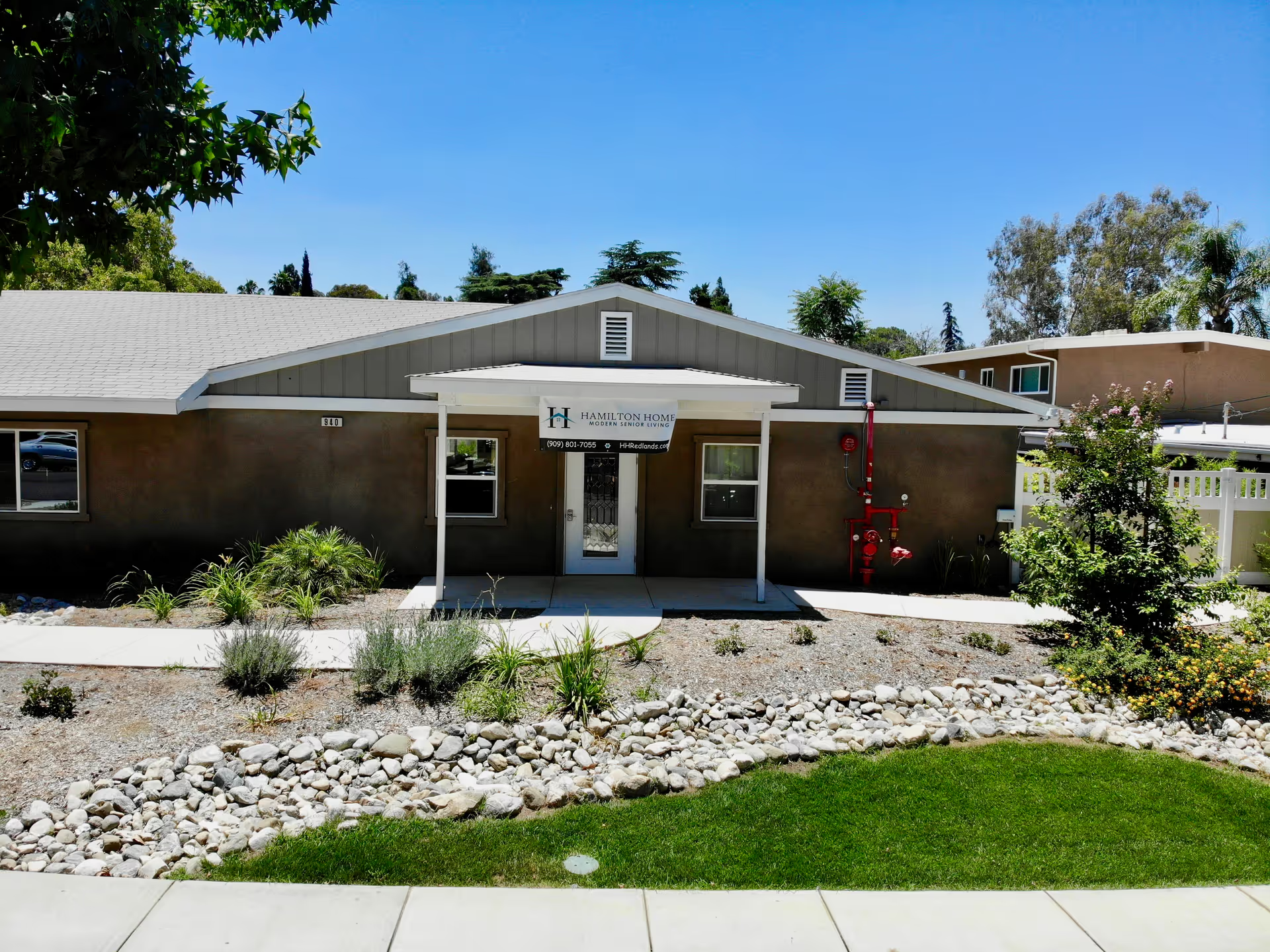
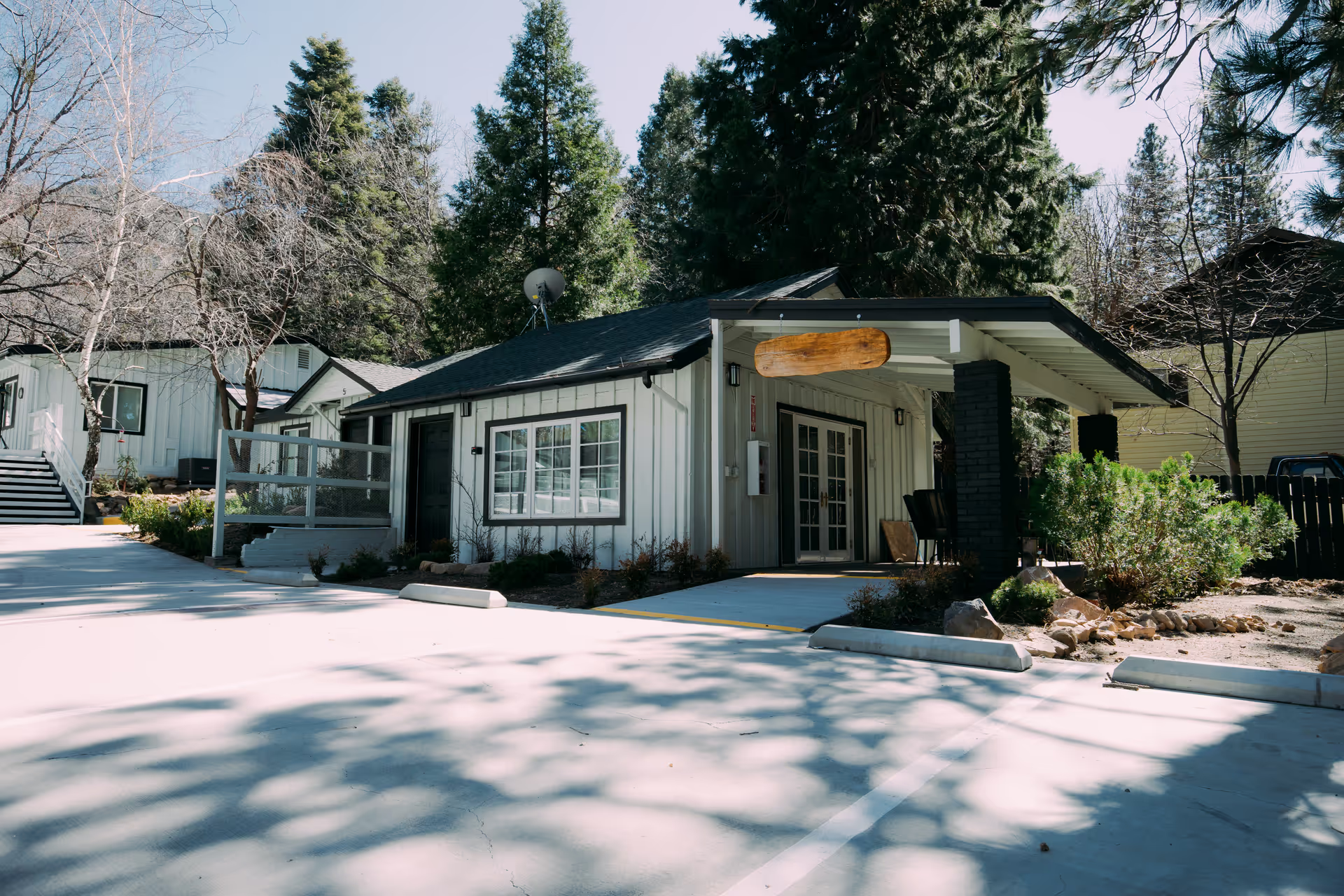
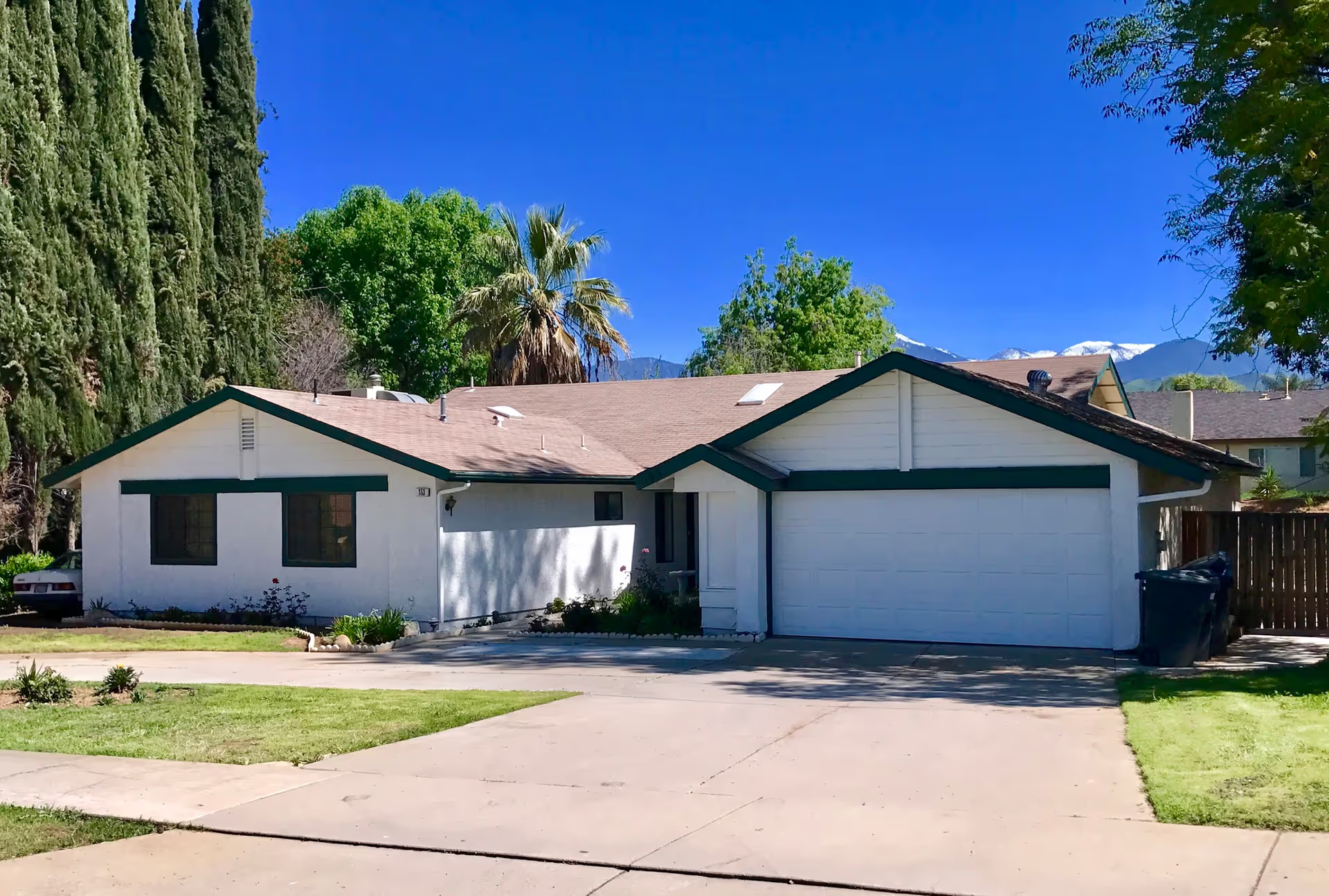
Facility condition and infection-control practices are areas of concern for multiple families. While some reviewers described a clean, well-kept environment, others noted aging infrastructure, crowded conditions, limited phone access, and sanitation or pest-control gaps that affect perceived safety and comfort. Several reviewers urged improved staff-health screening and pest-control procedures.
Management, administration, and communication emerge as a recurrent theme. Families reported disorganized billing and discharge workflows, difficulties with program enrollment or Medi‑Cal processing, and frustration with complaint handling and follow-up. A small number of reviews referenced regulatory complaints or requests for external advocacy; concurrent praise for specific managers or head nurses suggests uneven leadership performance across departments.
What to consider when evaluating this facility: if access to strong rehabilitation services and an engaged activities team are primary needs, the facility demonstrates clear strengths. If consistent nursing responsiveness, predictable administrative processes, and facility maintenance are top priorities, prospective families should seek direct information about current staffing ratios, complaint escalation procedures, sanitation and infection-control protocols, and billing/discharge workflows. An on-site visit that includes meeting therapy staff, nursing leadership, and admissions/finance personnel — and observing shift-to-shift handoffs and dining/service periods — will help validate whether the facility’s strengths align with a particular resident’s needs.