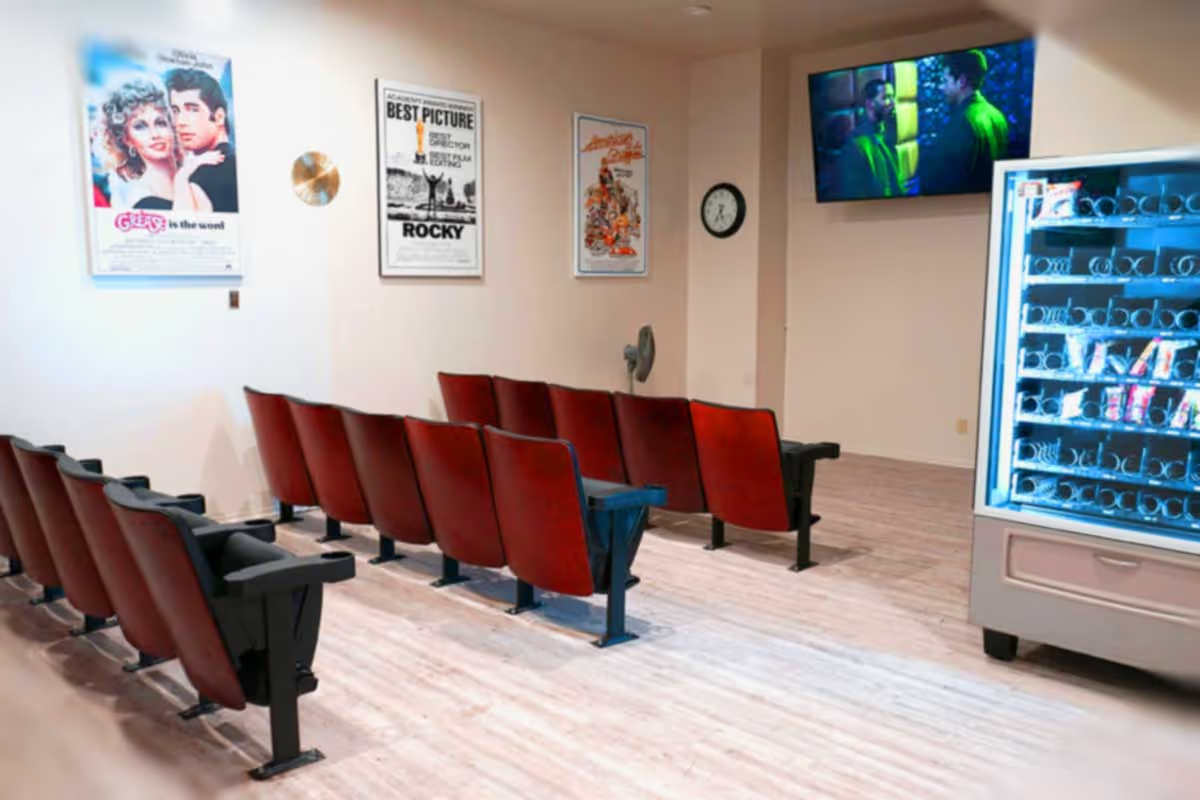
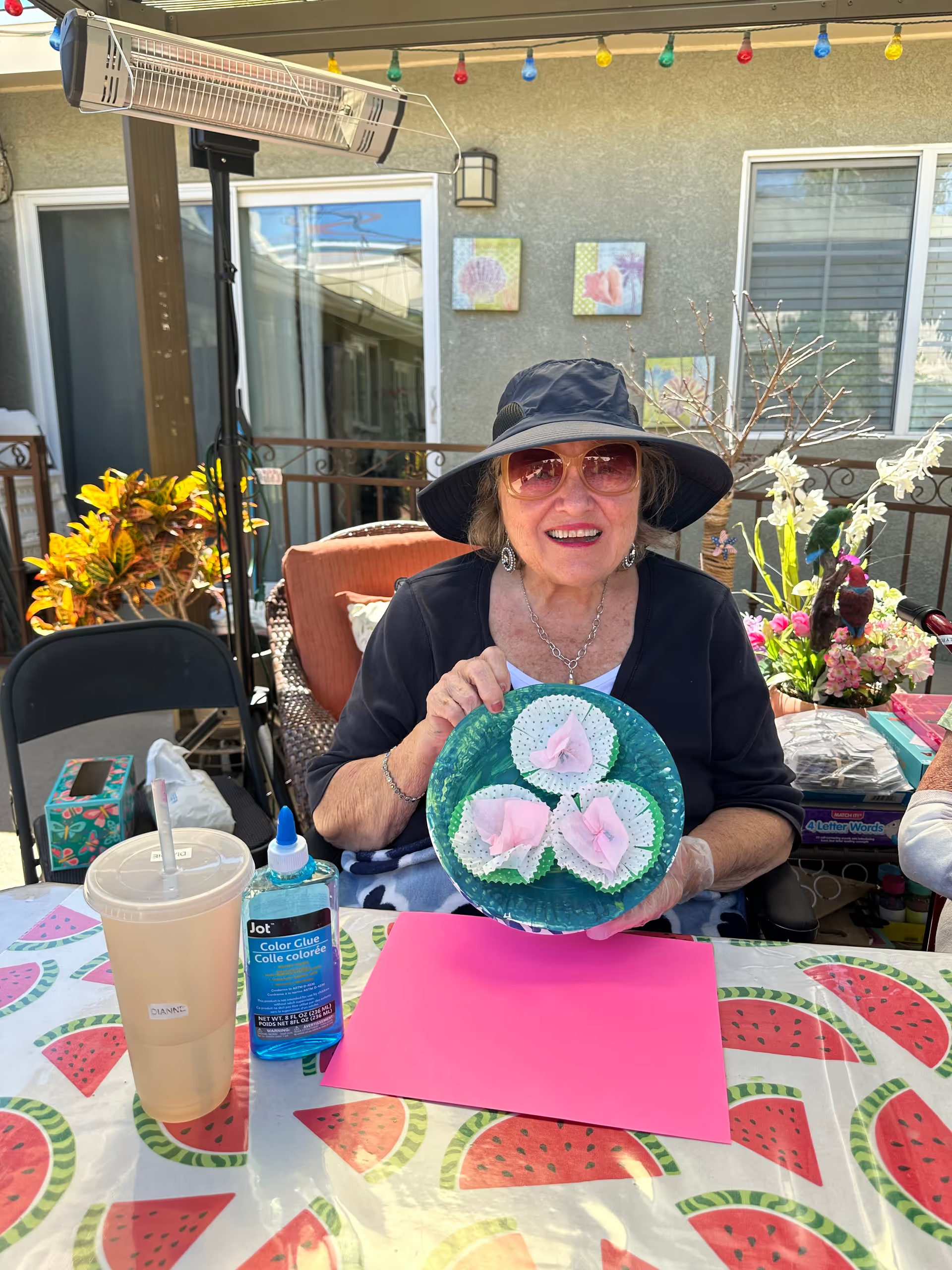
The reviews present a mixed picture of clinical care and daily life at the facility. Many families and residents praise the direct-care teams, therapy staff, and case management; these staff members are frequently described as compassionate, hands-on, and effective at restoring function in post-acute stays. Several accounts note good access to physicians and specialists, supportive wound care, and an active rehabilitation program that contributes to measurable health improvements. Activity programming (bingo, crafts, dances, entertainment) and a range of dining options are recurring positives that support social engagement and resident satisfaction.
Alongside these strengths are recurring operational concerns that affect safety and family confidence. Multiple reviewers describe delayed responses to call lights, long waits for medications, and instances of medication errors — these point to inconsistent clinical responsiveness and weaknesses in medication-management processes. Staffing levels and consistency appear variable, particularly on night shifts, which reviewers associate with longer response times and lapses in scheduled personal-care tasks such as bathing and oral care. Fall-related events and transfer issues are also mentioned with enough frequency to suggest gaps in fall-prevention and transfer-safety practices.
Communication and management patterns are mixed. Several reviews commend individual leaders and coordinators for being proactive and helpful, while others describe variable leadership engagement, delayed incident notification to families, and a need for persistent advocacy to obtain clinical updates. There are also notes about coordination delays with external services (emergency transport, psychiatric evaluation), which can compound acute-care needs. Security and room-access controls were raised as concerns in at least one instance, and should be considered alongside the communication and notification issues.
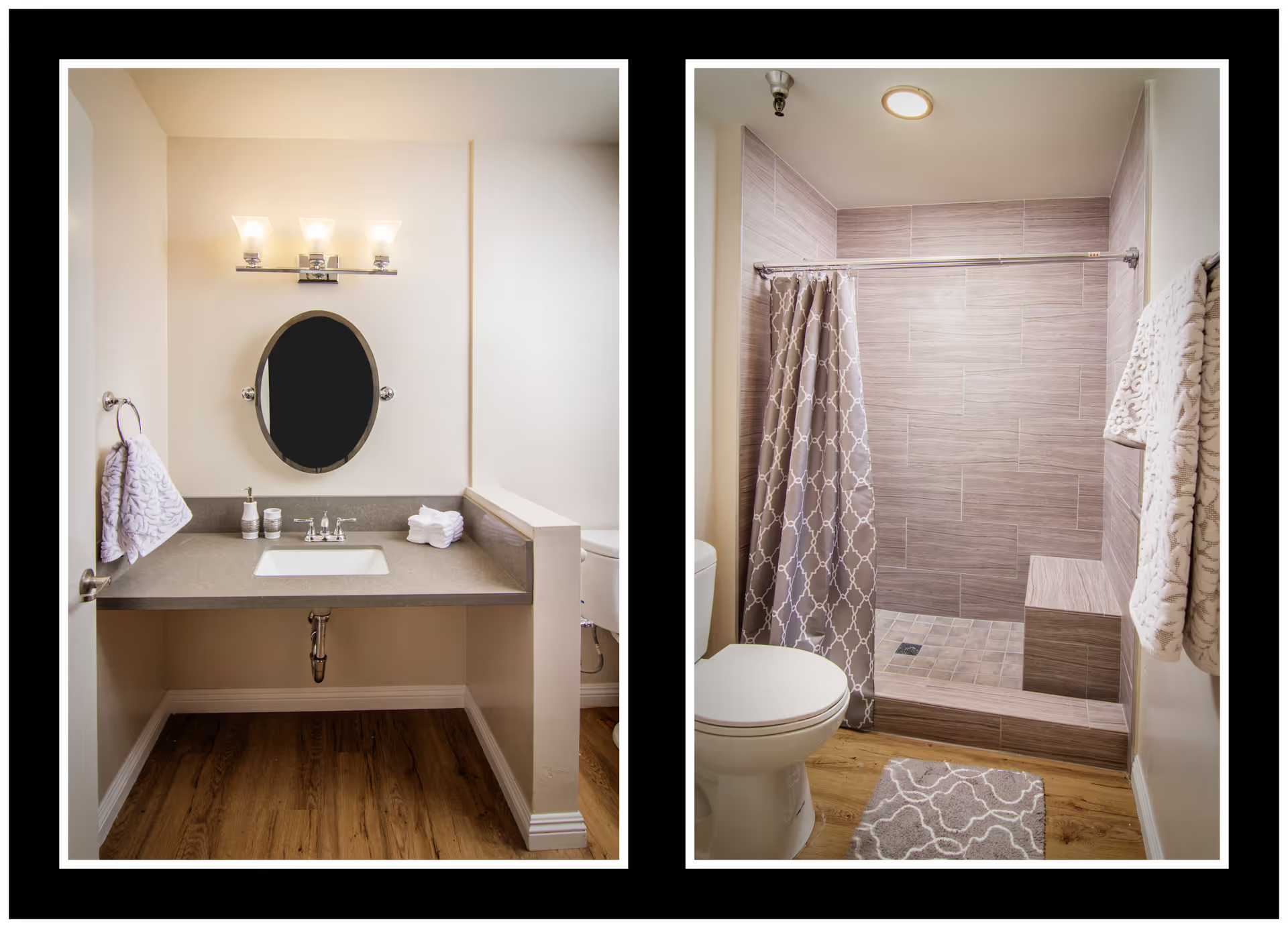
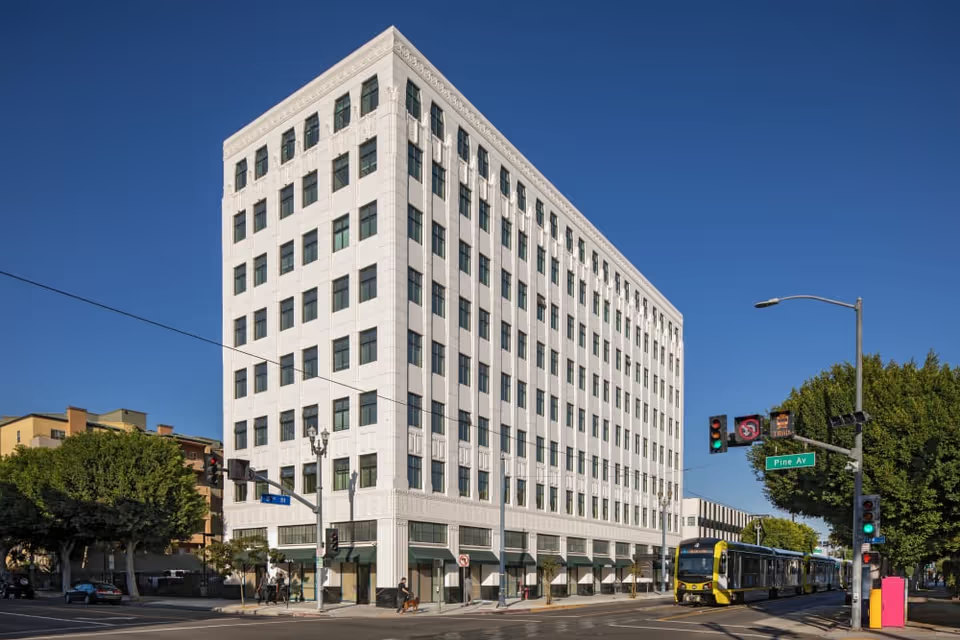
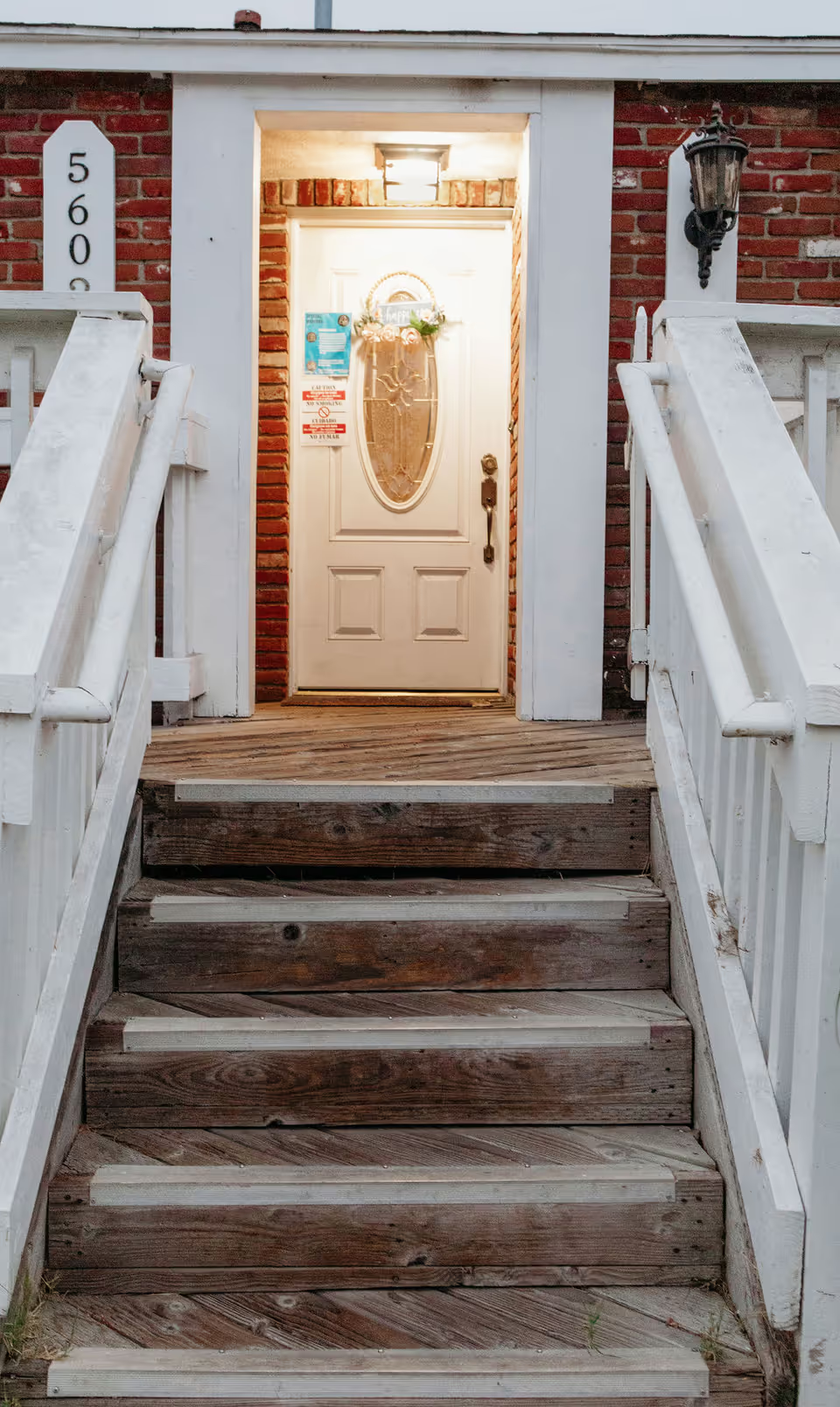
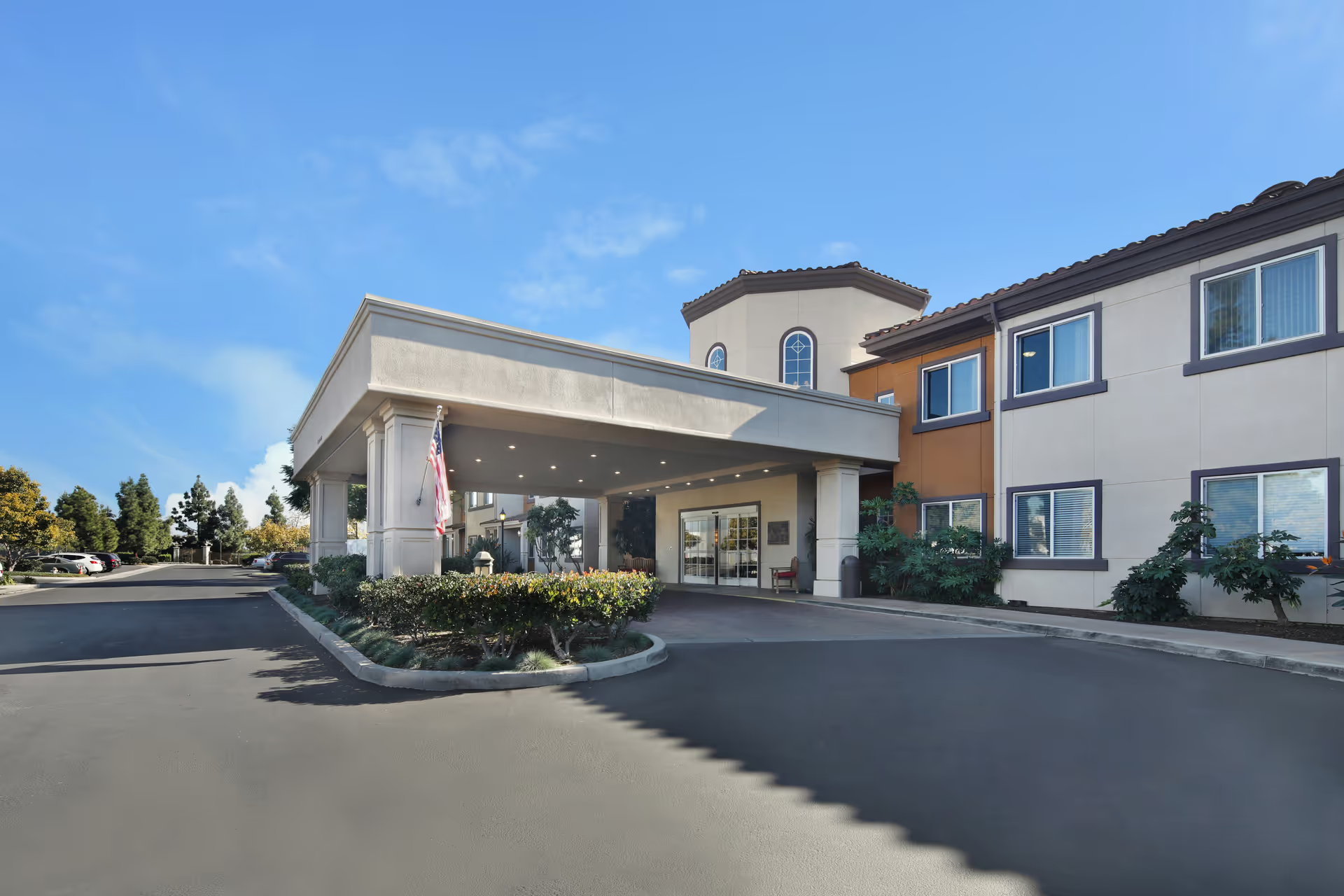
Physical plant and amenities are described both positively and negatively. Some reviewers find the facility clean, well-maintained, and amenity-rich, with staff supporting resident appearance and participation. Others describe a dated, institutional feel in areas, elevator unreliability with long waits, limited private-room availability (shared three-person rooms), and parking constraints. Sanitation-related concerns, including incontinence-care and localized odor issues, were reported by some families and merit attention alongside housekeeping practice reviews.
Overall, the facility offers clear strengths in rehabilitation, therapy engagement, and many compassionate staff who improve resident experience. However, persistent operational issues — notably inconsistent staffing, medication and incident-management processes, communications with families, and aging infrastructure — create variability in care quality. Prospective residents and family members should weigh the strong clinical and social programming against these operational risks, and consider active advocacy and direct discussion with leadership about staffing, safety protocols, notification procedures, and room options before admission.