Long Beach Healthcare Center elicits strongly mixed impressions. Families and patients describe a combination of well-regarded rehabilitation services and individual caregivers alongside persistent operational issues that affect clinical reliability, safety perception, and overall experience. The facility's rehabilitation program, particularly its physical and occupational therapy staff and well-equipped therapy space, receives consistent praise for helping patients progress toward discharge goals. Several caregivers, reception staff, and some nurses are specifically noted as compassionate and responsive, and parts of the campus are characterized as quiet and orderly.
At the same time, reviews indicate variability in clinical care and processes. Concerns include inconsistent nursing competence, medication-management process gaps, and limited physician availability or communication. There are multiple descriptions of delayed bedside attention, infrequent checks for residents with cognitive impairment, and uneven dementia-care practices. Serious events described by families have led to heightened concern about the facility's incident-response and escalation procedures; a regulatory complaint alleging clinical-skill deficiencies was also referenced. These issues suggest the facility's clinical oversight and staff training are uneven.
Operational weaknesses extend beyond bedside care. Families describe breakdowns in family notification, hold times with social-work and admissions teams, and documentation or patient-identification errors. Personal-property controls are another recurring theme: lost or mixed clothing and allegations of financial misconduct raise questions about inventory and security practices. Billing and discharge-planning friction—examples include extended stays tied to insurance issues and disputed charges—further contribute to family stress.
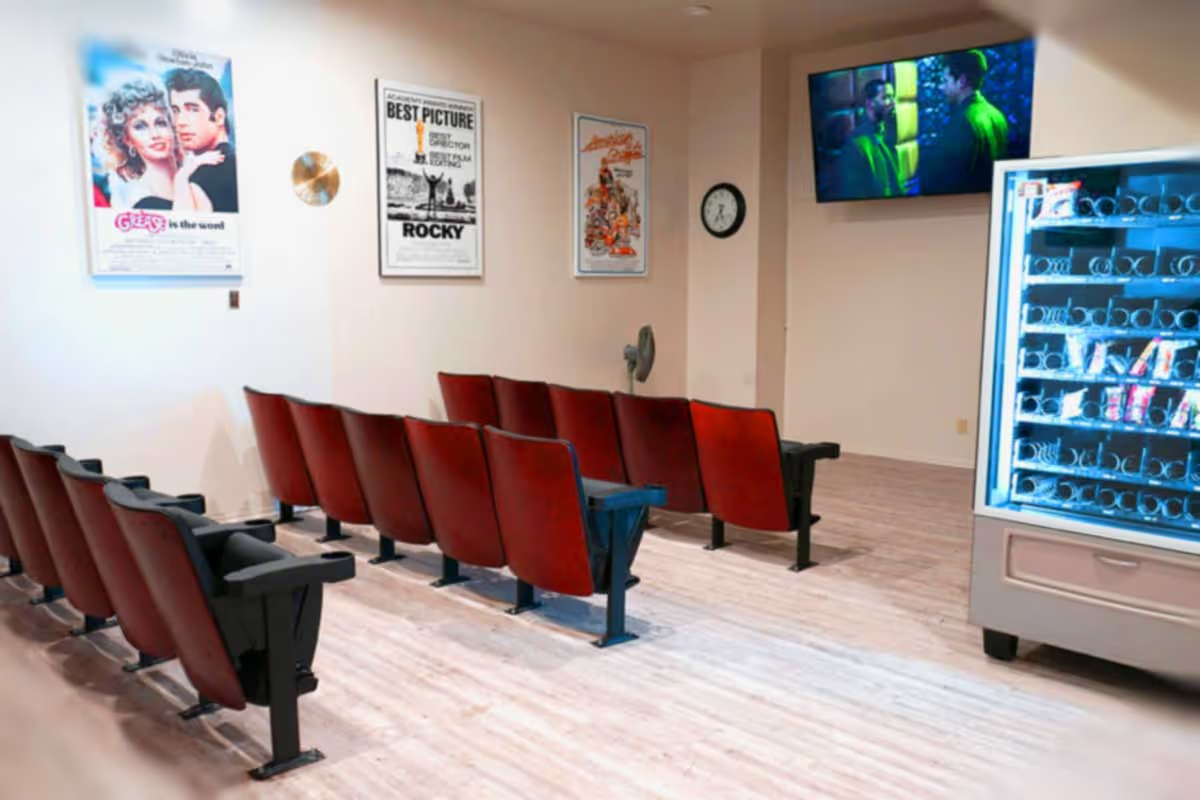
Food service and facility maintenance present mixed signals. Some reviewers praise meal taste and dining staff, while others raise food-safety and meal-quality concerns, including expired items and leftover food practices. Cleanliness impressions vary by unit: some areas and staff are characterized as clean and welcoming, whereas other accounts indicate sanitation and infection-control inconsistencies, poor air circulation, issues with oxygen equipment maintenance, and pest-control concerns. The physical environment is described as crowded at times, with small dining spaces and an overall need for upkeep to present a more inviting ambiance.
Management impressions are likewise mixed. Several comments describe improvement under newer leadership, citing warmer staff interactions and effective administrative help. However, ongoing reports of staffing shortages, heavy reliance on registry personnel unfamiliar with unit routines, slow call-button responses, and inconsistent clinical handoffs point to systemic staffing and operational challenges. There are also mentions of alleged theft and inconsistencies in online feedback that families should weigh carefully.
For prospective residents and families: the facility demonstrates definite strengths in rehabilitation therapy and has individual staff members and teams who provide attentive care. Simultaneously, there are recurring operational and clinical concerns that warrant direct inquiry during a tour. Important topics to raise with administrators include staffing ratios and reliance on registry nurses, medication and documentation protocols, infection-control policies, property-inventory safeguards, discharge-planning practices, and avenues for timely family communication. An in-person assessment of the specific unit and discussions with therapy, nursing leadership, and administration will help clarify whether the facility’s strengths align with the prospective resident’s needs.