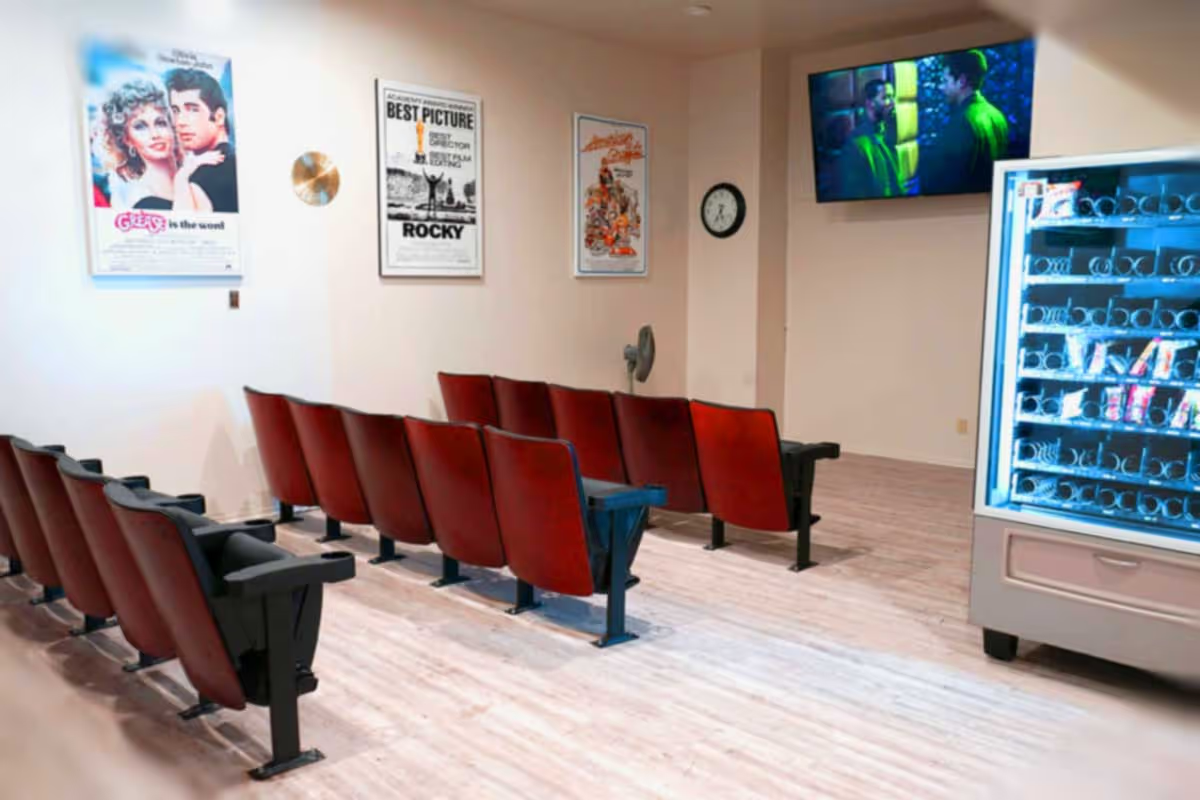
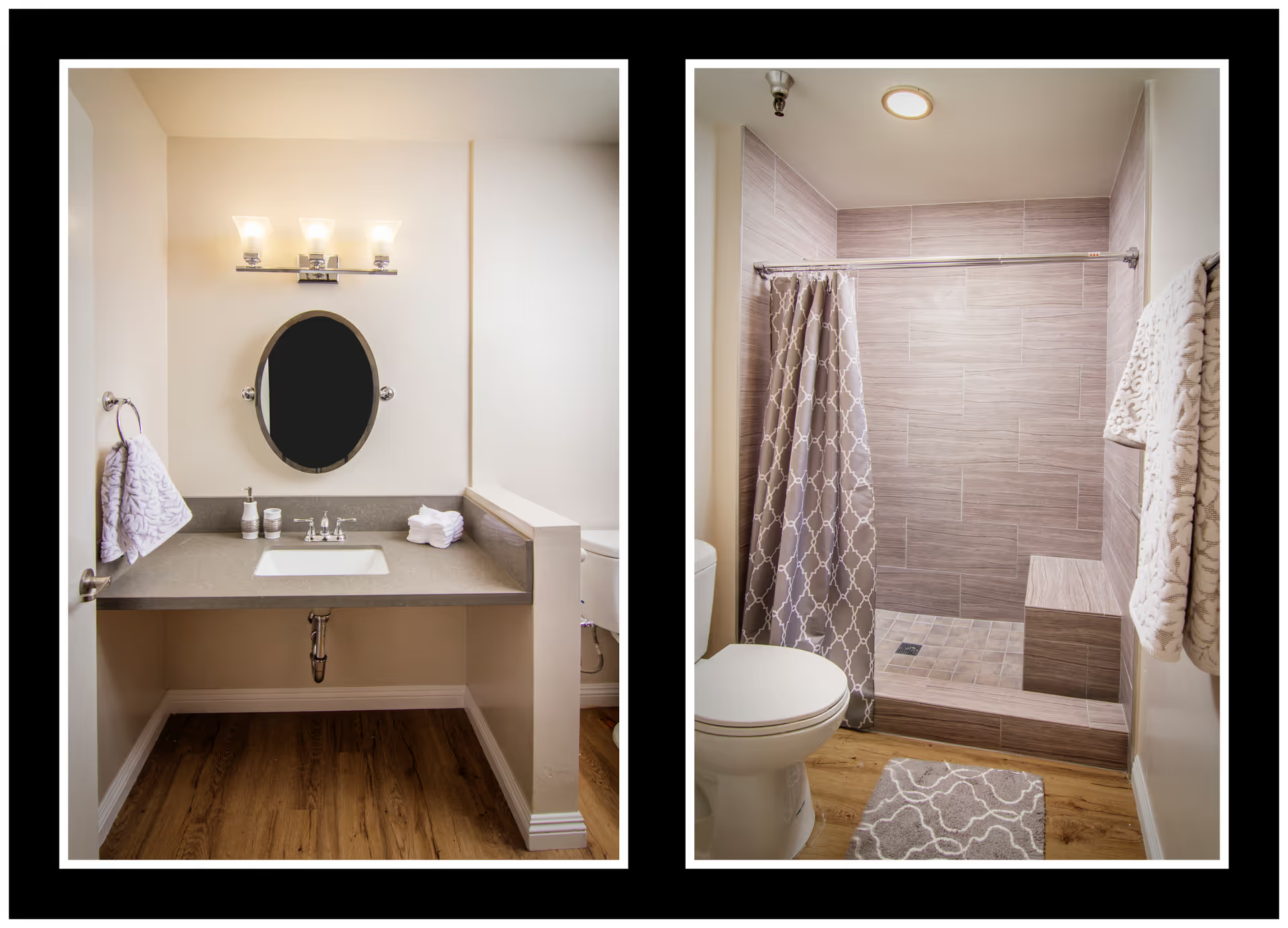
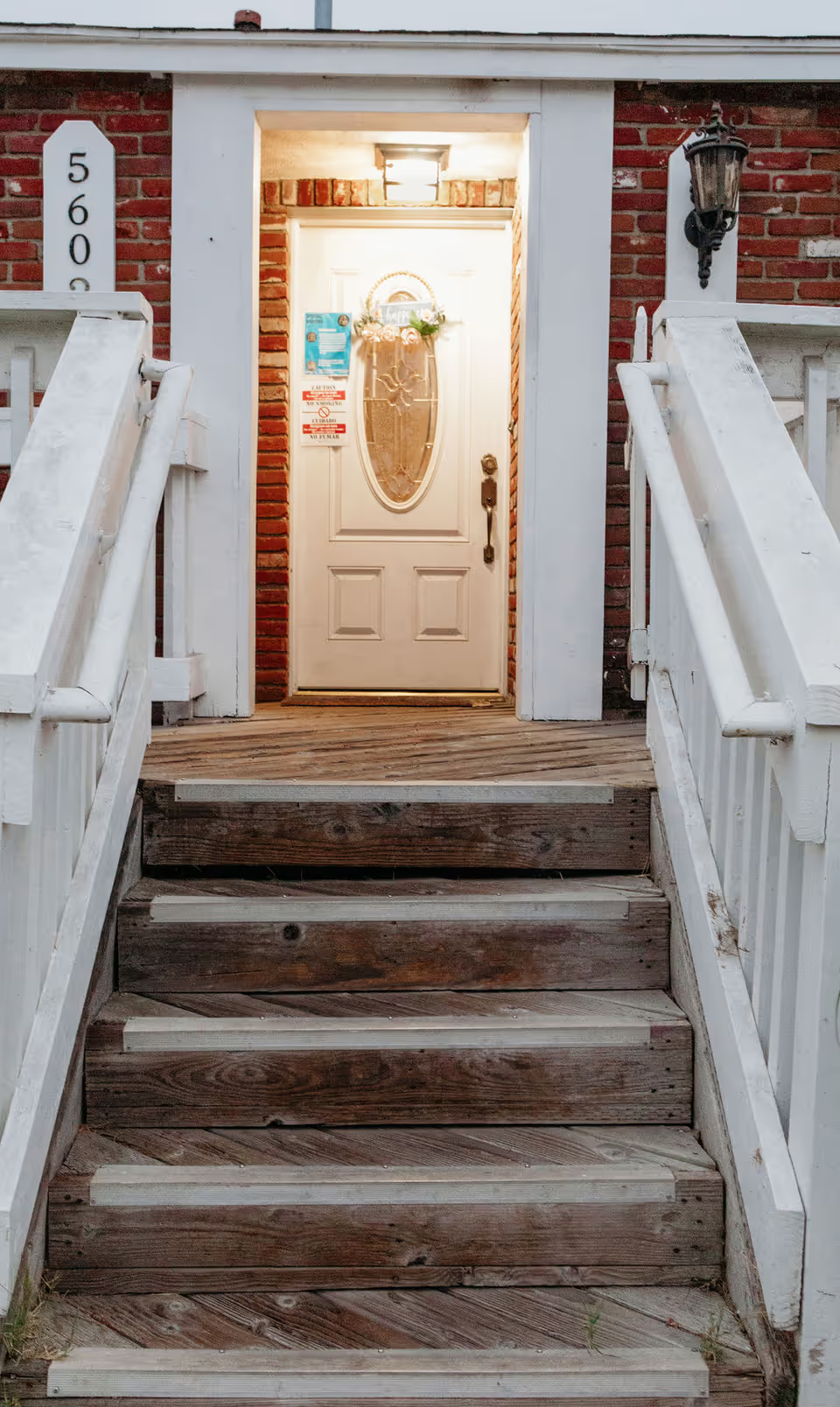
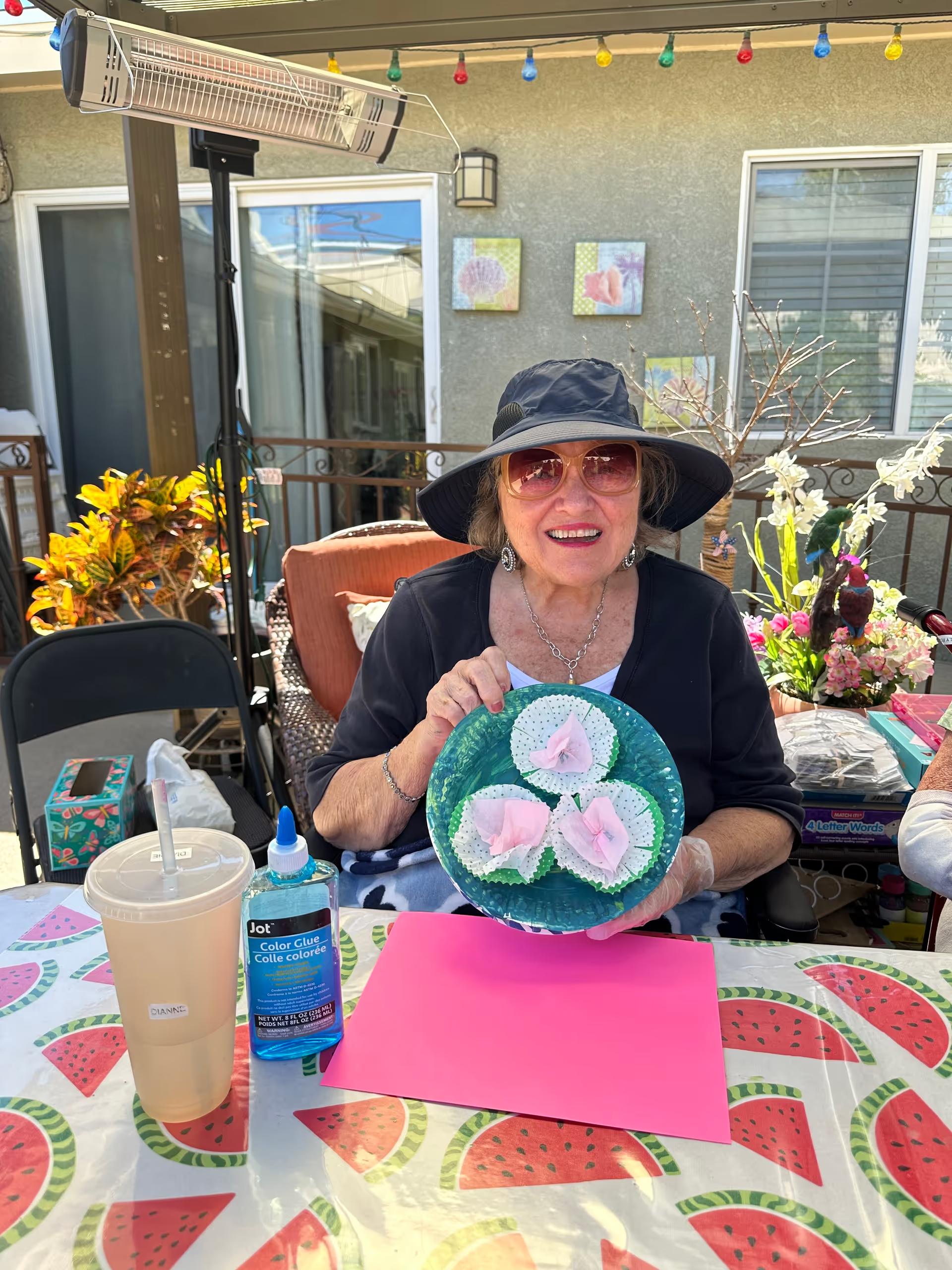
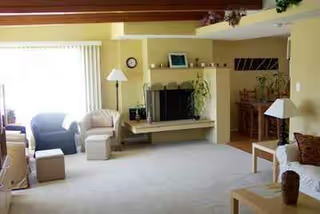
The reviews describe a facility with notable strengths alongside recurring operational weaknesses. Positive themes include compassionate direct-care staff, an effective rehabilitation program supported by therapists, and a welcoming admissions and social-work function that can ease transitions. Several families described favorable clinical recoveries and respectful end-of-life care, and housekeeping and public areas are frequently characterized as clean and well maintained. Recreational offerings and social activities are mentioned as meaningful and engaging for long-term residents.
Clinical-care quality appears mixed. When care is delivered as expected, families note attentive nurses, successful therapy-driven recoveries (including cardiac and post-operative rehabilitation), and coordinated care that helps residents return to prior living arrangements. However, there are repeated concerns about medication management and documentation, inconsistent application of clinical safety practices, and examples that suggest gaps in infection-control protocol adherence. There are also multiple references to unexplained prolonged medication effects or altered responsiveness after treatment; this is best explored directly with clinical leadership when considering placement.
Staffing and interpersonal dynamics are a key area of variability. Many accounts praise individual staff members for compassion and professionalism, but other accounts describe slow response times to call buttons, delays in assistance with daily living needs (bathing, turning, toileting), and instances of inattentiveness. Reviewers describe uneven shift-to-shift communication and what they perceive as understaffing on certain shifts. There are also descriptions of staff conduct and interpersonal conflicts that family members found concerning; prospective families should ask about staffing ratios, supervision, and staff training.
Dining and activities produce mixed feedback. Several reviewers praised specific meals and found the food comforting, while others reported poor preparation or cold meals. Activity programming and social engagement are recurring positives, with residents enjoying games, exercise, and organized events.
Facility safety, sanitation, and property management raised specific operational concerns. While many described a clean, orderly environment, some noted localized odor issues, sanitation concerns in specific areas, and at least one safety hazard (a wet floor) that indicates a need for stronger on-the-spot hazard mitigation. There are also troubling mentions of missing personal items and gaps in handling resident valuables; this merits clarification of property procedures and secure-storage policies. Additionally, isolated infection-control lapses and inconsistencies in clinical practice were noted and should be explored during a visit.
Management and leadership perceptions are inconsistent across reviews. Some families credit recent leadership changes with improved energy, better coordination, and effective director-level intervention. Others perceive weak follow-through, an administrative atmosphere that lacks personal connection, and episodic problems that persist despite awareness. Given this variability, visitors should meet with nursing leadership and administration to assess plans for staffing stability, quality monitoring, and family communication.
Recommendations for families considering Royal Care Skilled Nursing Center: tour the building at different times of day, observe mealtime service, ask about current staffing ratios and call-button response metrics, request details on medication-administration protocols and infection-control policies, review property-handling procedures, and speak with therapy and social-work staff about rehabilitation goals and activity options. Directly inquire about recent quality-improvement actions taken by leadership to address the specific operational issues raised in these reviews.