Overall impression: Reviews present a mixed but coherent picture. Many families and visitors emphasize strong interpersonal care — staff are frequently described as friendly, compassionate, and team-oriented — while operational and clinical oversight issues are raised repeatedly. Prospective families are likely to encounter a facility with devoted frontline employees alongside uneven systems for communication, property management, and certain aspects of clinical oversight.
Care quality: Clinical impressions are mixed. Several accounts praise attentive caregiving, successful discharge planning, and rehabilitation support that helped residents regain strength and mobility. At the same time, some reviewers raised concerns about inconsistencies in caregiving practice and clinical oversight, including skin-integrity and hygiene management. These comments suggest that clinical outcomes may depend on which caregivers or shifts are involved; families should ask about staffing patterns, nursing oversight, and skin-care protocols when evaluating placement.
Staff: Staff interpersonal qualities are a clear strength. Maintenance, housekeeping, and specific social work staff were singled out for positive interactions — described as helpful, knowledgeable, and engaged. Teamwork and mutual respect among staff are noted as contributing to a supportive atmosphere. However, reviewers also identified variability in frontline performance (for example, inconsistent attention to personal care tasks) and occasional concerns about staff conduct or tone. Staffing levels and training variability appear connected to these inconsistencies.
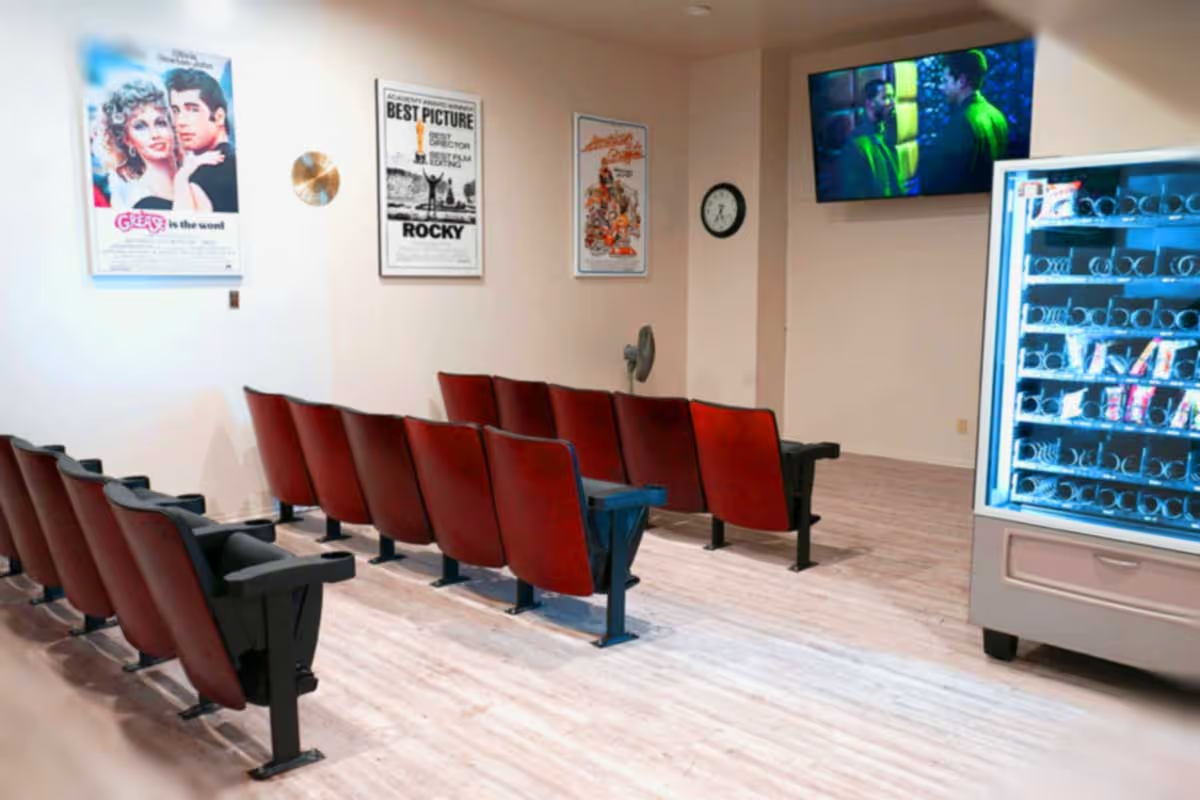
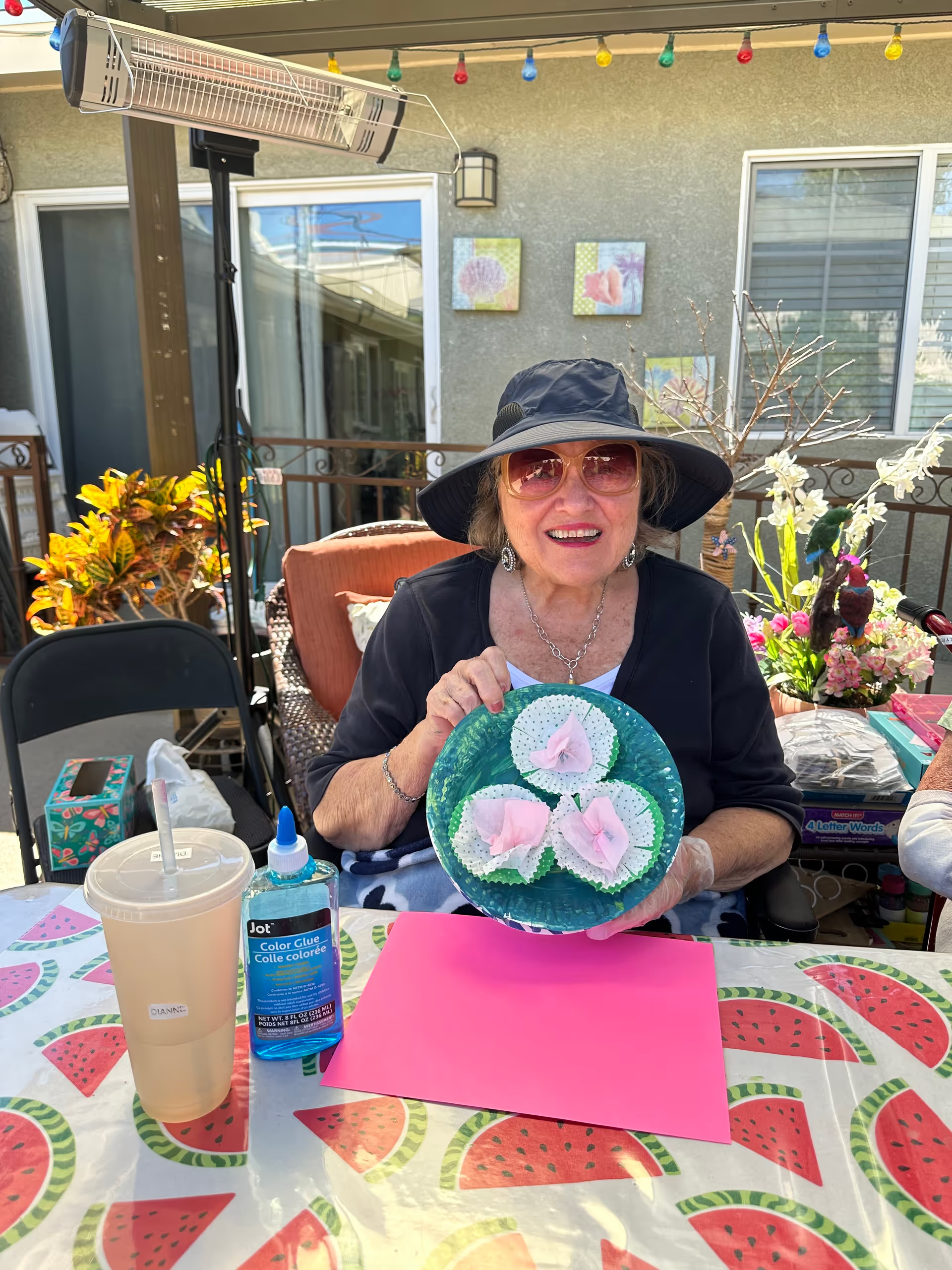
Dining and activities: There is limited direct commentary on dining in the available summaries. Activities are described positively — reviewers mention lots of activities and an environment that feels welcoming and home-like. The active programming and social opportunities appear to be a real asset for residents, particularly for families seeking engagement and routine for loved ones with disabilities or rehabilitation needs.
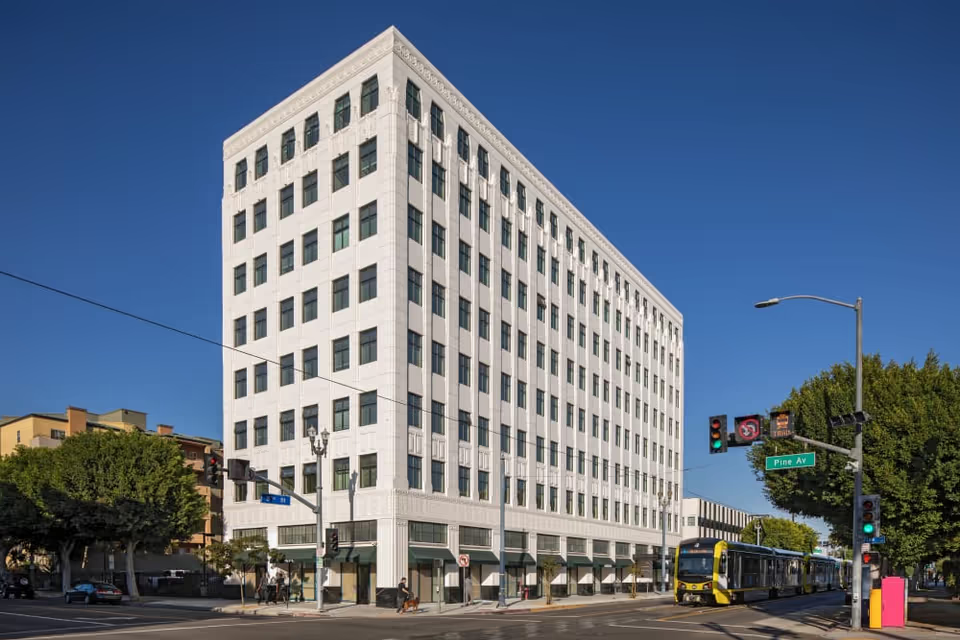
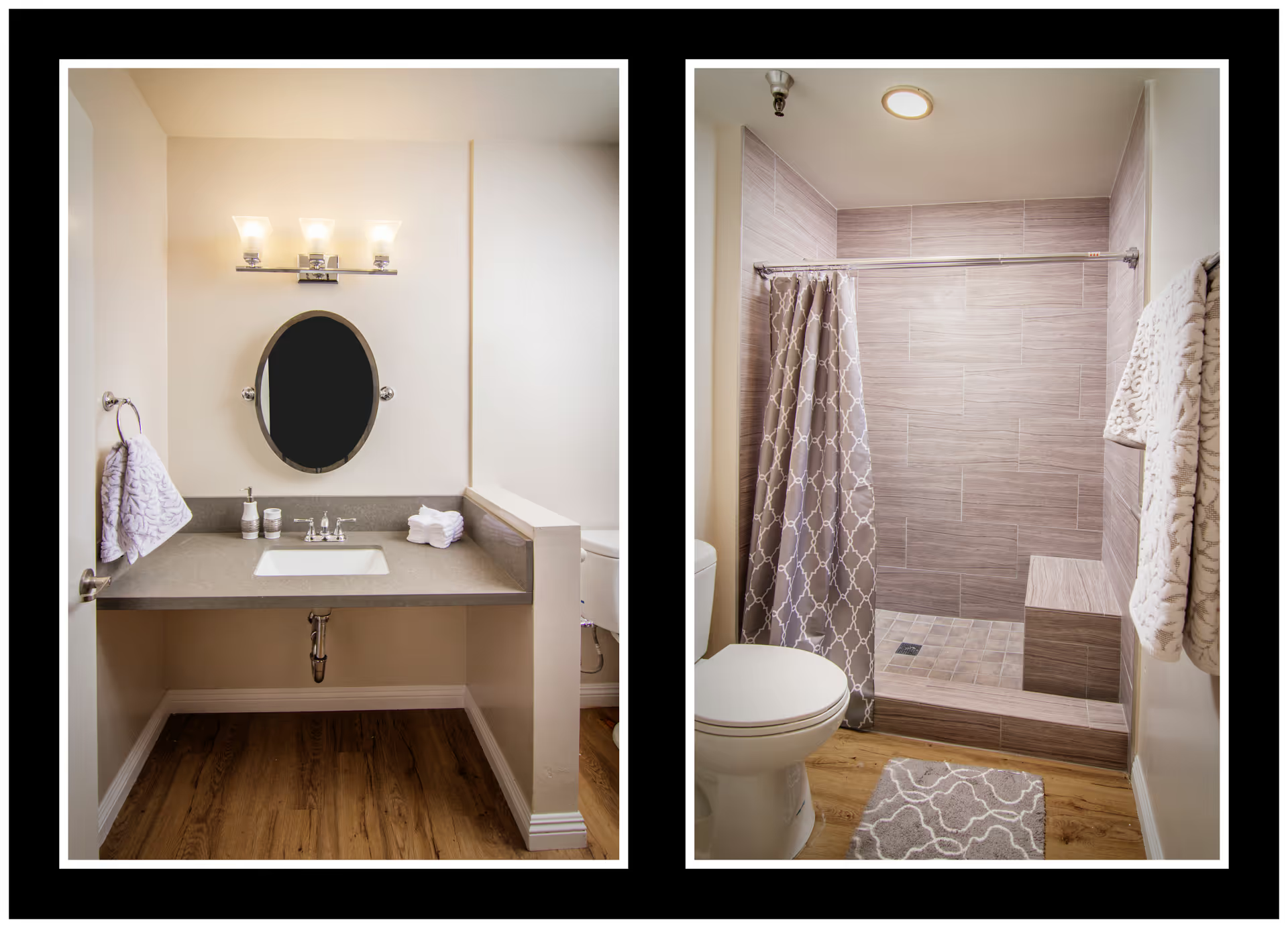
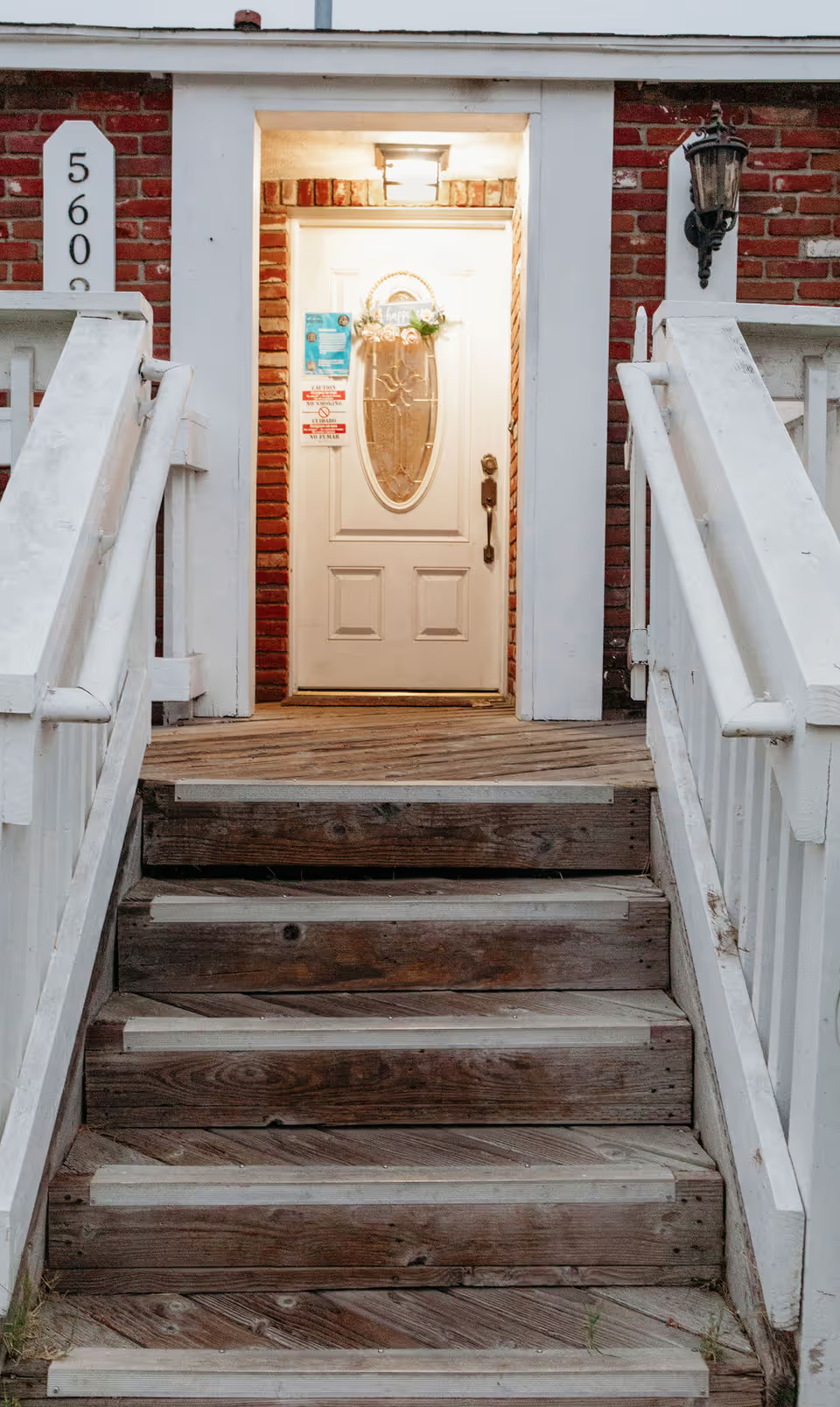
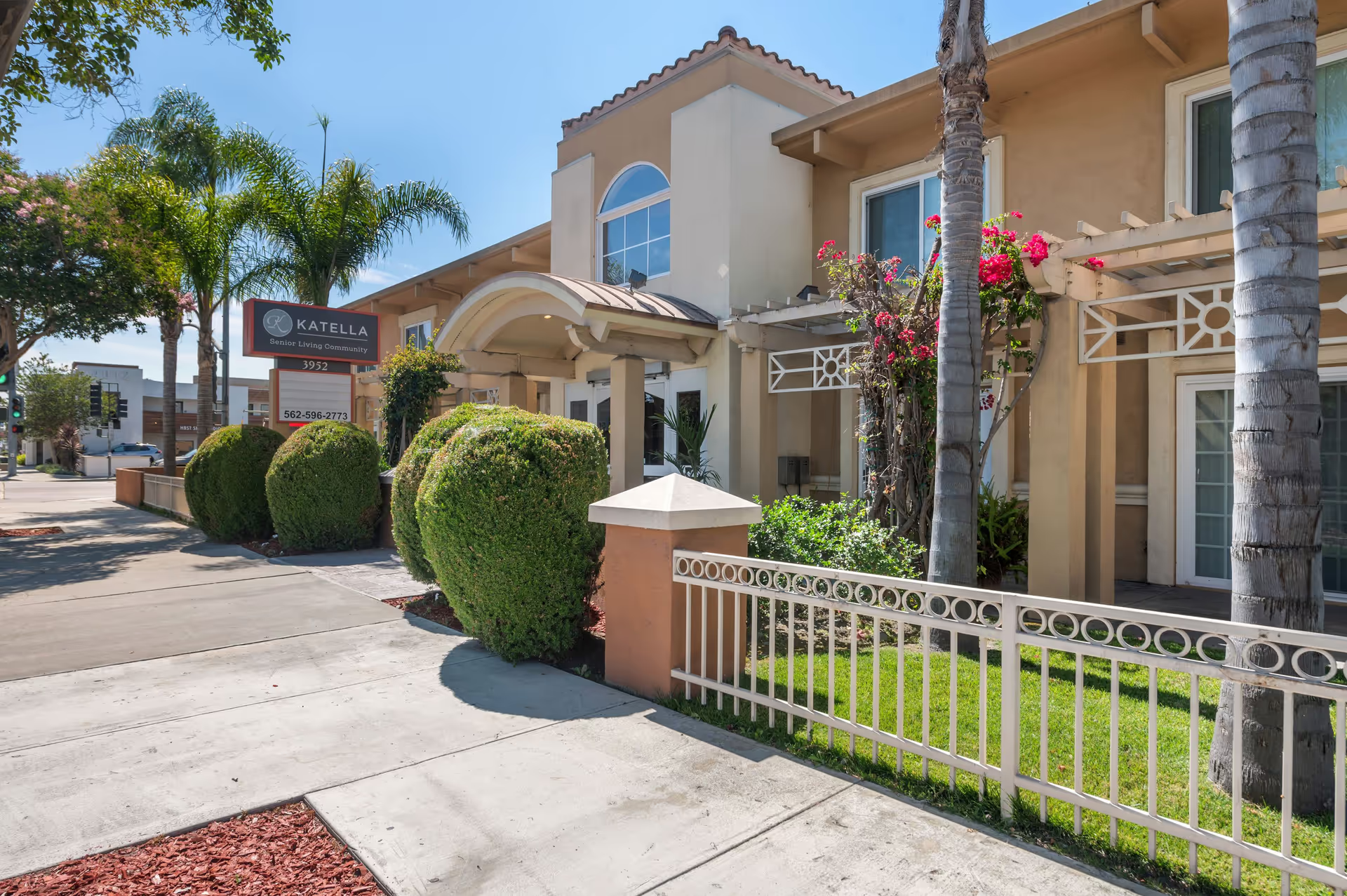
Facilities and maintenance: The facility is described as relatively small, which some families found appealing for a homelike feel but others saw as a constraint on resources. Positive mentions of an engaged maintenance worker and consistent housekeeping contrast with separate comments about uneven overall upkeep and perceived underinvestment. These signals suggest maintenance may be task-driven rather than comprehensively managed; prospective families should tour the building, inspect common and resident spaces, and ask about scheduled preventive maintenance.
Management and communication: Communication is an area with mixed feedback. Several reviewers praised the social work and discharge planning processes, while others described difficulties reaching staff by phone, occurrences of phone tag, and delays in responsiveness to family calls. Additionally, concerns about personal-property handling (missing items such as clothing and eyewear and unresolved reimbursement) indicate gaps in inventory, labeling, or accountability processes. These operational weaknesses can affect family trust even when everyday caregiving is compassionate.
Notable patterns and recommendations: The dominant pattern is a contrast between a caring, personable workforce and structural or process gaps in staffing, communication, property control, and preventive maintenance. For families considering this facility, recommended questions include: current staffing ratios and shift coverage; protocols for skin-integrity and hygiene checks; policies for labeling, tracking, and reimbursing personal items; examples of routine maintenance schedules; and preferred methods for family–staff communication. A focused tour and conversations with nursing leadership and social work can help clarify whether the facility’s interpersonal strengths are supported by reliable operational practices.