Across these summaries the strongest and most consistent theme is praise for the placement/advisory service and the individuals who staff it. Families repeatedly name specific advisors as responsive, empathetic, knowledgeable, and persistent — often available outside typical business hours and willing to accompany families on tours, assist with insurance and discharge logistics, and follow up after placement. The locator team’s service is described as free, fast, budget-aware, and highly practical — frequently credited with reducing stress, saving time, and finding matches within tight timelines or constrained budgets.
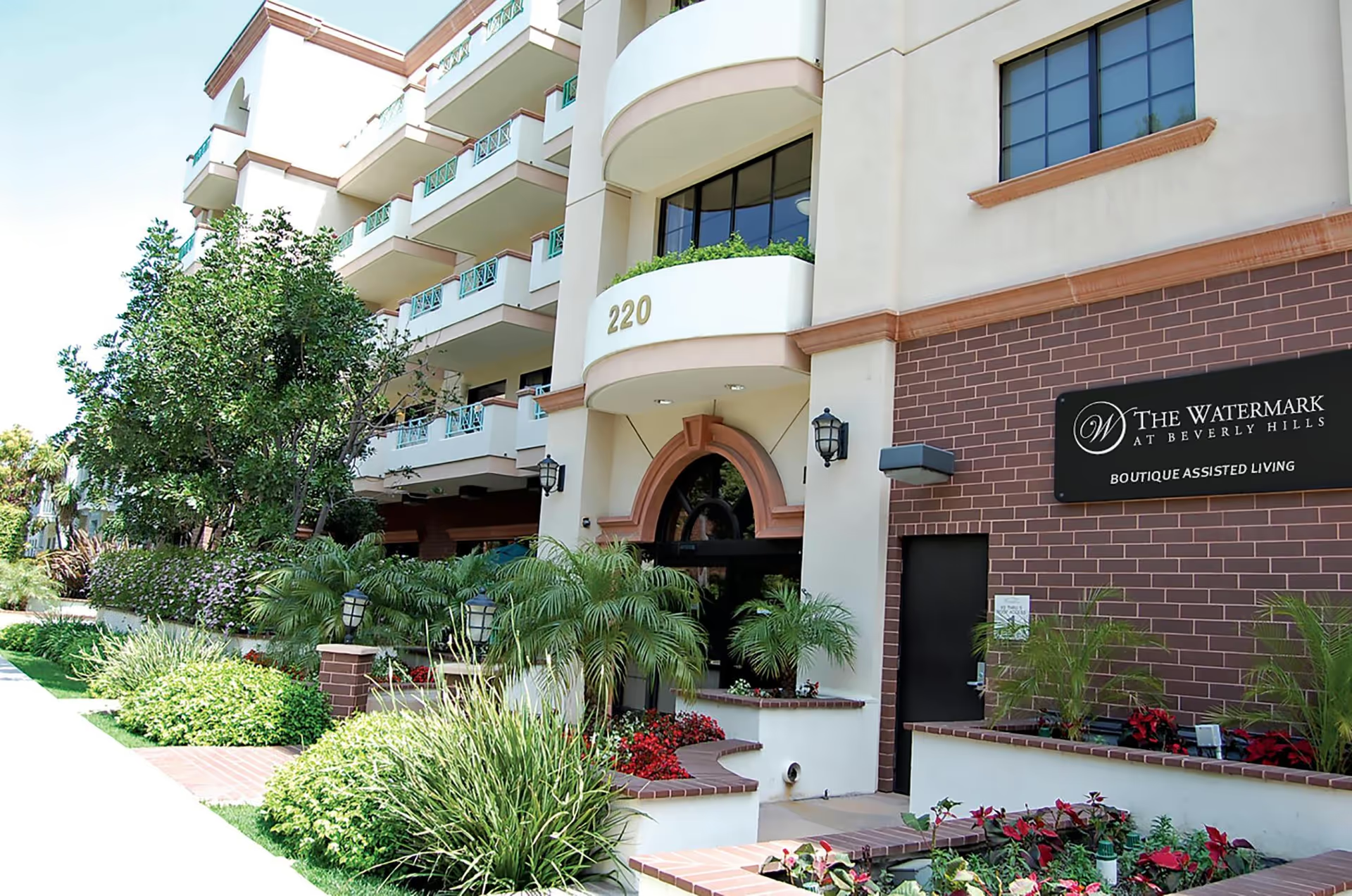
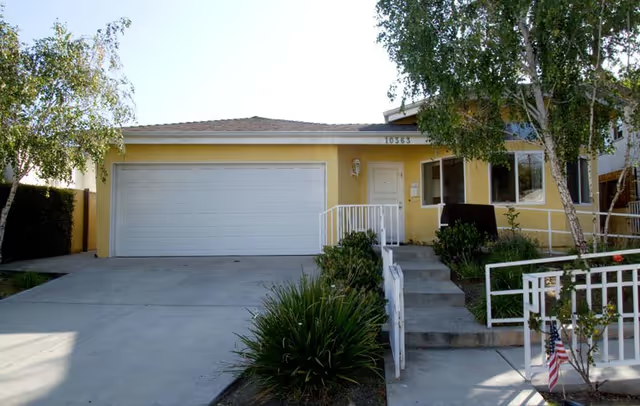
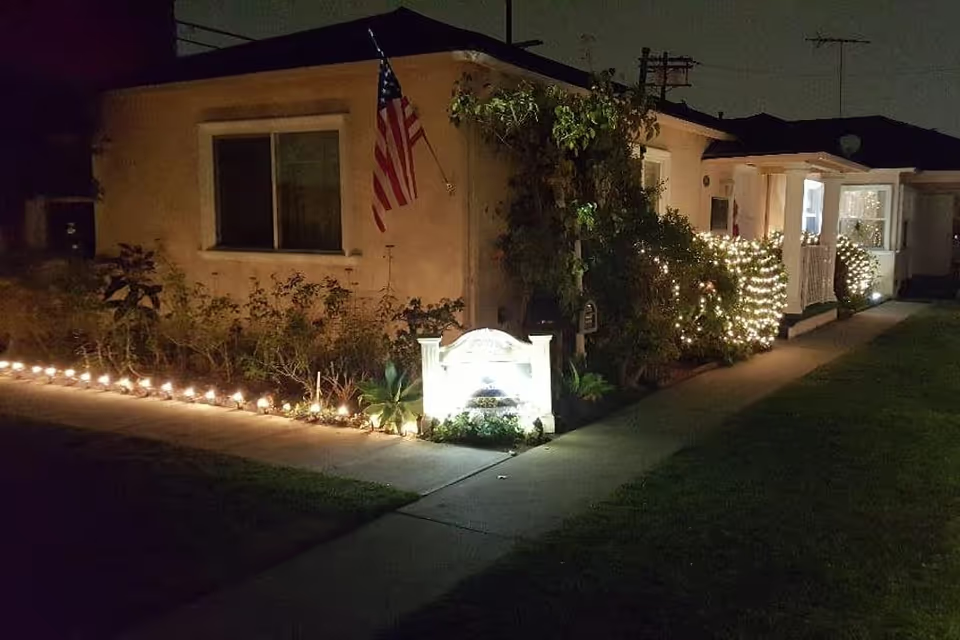
When reviewers describe onsite care and facilities, the tenor is predominantly positive. Many accounts note clean, well-maintained, home-like environments with private rooms and private bathrooms, attractive furnishings, outdoor space such as sundecks, and newer or renovated facilities described as state-of-the-art. Caregiving staff on site are characterized as hardworking, compassionate, respectful, and attentive; reviewers highlight individualized care, regular check-ins, bedside vigilance in end-of-life situations, and coordinated hospice involvement when needed.
Dining and daily-living supports receive specific commendation: reviewers mention nutritious, home-cooked meals, exacting meal preparation, and meals served according to individual needs. Social programming and activity engagement are also noted — residents making friends, participating in exercise and activities, and enjoying small gestures such as birthday celebrations — which reviewers link to improved mood and adjustment after a move.
There are, however, operational patterns that prospective families should weigh. A subset of experiences point to variability across individual communities in staffing stability and clinical responsiveness; this can translate into gaps in continuity of care or slower incident communication with families. One very serious individual allegation concerning a resident outcome at a single named community prompted family concerns about how clinical incidents are handled and communicated. That account suggests the importance of confirming facility incident-response protocols and family-notification practices during the tour and contract process.
Other practical considerations raised include variable pricing and affordability between communities, occasional limited unit availability, and the need for substantial family coordination during the placement and transition period despite active support from the locator service. Reviewers also indicate that appearances can sometimes be misleading, so verifying operational details (staffing ratios, clinical services, medication-management policies, and dining schedules) is advisable rather than relying on aesthetics alone.
In sum, families seeking assisted living or memory-care placements in the Los Angeles area can expect strong placement advocacy, high-touch help from named advisors, and many communities that deliver clean, home-like environments with attentive staff and good dining. At the same time, due diligence is recommended: confirm staffing patterns, incident-response and communication procedures, and specific clinical capabilities for complex care needs, and factor in cost and bed availability when planning a move.