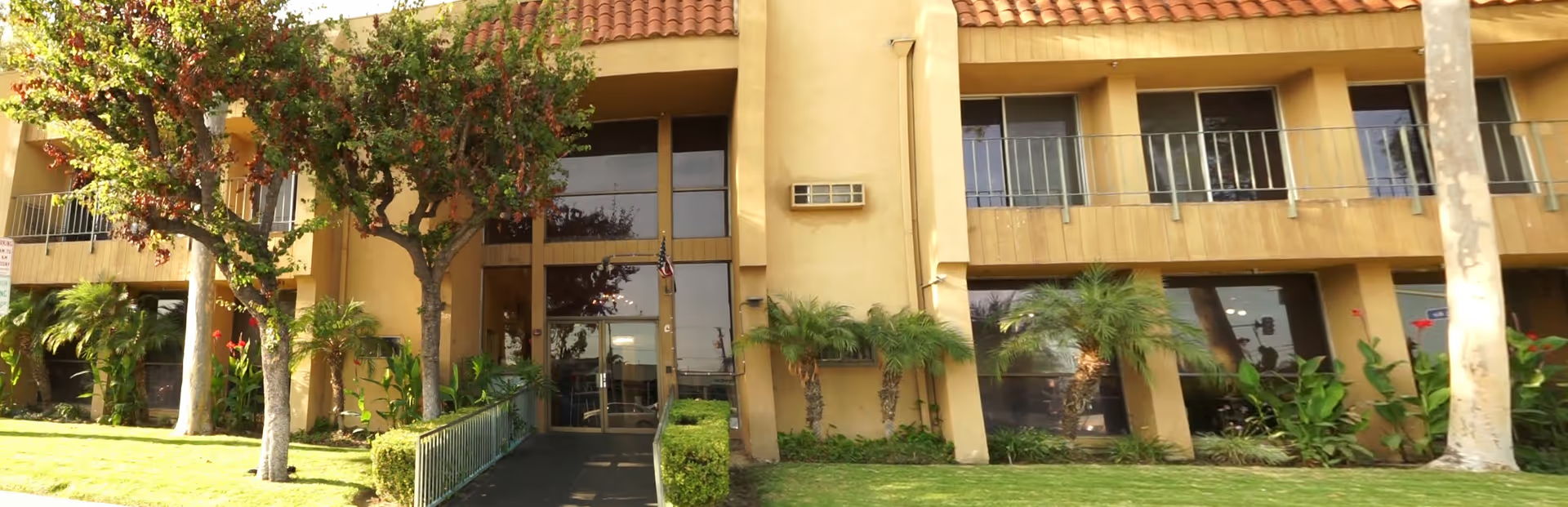
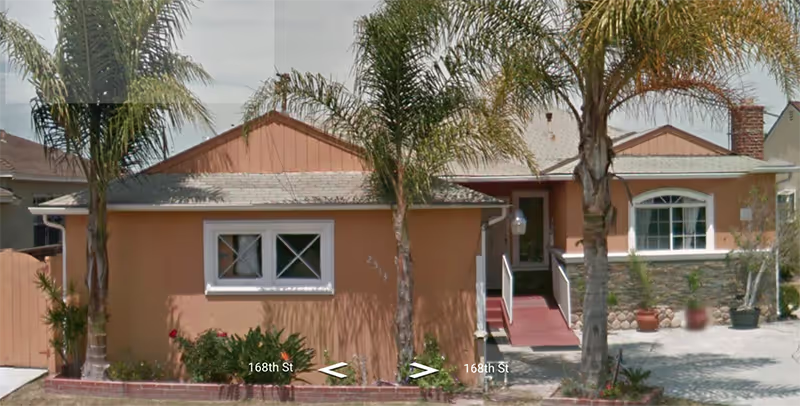
Overall impression: Reviews present a mixed picture. Many families and residents praise the facility for its cleanliness, welcoming atmosphere, active programming, and affordability. At the same time, several persistent operational concerns appear across accounts, creating a polarized overall impression: some describe Coral Oaks as an inexpensive, friendly community with engaged staff, while others identify gaps in safety, documentation, and administrative practices.
Care quality: Routine monitoring and basic care tasks are commonly described as being completed; reviewers note that staff perform regular checks on residents. However, the facility is not described as a nursing-level provider, and families should expect limited clinical or highly personalized medical care. Multiple accounts raise concerns about medication processes — including documentation and dosing oversight — that merit direct inquiry during a tour. There are also reports suggesting inconsistent responsiveness to personal-care needs when staffing is stretched.
Staff and culture: Many reviewers characterize staff as friendly, caring, and flexible, and several reviewers single out an involved, hands-on administrator. Positive comments highlight helpful kitchen and activities teams and an overall warm community tone. Counterbalancing this, others report delays in responsiveness, curt or unprofessional interactions at times, and an overextended workforce; staffing shortages are a recurrent theme and are associated with slower assistance for residents.
Dining and activities: Dining is generally viewed positively, with plain-language praise for the food and kitchen staff. That said, some reviewers report limited menu variety and occasional inconsistency in meal quality. Activities programming is consistently noted as a strength: reviewers cite engaging programs, special events, and social opportunities that contribute to community life.
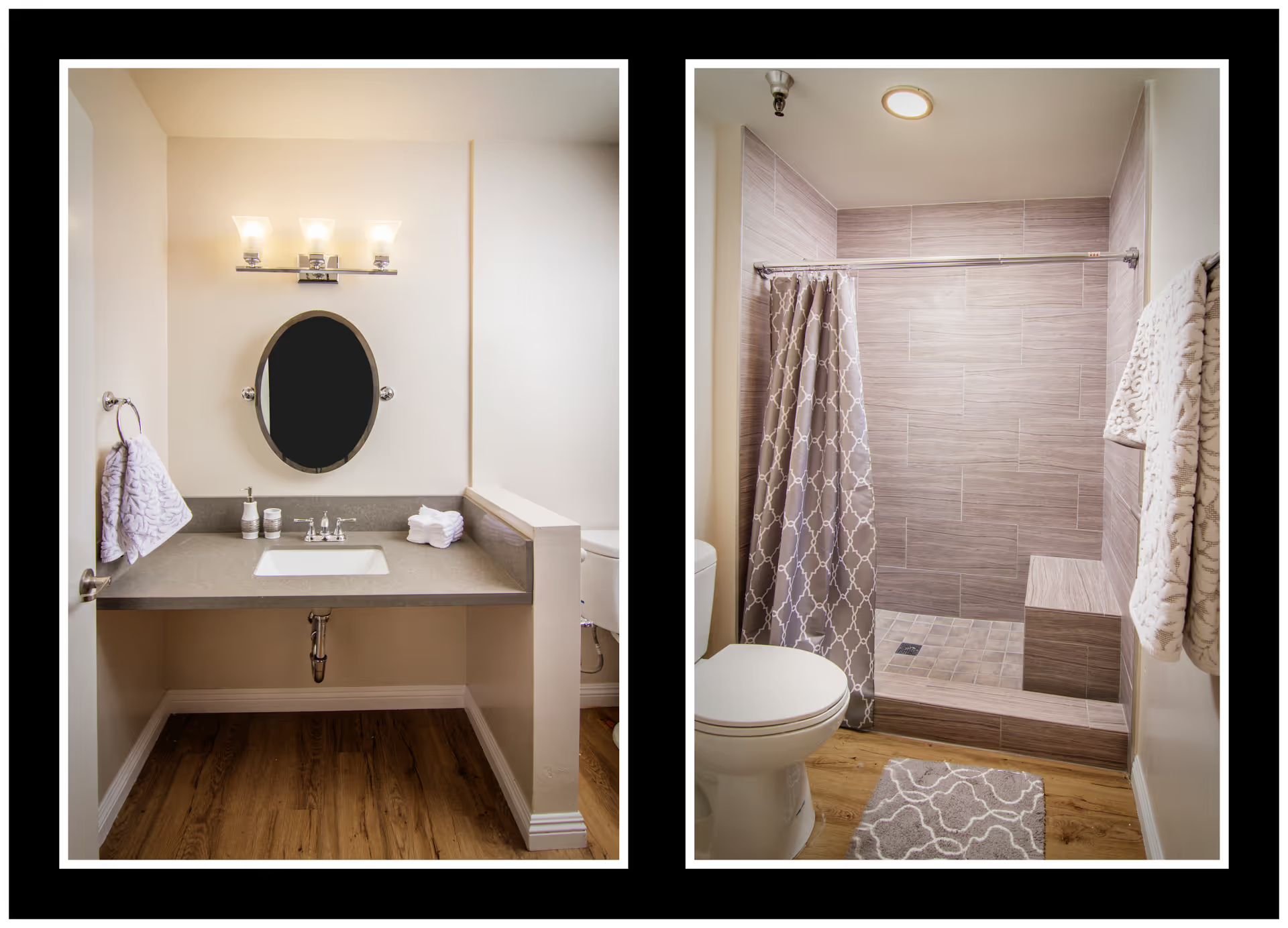
Facilities and safety: The physical environment is frequently described as clean and well-maintained. Nonetheless, safety-management issues are raised, including concerns about supervision of residents who may wander and instances suggesting gaps in incident response or security protocols. These accounts point to the importance of asking about supervision practices, emergency procedures, and outdoor access controls.
Management and administrative patterns: Reviews vary widely regarding management. Several families praise the administrator as attentive and involved, while others describe problematic administrative actions such as unprofessional handling of residents' possessions and inventory-control issues. These accounts indicate gaps in property-handling procedures and family communication around incidents; there are even allegations of serious individual incidents that underscore the need for clear incident reporting and documentation practices.
Notable patterns and recommendations: The overall pattern is one of a modestly priced community that provides a friendly social environment and basic supportive services, but with operational weaknesses tied to staffing, communication, medication management, and administrative controls. Prospective residents and families should visit in person, observe staff–resident interactions, ask for written policies on staffing ratios, medication administration and documentation, incident reporting, property/inventory handling, and safety measures for residents who wander. Confirm what clinical services are available on-site versus those that would require external providers, and request references or recent inspection records when possible.