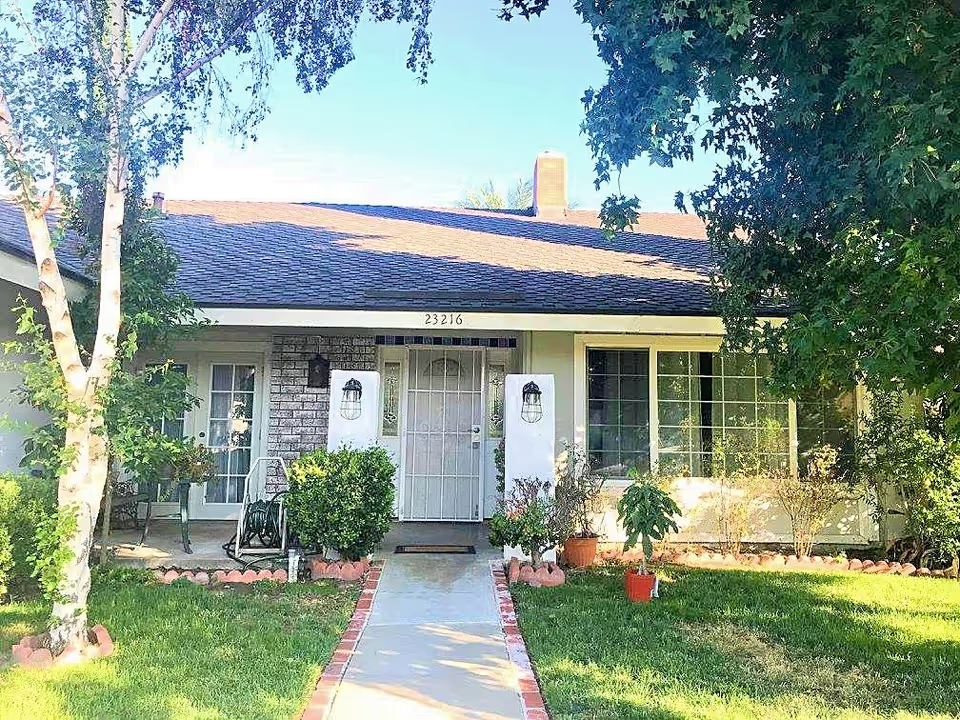
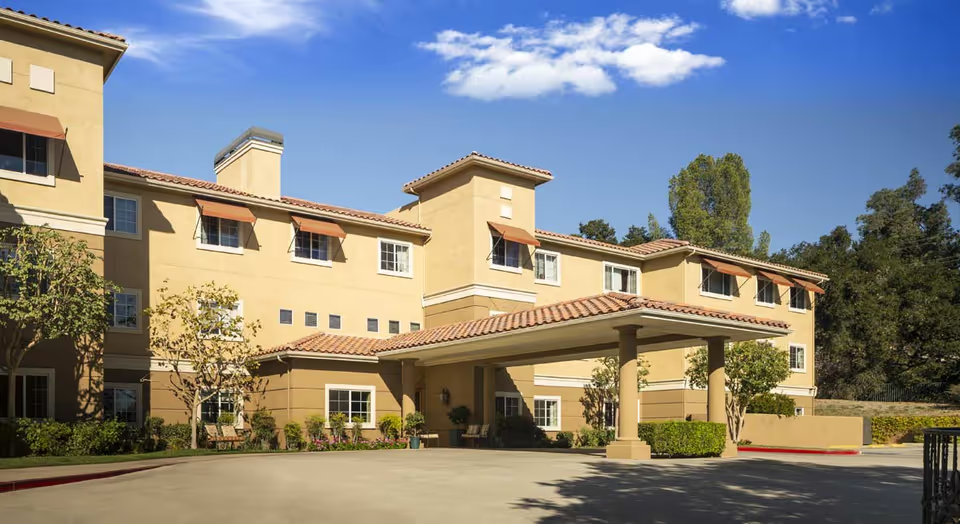
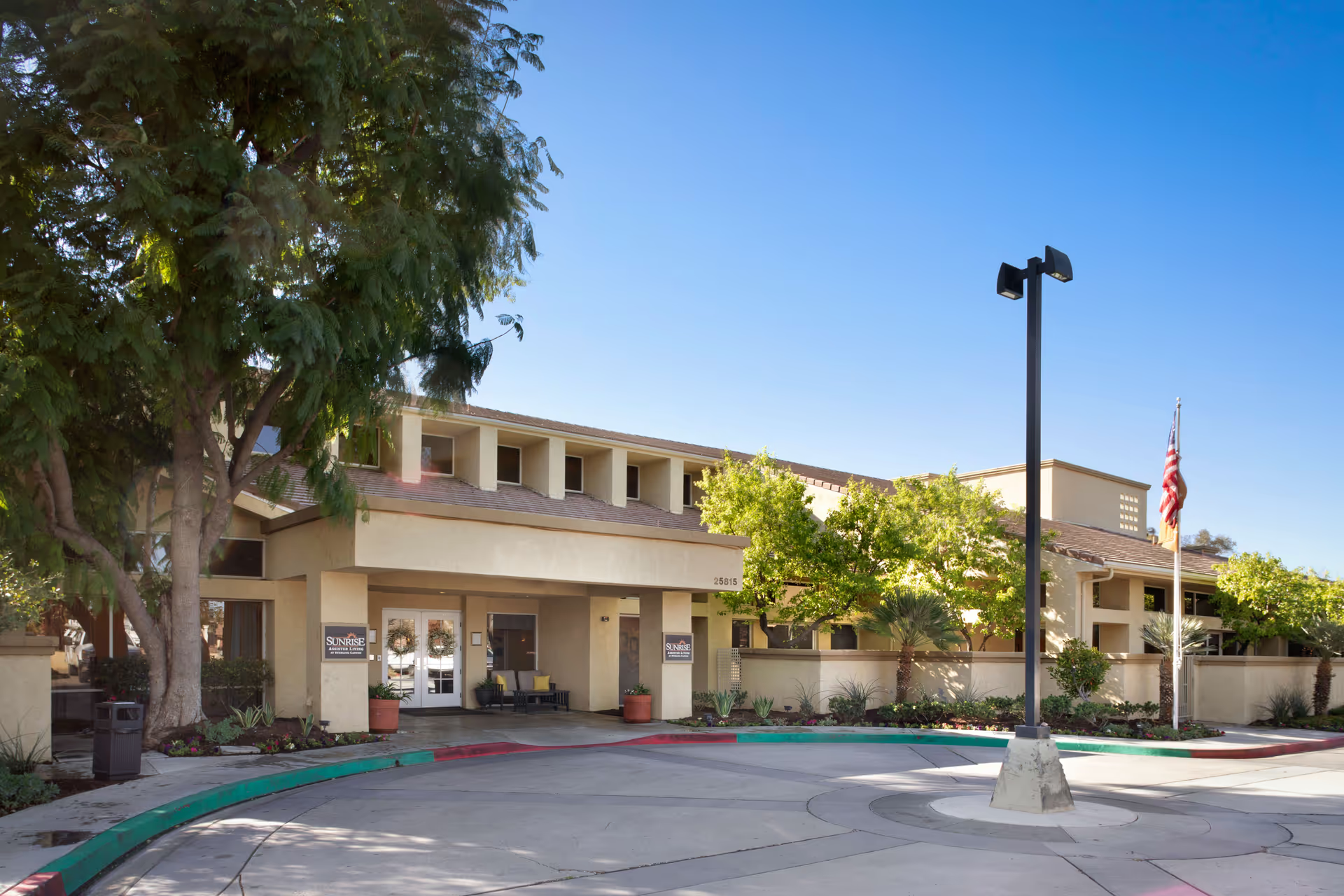
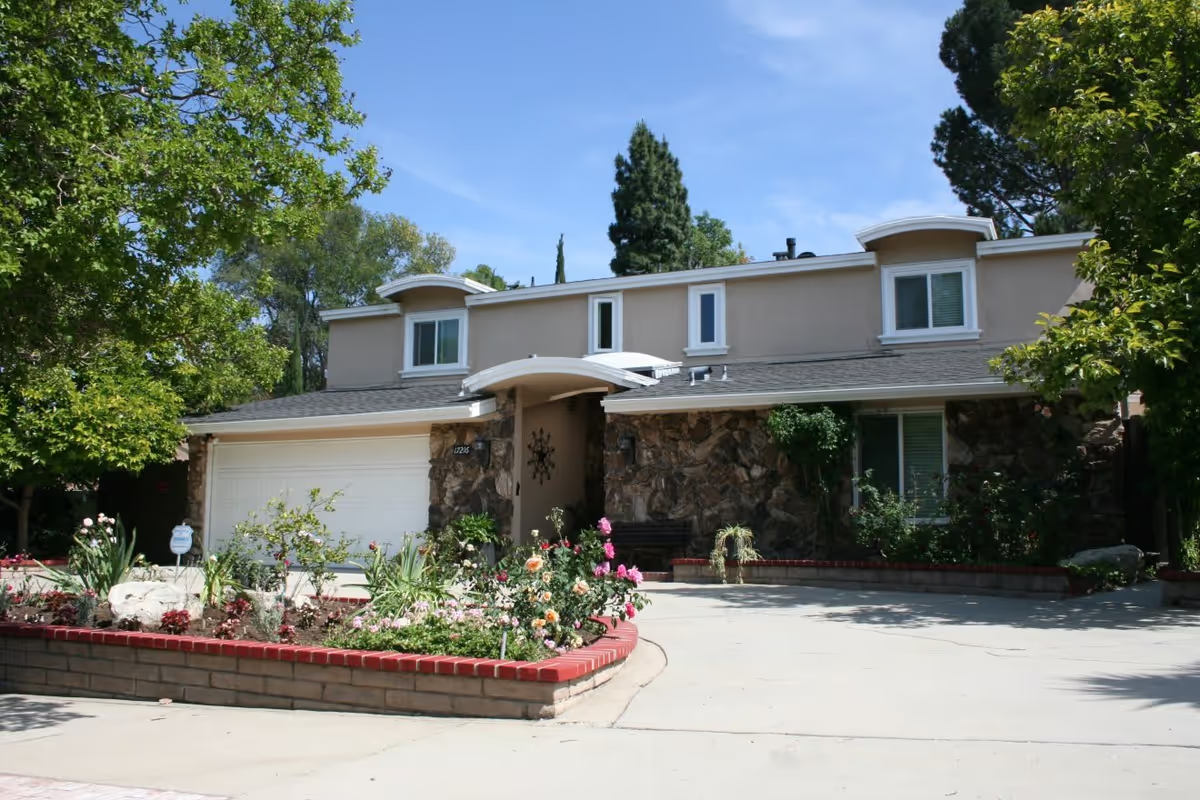
Santa Clarita Post Acute elicits a strongly mixed set of experiences. A substantial subset of families and residents describe high-quality clinical rehabilitation, attentive wound care, and compassionate bedside nursing; those accounts emphasize effective PT/OT, strong wound-care competency, and therapy-driven functional gains that enabled timely discharge home. Several reviewers singled out specific staff and therapy teams for professionalism and kindness, and many families described a warm, home-like atmosphere supported by engaged activities and bilingual staff. Administrative and social-work support also received positive mention when staff assisted with placement, coordination, and transitions.
Conversely, other families described serious operational shortcomings that affected clinical safety and daily care. Themes include inconsistent staffing and shift continuity that appear to produce variable experiences between units or shifts; gaps in clinical monitoring and medication-administration processes (for example, lapses in glucose monitoring and missed medication orders); and unreliable responsiveness to call bells or care requests. These process weaknesses are associated with delays in feeding assistance, hydration and nutrition interventions, and toileting support—summarized as meal-service continuity problems, incontinence-care delays, and sanitation concerns. A number of reviewers also noted maintenance issues and deferred repairs that affect resident comfort.
Communication and management patterns are similarly polarized. Multiple families praised helpful admissions staff, an involved director of nursing, and managers who resolved concerns promptly. At the same time, others described poor family communication, limited transparency during infection-control events, and concerns about security and privacy procedures. There are also allegations of personal-property mishandling and questions raised about the facility’s online reputation-management; these items merit further inquiry by prospective families.
In practice, the facility appears capable of providing high-quality, rehabilitative, and compassionate care under the right staffing conditions, but outcomes seem to depend heavily on unit-level staffing, shift consistency, and clinical-process adherence. Prospective residents and family members should assess current staffing levels, ask about medication and monitoring protocols (including glucose monitoring and feeding assistance), tour the specific unit where care will be delivered, and seek clear commitments about family communication, infection-control transparency, and personal-property safeguards before placement.