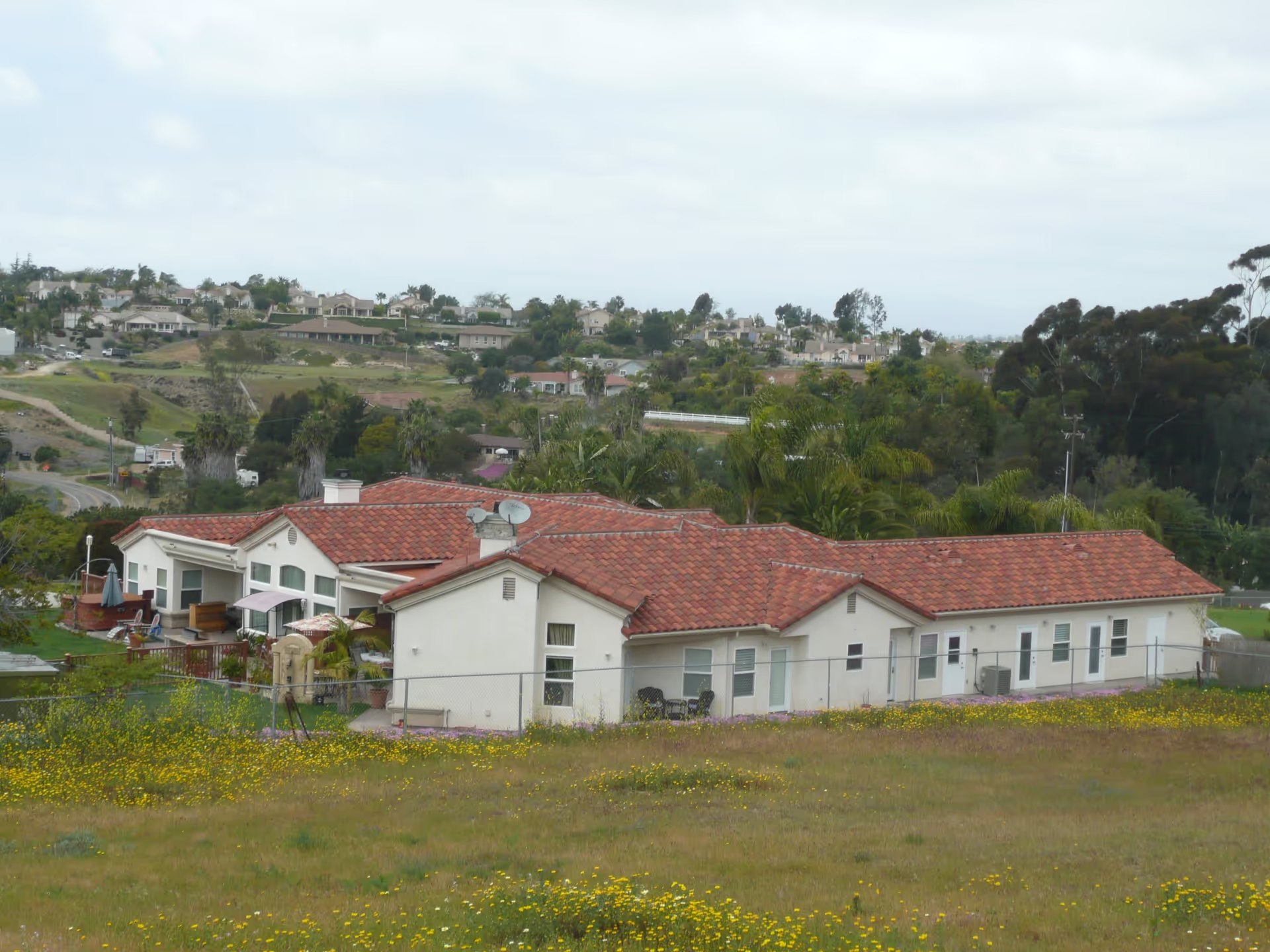
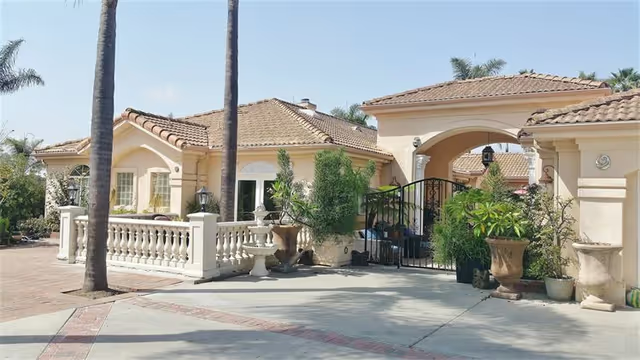
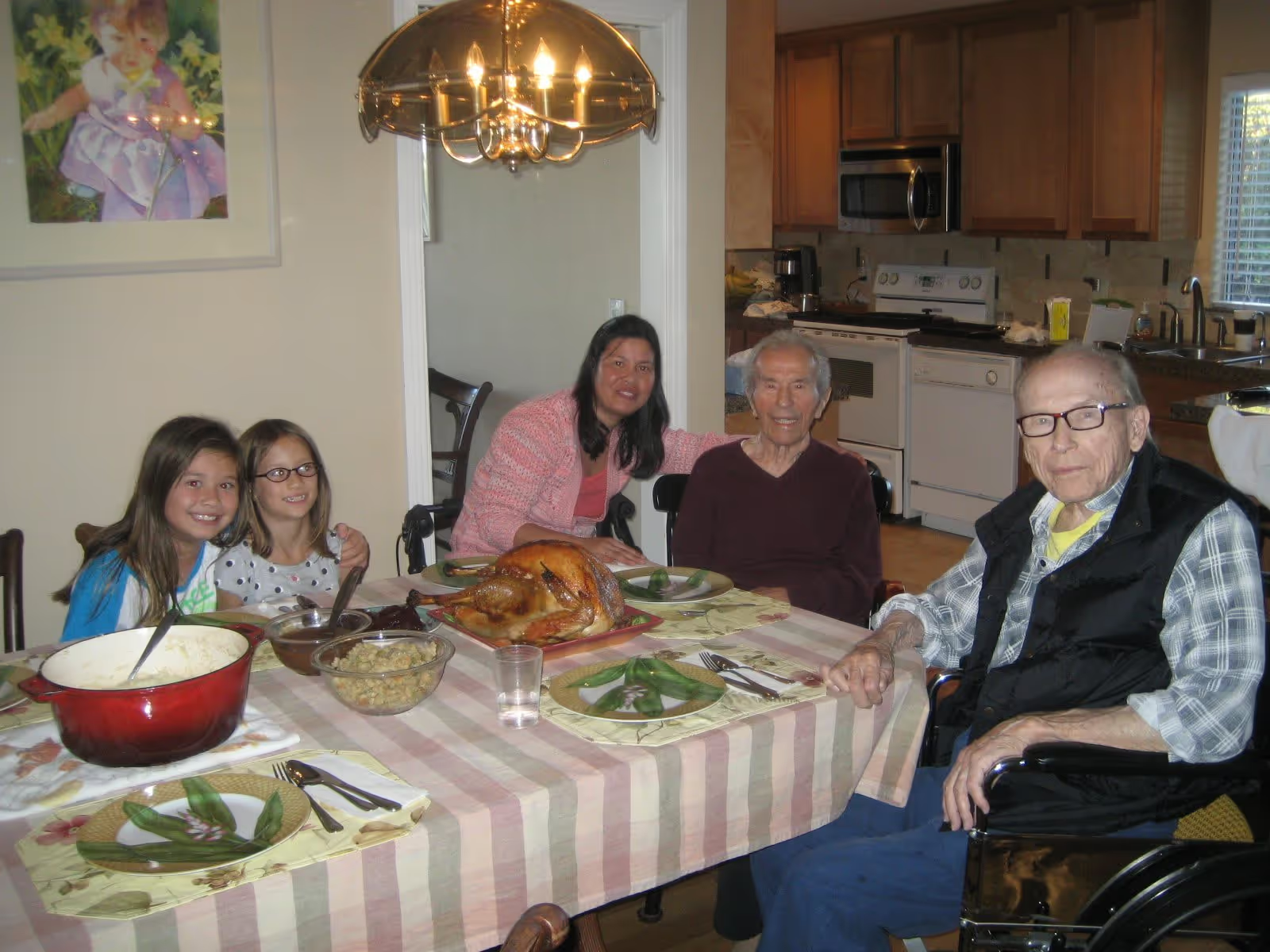
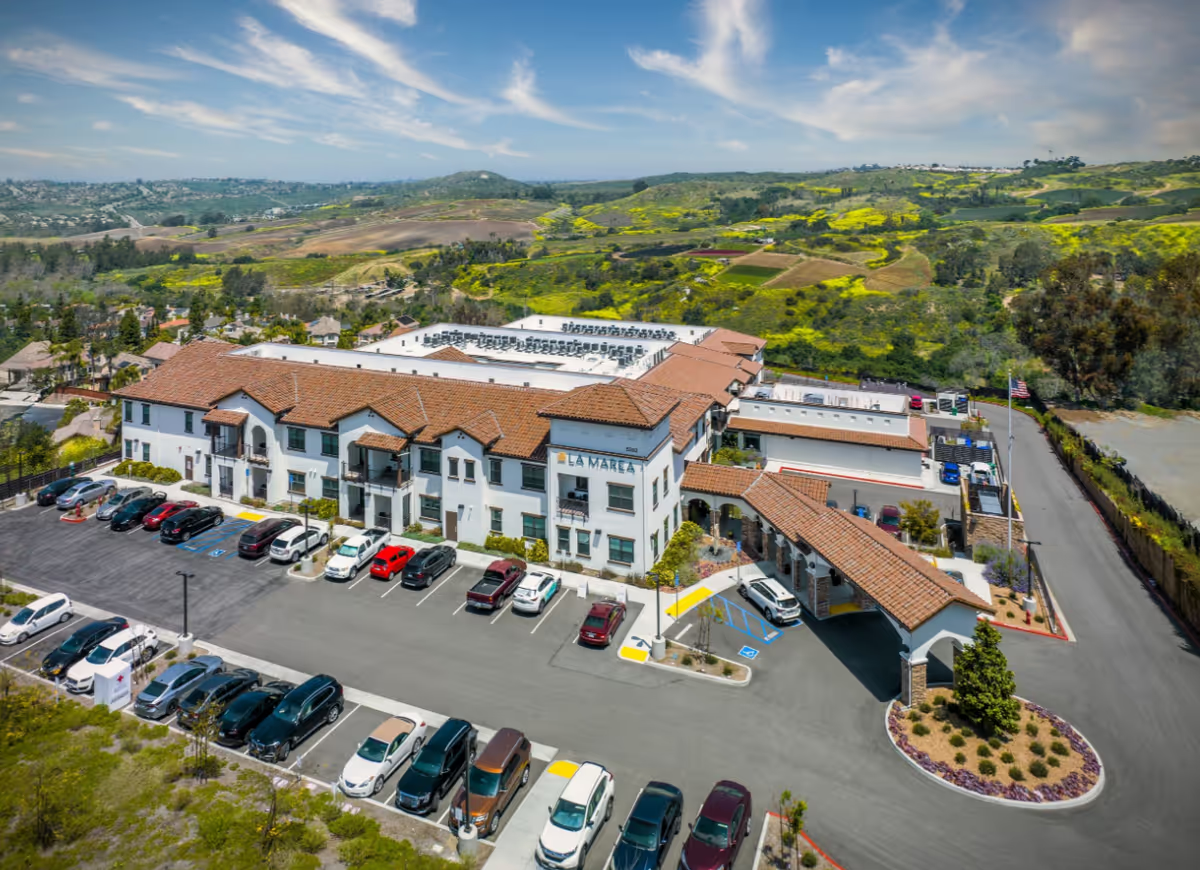
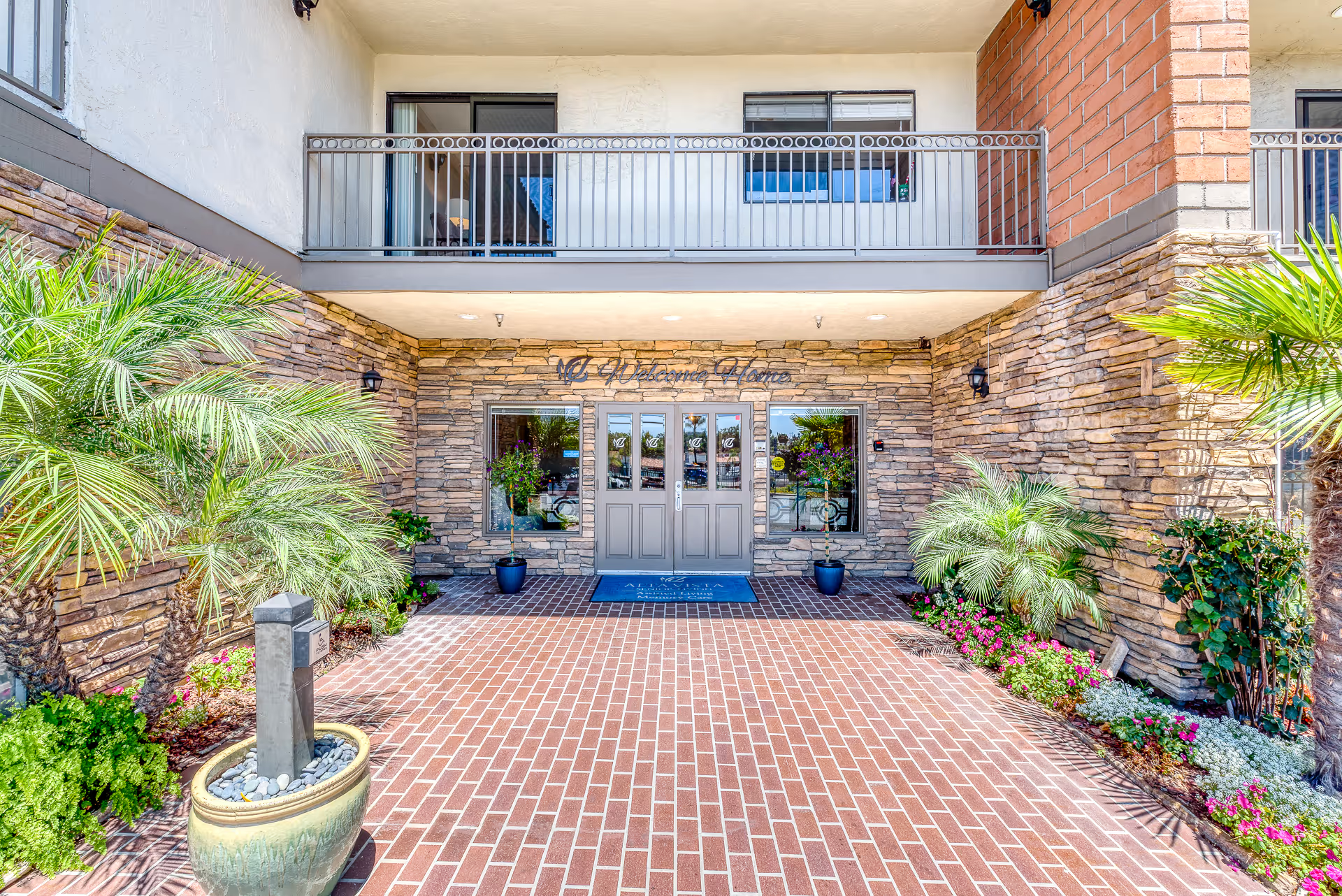
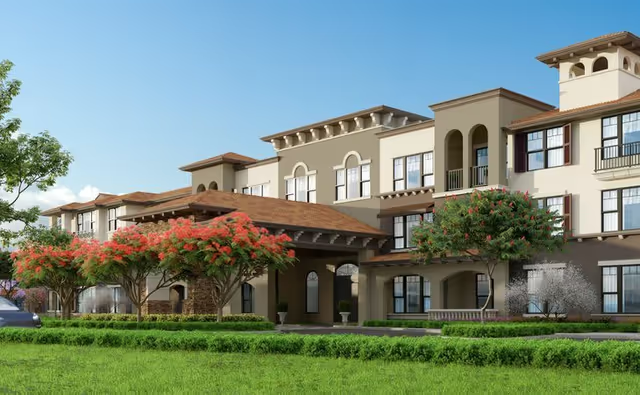
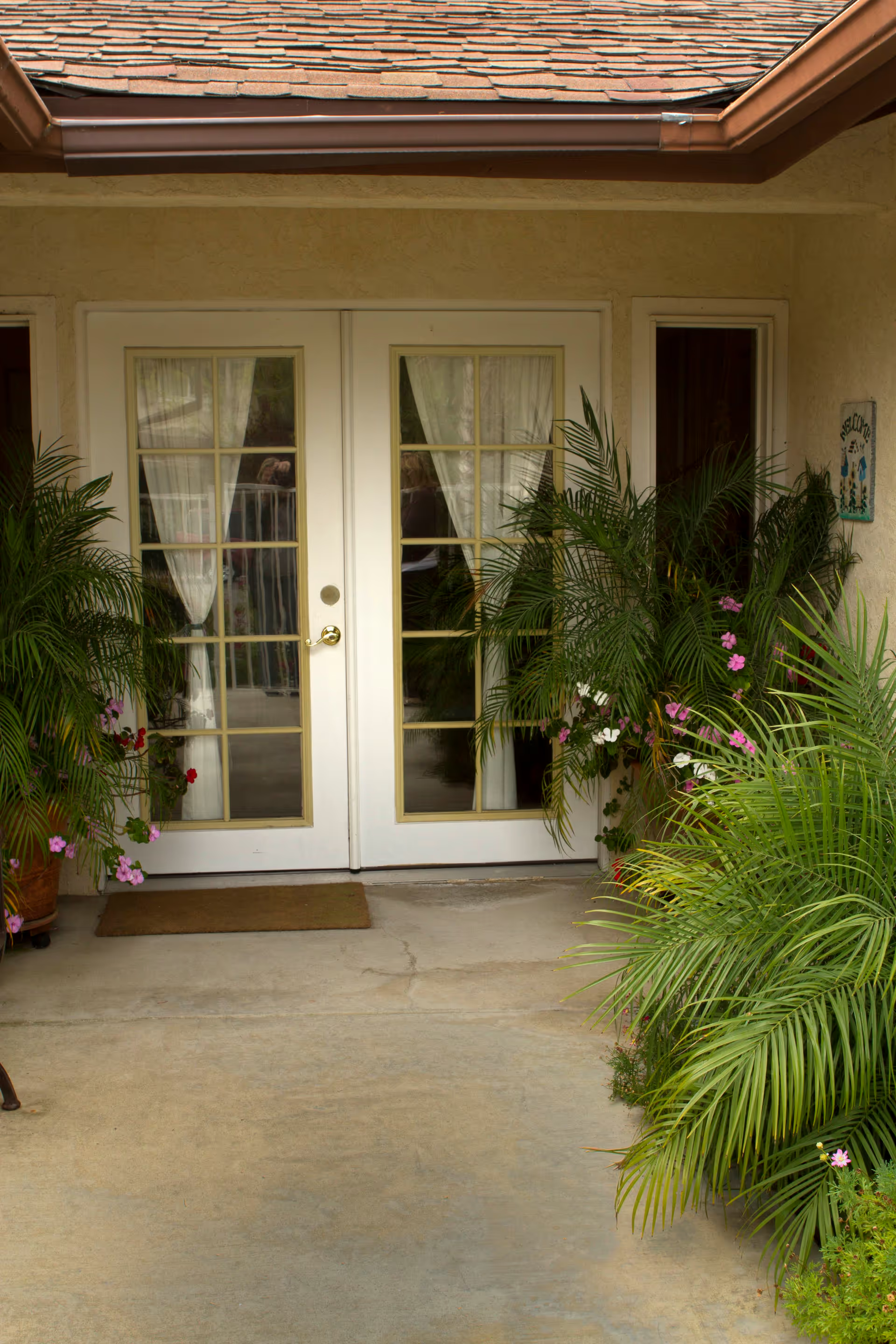
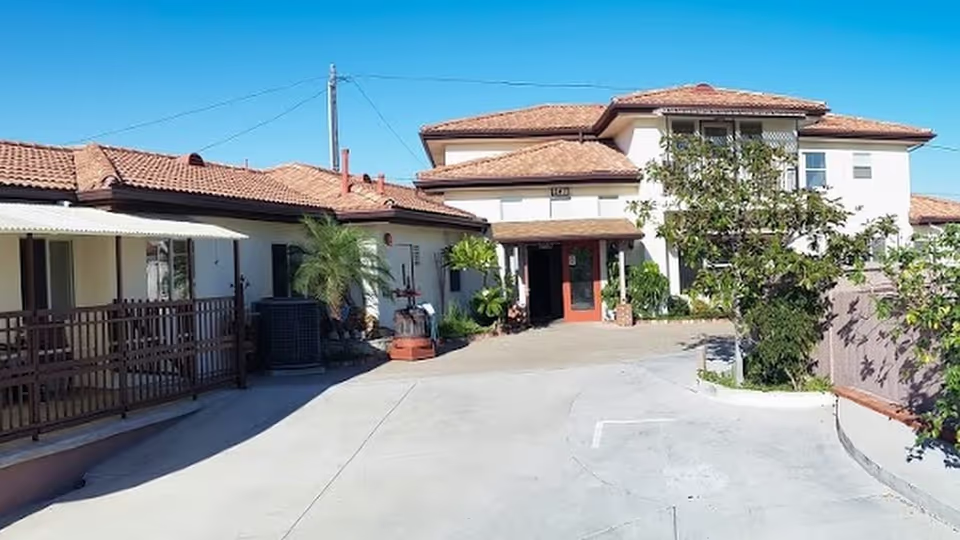
Ocean Hills Assisted Living & Memory Care presents a mixed but clearly defined profile. Many families and residents praise the facility’s physical environment and amenity set: a light-filled, tastefully decorated building with attractive grounds, a wide array of common spaces (courtyard, theatre, game rooms, library) and a resort- or hotel-like ambiance. Maintenance responsiveness is noted positively and the property frequently receives high marks for cleanliness and upkeep in multiple areas. The community offers robust social programming, extensive daily activities, frequent outings, personalized activity planning, and a strong sense of community that many residents describe as welcoming and family-like.
Care and staffing are recurring strengths in numerous accounts. Caregivers are frequently described as compassionate, attentive, and patient; families also cite supportive hospice coordination and on-site clinical support that reduce off-site medical visits. Several reports emphasize that individual staff members go above and beyond, and that staff-driven programs contribute to residents’ well-being and improved quality of life.
Dining and amenities are another clear strength, with many reviewers noting high-quality, varied menus, daily specials, restaurant-style dining, and particular amenities such as an on-site ice cream parlor and wine offerings. These features are tied to residents’ reported satisfaction and contribute to the community’s social atmosphere.
However, a number of operational concerns recur across the feedback. The most common patterns involve inconsistent service delivery: meal timing and delivery have been described as variable, and there are multiple references to medication-administration delays or errors and slow responses to call bells or emergency needs. Some comments point to sanitation and cleanliness issues specifically in dining and common-area contexts. Administrative responsiveness and communication are also uneven in the accounts provided — families describe variable engagement from leadership, ranging from very effective directors to instances of poor responsiveness or defensiveness. Memory-care services are another area of concern for some families, who cite intake-process gaps and dementia-care practice weaknesses.
These patterns suggest a facility with strong assets in environment, programming, and frontline staff caring, paired with operational challenges that can affect day-to-day reliability and clinical consistency. Prospective families should prioritize targeted questions during a tour: ask about medication-administration protocols and error-reporting processes, average response times to call bells and emergency alerts, housekeeping and dining sanitation routines, staffing ratios and turnover, memory-care admission procedures and dementia-care training, and specific access rules for amenities for assisted-living residents. Speaking with current residents and family members, reviewing recent inspection or complaint histories if available, and observing meal service and an activity period during a visit will help assess how consistently the facility’s strengths are delivered and whether the operational concerns have been addressed.