New Orange Hills presents a bifurcated picture: many families and patients praise the facility for its strong rehabilitative services and for staff members who demonstrate compassion and clinical skill, while other accounts describe operational weaknesses that materially affect day-to-day care. The center's physical and occupational therapy teams, as well as a well-equipped therapy gym, receive repeated positive remarks for facilitating functional recovery. Several reviews also highlight responsive clinical coordination with external specialists, an engaged dietitian, and administrators who can be approachable and helpful during admissions and care planning.
Care quality perceptions vary. Positive experiences emphasize attentive caregivers, timely medication administration at key points, helpful nursing leadership, and 24/7 dedication from some CNAs and RNs that supports safe, effective short-term rehab. Conversely, a recurring operational theme is chronic understaffing: long waits for assistance, delayed toileting and bathing help, unattended call lights, and staff stretched across large assignments. Those staffing constraints are linked in reviews to slower responses to clinical changes, frequent ambulance transports, and variable follow-up on emerging medical issues. Several reviews expressed concerns about medication-management inconsistencies and about the facility's processes for recognizing and escalating clinical deterioration.
Dining and activities are generally strengths but inconsistent. The facility offers social programming that many find engaging, festive seasonal events, and a variety of games and social opportunities that contribute to an uplifting community culture. Dietary accommodations, including diabetic menus and a visible dietitian role, are reported positively. At the same time, reviewers point to uneven food quality and meal presentation at times.
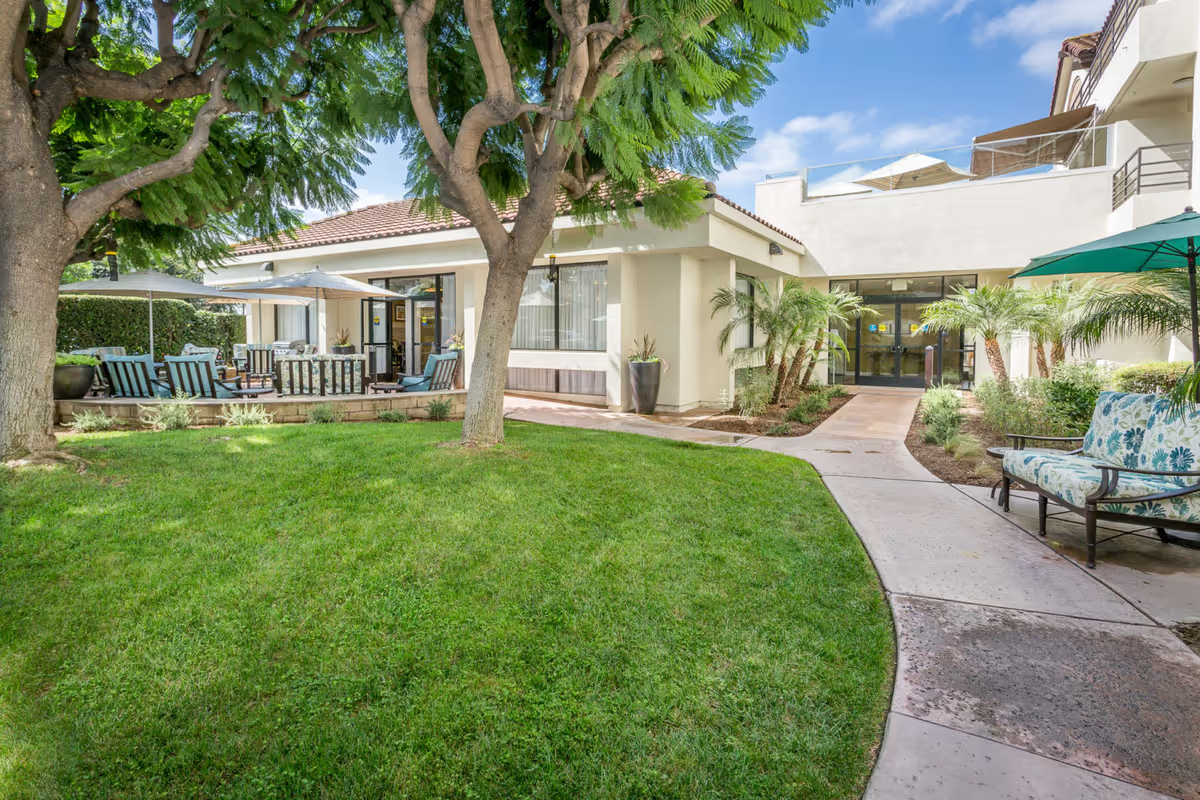
Facility- and environment-level feedback is mixed. The grounds, large courtyard, and certain interior areas are described as clean and attractive, and many visitors comment on the pleasant setting. However, sanitation and odor concerns in some common areas and intermittent cleanliness issues are also noted. Overcrowded hallways, high census, and loud nighttime activity contribute to an environment that can feel chaotic, and cell reception and parking are operational challenges: insufficient parking, double-parking, and towing have been described as safety and access impediments.
Management and operational processes again show contrasts. Some families name specific leaders as supportive and effective, and praise fast bed availability and helpful admissions navigation. Others describe slow processing of transfer paperwork, inconsistent personal-item management, and concerns about billing practices. There are also repeated mentions of variable staff professionalism (tone, language, and student-staff training/oversight) and particular gaps in evening/night supervision that families should evaluate.
Notable patterns: (1) a strong rehabilitation focus that produces positive functional outcomes for many patients, (2) chronic staffing constraints that drive many negative operational experiences, and (3) variability in leadership visibility and clinical escalation practices. Prospective residents and families should consider an in-person visit that assesses current staffing levels on the unit, night/evening supervision, medication-administration safeguards, infection-control and incident-escalation protocols, parking/access logistics, and recent cleanliness audits. Asking for recent staffing ratios, incident-response policies, and examples of how the facility handled significant clinical events can help clarify whether the facility's strengths align with the prospective resident's needs.