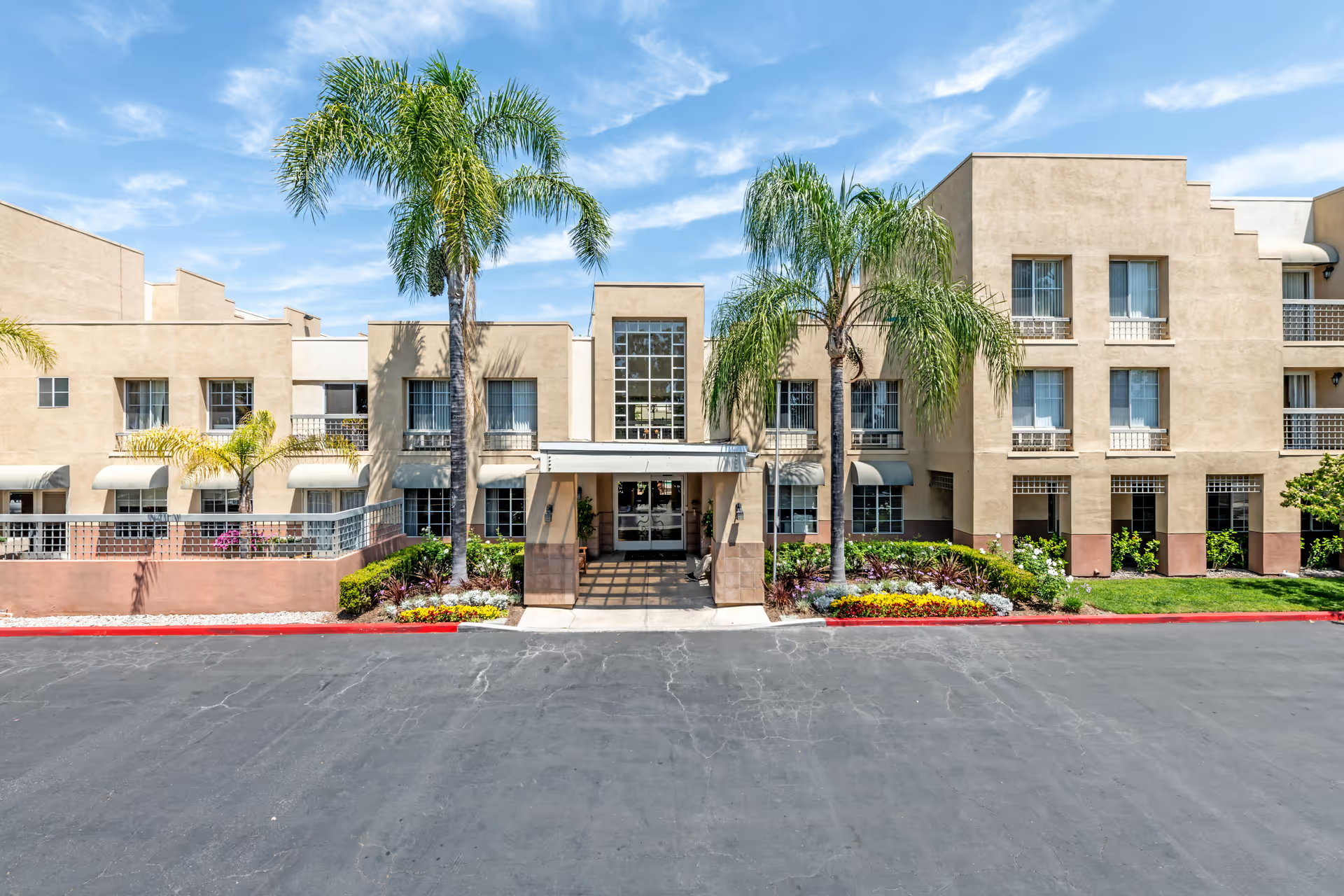
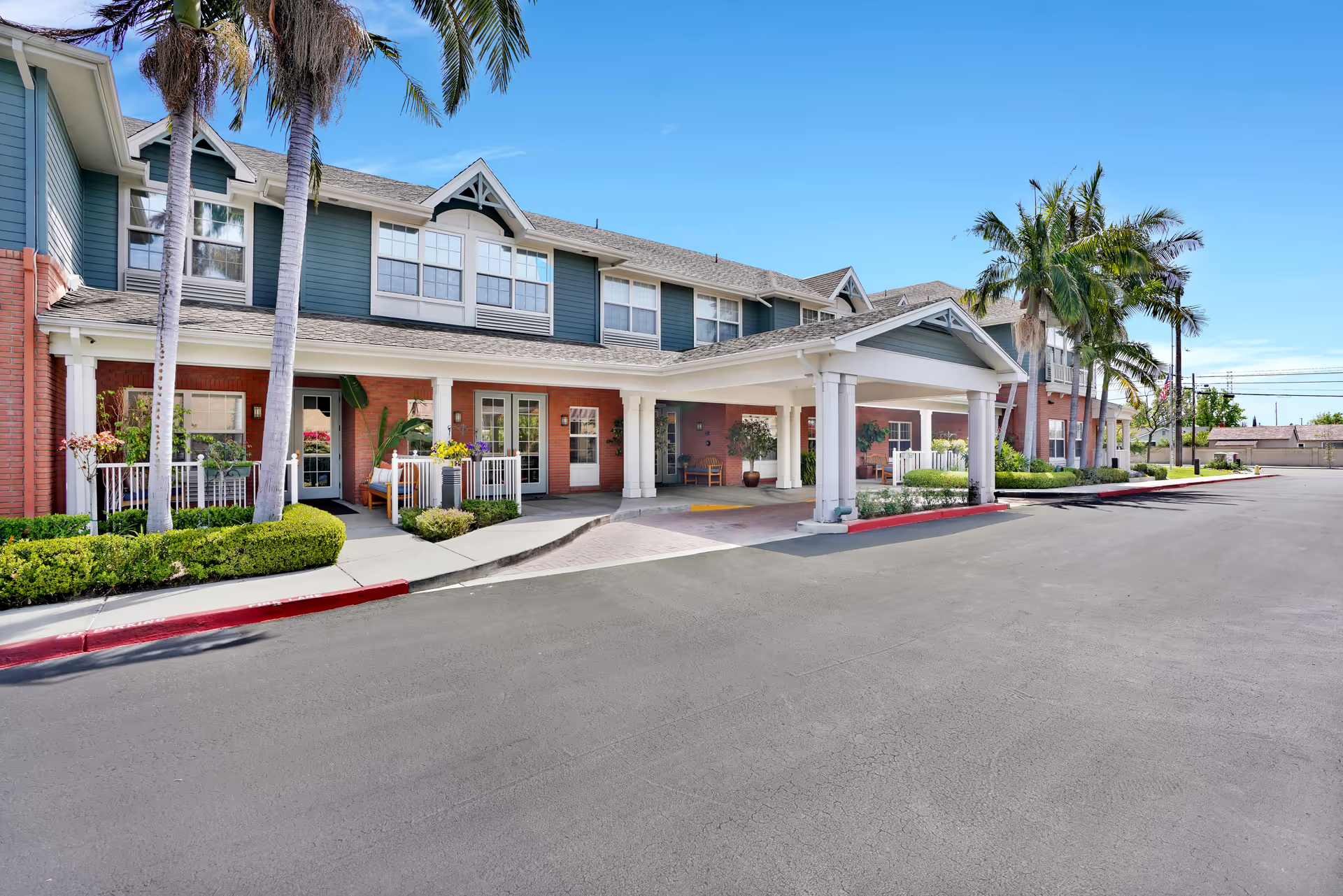
Feedback about Ivy Park at Tustin is mixed but centers on a consistent set of strengths and operational challenges. Many families emphasize a warm, home-like environment with attentive caregivers, visible leadership, and a small-community feel that supports personal relationships and easier transitions. The facility’s communal spaces — including a glassed-in sunroom, living area with fireplace and garden — along with onsite therapy, outings, and special-event programming, are frequently cited as contributors to residents’ social engagement and quality of life.
Care quality is frequently described as compassionate and family-oriented. Several accounts describe staff who go beyond basic duties, offer hands-on problem solving, and support residents through moves and end-of-life needs. At the same time, staffing irregularities and workload pressure are recurring operational concerns: reviewers describe delays in assistance, signs of caregiver burnout, and occasions when staff appear overstretched. These patterns suggest that the day-to-day responsiveness can vary depending on staffing levels and shift coverage.
Dining and food service draw polarized feedback. Many reviewers praise varied menus, well-presented meals, holiday dinners, and snack offerings that encourage socialization. Conversely, there are also reports of inconsistent food quality, service continuity issues (including timing of medications relative to meals), and at least a few food-safety concerns. Together these comments point to variability in culinary performance and meal-service logistics rather than a uniformly positive or negative dining program.
Activity programming is generally viewed positively—regular outings, music, group games, and therapist-led offerings are mentioned as reasons residents leave their rooms and socialize. However, some families find memory-care residents insufficiently engaged or note a lack of clarity around program content and exposure; this indicates uneven activity delivery across units or shifts. The facility’s blended assisted-living and memory-care model is an advantage for couples and continuity of care, but it also raises questions about whether supervision and programing match the specific needs of higher-acuity memory-care residents.
Facility and management observations include praise for cleanliness, attractive common areas, and an executive team described by many as organized and responsive. Offsetting that are comments about an older building with active construction, limited parking, occasional slow responsiveness to specific requests, and pricing that is higher than comparable options — sometimes with extra ancillary charges that families would like to see more transparent. Reports of variable front-desk conduct and inconsistent staff professionalism underscore the importance of an in-person tour and conversations with leadership when evaluating fit.
In summary, Ivy Park at Tustin presents as a small, well-appointed community with strong interpersonal strengths and active programming, balanced against operational areas that prospective residents and families should probe: staffing consistency and response times, dining quality and safety controls, clarity of activity programming for memory-care residents, and pricing/fee transparency. A focused tour that reviews staffing patterns, medication and meal processes, and contract terms will help determine whether the facility’s strengths align with an individual resident’s clinical and social needs.