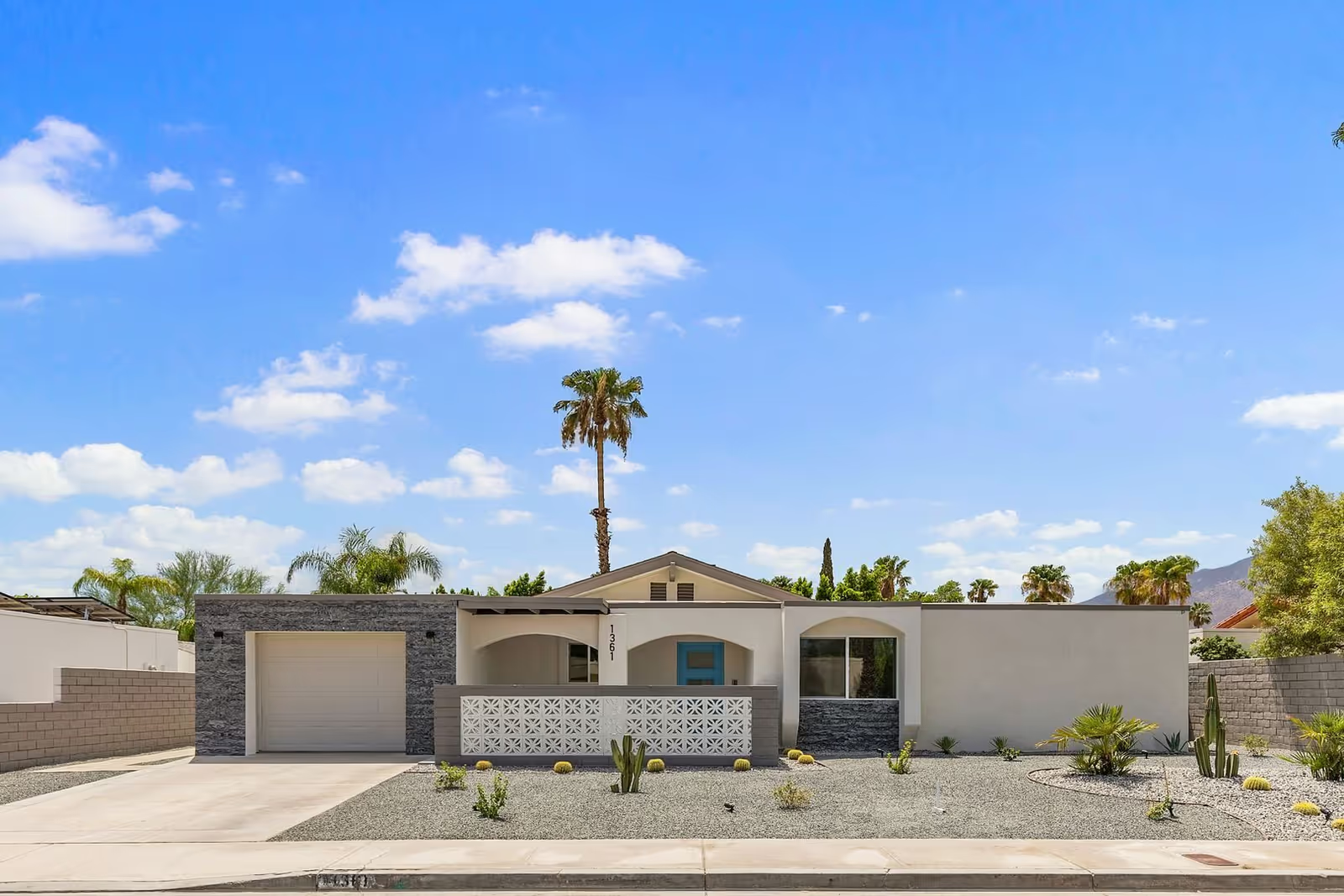
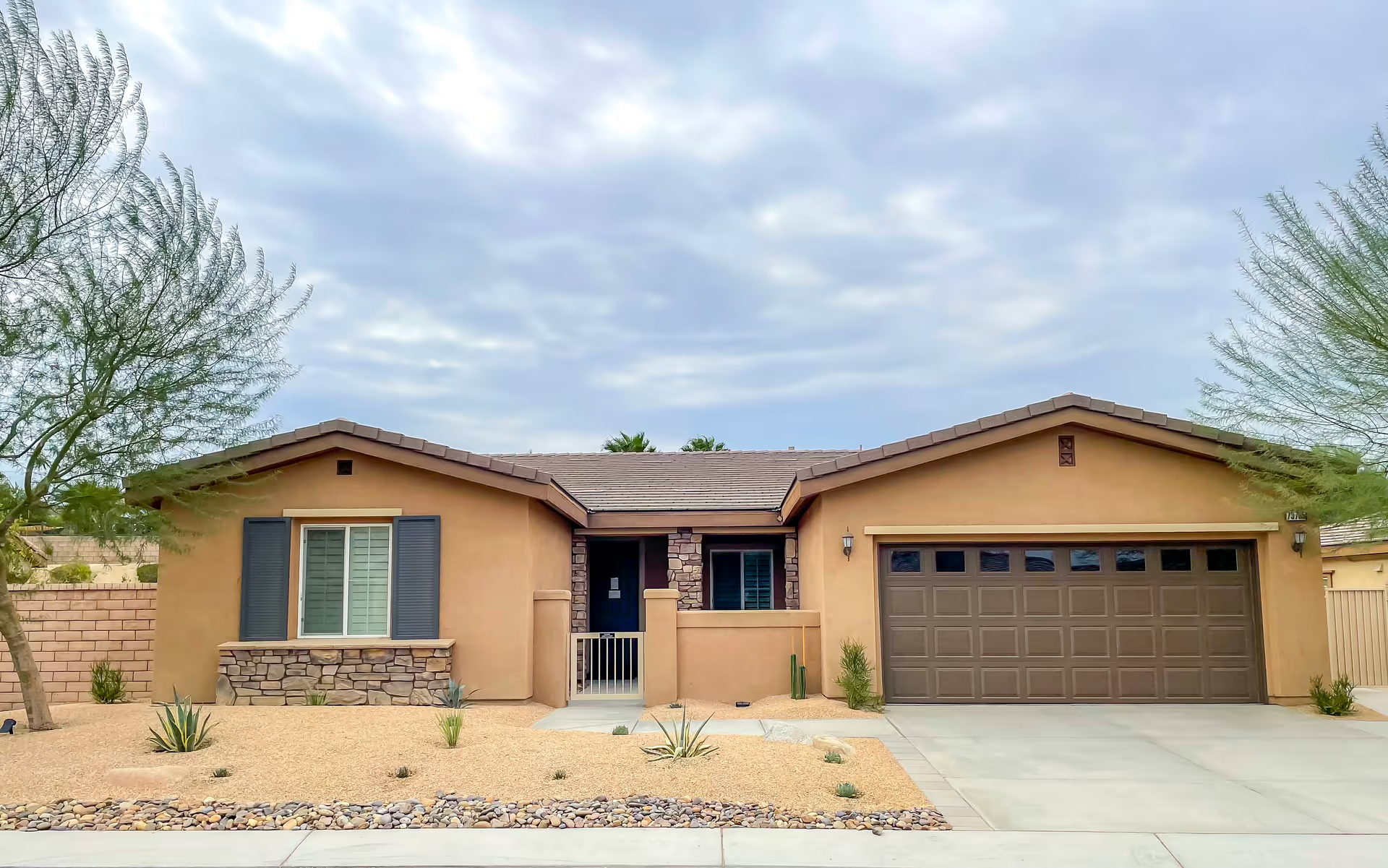
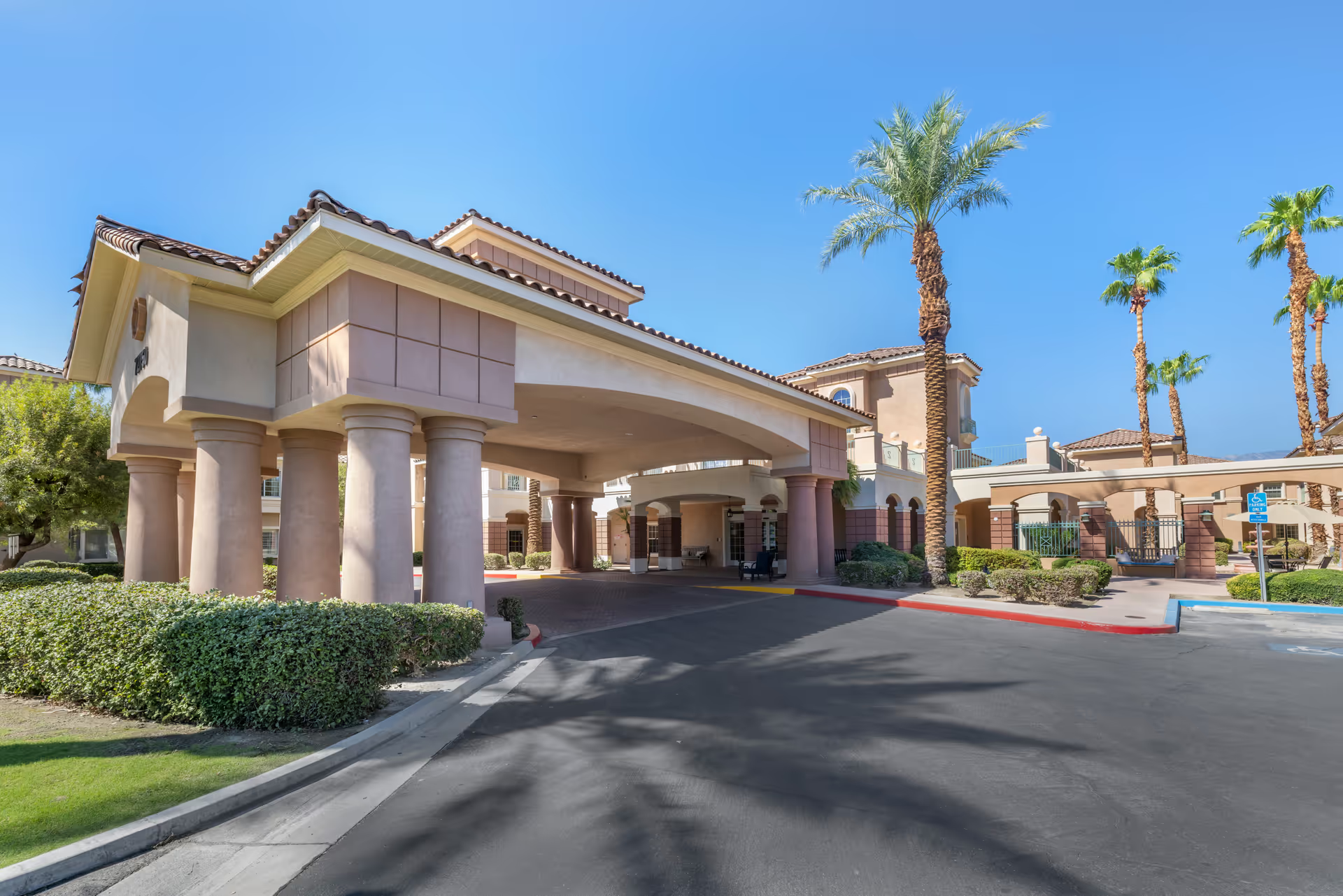
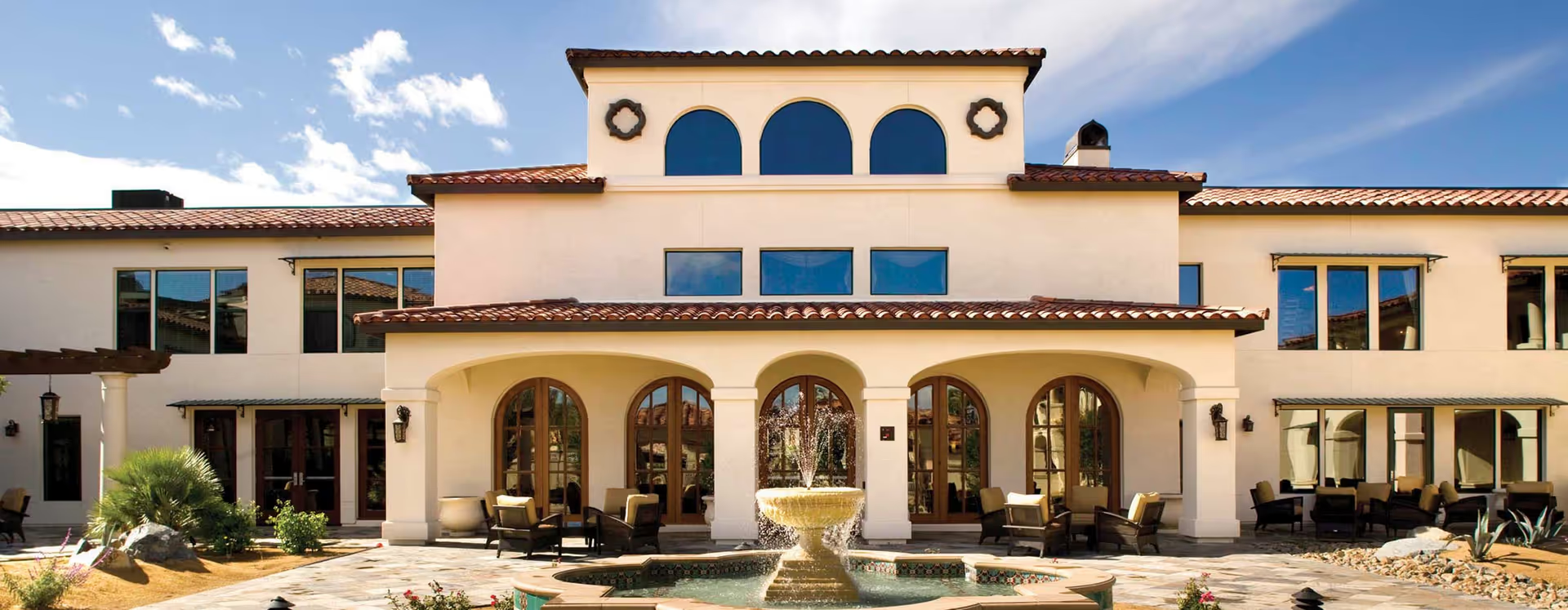
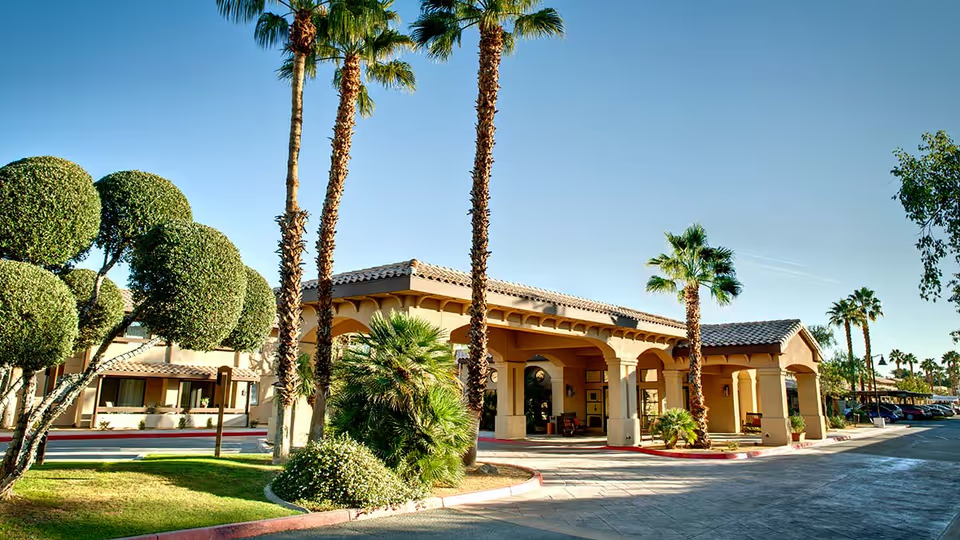
Stonewall Gardens presents as a boutique, resort-like assisted living community with a strong Palm Springs character: mid-century modern architecture, carefully curated decor, and expansive mountain and desert views. The physical setting and well-maintained landscaping are recurring strengths, and the property emphasizes outdoor social areas, private patios, and gated, pet-friendly spaces. The facility’s small size contributes to an intimate atmosphere that many families describe as fostering new friendships and frequent social interaction.
Care quality and staffing are described predominantly in positive terms. Caregivers are characterized as compassionate, attentive, and competent; med-techs and nursing staff receive repeated praise for medication support and safety vigilance. Staff are credited with learning residents’ individual preferences and routines (laundry, bed-making, food requests), which reviewers tie directly to resident dignity and wellbeing. The leadership team and community managers are portrayed as responsive and communicative, assisting with benefits, coordinating care transitions, and maintaining infection-control vigilance during public-health events.
Dining and activities are notable programmatic strengths. The dining program is described as chef-driven with three meals daily, room-service options, snacks, and the ability to tailor meals for dietary needs. Activities are broad and frequent — exercise and yoga classes, movie nights, board games, arts events, and regular offsite outings (concerts, nature trips, tram excursions, Pride events) — and are positioned as central to the facility’s social model of enabling residents to lead full, engaged lives.
Facility design and accessibility are mixed considerations. Many reviewers praise cleanliness, attractive courtyards, and private patios, but the residential units are frequently described as compact with limited closet/storage space. The compound’s garden-style layout means residents often move between buildings and outdoor walkways to access dining and common areas; reviewers noted this can create challenges in hot weather and raises mobility considerations. Specific accessibility gaps were called out, such as the absence of automatic doors in certain areas and constrained indoor communal space, which may affect residents who use walkers or wheelchairs.
Cost and fit are recurring trade-offs. The community’s boutique setting, attentive staffing model, and extensive programming correspond with a higher price point; several reviewers framed affordability and unit size as reasons it may not suit every family. A small number of comments referenced uneven experiences during initial intake or transition, suggesting that onboarding practices could be more consistent.
Overall patterns: Stonewall Gardens is consistently portrayed as a well-run, person-centered assisted living option with strong social programming and an intentionally inclusive culture, particularly for LGBTQ+ older adults. Prospective residents and families should weigh the community’s high-touch staffing, design aesthetic, and active lifestyle against the smaller private units, accessibility layout, and premium cost. For people seeking a social, design-forward assisted living experience near regional healthcare resources and who do not require large private apartments or maximal indoor circulation, Stonewall Gardens is frequently described as a strong fit.