Overall impression: Vi at Palo Alto is consistently described as a high‑end, well‑appointed senior living community with particularly strong rehabilitation services and an active resident life. Reviews converge on several clear strengths: outstanding physical and occupational therapy, attractive facilities and grounds, a rich slate of activities and cultural outings, and high‑quality dining across multiple on‑site venues. Leadership, admissions, and many frontline staff receive frequent praise for being welcoming, organized, and responsive, and the community’s location and amenities (gym, pool, restaurants, washer/dryer in units, valet/parking) reinforce its upscale positioning.
Care quality and staff: Therapy services, especially PT and OT, are a consistent strong point; reviewers attribute notable functional gains to the therapy teams. Nursing and caregiving staff are often described as compassionate and attentive, with several comments about good CNA ratios and prompt call‑button responses in many instances. However, there are recurring operational concerns around nursing responsiveness and follow‑through in the skilled nursing (SNF) setting. Several reviewers described delays in attending to resident needs and variability in assistance with activities of daily living, implying inconsistent staffing or task prioritization at certain times. Leadership-level accessibility and individual directors (therapy and nursing) are frequently singled out as positives when they are engaged.
Care coordination and transitions: A notable pattern concerns handoffs and coordination between Independent Living (IL) and SNF levels. Reviewers described gaps in clinical and administrative handoffs, inconsistent communication between teams, and variability in available therapy resources depending on which building or unit a resident enters. These patterns have manifested operationally as families arranging private caregivers or paying for additional support to bridge perceived staffing gaps. Fall‑prevention and safety practices are generally addressed by the clinical teams, but reviewers describe inconsistency in how those practices are applied across shifts or units.
Dining and activities: Dining is widely praised for quality, variety, and portion sizes; on‑site nutritionist support and accommodation of many dietary needs are cited as strengths. That said, specialized diet availability (for example strict dietary regimens) is unevenly available at times, and some reviewers find dining room service pacing rushed during certain meal periods. The activity program is a pronounced strength — daily classes, lectures by local academics, music, theater outings, and frequent social programming contribute to an engaged resident community.
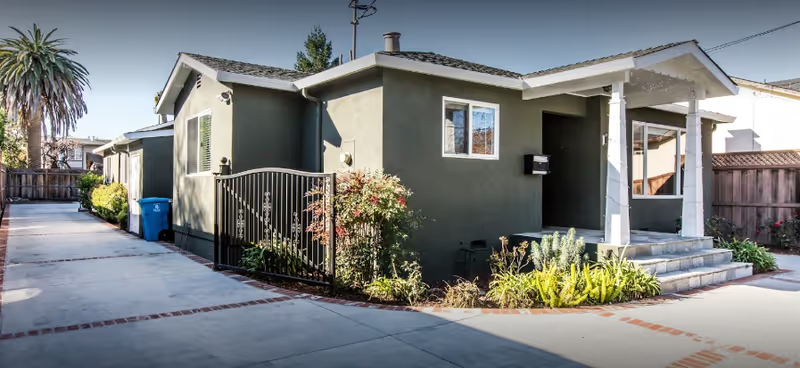
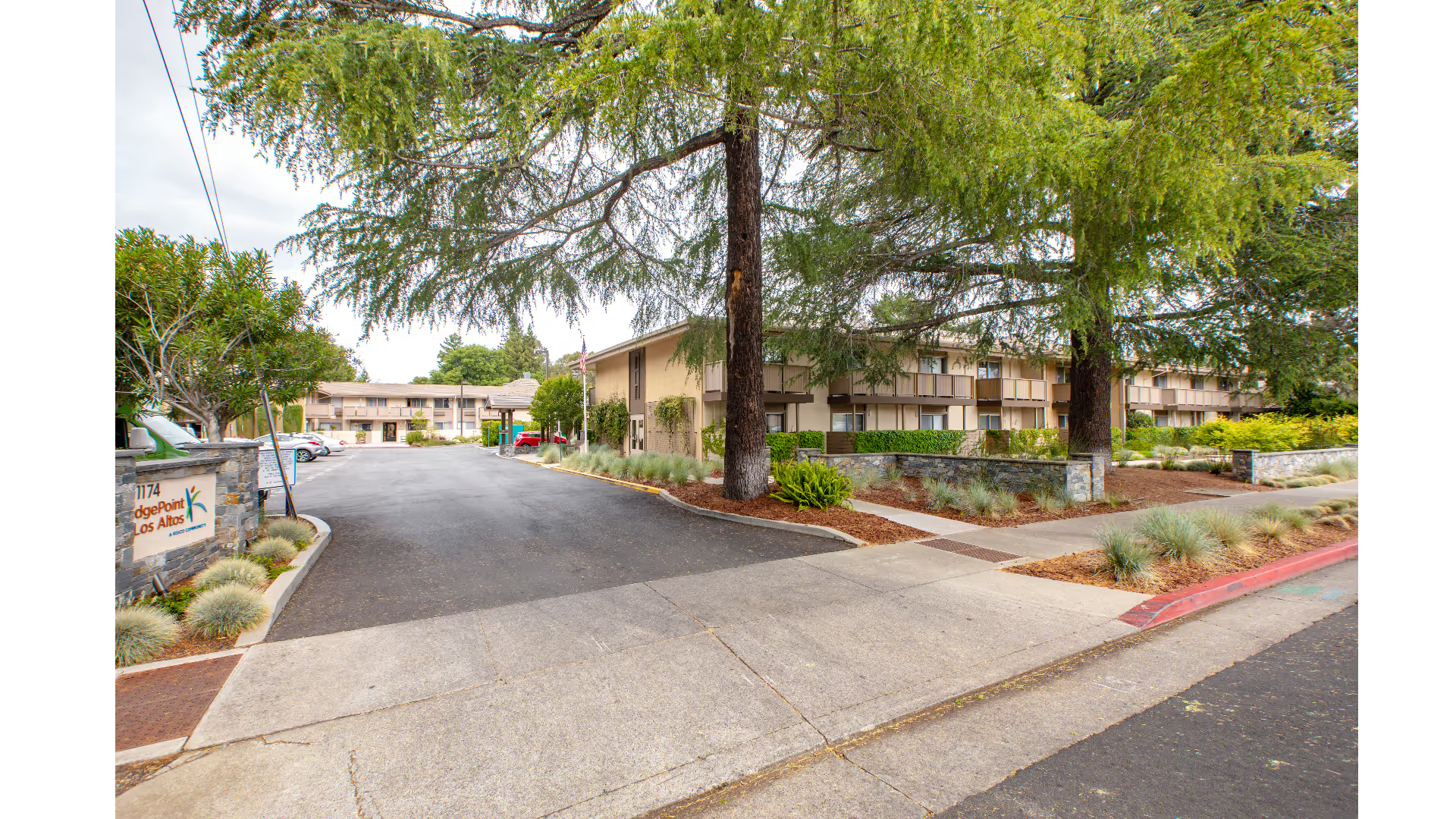
Facilities and amenities: The physical plant is a consistent asset. Reviewers note elegant public spaces, comfortable common areas, outdoor walking areas, single‑occupancy suites with private baths, and a well‑maintained environment. Some ergonomic or unit‑level issues are mentioned (for example smaller room footprints in certain SNF rooms, glare in some apartments, and occasional slippery wet‑area hazards), suggesting variability by unit rather than a community‑wide deficiency.
Management, billing, and communications: While move‑in and admissions teams are often commended for thoughtful touches and organized onboarding, there are repeated concerns about financial transparency and post‑occupancy communications. Specific themes include unclear entrance‑fee repayment details, delayed or confusing billing communications, and gaps in bereavement/post‑move‑out communication. These are administrative and process weaknesses rather than clinical deficiencies, but they affect family trust and satisfaction.
Affordability and value: The Vi is perceived as a premium, relatively expensive option. Many reviewers consider the facility’s amenities and clinical strengths justify the cost for those who can afford it; others identify value concerns where operational weaknesses (staffing variability, administrative communication gaps) reduce perceived return on investment.
Bottom line: For families prioritizing top‑tier rehabilitation, rich programming, and upscale facilities, Vi at Palo Alto offers many strengths. Prospective residents and families should weigh those strengths against operational patterns described by some reviewers — especially variability in nursing responsiveness, care coordination across care levels, and administrative transparency — and ask targeted questions about staffing mixes, handoff protocols, dietary accommodations, and financial/exit procedures during tours and contract discussions.