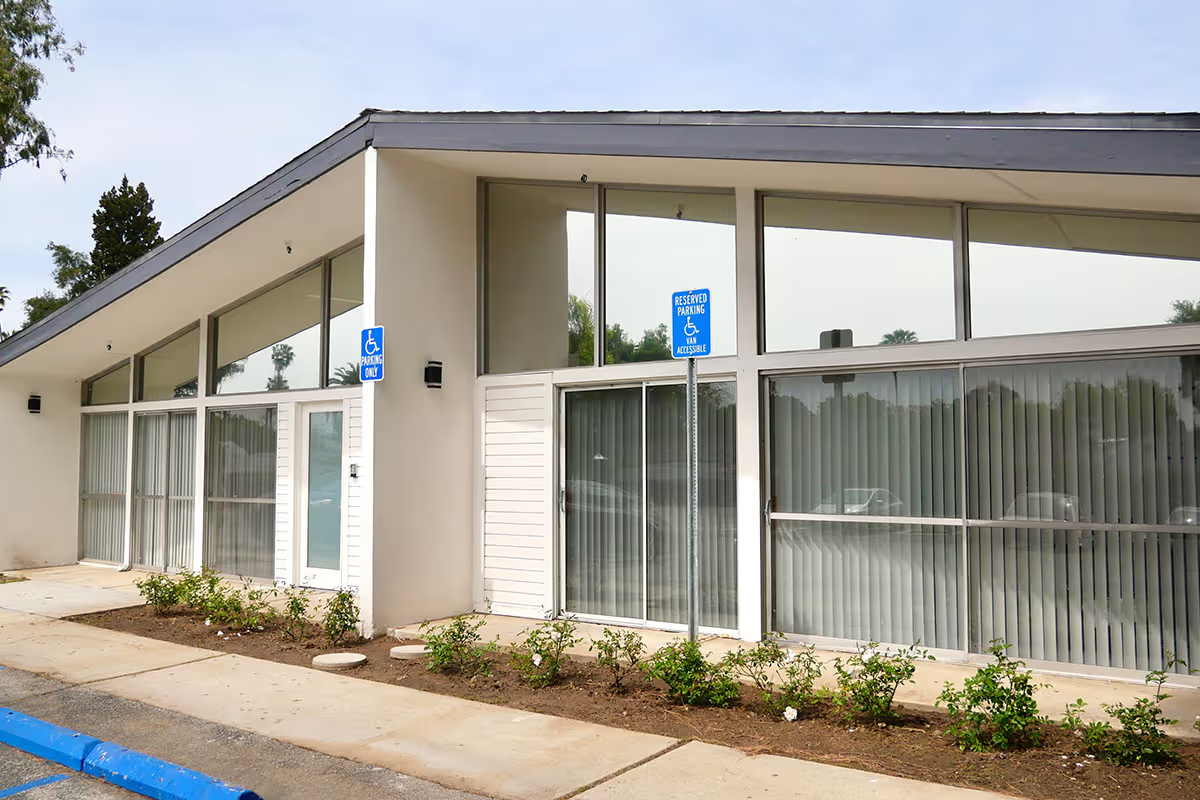
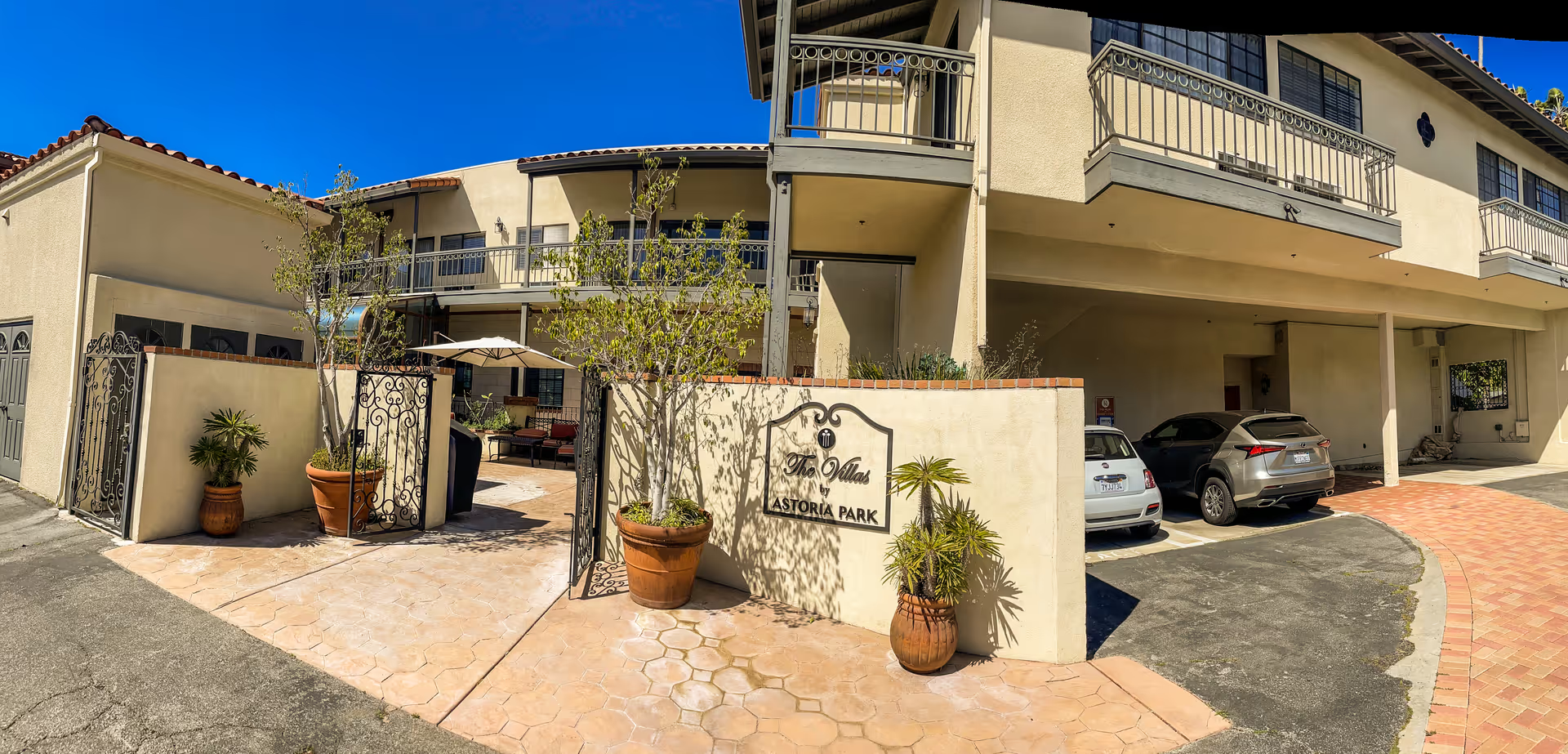
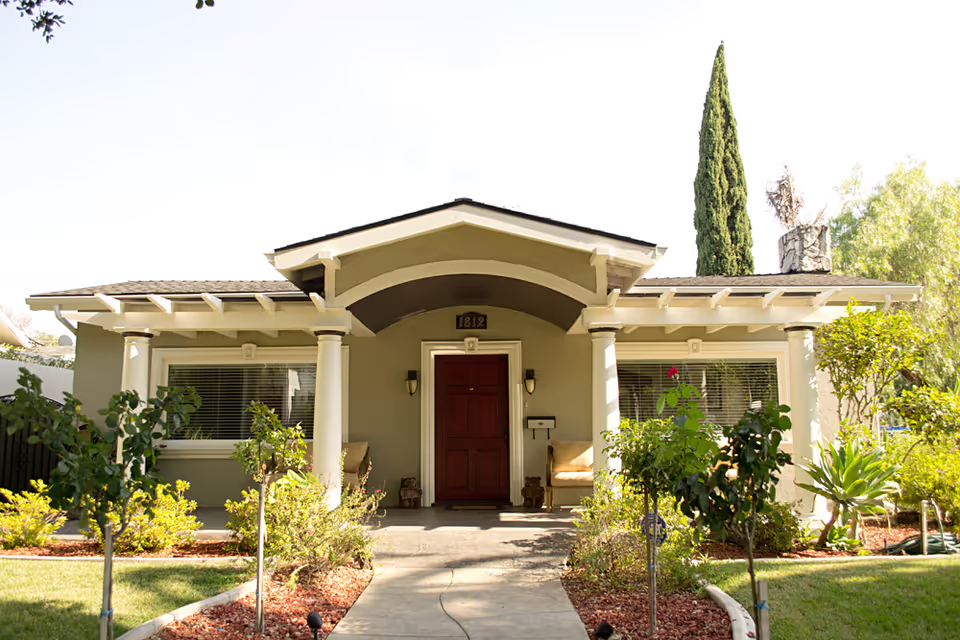
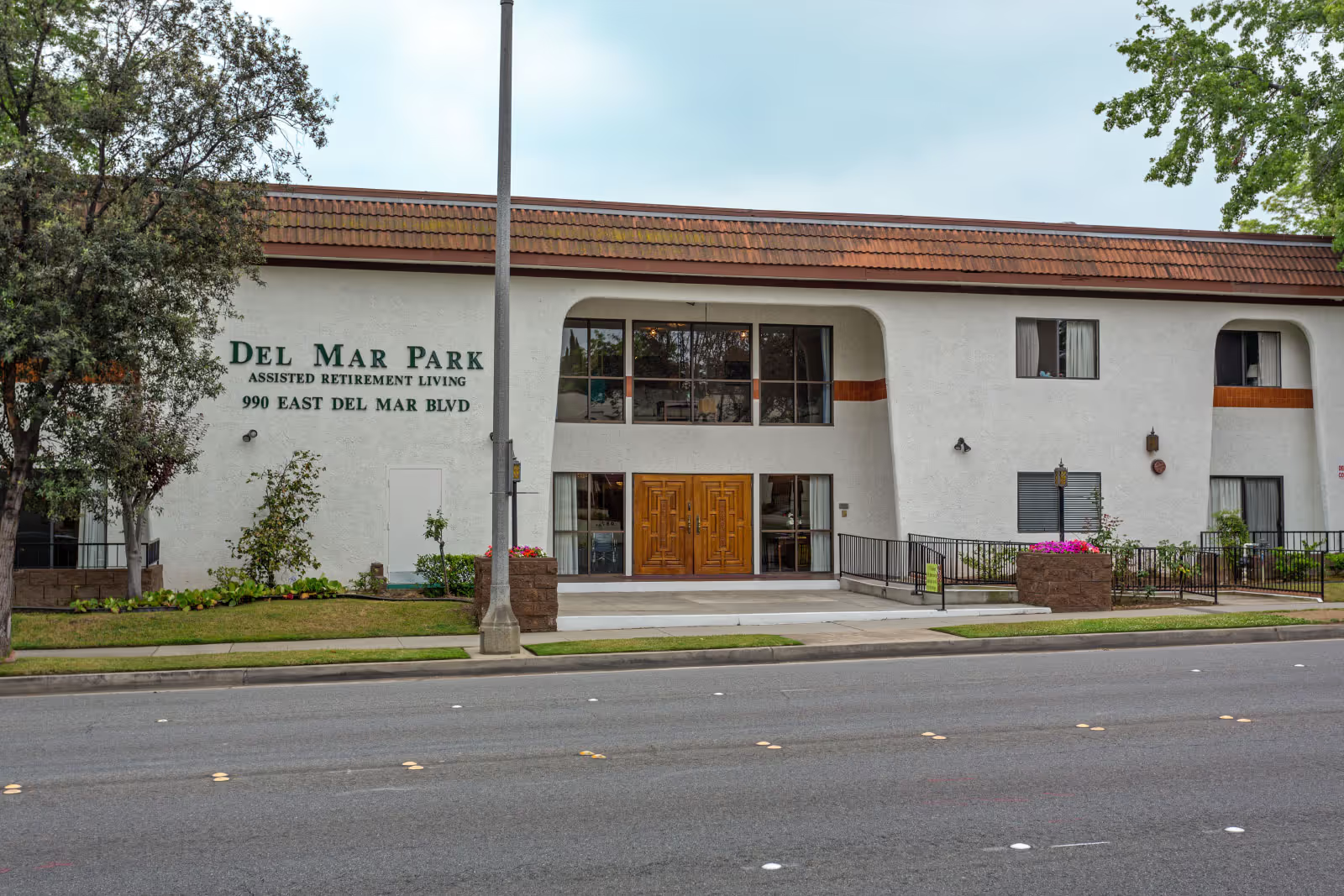
Reviewer feedback for Cedar Pine Post Acute shows a mixed picture with strong positive impressions of some frontline caregivers and communal amenities alongside multiple operational concerns. Several families describe direct-care staff as caring and helpful and note a friendly community atmosphere. The facility also appears to have invested in outdoor communal space (a renovated yard and patio) and offers on-site medical and dental services; a minority of reviewers also described positive experiences with administration.
At the same time, recurring operational weaknesses were described across reviews. Clinical care concerns include inconsistent medication administration and gaps in staff competency and training; reviewers described situations suggesting failures in following physician orders and in managing complex clinical needs. Personal-care inconsistencies were also noted, with comments indicating irregular bathing or hygiene scheduling. There are specific concerns about wound-care and other clinical outcomes that families characterized as serious; these underscore the importance of confirming clinical protocols and supervision when evaluating the facility.
Safety and security-related patterns emerged as well. Reviewers described lost or missing personal belongings and medications, and at least one account involved breakdowns in transfer logistics with outside transport providers. These reports point to gaps in property-security controls and weak transfer/discharge processes that families should review. Dementia-specific care also appears to be an area of risk: reviewers cited insufficient Alzheimer’s/dementia safety protocols and unclear routines for residents with cognitive impairment.
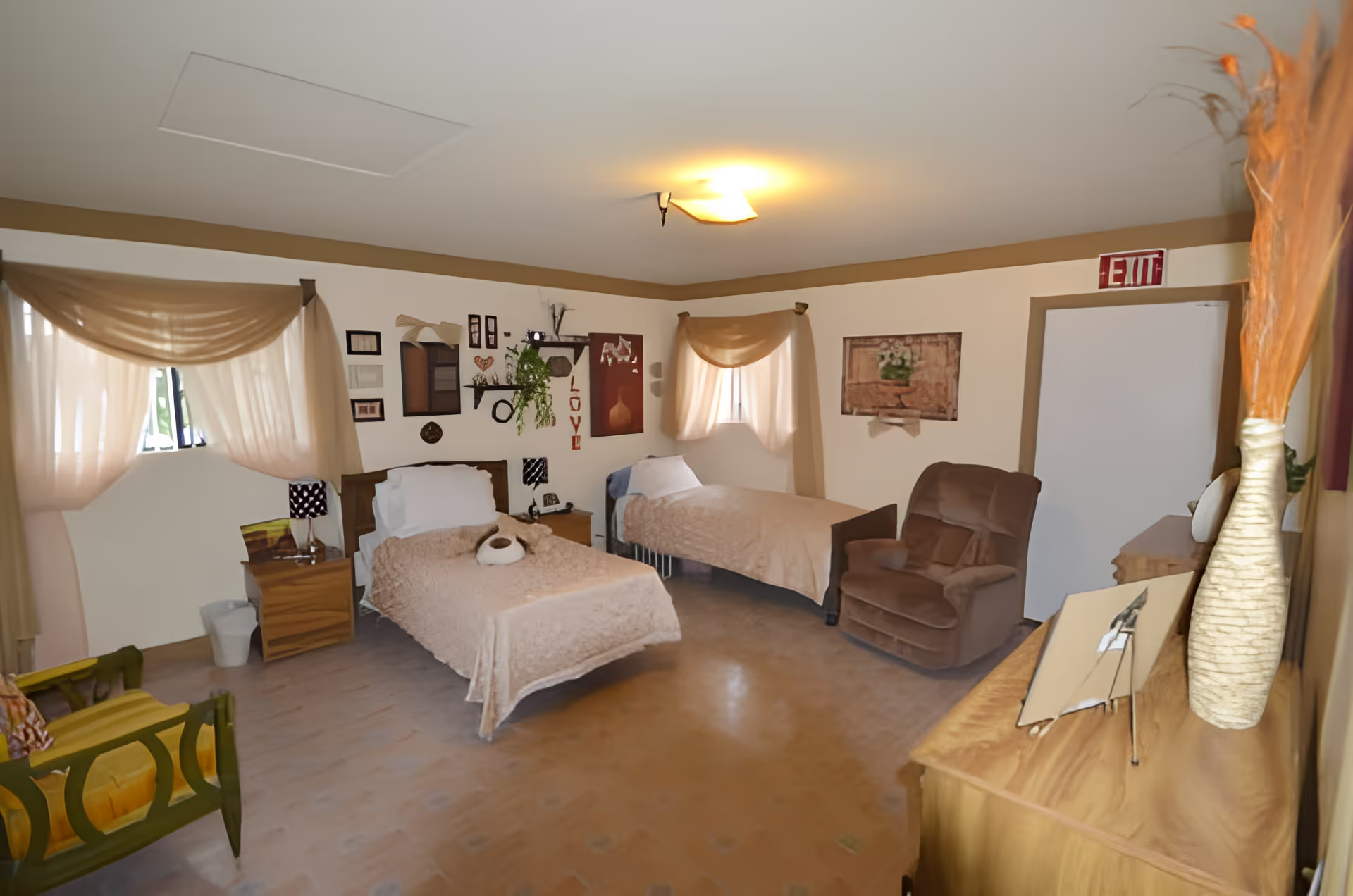
Facility condition and operational maintenance were uneven in reviewer accounts. While outdoor spaces were improved, interior concerns included cleanliness issues, odor concerns in common areas, elevator unreliability, and a generally dated or dingy environment in some sections. Such maintenance and sanitation issues can affect daily comfort and accessibility and may interact with clinical and safety needs.
Management and communication practices were frequently mentioned. Several reviews described poor communication with families about clinical events, transfers, and end-of-life processes, including how remains were handled after a resident’s death. Reviewers also described workplace conduct and morale problems—such as inconsistent supervisory tone and staff stress—that may contribute to uneven care delivery. There are also serious allegations of theft and financial exploitation of residents in some accounts; these claims are significant and merit verification through facility policies and regulatory records.
For prospective residents and families: a focused tour and direct questions are advisable. Ask to see current staffing ratios, medication-administration and wound-care protocols, dementia-care procedures, property-security measures, and recent inspection or complaint-resolution records. Observe common areas and resident rooms for cleanliness and maintenance, and request references from current families. Where transfer or external-transport arrangements are anticipated, clarify the facility’s procedures and accountability. These steps can help corroborate the positive aspects noted by some families while clarifying whether the operational concerns raised in other reviews have been addressed.