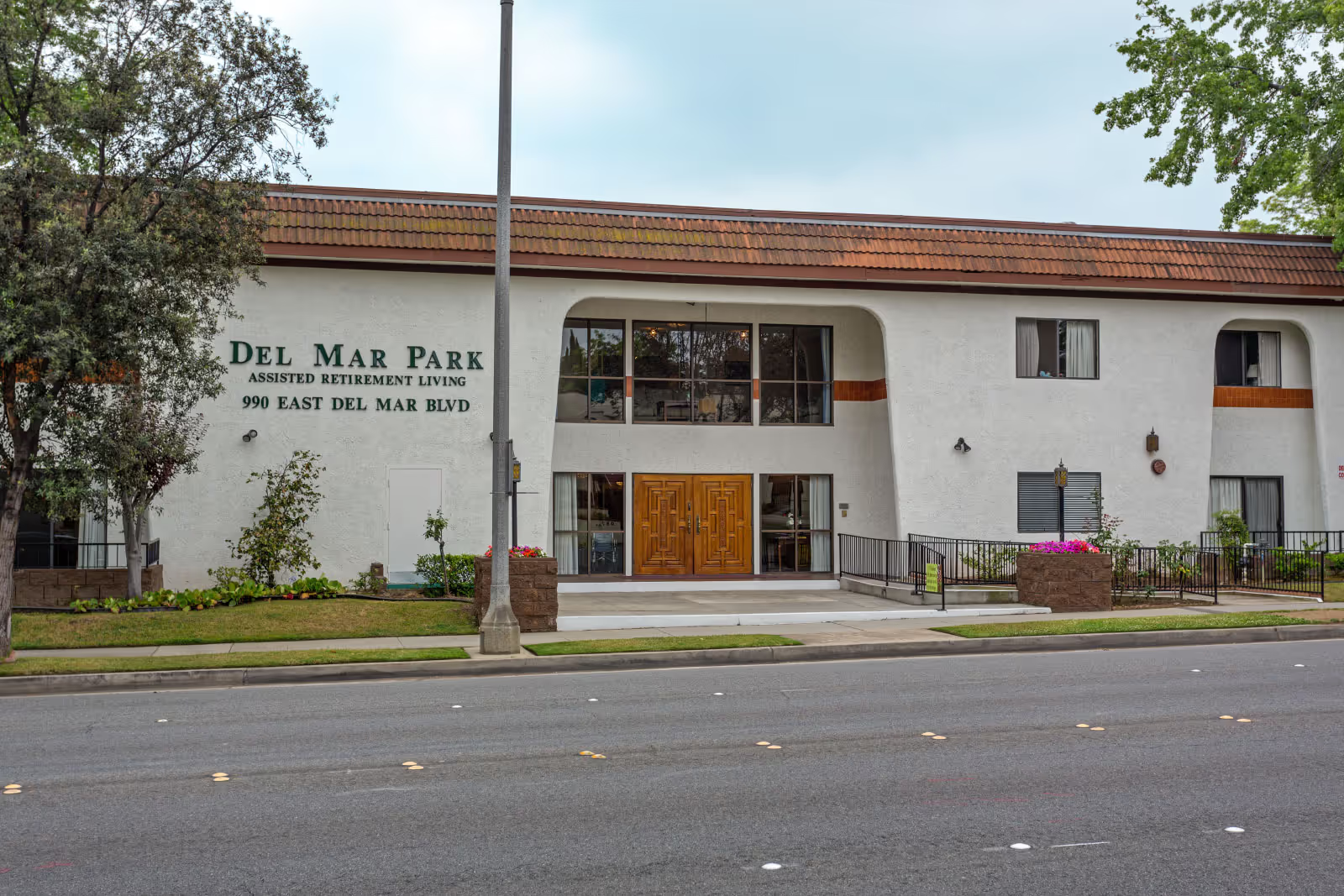
Reviews of Pasadena Grove Health Center present a mixed picture: many families and patients praise individual caregivers, therapy teams, and dining, while other accounts raise operational and safety concerns. Positive comments emphasize attentive nursing, supportive social-work involvement, effective hospitality during admissions, and high-quality meals; several reviewers also described compassionate end-of-life attention and a home‑like environment in portions of the campus.
Care quality and clinical issues: Nursing care is frequently described as attentive and caring, but reviewers also identified inconsistent responsiveness to resident requests and failures in in-room communication systems (including nonfunctional call buttons and lack of room phones). Several accounts describe pressure‑injury concerns and discharge processes driven by payer considerations rather than family preference; one review included an allegation of illegal conduct that a family said prompted pursuit of charges. These patterns suggest the facility can provide strong hands‑on nursing care but may have gaps in clinical documentation, wound‑prevention processes, and consistent family communication.
Staff and professionalism: Staff behavior is a significant area of divergence. Many reviews highlight friendly, knowledgeable, and professional employees and praise specific staff members (including the social worker). Conversely, others describe lapses in professionalism — gossip, rude interactions, interruptions during meetings, and an apparent hierarchical culture that affects morale and communication. Staffing practices also appear uneven, with reports of caregivers being unavailable at times and nurses distracted by personal device use.
Therapy, activities, and dining: Rehabilitation and therapy are among the facility's commonly cited strengths, with multiple reviewers reporting excellent therapy services and positive rehab outcomes. However, therapy quality is not uniform across all accounts; some families called rehab inadequate. Dining receives generally favorable remarks for food quality, while activity programming is described as limited in parts of the facility (television, music, and bingo being the most commonly mentioned options), suggesting variable engagement depending on the unit.
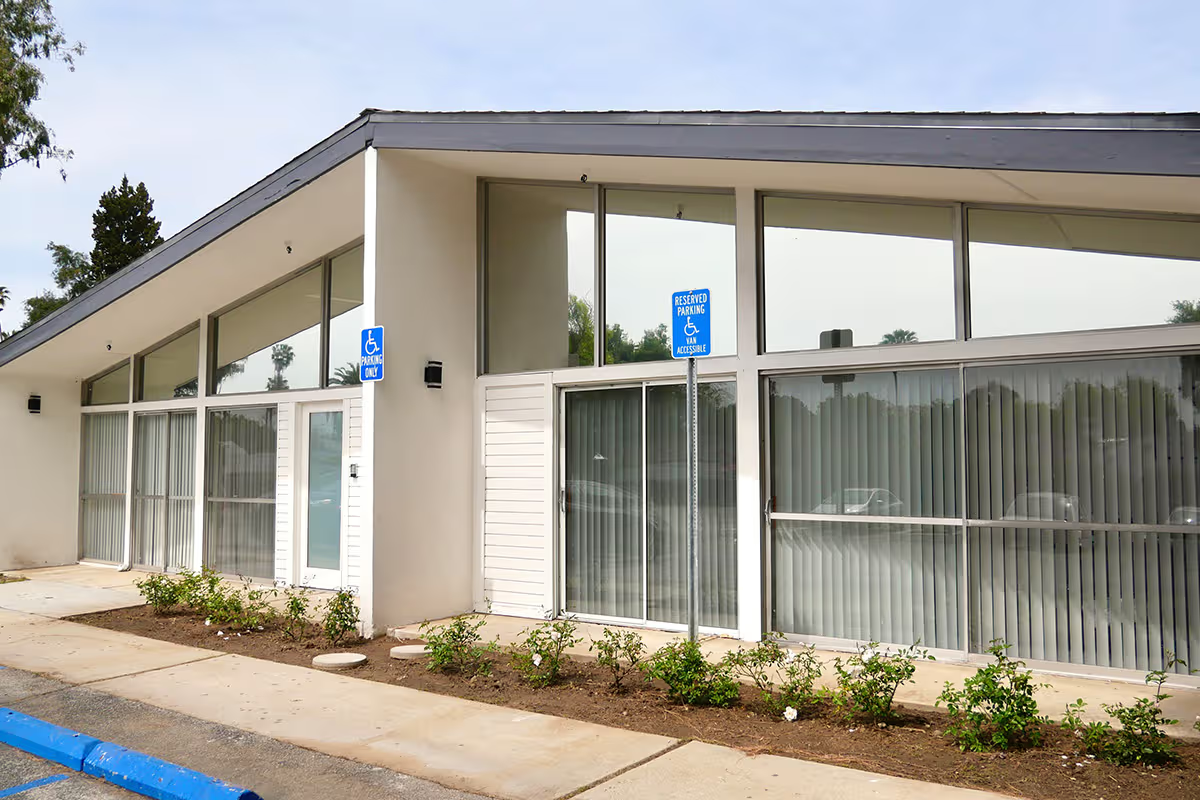
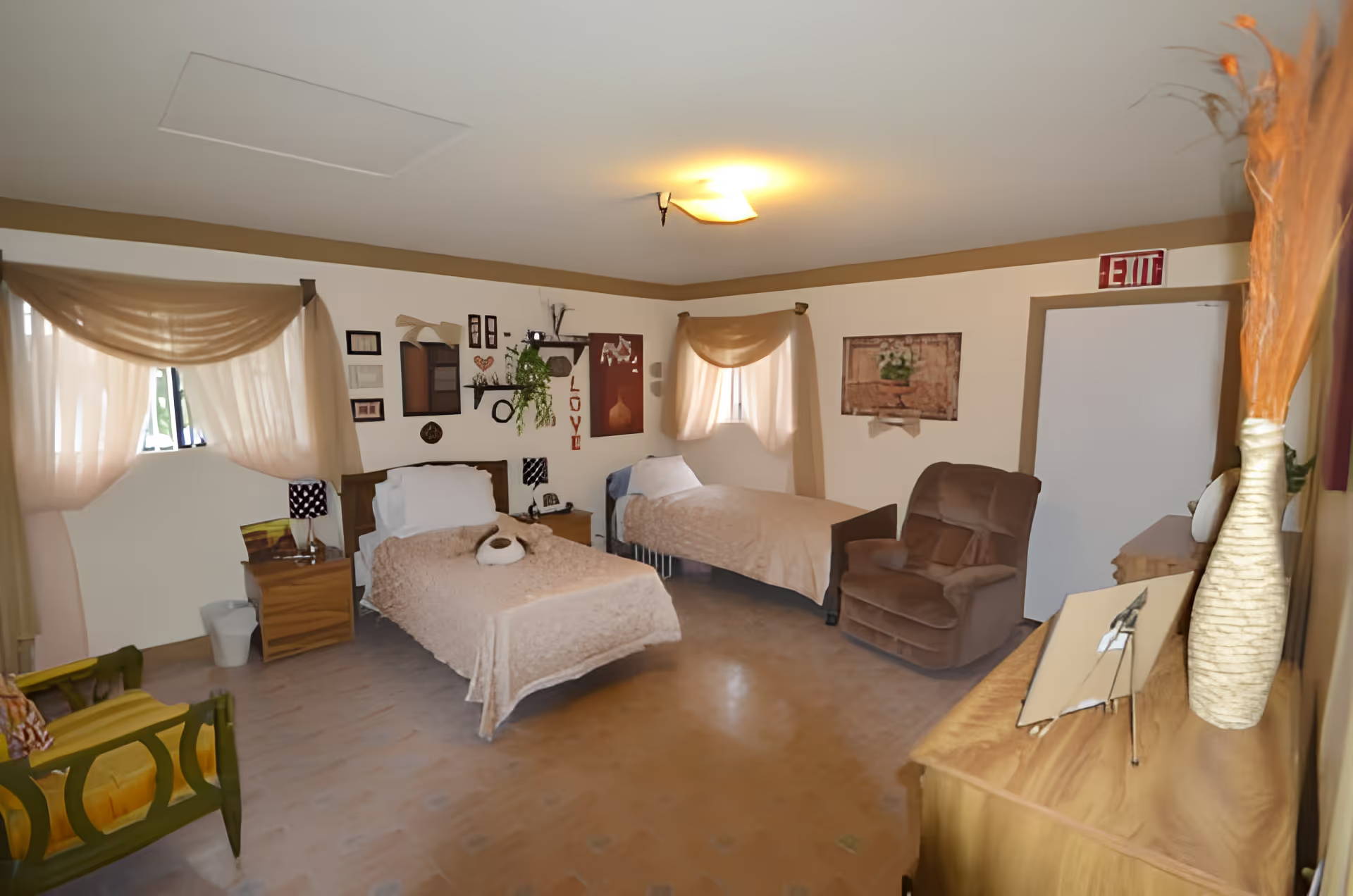
Facilities, safety, and environment: The physical plant is described as older; some reviewers note it is clean and home‑like, while others cite sanitation and odor‑management issues and areas needing renovation. Smoke management and enforcement of smoking policies emerged as recurring concerns, with second‑hand smoke exposure and designated smoking areas near entrances noted. Safety issues such as equipment or transport items obstructing egress and inconsistent adherence to safety protocols were also raised.
Management and notable patterns: Several families perceived a tension between admissions/financial priorities and individualized care, citing sales‑focused interactions at intake and pressure around discharge timing. At the same time, certain administrative staff and social-work personnel were praised for helpfulness and clear communication. The overall pattern is one of uneven operations: strong, dedicated caregivers and effective services in many cases, juxtaposed with gaps in system reliability, staff consistency, facility upkeep, and policy enforcement.
Guidance for prospective families: An on-site visit is advisable to assess unit-level cleanliness, observe therapy sessions, and inquire about call‑button reliability, smoking policies, wound‑prevention protocols, staffing ratios, and discharge planning practices. Request recent deficiency or inspection reports and speak with the social worker about care coordination and family communication pathways to get a more complete picture before a placement decision.