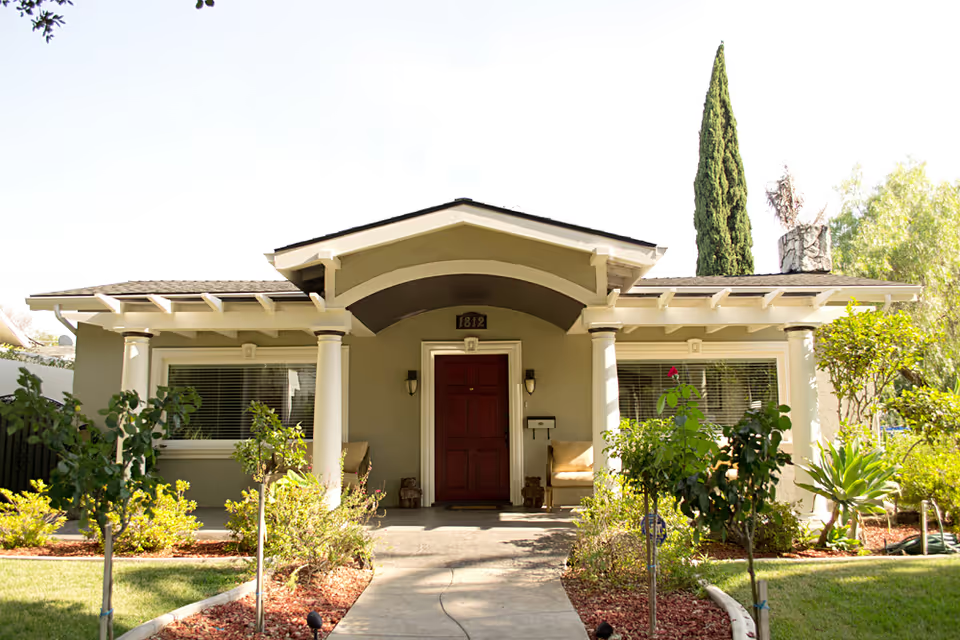
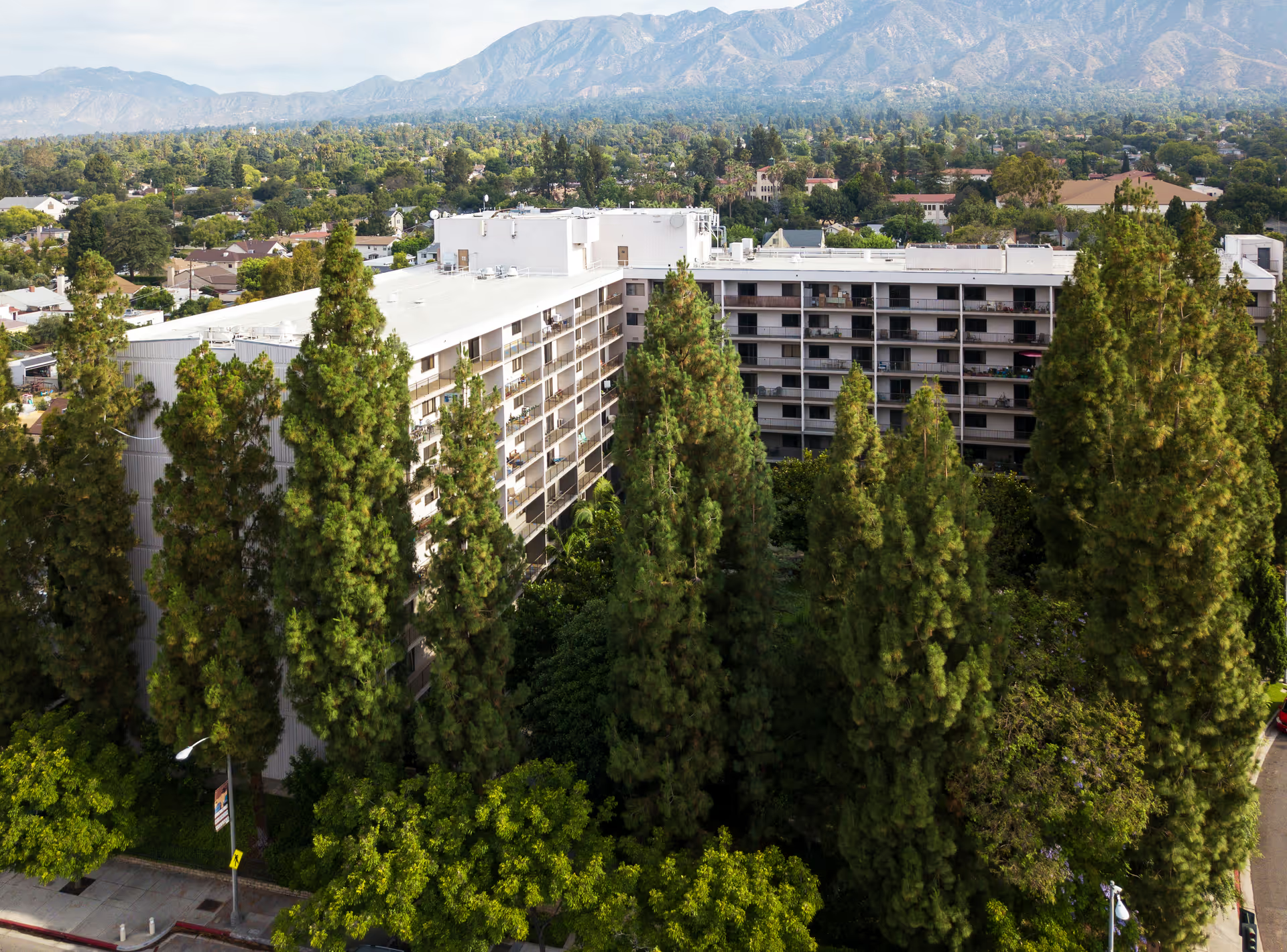
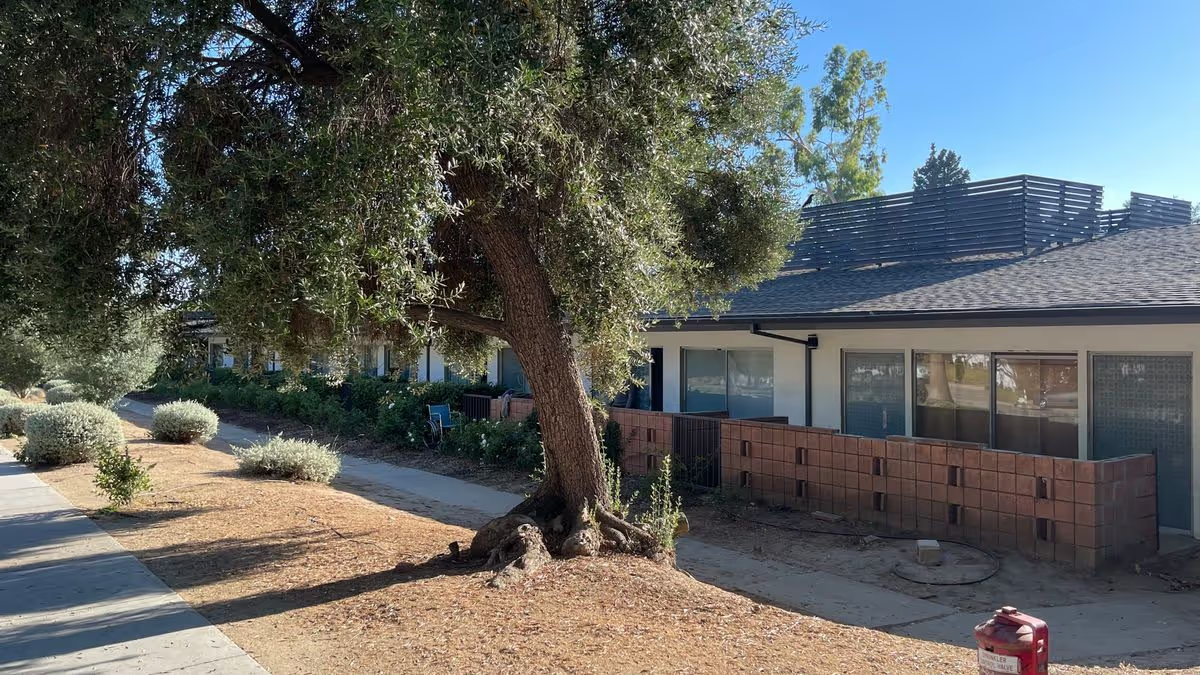
Villa Gardens presents as an upscale continuing-care community with a comprehensive set of amenities and an emphasis on arts, culture, and rehabilitative services. Common strengths include an attentive caregiving staff, around-the-clock caregiver availability, on-site skilled nursing and therapy services, and a wide range of social and cultural programming (music, theater, lectures, and outings). The physical campus is frequently described as well maintained, with gardens, a pool, fitness facilities, a theater, library, salon, and multiple dining venues that support both formal dining and cafe/bistro options.
Care quality and staff interactions are among the most frequently praised features. Reviewers describe knowledgeable and compassionate caregivers, strong physical and occupational therapy offerings, and staff who provide families with reassurance. These strengths support transitions from hospital to home and outpatient rehabilitation goals. At the same time, there are operational inconsistencies to verify during a tour: some accounts cite variable weekend coverage, lapses in scheduled care-plan meetings or medical record retrieval, and uneven housekeeping or laundry timeliness. These items point to occasional gaps in continuity rather than a uniform failure of clinical care.
Dining and amenity experiences are generally positive, with multiple entrée choices, a bistro option, and events that use on-site dining spaces for celebrations. The community’s programming is a notable asset—regular concerts, resident lectures, classes, and intergenerational mentoring are highlighted repeatedly. However, reviewers also describe occasions of variable meal service quality and service practices (for example, delivery logistics or presentation) that detract from the dining experience in some instances. Accessibility of certain activity spaces or art displays has been raised as an operational issue to confirm on site.
On the facilities side, Villa Gardens is characterized as bright and hotel-like in many areas, with light-filled apartments and private spaces that residents can personalize. There are practical constraints to consider: a buy-in financial model with higher monthly costs and occasional extra fees for personalization, a waiting list for entry, compact or limited parking with permit requirements, and ongoing construction in some areas. Feedback about memory-care is mixed; a dedicated memory-care unit exists and has advocates, but suitability for advanced dementia should be evaluated in person because expectations and experiences vary.
Management and culture-related patterns appear mixed. Many families praise leadership, responsiveness, and staff who "go the extra mile," yet other comments raise concerns about communication gaps from management, inconsistent enforcement of standards (noise control, weekend staffing), and more serious allegations of discriminatory hiring practices. These contrasting impressions suggest variability in resident experience depending on unit, staff assignment, or timing.
Recommendation: prospective residents and families should prioritize an in-person visit focused on specific operational items—ask for recent housekeeping and laundry schedules, weekend staffing ratios, policies for noise and staff hallway conduct, concrete therapy outcomes, memory-care staffing and care plans, parking arrangements, all fees tied to the buy-in model, and documentation of nondiscrimination and hiring policies. Verifying those items will clarify whether Villa Gardens’ strong clinical and cultural offerings align with an individual’s needs and expectations.